
Finding the right basketball ring and board set for kids in the Philippines requires balancing your child’s developmental stage with the realities of local weather and residential space. Whether you have a spacious backyard in a provincial subdivision or a tight garage footprint in a Metro Manila townhouse, selecting the right equipment ensures both safety and long-term enjoyment. To make a smart investment, parents must evaluate four primary pillars: height adjustability, base stability, backboard material, and portability.
In the Philippine market, options range from lightweight indoor plastic hoops to heavy-duty, weather-resistant outdoor systems. Because tropical conditions expose outdoor equipment to intense sun, high humidity, and heavy seasonal rains, material durability is just as important as the hoop’s playability. By understanding how these features interact, you can choose a setup that grows with your child and withstands the elements.
Adjustability: Choosing the Right Height Range and Mechanism
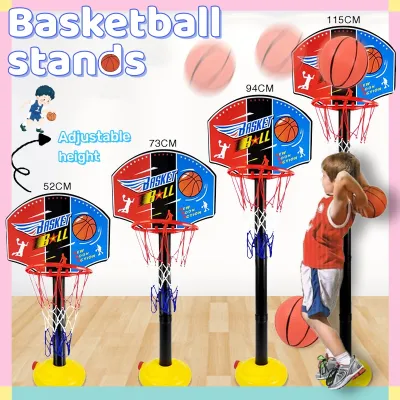
An adjustable height mechanism is the single most important feature for extending the lifespan of a basketball ring and board set for kids. Children grow rapidly, and their physical strength and shooting mechanics change from year to year. A hoop that can be raised in small increments allows children to practice proper shooting form rather than straining to reach a rim that is too high, which often leads to poor physical habits.
Products mentioned in this guide
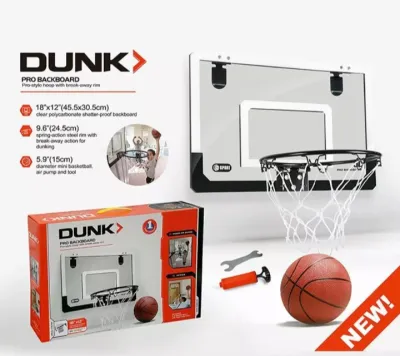
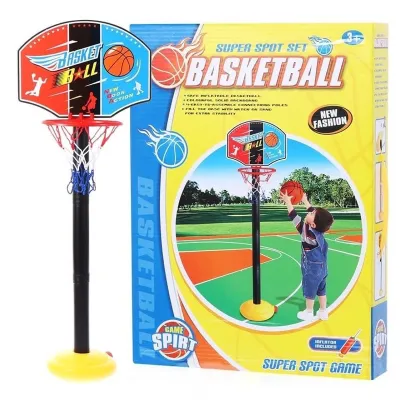
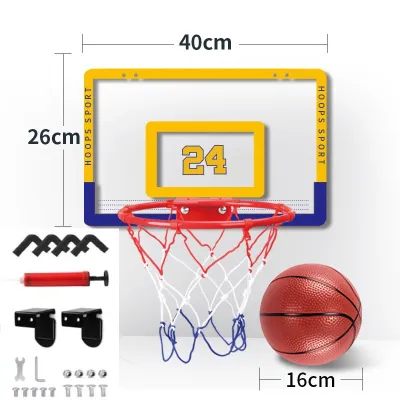
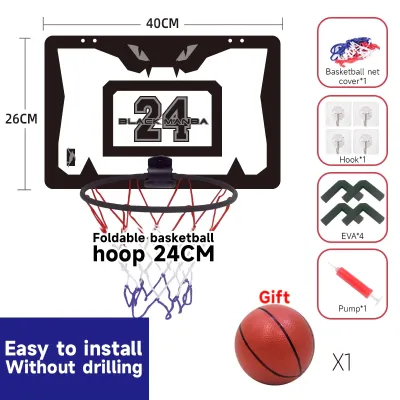
Prices are valid at publication and may change. Please refer to the product page for the latest price.
When shopping, you will generally find three main height ranges designed for different developmental stages. Toddler sets usually adjust from 3 to 5 feet, which is ideal for early motor skill development. Mid-range sets typically adjust from 5 to 8 feet, catering to primary school children who are learning the basic rules of the game. Advanced youth sets can extend from 7.5 feet up to the regulation height of 10 feet, making them suitable for pre-teens and teenagers who want a realistic court experience.
Parents should carefully compare the adjustment mechanisms used to secure the pole at different heights:
- Telescopic Push-Button Systems: These systems use pre-drilled holes in the metal pole and spring-loaded buttons. They are highly secure and cost-effective but limit you to specific height increments, usually spaced 6 inches apart.
- Crank and Collar Systems: Found on premium mid-range and high-end sets, these allow for infinite adjustment within their range. A simple turn of a handle or lever raises or lowers the board smoothly, making it easy for a single adult to adjust the height in seconds.
- Bolt-Tightening Systems: Often found on budget-friendly models, these require you to manually loosen a bolt, slide the pole to the desired height, and tighten it back down. While secure when properly tightened, they require more physical effort and occasionally require tools.
Regardless of the mechanism, safety checks are paramount. Always verify that the locking pins, bolts, or clamps are fully engaged and tightened before allowing children to play. Over time, vibration from basketballs hitting the backboard can loosen manual friction collars, so making a habit of checking the adjustment point weekly is highly recommended.
Base Stability: Weight Options and Weather Resistance
A stable base is critical for preventing accidents, especially when a kids’ basketball set is used outdoors. Portable systems rely on a hollow plastic base that must be filled with weight to anchor the entire structure. If the base is too light, a gust of wind or a ball hitting the rim can easily tip the set forward, risking injury to players or damage to nearby property.

When deciding how to fill the base, parents generally choose between two primary materials:
- Water: Filling the base with water is the most convenient option. It is easy to fill using a standard garden hose and simple to drain if you need to move the set to a new home or store it inside. However, water is less dense than sand, meaning the base will be lighter overall. In hot tropical climates, stagnant water inside a translucent plastic base can also encourage algae growth, and slow evaporation might require you to top it off periodically.
- Sand: Sand is significantly denser than water, providing roughly 30% to 50% more weight for the same volume. This makes sand the superior choice for high-wind areas or active play. The main trade-off is that dry sand is difficult to pour into the small fill holes of most bases, often requiring a funnel and some patience. Once filled with sand, the base is also incredibly heavy and difficult to empty.
To balance these trade-offs, some families use a combination of sand and water, or place heavy sandbags directly on top of a water-filled base for temporary wind protection during the monsoon season. The physical design of the base also plays a role in stability. Look for bases with a wide, low-profile footprint and a recessed pole design, which positions the weight directly under the center of gravity to maximize tipping resistance.
Outdoor durability is another major concern in the Philippines, where intense UV rays and heavy rainfall can degrade cheap plastics and rust unprotected metal. High-quality sets feature bases made from UV-stabilized High-Density Polyethylene (HDPE) that will not crack or become brittle under the sun. The support poles should feature a durable powder-coated finish rather than standard paint, which chips easily and allows rust to take hold in high-humidity environments.
Before purchasing, establish a strict safety boundary with your children: never allow them to hang on the rim or climb the pole. Even a fully weighted base is not designed to support the dynamic hanging weight of a child, and tipping can still occur if the system is subjected to excessive forward leverage.
Backboard Materials: Balancing Durability and Rebound
The backboard material directly influences both the durability of the set and the quality of the play experience. Different materials offer varying levels of rebound energy, which affects how the ball bounces off the board during layups and bank shots. Choosing the right material depends on your child’s age, skill level, and budget.
- Polyethylene and Molded Plastic: This is the most common material for toddler and entry-level youth sets. It is highly budget-friendly, lightweight, and virtually indestructible under normal use. However, plastic backboards offer very little rebound energy; the ball tends to hit the board with a dull thud and drop straight down. This is perfectly fine for young beginners but can frustrate older kids trying to learn proper bank shots.
- Polycarbonate: Polycarbonate is a tough, clear thermoplastic that offers a much better rebound than standard plastic. It is highly impact-resistant and shatterproof, making it an excellent choice for active, growing kids who play aggressively. Polycarbonate backboards look similar to professional glass boards but are much lighter and safer for residential driveways. Over several years of intense tropical sun exposure, lower-grade polycarbonate may slightly yellow, though this does not affect its structural integrity.
- Acrylic: Acrylic backboards provide a premium, glass-like look and excellent rebound performance. They are stiffer than polycarbonate, resulting in a much truer bounce that closely mimics institutional gym courts. However, acrylic is heavier and more rigid, meaning it requires a sturdier pole and a heavier base to prevent shaking after every shot. It is also more susceptible to scratching over time if abrasive balls or dirty outdoor play are common.
Backboard size is another factor to consider. For toddlers, a small 24-inch to 28-inch board is sufficient. For kids aged 6 to 9, a 32-inch to 44-inch backboard provides a reasonable target area for practicing basic shots. Older youth and pre-teens will benefit from a 44-inch to 50-inch backboard, which allows enough space on the sides to practice angled bank shots from the wings.
Finally, look for safety features such as protective edge padding along the bottom of the backboard. This padding helps prevent head and hand injuries when taller kids jump near the board. Ensure the manufacturer offers a shatterproof guarantee, particularly if you choose a rigid plastic or acrylic model.
Portability and Storage: Managing Space and Mobility
Residential space is often at a premium in urban areas of the Philippines. Managing a basketball set in a shared driveway, a small garage, or a townhouse carport requires a system that can be moved quickly and stored compactly when not in use.
Built-in transport wheels are an essential feature for any portable kids’ basketball set. These wheels are typically located at the front of the base. To move the set, you tilt the pole forward at an angle, lifting the rear of the weighted base off the ground and rolling it on the wheels. This design allows a single adult to roll a heavy, water-filled base across flat concrete driveways to clear space for parking cars or to move the hoop out of sight.
Foldable or collapsible pole designs offer additional convenience. Some systems allow you to easily lower the pole to its lowest setting or fold the backboard flat against the pole. This is incredibly useful if you need to store the set inside a garage, a garden shed, or a covered patio during severe weather events or extended family trips.
Before making a purchase, measure your available outdoor play area and compare it to the footprint specifications of the basketball set. A standard youth base can measure up to 4 feet long and 3 feet wide. You must ensure that you have enough flat, level ground to place the base securely while leaving a safe buffer zone around the hoop so children do not run into walls, fences, or parked vehicles during active play.
Rim and Net Features: Safety and Outdoor Durability
The rim and net are the direct contact points for every shot, making their design crucial for both play quality and safety. Rims come in different sizes and configurations, and choosing the right one depends on the age of your children and the type of basketballs they use.
- Standard vs. Mini Rims: Standard rims have an inner diameter of 18 inches, which accommodates official Size 7 basketballs as well as smaller youth sizes. Mini rims, usually measuring between 12 and 15 inches, are designed specifically for toddler sets and scaled-down toy basketballs. If you are buying a set for a child over 6 years old, look for a standard-sized rim so they can transition to using standard youth basketballs (Size 5) as they grow.
- Standard Fixed Rims vs. Breakaway Rims: A standard fixed rim is bolted directly to the backboard or the support frame. While durable and inexpensive, any direct downward force on the rim transfers directly to the backboard, which can cause plastic boards to warp or acrylic boards to crack. Breakaway rims feature enclosed steel springs that compress when downward pressure is applied, allowing the rim to flex slightly before snapping back into place. This spring-loaded design absorbs the impact of aggressive layups, protecting both the backboard and the player's wrists from jarring forces.
Net materials also require careful selection based on where the hoop will be stored. Standard nylon nets are soft, quiet, and offer the classic “swish” sound when a shot goes in. However, standard nylon can degrade, rot, and fray when exposed to constant tropical rain and intense sunlight. If the set will live outdoors permanently, look for heavy-duty, UV-treated nylon nets.
Coated chain nets are an alternative for outdoor play because they do not rot or tear. However, they are significantly noisier, which may disturb neighbors in close-quarters residential developments. Additionally, if the protective zinc or plastic coating on a chain net chips, the steel underneath can rust quickly, potentially staining the driveway or causing scratches during play.
How to Match the Set to Your Child's Age and Skill
To ensure your investment provides the best value, match the features of the basketball ring and board set for kids to your child’s physical development and skill level. Buying a system that is too advanced can lead to frustration, while buying a set that is too basic means your child will quickly outgrow it.
Toddlers and Beginners (Ages 2–5)
For very young children, the focus is entirely on fun, safety, and developing basic hand-eye coordination. Look for lightweight, all-plastic sets that can be used both indoors in the living room and outdoors on a patio. These sets should feature low, fixed, or easily adjustable heights ranging from 3 to 5 feet.
The backboard should be a simple, lightweight plastic board, and the base should be small enough to be easily filled with a minimal amount of water or sand. At this stage, a mini plastic rim paired with a lightweight, inflatable toy ball is ideal, as it minimizes the risk of injury or household damage.
Developing Players (Ages 6–9)
Children in this age group are beginning to understand actual game mechanics and need a setup that behaves more like a real basketball court. Look for a set with a telescopic metal pole that adjusts from 5 to 8 feet, allowing them to gradually increase the height as their shooting strength improves.
A mid-sized polycarbonate backboard (32 to 44 inches) is highly recommended for this group because it provides a realistic rebound for practicing layups. The base should have a capacity of at least 50 to 70 liters, filled with sand or water to handle the impact of standard youth basketballs (Size 5). A standard-sized steel rim with a durable, weather-resistant nylon net will complete this developmental setup.
Advanced Pre-Teens (Ages 10+)
Older children and pre-teens require a heavy-duty system that can handle aggressive play, fast-paced shooting, and high-velocity rebounds. Look for a set that adjusts up to the regulation height of 10 feet, featuring a thick polycarbonate or acrylic backboard measuring 44 to 50 inches for accurate bank shots.
The base must be large and heavy-duty, preferably filled with sand to ensure maximum wind resistance and stability during vigorous play. A spring-loaded breakaway rim is essential for this age group to absorb the impact of hard shots and occasional light rim contact. Pair this setup with a high-quality, UV-resistant nylon net that can withstand year-round outdoor exposure.
Summary of Recommended Features by Age Group
| Age Group | Recommended Height | Backboard Material | Base Type & Capacity | Rim & Net Features |
|---|---|---|---|---|
| Toddlers (Ages 2–5) | 3 to 5 feet | Molded Plastic (24–28") | Small Plastic, Water-filled | Mini Plastic Rim, Toy Ball |
| Developing (Ages 6–9) | 5 to 8 feet | Polycarbonate (32–44") | Medium (50–70L), Sand/Water | Standard Steel Rim, Nylon Net |
| Advanced (Ages 10+) | 7.5 to 10 feet | Acrylic / Polycarbonate (44–50") | Large (70L+), Sand-filled | Breakaway Rim, Heavy-Duty Net |
Frequently Asked Questions (FAQ)
Can I leave the basketball set outside during the rainy season?
Yes, most high-quality outdoor basketball sets are designed to withstand rain, but prolonged exposure to heavy tropical downpours and high humidity can accelerate wear. To protect your investment, look for sets with powder-coated steel poles and UV-resistant backboards. During severe weather events, such as typhoons with strong winds, it is highly recommended to lower the hoop to its lowest height setting to reduce wind resistance, or move the entire set into a covered garage or shed. If you must leave it outside, using a heavy-duty, waterproof protective cover over the backboard and rim will significantly extend its lifespan.
How do I know if the base is heavy enough for outdoor wind?
To ensure safety, always follow the manufacturer’s exact fill specifications printed in the instruction manual or on the base itself. Never operate the basketball set with an under-filled base. If you live in an open area prone to strong winds, fill the base entirely with dry sand rather than water, as sand provides much higher density and weight. You can verify stability by gently pushing the pole from different angles; if the base lifts off the ground easily, it requires additional weight. Periodically inspect the plastic base for hairline cracks or leaks, especially if you use water, to ensure the weight has not slowly drained away.
Community discussion
Share your experience or ask a question. Comments are reviewed before publication.