
Running in the Philippines means constantly adapting to intense heat and high humidity levels that can easily push the heat index into dangerous territory. Under these demanding tropical conditions, staying hydrated is not just a matter of performance, but of basic safety. A standard pack will not suffice when the air is thick with moisture and the sun is relentless. To maintain your pace and protect your health, a running bag with water bottle must prioritize rapid heat dissipation, excellent ventilation, bounce-free stability, and reliable temperature retention to keep your water cool and refreshing.
While high-quality gear is essential for managing tropical conditions, it cannot replace physical conditioning, proper acclimation, and sound athletic judgment. Before heading out, always check the local weather forecast and heat index. If you experience warning signs of heat exhaustion—such as dizziness, headaches, nausea, or an abnormally rapid heart rate—you must stop running immediately, find a shaded area, and seek assistance. No piece of equipment can substitute for listening to your body’s limits.
How Tropical Heat and Humidity Change Your Gear Needs
High humidity fundamentally alters how your body regulates its temperature during physical exertion. In drier climates, sweat evaporates quickly from your skin, providing a natural cooling effect. In the tropical environment of the Philippines, however, the air is already saturated with moisture, which severely limits sweat evaporation. Because your sweat cannot evaporate efficiently, your body struggles to cool down, causing your core temperature to rise rapidly and forcing you to sweat even more profusely to compensate. This physiological response drastically increases your sweat rate and accelerates dehydration.
Products mentioned in this guide
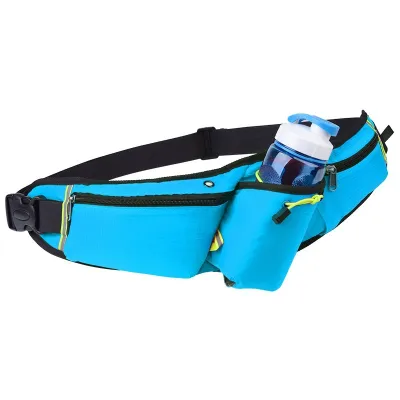
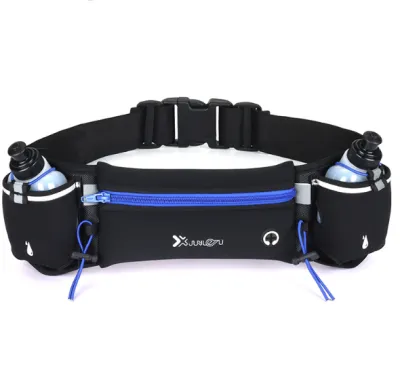
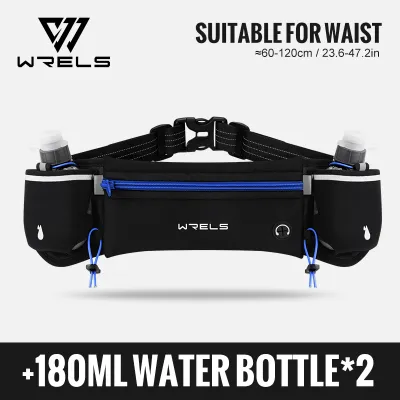
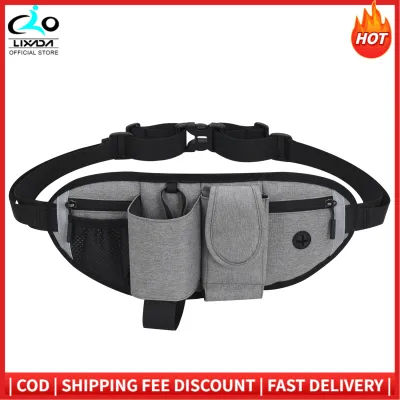
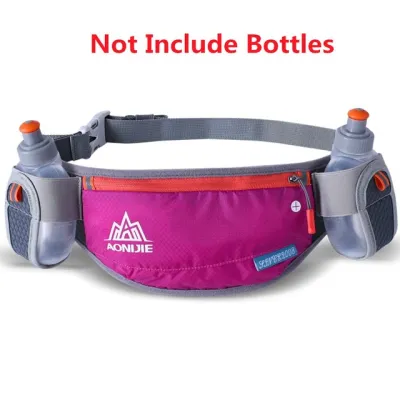
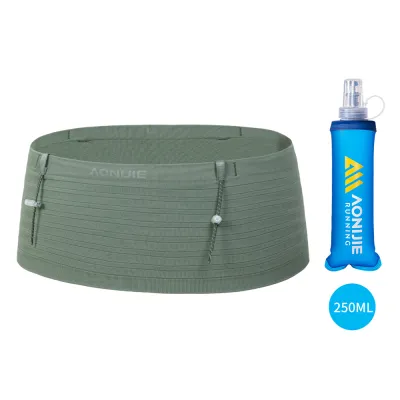
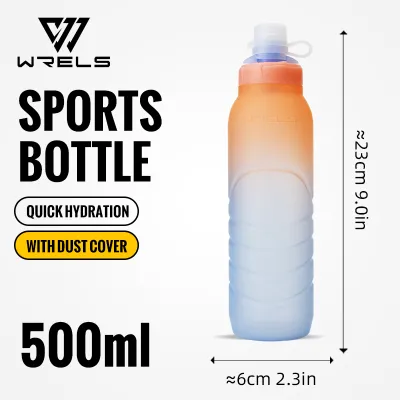
Prices are valid at publication and may change. Please refer to the product page for the latest price.
This constant state of wetness has a destructive impact on your running gear. Standard fabrics absorb this excess moisture, making your pack significantly heavier and causing the straps to sag or shift. When wet, abrasive materials rub continuously against sweat-slicked skin, the resulting friction leads to painful chafing within a few kilometers. Furthermore, the persistent dampness combined with warm tropical temperatures creates an ideal breeding ground for mold, mildew, and stubborn bacteria that cause permanent odors.
To run comfortably and safely in these conditions, your gear must be specifically designed to handle extreme moisture. A running bag with water bottle built for tropical climates must feature specialized structural layouts and advanced materials that promote airflow, resist water absorption, and keep your fluids cool. Choosing the right combination of these features will keep you moving efficiently without the burden of heavy, waterlogged gear.
Hydration Capacity and Insulation for Long, Hot Runs
Estimating your hydration needs requires balancing your individual sweat rate with the duration of your run. In hot and humid weather, a runner can easily lose 500 to 1,000 milliliters of fluid per hour. For short runs under 45 minutes, a single 250-milliliter flask may be sufficient. However, for long runs or trail sessions lasting over an hour, you should look for a running bag with water bottle capacity of at least 1 to 1.5 liters, often split between two front-facing bottles to distribute the weight evenly.

Selecting the right bottle insulation is a trade-off between weight and temperature control. Single-wall plastic bottles are incredibly light and flexible, but they offer no thermal protection, meaning your water will become lukewarm within 15 to 20 minutes of stepping outside. Double-wall vacuum-insulated stainless steel bottles keep water ice-cold for hours, but they add substantial, non-squeezable weight to your chest or waist. Insulated squeeze bottles, which use a thin layer of closed-cell foam between two layers of plastic, offer a practical middle ground by keeping water cool twice as long as standard bottles without adding excessive bulk.
Condensation is an inevitable side effect when cold bottles meet warm, humid tropical air. As moisture from the air condenses on the cold exterior of your bottle, it can quickly soak through your bag, wetting your phone, salt tablets, or energy gels. To prevent this, check the bag’s specifications for water-resistant compartment liners, neoprene-insulated bottle sleeves, or dedicated drainage grommets at the bottom of the pockets that allow escaping condensation to drip away safely.
Opting for a wide-mouth bottle design provides a major practical advantage for tropical running. A wide opening allows you to easily pack the bottle with large ice cubes directly from your freezer before heading out, ensuring your water stays cold for the first crucial hour of your run. Additionally, wide-mouth bottles are much easier to scrub and dry thoroughly, which is vital for preventing bacterial growth in a humid climate.
Breathable Fabrics and Anti-Chafe Strap Designs
Your running bag sits directly against major heat-generation zones on your body, particularly your back and chest. To prevent heat from becoming trapped, look for bags that utilize elevated back panels, tensioned open mesh, or deeply channeled EVA foam. These structural designs create a physical gap between your skin and the main body of the pack, allowing ambient air to circulate and carry away rising body heat and evaporating sweat.
When your skin is saturated with sweat, the constant motion of running can turn minor friction into severe chafing. Pay close attention to the construction of the shoulder straps and waist belts. The best designs feature ultra-lightweight, laser-cut mesh straps with seamless, soft-bound edges rather than thick, foam-padded straps that absorb sweat like a sponge. Smooth edge binding glides easily over wet clothing or bare skin, minimizing the risk of painful abrasions during repetitive arm swings.
Tropical weather is notoriously unpredictable, often shifting from intense sunshine to sudden afternoon downpours. To protect your valuables from both external rain and your own heavy perspiration, ensure the storage compartments of your running bag feature water-resistant treatments, such as a TPU coating or a durable water repellent (DWR) finish, along with weather-sealed zippers. These features keep your electronics and dry fuel safe, even if you get caught in a sudden tropical storm.
Before purchasing, verify any manufacturer claims of “breathability” or “quick-dry” performance. You can do this by checking the care label for high-performance synthetic materials like nylon, polyester, or elastane, which naturally resist water absorption. Inspect the physical weave of the fabric as well; a high-quality tropical running bag should feature an open-grid mesh structure that allows light and air to pass through easily when held up to a light source.
Managing Weight, Fit, and Bounce on Sweaty Runs
Water is heavy, weighing exactly one kilogram per liter. When you carry this fluid on your body, the motion of your stride can cause the bottles to bounce, sway, and pull at your shoulders, which rapidly wastes energy and causes muscle fatigue. A well-designed running bag with water bottle must feature dedicated, snug-fitting bottle pockets equipped with elastic cinch cords or integrated compression straps that lock the bottles firmly against your torso to eliminate shifting.
As your run progresses in the heat, your body undergoes subtle physical changes. Your blood vessels dilate, which can cause your torso and hands to swell slightly, while your clothing and skin become incredibly slick with sweat. To accommodate these changes, your bag must have highly adjustable sternum and waist straps. Look for elasticized sternum straps that expand and contract naturally as you breathe heavily, allowing you to maintain a secure fit without restricting your lung capacity.
Before committing to a long-distance run with a new bag, always perform a loaded fit test. Fill your water bottles to their maximum capacity, pack all your planned gear, and go for a short, five-minute jog around your neighborhood. Pay close attention to whether the bottles bounce against your ribs, if the straps slip against your sweaty shirt, or if the weight pulls unevenly on your shoulders. Adjust the strap tension and pocket distribution until the pack feels like a natural extension of your body.
In exhausting tropical conditions, finding the perfect balance between carrying adequate water and keeping your overall pack weight manageable is essential. While it is tempting to carry as much water as possible, the extra weight will increase your cardiovascular strain and raise your core temperature faster. For longer routes, consider planning your runs around known clean water refilling stations, convenience stores, or gas stations, allowing you to carry less water at any one time and keep your pack light.
Cleaning and Drying Your Gear to Prevent Mildew
The combination of body oils, salty sweat, sunscreen, and persistent tropical humidity creates a perfect environment for rapid bacterial and mold growth. To prolong the lifespan of your gear, establish an immediate post-run cleaning routine. As soon as you finish your run, empty any remaining liquid from your bottles, rinse them thoroughly with fresh water, and hang both the bag and the bottles to dry in a well-ventilated area away from direct, intense sunlight, which can degrade synthetic fibers over time.
Always check the manufacturer’s care label before washing your running bag. Most technical running vests and hydration packs require gentle hand-washing in cold water with a mild, dye-free detergent to preserve the integrity of the elastic fibers and water-resistant coatings. Avoid using fabric softeners, bleach, or putting your bag in a mechanical dryer, as the high heat can warp the structural plastic plates, melt adhesive seams, and ruin the custom fit of the pack.
Never leave your damp running bag or wet bottles inside a dark, unventilated space, such as a gym locker, a plastic bag, or the trunk of your car. In a tropical climate, mold and mildew can begin to grow on damp fabrics within 12 to 24 hours, leaving permanent stains and musty odors that are incredibly difficult to remove. If your gear does develop a persistent odor, soak it in a gentle solution of lukewarm water and baking soda or white vinegar before rinsing thoroughly.
To keep your hydration system hygienic, perform a deep cleaning every two weeks. Use specialized bottle brushes to clean deep inside the bottle threads, straw tubes, and soft silicone bite valves where mold and dried electrolyte residues tend to accumulate. For insulated bottles, pay extra attention to the rubber gaskets inside the lid; remove them carefully during cleaning to ensure no trapped moisture remains underneath, as this is a common spot for hidden mold to flourish.
Frequently Asked Questions (FAQ)
Is a hydration bladder better than a water bottle for tropical runs?
Hydration bladders allow you to carry larger volumes of water (typically 1.5 to 3 liters) distributed evenly across your back, making them highly suitable for long, self-supported trail runs. However, in hot and humid conditions, bladders act as an insulating barrier that traps body heat directly against your spine, and they are notoriously difficult to clean and dry thoroughly in humid weather. A running bag with water bottle offers superior ventilation, allows you to easily monitor your remaining fluid levels at a glance, and makes refilling at local convenience stores much faster and more hygienic.
How do I stop my insulated bottle from sweating inside the bag?
External condensation occurs when the warm, humid tropical air comes into contact with the cold outer surface of your water bottle. To prevent this condensation from soaking your gear, use a high-quality double-wall vacuum-insulated bottle, which keeps the cold temperature completely sealed inside and prevents the outer shell from dropping in temperature. If you prefer lightweight, flexible squeeze bottles, wrapping them in a thin neoprene sleeve or choosing a running bag with mesh-lined, bottom-draining bottle pockets will ensure that any sweat that does form drains away quickly without soaking your valuables.
Community discussion
Share your experience or ask a question. Comments are reviewed before publication.