
Choosing the right inflatable pool floating chair requires balancing material durability, weight capacity, and comfort features against your specific pool environment and relaxation habits. Instead of grabbing the first colorful lounge chair you see on an online marketplace, evaluating how and where you will use the float ensures a comfortable, long-lasting investment. A well-chosen floating chair transforms a simple dip in the water into a luxurious, supportive lounging experience, while a poor choice can lead to constant tipping, quick punctures, and deflated expectations. By focusing on structural stability, fabric thickness, and practical convenience features, you can find a floating chair that withstands the tropical sun and keeps you comfortably afloat all season long.
Define Your Relaxation Needs and Pool Conditions
Before browsing specific designs, clarify how you intend to spend your time in the water. A floating chair designed for quiet reading and sipping cold drinks requires a different level of stability and support than one intended for active pool parties with family and friends. If your pool sessions involve children splashing nearby or multiple users sharing the same gear, prioritizing heavy-duty construction and robust outer covers becomes essential to prevent accidental damage.
The physical dimensions of your pool also dictate the ideal chair size. A massive lounger with wide armrests and an extended footrest might feel luxurious, but it can quickly crowd a smaller backyard plunge pool or a narrow lap pool. For compact swimming areas, a streamlined, upright floating chair keeps you comfortable without blocking the swim lanes or bumping constantly into the pool coping.
Products mentioned in this guide
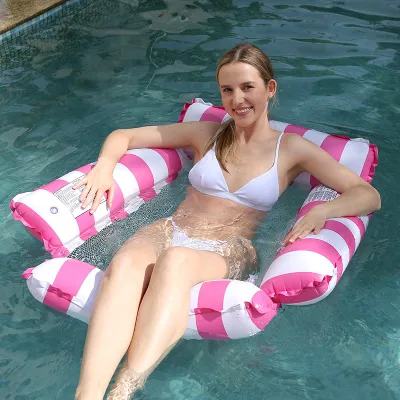
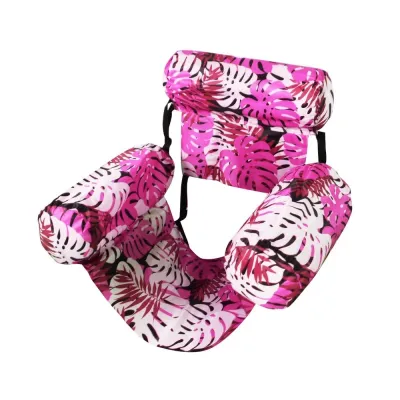
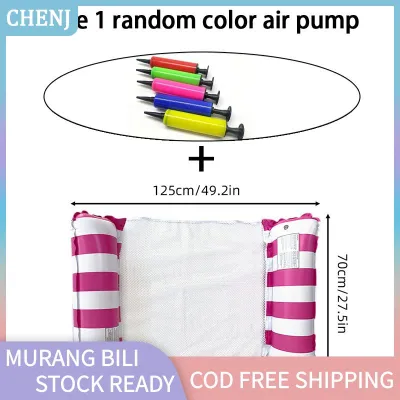
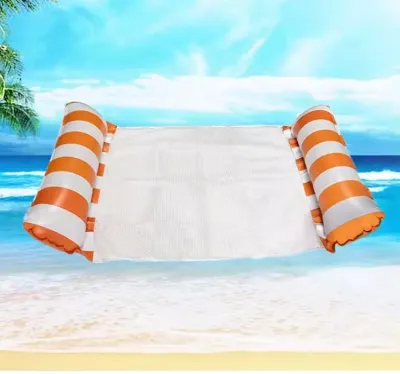
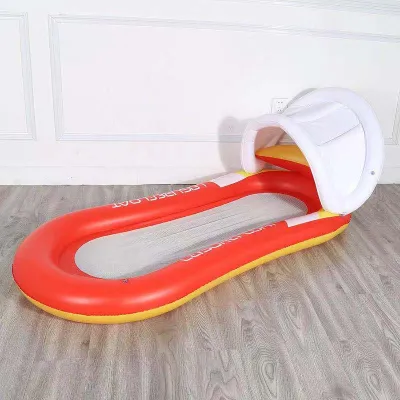
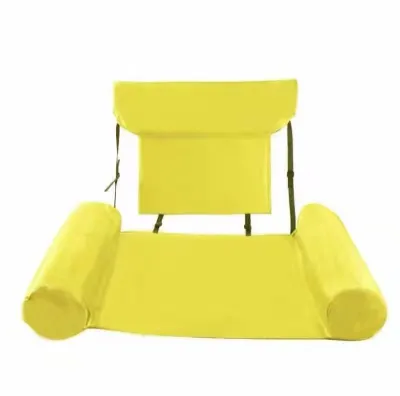
![[🇵🇭 Stock&COD] Floating Water Hammock Float Lounger Floating Toys Inflatable Floating Bed Chair Swimming Pool](https://img.lazcdn.com/g/p/3b682edaed1beb77c6ce984fc3af9b00.jpg_400x400q80.jpg_.webp)
Prices are valid at publication and may change. Please refer to the product page for the latest price.
Local weather conditions play a significant role in your choice of design. In tropical climates with intense sun exposure, a solid plastic surface can trap heat and feel uncomfortably hot against bare skin. Opting for a floating chair with a mesh-bottom seat allows cool pool water to circulate around your body, keeping you refreshed even during the hottest hours of the afternoon.
Verify Material Quality and Puncture Resistance
The longevity of an inflatable pool float depends almost entirely on its material composition. When evaluating options, look past generic marketing terms like “heavy-duty” and examine the actual material specifications on the product packaging or online listing. High-quality floating chairs typically feature thick polyvinyl chloride (PVC) or vinyl, with premium models utilizing fabric-wrapped exterior covers or heavy-duty tarpaulin bases.

Material thickness is often measured in millimeters or gauge. For reliable puncture resistance against pool tiles, concrete edges, and stray twigs, look for floats with a thickness of at least 0.25mm to 0.40mm. Fabric-covered inflatables offer an extra layer of defense, as the tough nylon or polyester sheath shields the inner inflatable bladder from direct physical impacts and abrasive surfaces.
Seam construction is another critical point of failure for inflatable water gear. Inspect the seams to ensure they are wide, heat-sealed, or RF-welded rather than simply glued together, as welded seams hold up much better under pressure and temperature fluctuations. Additionally, check if the manufacturer includes a dedicated repair patch kit in the box, which provides a quick, practical way to seal minor punctures and extend the life of your float.
Confirm Weight Capacity and Structural Stability
A floating chair must support your weight safely while maintaining a stable, upright position on the water’s surface. Always check the manufacturer’s stated maximum weight capacity and choose a model that offers a comfortable buffer above your actual weight. Underestimating this limit can cause the chair to sit too low in the water, compromising its buoyancy and making it difficult to stay dry.
Stability in the water is determined by the float’s physical shape and chamber design. Chairs with a wide, low-profile base and a low center of gravity are much less likely to tip over when you shift your weight or climb aboard. Look for models featuring independent dual-chamber or multi-chamber air structures; if one chamber suffers a slow leak, the remaining inflated sections will keep you afloat and stable.
Safe boarding and exiting require reliable physical touchpoints on the float itself. Sturdy, molded grab handles welded onto the sides of the chair provide essential leverage when you are climbing on from deep water. Some models also feature perimeter grab ropes or integrated D-rings, which allow you to tether the chair to the pool edge or connect multiple floats together for a social lounging setup.
Select Comfort and Convenience Add-Ons
The best floating chair is one that supports your body naturally during long hours of relaxation. Evaluate the ergonomics of the backrest and headrest, ensuring they provide sufficient neck and lumbar support. A high, contoured backrest allows you to sit upright comfortably to read a book or chat, while a gently sloped design is better suited for napping and sunbathing.
Convenience features can elevate your pool experience from pleasant to truly luxurious. Built-in cup holders are a standard addition, but their utility depends on depth and stability. Look for deep, molded cup holders with rigid walls that prevent tall tumblers or cans from tipping over when the water gets choppy from nearby activity.
For extended lounging sessions, consider specialized features that align with your routine. Some premium floating chairs include integrated zippered cooler compartments to keep extra beverages cold right at your side. Others feature adjustable, removable fabric sunshades that shield your face and shoulders from direct UV rays, reducing glare and heat buildup while you float.
Review Inflation Methods and Storage Practicality
Ease of setup and pack-down determines how often you will actually use your floating chair. Examine the valve types built into the inflatable chambers. Standard pinch valves are common on smaller, budget-friendly floats but can be slow to inflate and deflate. Larger, high-quality chairs often feature wide-mouth Boston valves, which allow rapid air intake and quick deflation when it is time to pack up.
Consider the inflation equipment you have on hand. While smaller chairs can be inflated by mouth or with a simple hand pump, larger multi-chamber loungers require a high-volume manual or electric air pump to inflate efficiently. Checking the valve compatibility beforehand ensures you will not need to purchase specialized adapters just to get your chair into the water.
Finally, assess the storage requirements of the deflated chair. A bulky, fabric-covered lounger takes up more space and holds more moisture than a simple vinyl float. Look for models that fold down into compact dimensions and include a breathable mesh storage bag, which allows any residual moisture to evaporate and prevents the material from sticking together during the off-season.
Frequently Asked Questions (FAQ)
Can I use an inflatable pool floating chair in the ocean or a lake?
Pool-specific floating chairs are designed for calm, controlled water environments and should not be used in open water bodies like the ocean or large lakes. Strong currents, sudden wind gusts, and tidal movements can easily sweep a lightweight pool float far from the shore. Additionally, natural water bodies contain hidden hazards such as sharp rocks, submerged branches, and barnacles that can easily puncture standard vinyl pool floats. If you plan to lounge in natural open water, look for heavy-duty lake lounges specifically rated for open-water use, and always wear a personal flotation device.
How do I properly clean and store the floating chair to prevent mold?
To prevent mold, mildew, and material degradation, always rinse your floating chair with clean, fresh water after each use to remove chlorine, salt, and sunscreen residues. Allow the chair to dry completely in a shaded, well-ventilated area before deflating it, as trapping moisture inside the folded material encourages mold growth. Once dry, deflate the chair fully and fold it loosely without creating sharp creases. Store the folded float in a cool, dry indoor space away from direct sunlight, extreme temperature fluctuations, and sharp household tools.
What should I do if the floating chair slowly loses air over time?
If your floating chair slowly loses pressure, start by checking the inflation valves to ensure they are free of sand, hair, or debris and are sealed tightly. If the valves are clear, inflate the chair fully and spray a mixture of mild dish soap and water over the surface; escaping air will create visible bubbles at the source of the leak. For minor punctures on flat vinyl surfaces, clean the area thoroughly, let it dry, and apply a patch from the included repair kit according to the manufacturer’s instructions. If the leak is located along a welded seam, avoid using temporary patches and contact the manufacturer to check for warranty coverage.
Community discussion
Share your experience or ask a question. Comments are reviewed before publication.