
Finding the right gear can make or break your training session, especially when navigating the heat and humidity of outdoor routes. A dedicated beltbag for runners is designed to carry your absolute essentials—like your phone, keys, and hydration gels—without shifting or causing discomfort as you move. Unlike casual waist bags, a proper running belt must balance secure stability with lightweight, breathable materials. Choosing the right one requires looking past generic marketing claims and focusing on specific design elements that match your body size, running style, and local climate.
Fit and Stability: Achieving a Bounce-Free Run
When you are moving at a steady pace, any loose gear will bounce, causing distraction and painful skin chafing. To prevent this, pay close attention to the belt’s construction and elasticity. Look for bands made from flexible materials like neoprene or high-quality spandex blends. These fabrics stretch to hug your waist snugly while absorbing the shock of high-impact movement. In contrast, rigid nylon webbing lacks give and can dig into your skin or loosen gradually as you run.
The adjustment mechanism is equally critical for maintaining stability. Opt for low-profile tension sliders or secure hook-and-loop fasteners that allow you to make micro-adjustments on the go. Heavy plastic buckles can press uncomfortably against your spine or hip bones, so look for flat, padded buckle designs. Additionally, consider how the bag distributes weight. A single, bulky front pouch is more prone to shifting than a multi-pocket layout or a tubular band design that distributes your items evenly around your entire waist.
Products mentioned in this guide
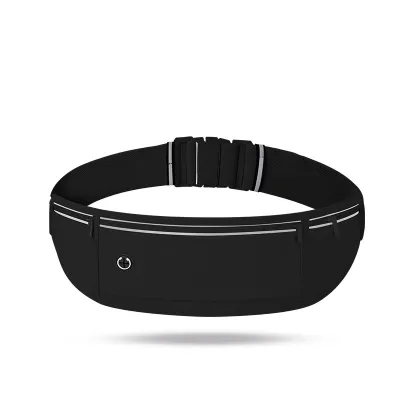
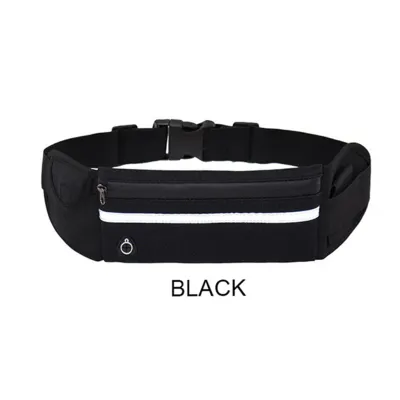

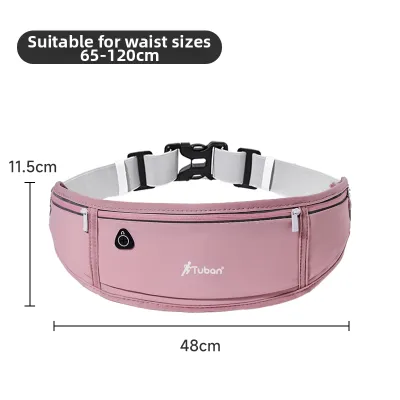
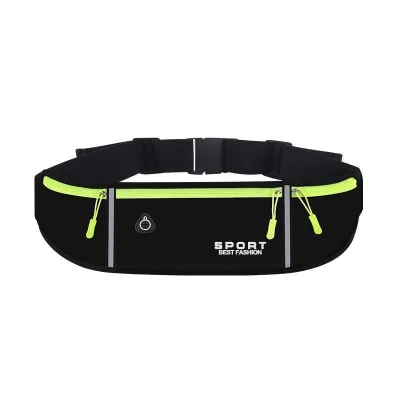

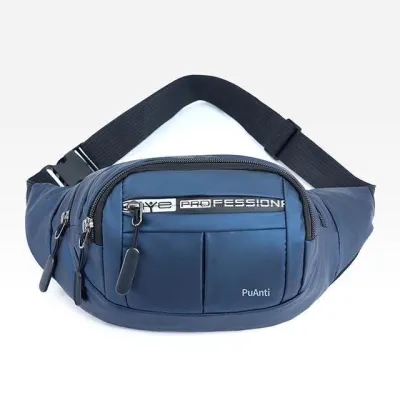
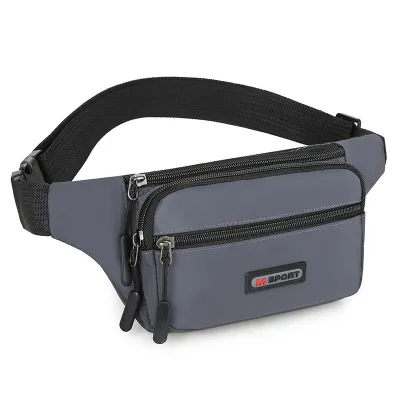
Prices are valid at publication and may change. Please refer to the product page for the latest price.
Storage Capacity and Accessibility for Phones and Essentials
A running belt should carry only what you truly need, keeping bulk to an absolute minimum. Before purchasing, verify the internal dimensions of the phone compartment against your specific device, including its protective case. Generic labels like “fits all large smartphones” are often unreliable, especially if you use a rugged or thick phone cover. A compartment that is too tight will be difficult to access mid-run, while one that is too loose will allow your phone to slide around.

Organization within the bag prevents damage and saves time. Look for designs with dedicated internal dividers or separate zippered zones. Keeping your keys, coins, or trail cards isolated from your phone screen prevents scratches and stops items from rattling. For accessibility, check the quality of the zippers. Look for durable, smooth-gliding zippers with oversized, textured pull tabs that you can easily grip with sweaty fingers or while moving. Water-resistant fabric flaps over the zipper tracks also help shield your items from sudden tropical downpours.
Sweat Resistance and Breathability for Tropical Climates
Running in warm, humid environments like the Philippines presents unique challenges for gear. Constant sweat can quickly saturate a poorly designed pack, transferring moisture to your electronics and causing skin irritation. When evaluating materials, check the product tags for moisture-wicking and quick-dry synthetic fabrics. These materials pull sweat away from your body and allow it to evaporate rapidly, keeping the pack lightweight throughout your session.
The back panel—the side that rests directly against your skin or shirt—is a key comfort factor. Look for a breathable mesh backing or a perforated foam design. This structure creates a small barrier that allows air to circulate, reducing heat buildup and minimizing the risk of friction-induced rashes. After long, sweaty runs, your belt bag will require frequent cleaning. Always verify the manufacturer’s care instructions; some materials lose their elasticity if machine-washed or dried on high heat, making gentle hand-washing and air-drying the safest route to preserve the belt’s fit.
Visibility and Safety Features for Low-Light Running
Whether you prefer early morning runs before the sun rises or evening sessions after work, visibility is a primary safety concern. When running near traffic or on shared paths, your gear should help make you visible to drivers and cyclists. Look for belt bags equipped with highly reflective strips, piping, or logos. For maximum safety, these reflective elements should be positioned on both the front and back of the belt to provide 360-degree visibility from different angles.
Beyond built-in reflective materials, check if the belt has attachment points for active safety gear. Small fabric loops, lash points, or integrated clips allow you to secure external LED safety lights or small carabiners. While bright, high-visibility colors like neon yellow or orange help with daytime visibility, they do not replace the need for reflective materials at night. Combining bright fabric colors with active reflective elements ensures you remain visible across all lighting conditions.
Features You Can Safely Ignore
To simplify your decision, learn to filter out unnecessary features that add cost and weight without improving your run. Avoid bags with excessive modular attachments, heavy metal D-rings, or thick tactical webbing. While these features might look durable, they add unnecessary weight and increase the likelihood of the belt bouncing and shifting during high-impact movement. Simple, streamlined designs are generally more practical for running.
Similarly, you can bypass overly complex security locks, heavy anti-theft cables, or combination zippers. These mechanisms make it difficult to quickly grab an energy gel or answer an urgent call while you are on the move. Finally, be skeptical of unverified “fully waterproof” claims. Unless a bag has a certified IP rating and fully welded, seam-sealed construction, it is safer to assume it is only water-resistant. For heavy rain, placing your phone in a simple zip-top plastic bag inside your belt pouch is a highly effective, low-cost solution.
Frequently Asked Questions (FAQ)
Can I use a regular waist pack instead of a dedicated running belt bag?
While a casual waist pack or bumbag can hold your items, it is generally unsuitable for running. Casual packs are typically made from heavy, non-breathable materials like canvas or thick nylon, which trap heat and sweat against your body. They also lack the elastic tension and snug, body-hugging fit required to prevent severe bouncing. Without a specialized, stable design, a casual pack will shift constantly, causing distraction, uneven weight distribution, and painful skin chafing during high-impact movement.
How tight should a running belt bag be?
A running belt bag should fit snugly around your waist or hips without restricting your breathing or movement. To find the correct tension, load the bag with your actual running gear—such as your phone and keys—and adjust the strap until it feels secure. It should be tight enough to remain in place when you jump or jog in place, but loose enough that you can slide two fingers comfortably under the band. Remember that your stomach expands naturally as you breathe heavily during exertion, so avoid over-tightening the belt.
Community discussion
Share your experience or ask a question. Comments are reviewed before publication.