
A dedicated home yoga bottle holder must prioritize three core features: a low center of gravity with a non-slip base to prevent tipping, an open-top or angled design for effortless one-handed access during transitions, and moisture-resistant materials that withstand high tropical humidity. Unlike generic storage solutions, a specialized holder ensures your hydration remains within arm’s reach without risking spills on your mat or flooring. By focusing on these structural and material specifications, you can maintain your physical flow and mental focus throughout your practice.
Why Your Yoga Space Needs a Dedicated Bottle Holder
Creating a serene home yoga sanctuary requires careful consideration of every element within your practice area. While many practitioners focus heavily on selecting the perfect mat or blocks, hydration placement is often an afterthought. Placing a water bottle directly on the floor might seem convenient, but it introduces subtle disruptions that can break your concentration. A dedicated bottle holder elevates your hydration setup, transforming a potential hazard into a seamless part of your wellness routine.
In a home environment, the risks of an unsecured water bottle are surprisingly high. During dynamic transitions, such as moving from Downward-Facing Dog to a low lunge, a stray foot or sweeping hand can easily knock over a freestanding bottle. If you practice on hardwood, laminate, or polished concrete floors common in tropical homes, a sudden spill can cause immediate damage. Water seeping into floor joints can lead to warping, bubbling, or mold growth, which is particularly challenging to remediate in humid climates.
Products mentioned in this guide
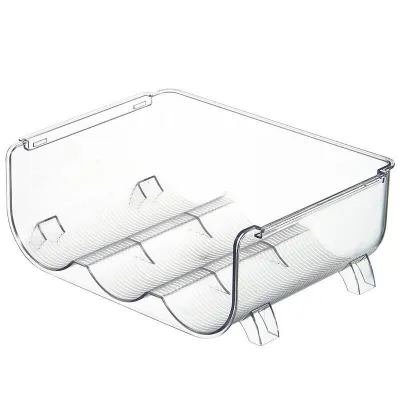
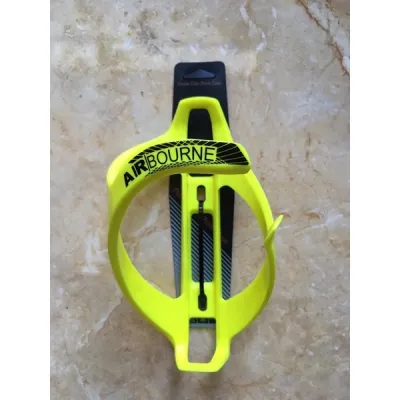
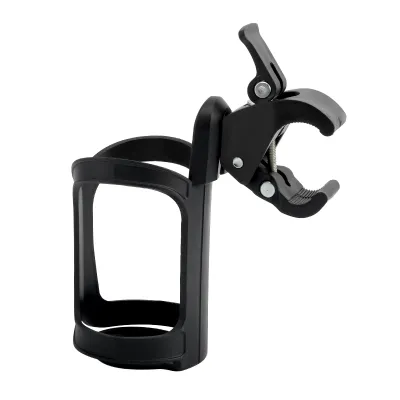
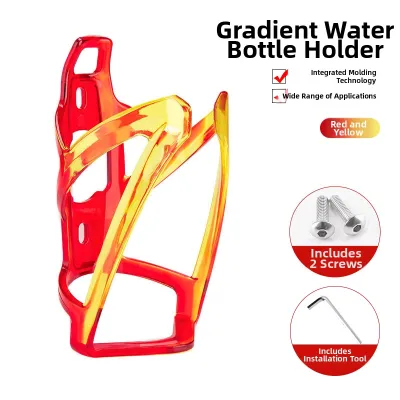
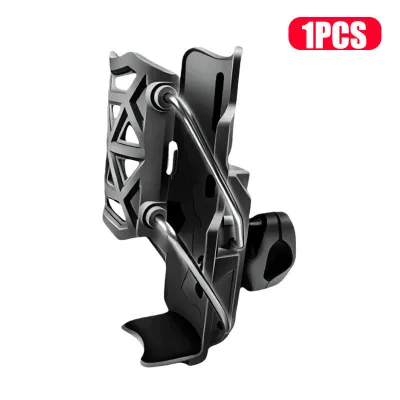
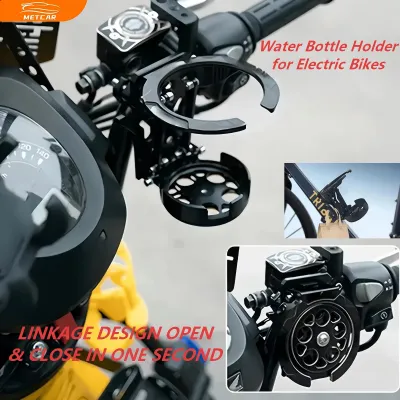
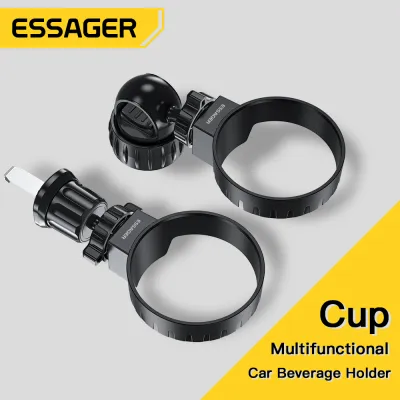
Prices are valid at publication and may change. Please refer to the product page for the latest price.
Beyond physical damage to your home, an unstable bottle disrupts your mental focus. Yoga is a practice of mindfulness and breath synchronization. The moment you hear a bottle clattering across the floor, your flow is broken, and your mind shifts from internal awareness to external damage control. A stable, designated holder keeps your water securely upright, allowing you to transition between poses with complete confidence and peace of mind.
Furthermore, establishing a designated hydration station helps define the boundaries of your practice space. When every prop and accessory has a specific, engineered home, your mind associates that space with structure and safety. A dedicated holder ensures that your water is always in the exact same spot, allowing you to reach for it instinctively without looking or disrupting your alignment.
Essential Features for Stability and Safety
When evaluating a bottle holder for home yoga, stability is the most critical safety factor. The physical movement inherent in yoga—especially active styles that involve wide stances and rapid shifts in weight—creates vibrations and air currents that can easily topple top-heavy items. To prevent accidental spills, you must examine the physical architecture of the holder, starting with its base width and footprint.

A reliable holder should feature a wide, weighted base that distributes the load evenly across the floor. Look for designs where the base diameter is significantly wider than the diameter of the bottle itself. This wide footprint lowers the overall center of gravity, making the unit highly resistant to tipping even if it is accidentally nudged by a stray foot or yoga strap. A low center of gravity is particularly vital because a full water bottle is heavy and inherently top-heavy; the holder must be engineered to counteract this weight distribution.
You should also perform a simple physical check of the tipping resistance when the holder is loaded. A high-quality stand will remain stable whether it holds a completely full, heavy stainless steel flask or an empty lightweight bottle. If the holder wobbles or tilts when you gently push the top of a loaded bottle, the base is insufficient for an active fitness environment.
The interface between the holder’s base and your flooring is another essential consideration. In the Philippines, home yoga spaces often feature tiled, polished concrete, or smooth wooden floors. A bare metal or hard plastic base will easily slide on these surfaces, creating a slipping hazard and potentially scratching your flooring. To prevent this, choose a holder equipped with non-slip silicone pads, rubberized feet, or a textured grip mechanism on the bottom.
These rubberized elements serve a dual purpose. First, they provide the necessary friction to keep the holder firmly anchored in place, even when placed on a slick tile floor. Second, they act as a protective buffer, preventing the holder from scratching delicate wood finishes or tearing the edges of your yoga mat if placed nearby. Before purchasing, verify that the non-slip pads are securely integrated into the design rather than cheaply glued on, as high humidity can degrade low-quality adhesives over time.
Accessibility and Placement During Flows
Accessibility is what separates a functional yoga bottle holder from a generic storage container. During a vigorous flow, you only have a few seconds between sequences to take a sip of water. If you have to struggle with a tight sleeve, unlatch a complex bracket, or bend down uncomfortably to reach the floor, you will likely skip hydrating altogether or disrupt your physical alignment.
The height of the holder plays a major role in how easily you can access your water. A floor-standing model that elevates the bottle slightly off the ground is ideal for floor-based practices, yin yoga, or restorative sessions. For standing flows or practices that utilize a yoga chair, a slightly taller freestanding stand or a holder that integrates seamlessly with your existing home setup is highly beneficial. The goal is to minimize the distance your hand must travel, allowing you to reach the bottle from a comfortable seated or kneeling position.
The entry mechanism of the holder is equally important. Open-top designs are generally the most effective for yoga because they allow for quick, vertical, one-handed insertion and removal. You should be able to lift the bottle out and slide it back in without needing to look down or use your second hand to steady the stand. Angled holders can also work well, provided the angle is optimized to prevent the bottle from slipping out under its own weight. Avoid holders with tight, spring-loaded clamps or complex locking collars, as these require too much manual dexterity during a sweaty practice.
Additionally, consider the physical footprint of the holder relative to your yoga mat. A standard yoga mat is approximately 24 inches wide and 68 to 72 inches long. Your bottle holder must be compact enough to sit comfortably alongside your mat without encroaching on your physical movement zone. A bulky, oversized stand will restrict your ability to step off the mat during wide-legged poses or lateral movements, defeating its purpose as a space-saving safety accessory.
Material and Hygiene Considerations
The environment of a home yoga space demands materials that are durable, hygienic, and resistant to moisture. Even during low-intensity practices, sweat, humidity, and condensation from cold water bottles will inevitably come into contact with your holder. In tropical climates like the Philippines, where relative humidity is consistently high, material selection is paramount to prevent premature degradation.
Rust resistance is a non-negotiable feature if you prefer metal holders. Untreated iron or low-grade steel will quickly develop rust when exposed to sweat and ambient moisture, leading to unsightly stains on your floor and structural weakness. Look for holders constructed from high-grade stainless steel, powder-coated aluminum, or heavy-duty, BPA-free plastics. Powder coating provides an excellent protective barrier that resists moisture, chipping, and corrosion, ensuring the holder remains visually appealing and structurally sound for years.
Hygiene is another critical factor. The holder should feature smooth, non-porous surfaces that do not harbor bacteria, mold, or mildew. Textured or fabric-lined holders can trap sweat, dust, and skin cells, creating a breeding ground for odors and microbes that are difficult to clean. A simple, streamlined design with minimal crevices allows you to wipe the entire unit clean in seconds.
Safety must also be designed into the material itself. Inspect the holder for any sharp edges, exposed screws, or rough welds. During a dynamic yoga session, you may occasionally brush against the holder with your bare feet or hands. Any sharp protrusions present a direct risk of cuts or scrapes. Choose a model with rounded corners, smooth joints, and recessed hardware to ensure a completely safe touch environment around your mat.
How to Evaluate Options Before Buying
Selecting the right bottle holder requires a systematic evaluation of your personal practice style, your existing gear, and your budget. Because there is no one-size-fits-all solution, matching the holder’s specifications to your specific routine will ensure long-term satisfaction and utility.
First, analyze your primary yoga style. If your practice consists mainly of gentle, restorative, or yin yoga, a lightweight, compact floor stand with basic stability features will likely suffice, as your movements are slow and controlled. However, if you practice high-energy vinyasa, power yoga, or hot yoga at home, you require a heavy-duty holder with an exceptionally wide base and robust non-slip grips to withstand the vibrations of active jumping transitions and heavy sweat.
Next, verify the dimensional compatibility of the holder with your favorite water bottles. Many practitioners use insulated stainless steel flasks, wide-mouth sports bottles, or large half-gallon jugs to stay hydrated. Measure the outer diameter of your primary bottle and compare it to the inner dimensions of the holder. A holder that is too narrow will be useless, while one that is too wide will allow the bottle to rattle and tilt, compromising stability. Ideally, look for a holder with an adjustable diameter or a flexible silicone sleeve that snugly accommodates various bottle sizes.
Finally, establish a realistic budget in Philippine Pesos (₱) and compare options on reputable online marketplaces. Basic floor-standing holders typically range from ₱300 to ₱800, while premium, weighted, or multi-functional stands can cost ₱1,200 or more. When browsing listings, do not rely solely on promotional images. Carefully read the product specifications, pay close attention to the listed weight and base dimensions, and check customer reviews for real-world feedback on stability and material durability in humid conditions.
Setting Up Your Hydration Station at Home
Once you have selected a suitable bottle holder, its physical placement within your home yoga space is crucial for maximizing safety and convenience. Proper positioning ensures that your water is easily accessible while remaining completely out of the path of your physical movements.
The safest location for your bottle holder is typically near the top third of your yoga mat, off to one side. This positioning places the bottle within easy reach of your hands when you are in a seated, kneeling, or prone position, without requiring you to twist your spine excessively. Ensure the holder is placed at least 12 to 18 inches away from the outer edge of the mat. This clearance zone prevents you from accidentally kicking or tripping over the stand when stepping off the mat during lateral lunges or standing balance poses.
You must also consider the broader room environment when positioning your hydration station. Avoid placing the holder directly beneath a ceiling fan or next to an open window where strong drafts could potentially tip a lightweight setup. Additionally, keep the holder clear of high-traffic walkways in your home to prevent family members or pets from bumping into it.
Finally, integrate your bottle holder logically with your other yoga accessories. Grouping your hydration station with your yoga blocks, straps, and towels creates a clean, organized “prop zone.” This keeps your practice area clutter-free, allowing you to focus entirely on your breath and movement without visual or physical distractions.
Frequently Asked Questions (FAQ)
Can I use a regular cup holder instead of a dedicated yoga bottle holder?
While it may be tempting to repurpose a generic automotive cup holder or a lightweight plastic clip-on holder, these options rarely provide the stability required for a yoga environment. Generic cup holders are often designed to be mounted to rigid surfaces like car doors or desks, and they lack the heavy, wide base necessary to stand independently on a floor. Using a narrow-based or unweighted holder during active physical transitions increases the risk of tipping, especially when holding heavy, insulated water bottles. A dedicated yoga bottle holder is specifically engineered with a low center of gravity and non-slip feet to remain upright during the dynamic movements of your practice.
How do I clean a bottle holder after a sweaty session?
To maintain hygiene and prolong the lifespan of your bottle holder, you should clean it regularly, especially after intense, sweaty sessions. Always check the manufacturer’s care label or product manual first, as specific finishes or materials may require specialized care. For standard metal, plastic, or powder-coated holders, start by wiping the surface with a clean, damp microfiber cloth to remove sweat residue. If necessary, use a mild, non-abrasive soap diluted in warm water to clean any stubborn spots. Avoid harsh chemical cleaners or abrasive scrubbing pads, which can scratch the protective coating. After cleaning, dry the holder thoroughly with a soft towel to prevent moisture buildup and rust, particularly in humid environments.
Community discussion
Share your experience or ask a question. Comments are reviewed before publication.