
Selecting a pedal bike for physical therapy or rehabilitation requires prioritizing joint safety, controlled movement, and customizable support over high-intensity fitness metrics. Unlike standard exercise bikes designed for cardiovascular conditioning or high-resistance training, a therapeutic pedal bike must accommodate limited mobility, reduced joint angles, and varying levels of muscle strength. The ideal equipment provides a highly stable base, low starting resistance, precise ergonomic adjustments, and secure foot placement to prevent secondary injuries.
Before beginning any home-based exercise program, it is essential to consult a licensed physical therapist or physician to establish safe movement boundaries. Equipment features cannot replace professional medical guidance, clinical training, or personalized rehabilitation plans. A healthcare professional can help you identify which specific specifications match your current stage of recovery and physical limitations.
Essential Stability and Safety Features
Physical rehabilitation often involves uneven muscle force, sudden spasms, or temporary loss of grip, making structural stability the most critical factor when evaluating a therapy bike. A wide, heavy-gauge steel footprint prevents the unit from rocking or tipping sideways when a user applies unequal pressure to one side. Look for rubberized, non-slip end caps or adjustable leveling feet that grip the floor securely, especially on smooth tile or polished wood surfaces common in tropical homes.
Products mentioned in this guide
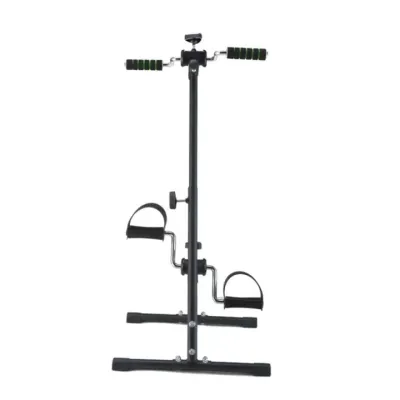
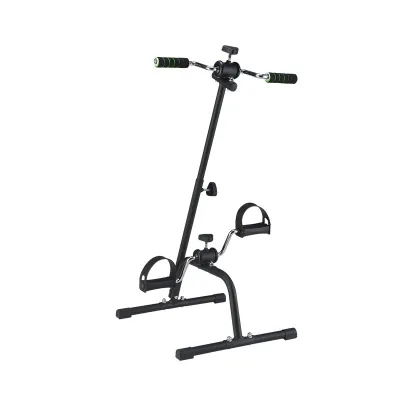
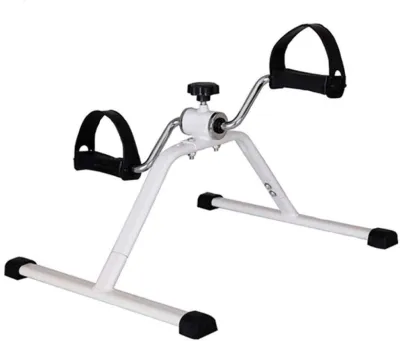
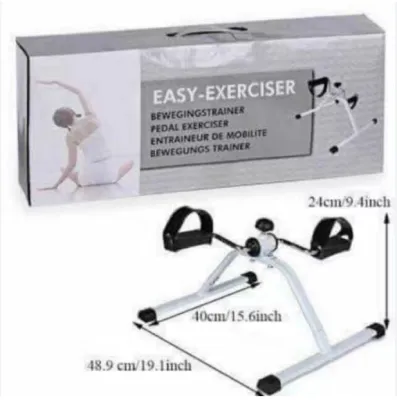
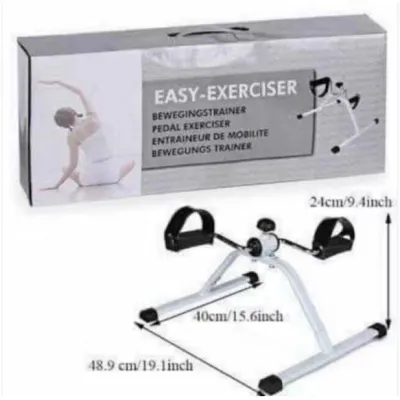
Prices are valid at publication and may change. Please refer to the product page for the latest price.
If the unit is a compact tabletop or under-desk pedal exerciser, verify that it includes a physical tether strap to anchor the device directly to your chair. This prevents the machine from sliding forward during use, which can disrupt your pedaling rhythm and strain healing joints. Heavy-duty rubber mats placed underneath the unit can also provide additional grip and protect your flooring from scratches.
Securing the feet is equally vital to prevent slips that could strain healing ligaments or joints. High-quality therapy pedals feature wide, adjustable straps with multiple positioning slots or heavy-duty hook-and-loop fasteners to accommodate swollen joints, bandages, or orthopedic shoes. The straps should hold the midfoot firmly against the pedal surface without restricting circulation or creating uncomfortable pressure points.
For users with severe foot drop or limited ankle control, look for pedals that accept specialized calf support braces or deep-heel cups to keep the entire lower leg aligned. These accessories prevent the foot from slipping sideways or backward, ensuring that the knee and ankle joints move through a safe, linear path during every rotation.
Safety mechanisms must be easily accessible from the active exercise position. For motorized or active-assist pedal bikes, verify the presence of an immediate emergency stop button or an automatic motor-cutoff sensor that triggers if a muscle spasm or sudden resistance spike occurs. Mechanical models should feature a quick-release tension knob or a low-inertia flywheel that stops spinning the moment the user stops applying force, protecting vulnerable knees and hips from being forced through an uncontrolled range of motion.
Adjustability and Ergonomic Design
Proper joint alignment is necessary to avoid aggravating existing injuries or creating compensatory strain in other parts of the body. A therapy bike must offer highly adjustable seating configurations to maintain safe knee flexion and hip angles, which typically should not exceed limits prescribed by your therapist. Look for a seat that adjusts not only vertically but also horizontally (fore and aft) to ensure the user does not have to reach excessively or bend the knees past a comfortable 90-degree angle at the top of the pedal stroke.

For individuals recovering from stroke, spinal injuries, or major surgeries, weak core strength or lower back pain can make sitting upright difficult. In these cases, a supportive backrest with contoured lumbar cushioning is essential to distribute body weight evenly and reduce spinal pressure. Evaluate models that offer adjustable backrest angles, allowing the user to semi-recline to open up the hip angle, which is particularly beneficial for those recovering from total hip replacements.
Upper-body ergonomics are just as important, even when the primary focus is lower-limb rehabilitation. Handlebars should feature multi-position grips with thick, high-density foam padding to minimize pressure on arthritic wrists or weak shoulders. Verify that the handlebars can be adjusted closer to the seat so the user can maintain an upright, relaxed posture without leaning forward or straining the neck.
If the bike is a dual-use model with hand pedals, ensure the upper crank arm adjusts independently to match the user’s shoulder width and reach. This prevents unnatural shoulder elevation or wrist twisting during upper-body exercises. Look for models that allow you to adjust the height of the upper console so that both sitting and standing users can maintain a neutral spine.
Resistance Mechanisms and Pedaling Modes
The type of drive and resistance system determines how smoothly the bike operates and how well it can adapt to different stages of physical recovery. Manual magnetic resistance systems are highly recommended for therapy because they provide a smooth, silent, and frictionless pedaling feel without sudden jerks or catching points. When evaluating magnetic models, verify that the lowest resistance setting is exceptionally light—ideally close to zero resistance—allowing users with severe muscle atrophy or joint stiffness to initiate movement without straining.
Motorized active-assist modes are invaluable for early-stage rehabilitation, particularly for individuals recovering from neurological conditions or stroke. These systems use an electric motor to gently rotate the pedals for the user, promoting passive circulation, reducing spasticity, and maintaining joint mobility without requiring active muscle exertion. As strength improves, the user can transition to active pedaling, where the motor assists only when the user’s effort drops below a set threshold, before finally moving to fully manual resistance.
Bidirectional pedaling capability is another essential feature to look for in a rehabilitation bike. The ability to pedal both forward and backward allows users to target different muscle groups—such as isolating the hamstrings and glutes during backward pedaling versus the quadriceps during forward pedaling—while promoting balanced joint mechanics. Ensure the transition between forward and backward motion is seamless and does not require manual disassembly or adjustment of the drive belt.
Comparing Pedal Bike Types for Rehabilitation
Selecting the right frame configuration depends heavily on the user’s current mobility level, balance, and specific rehabilitation goals. Recumbent therapy bikes feature a low-slung, step-through frame that allows users to slide easily onto a wide, chair-like seat without lifting their legs high over a center bar. This design minimizes joint pressure on the lower back and hips while eliminating the balance requirements of an upright bike, making it suitable for seniors or those with significant mobility limitations.
Upright therapy bikes, by contrast, mimic standard road bicycles but feature modified geometry to support a more comfortable posture. These models require greater core engagement and balance, making them more appropriate for late-stage rehabilitation, athletic recovery, or individuals looking to rebuild functional balance alongside lower-limb strength. However, they can be more challenging to mount and dismount, which may pose a safety risk for users with severe balance impairments.
For comprehensive rehabilitation, dual-use arm and leg pedal bikes feature both foot pedals and hand cranks, allowing for simultaneous or independent upper- and lower-body workouts. This configuration is excellent for cardiovascular conditioning, coordination training, and upper-body rehabilitation following shoulder or rotator cuff injuries. Motorized mini-pedal exercisers represent a highly portable, space-saving alternative that can be placed on a tabletop for arm exercises or on the floor in front of an existing, supportive chair, though they lack the integrated back support of full-sized recumbent models.
The following table outlines the key differences between these common therapy bike configurations to help guide your selection:
| Bike Type | Ideal User Profile | Space Requirements | Primary Therapy Focus |
|---|---|---|---|
| Recumbent Bike | Low mobility, back pain, balance issues | Large floor footprint | Low-impact joint mobility, lower-body strength |
| Upright Bike | Moderate mobility, balance recovery, athletes | Medium floor footprint | Core engagement, functional balance, leg strength |
| Dual-Use Bike | Full-body rehab, stroke recovery, coordination | Medium to large footprint | Upper and lower limb coordination, cardio |
| Mini-Pedal Exerciser | Limited space, tabletop use, mild rehab | Very compact, portable | Targeted joint movement, light active-assist |
How to Build Your Therapy Bike Shortlist
To narrow down your choices and select the safest, most effective pedal bike for your home rehabilitation program, follow a structured verification process. First, cross-reference your physical therapist’s specific recommendations—such as maximum knee flexion angles, required resistance levels, and session durations—with the manufacturer’s specification sheets. Never assume a standard fitness bike will meet these clinical parameters; look for explicit mentions of low-impact design, step-through frames, or therapeutic certifications.
Next, carefully measure the designated exercise area in your home, keeping in mind that tropical climates like the Philippines require adequate ventilation and airflow around the user. Ensure there is at least one meter of clear space on all sides of the bike for safe mounting and dismounting, especially if the user relies on a walker or wheelchair. If you are purchasing a motorized active-assist model, verify the proximity of a grounded electrical outlet to avoid running hazardous extension cords across high-traffic walkways.
Finally, review the practical ownership details before making a purchase on any local online marketplace or specialty medical supply store. Check the maximum weight capacity limits to ensure structural safety, and carefully read the warranty terms, focusing on frame and motor coverage. Because high humidity in the Philippines can accelerate wear on electronic components and metal parts, verify if the seller offers local after-sales maintenance channels, spare parts availability, and home delivery or assembly services to ensure long-term reliability.
Frequently Asked Questions (FAQ)
Can I use a standard stationary bike for physical therapy?
While standard stationary bikes are excellent for general fitness, they are often unsuitable and potentially unsafe for physical therapy or early-stage rehabilitation. Standard models typically feature high-inertia flywheels designed to maintain momentum, which can force a healing joint to rotate even if the user experiences sudden pain or a muscle spasm. Additionally, standard fitness bikes often have high minimum resistance levels that can strain weak muscles, and their high-step frames can make mounting and dismounting difficult or dangerous for individuals with limited hip or knee mobility.
How do I clean and maintain the pedal straps and seat?
Maintaining proper hygiene and equipment integrity is crucial, especially in humid tropical environments where sweat and moisture can degrade materials quickly. Wipe down vinyl or leather seats and backrests after every session using a soft cloth dampened with a mild, non-abrasive soap solution or manufacturer-approved sanitizing wipes; avoid harsh chemical solvents that can crack the material. Regularly inspect the pedal straps, checking velcro strips for lint buildup, plastic buckles for hairline cracks, and rubber straps for signs of dry rot or tearing, replacing any worn components immediately to prevent failure during use.
Community discussion
Share your experience or ask a question. Comments are reviewed before publication.