
A reliable quick dry towel is a fundamental accessory for any golfer, acting as the primary tool to keep hands dry, grips tacky, and club faces clean. To perform effectively on the course, a golf towel must offer more than basic absorbency; it requires a specialized combination of durable material, a practical weave, secure attachment options, and optimal dimensions. In tropical playing conditions, where high humidity, morning dew, and sudden afternoon downpours are common, these features become even more critical to keep your equipment functioning at its best.
Selecting the right towel involves understanding how different textures interact with dirt and delicate club finishes, as well as how the towel attaches to your bag. Rather than choosing a generic gym towel, looking for golf-specific features ensures that your towel remains clean, accessible, and highly functional throughout your round. By focusing on key specifications and practical designs, you can find a towel that matches your playing style, gear setup, and local course conditions.
Material and Weave: How Texture Affects Cleaning and Absorbency
The material and weave of a quick dry towel dictate how well it absorbs moisture and how effectively it removes debris from your equipment. Standard microfiber towels feature a flat, tightly woven surface that is highly efficient at absorbing water and sweat. This makes them excellent for wiping down wet grips or drying your hands before a shot. However, flat microfiber can struggle to dislodge packed mud or sand from the deep grooves of your irons.
Products mentioned in this guide
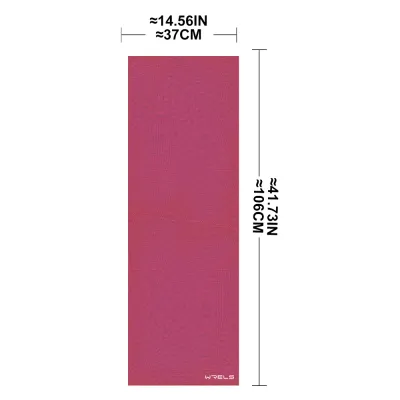
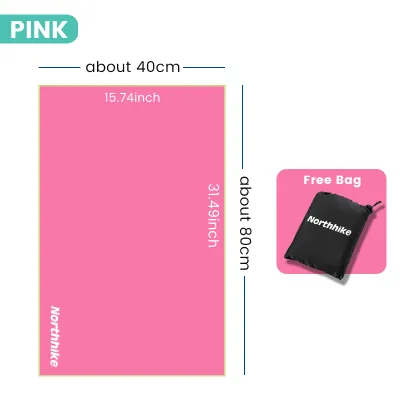
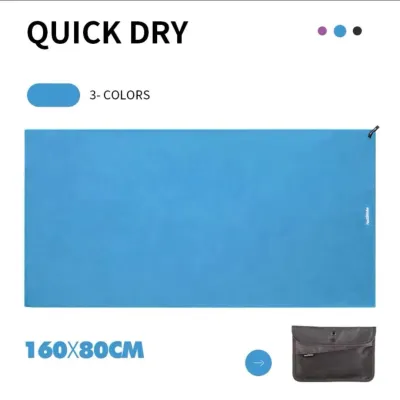
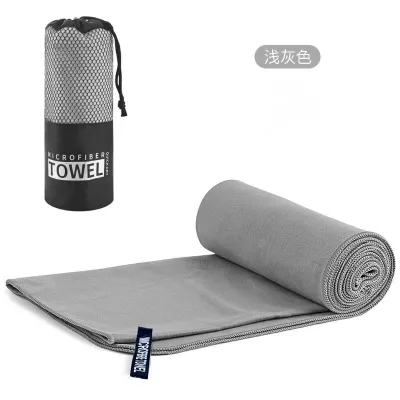
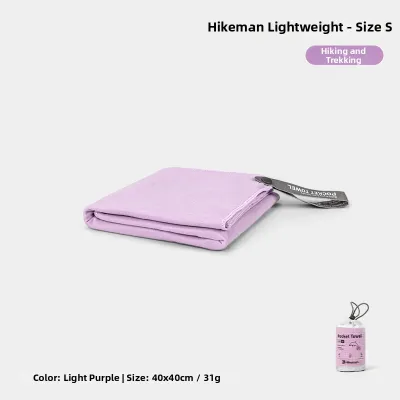
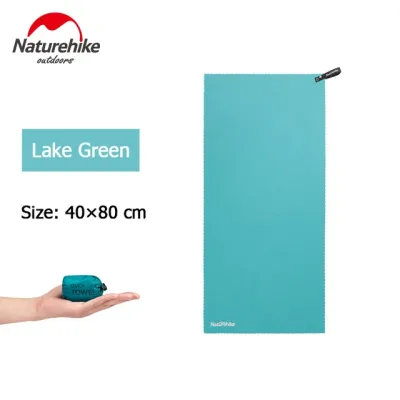
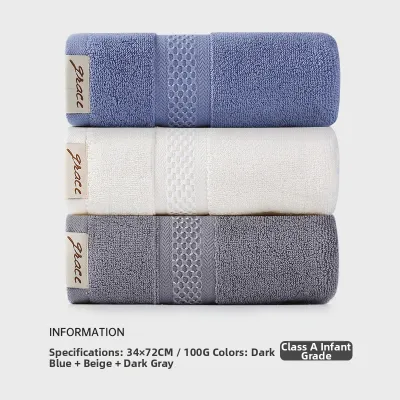
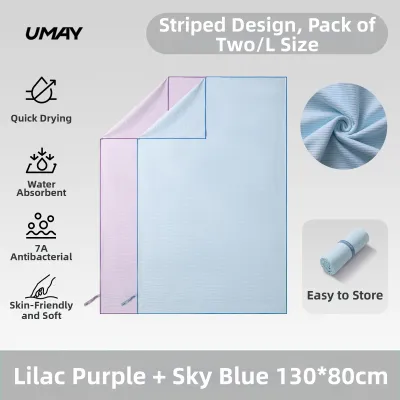
Prices are valid at publication and may change. Please refer to the product page for the latest price.
For superior cleaning power, a waffle-weave pattern is highly recommended for golf. The recessed square pockets of a waffle weave act as miniature scrubbers, easily lifting dried mud, grass clippings, and sand from club faces without requiring excessive scrubbing. This textured surface area also increases the overall surface exposure of the fabric, allowing it to dry much faster than flat-woven alternatives in humid environments.
Fiber pile height is another critical factor that influences drying speed and cleanliness. Low-pile towels have short, tight fibers that dry rapidly and are highly resistant to trapping loose grass, twigs, or soil. High-pile towels feel softer to the touch but tend to act like a magnet for course debris, which can then be dragged across your clubs during subsequent wipes.
Before purchasing, always check the manufacturer care labels and material descriptions to ensure the texture is safe for delicate club finishes. While quality microfiber is generally non-abrasive, trapped grit within a dirty towel can cause micro-scratches on raw face wedges, forged irons, or matte black driver crowns. Choosing a low-pile waffle weave helps minimize this risk by keeping debris on the surface where it can be easily shaken off.
Dimensions and Shape: Balancing Coverage and Bag Clearance
Finding the right size for a golf towel requires balancing the need for clean surface area with the physical constraints of your golf bag. Standard rectangular towels offer a large surface area but can be bulky and heavy when wet. If a towel is too large, it may drag on the ground or get caught in the wheels of your pushcart, collecting dirt and moisture from the turf.

Tri-fold and bi-fold designs offer an elegant solution to this problem. These towels feature a built-in grommet or attachment point in the top center, allowing the fabric to fold neatly into thirds or halves. This design maximizes the usable clean surface area while keeping the hanging width narrow, preventing the towel from flapping excessively in the wind or tangling with your clubs as you pull them from the bag.
To ensure proper bag clearance, measure the distance from your bag’s accessory ring to the ground or cart base. A practical hanging length should keep the bottom of the towel at least 15 to 20 centimeters above the grass. This clearance prevents the towel from soaking up morning dew or muddy water when you set your stand bag down on the fairway.
Overall weight and thickness also influence how the towel behaves during play. Thick, plush towels hold a massive amount of water, but they dry slowly, especially in high-humidity tropical conditions. A lightweight to medium-thickness quick dry towel strikes the best balance, providing enough absorbency to handle a wet round while drying quickly enough between holes to prevent musty odors.
Attachment Systems: Keeping the Towel Off the Ground
How your towel attaches to your bag or cart determines how easy it is to use during a round. A secure attachment system prevents the towel from falling off during transit or when driving over bumpy fairways. The most common attachment options include metal carabiners, magnetic connectors, and center slits.
Metal carabiners and heavy-duty plastic clips offer the most secure and durable connection. They easily snap onto bag rings, towel loops, or cart frames, ensuring the towel stays put even in high winds. The main trade-off is that they can be slow to detach if you prefer to carry your towel to the green to clean your ball or dry your putter grip.
Magnetic attachments have become increasingly popular due to their convenience on motorized golf carts. These systems use a powerful magnet sewn into the towel or attached via a clip, allowing you to easily snap the towel onto the metal frame of a cart or even the face of an iron. When considering a magnetic towel, verify the magnet’s strength and ensure your cart’s frame is made of magnetic steel rather than non-magnetic aluminum or plastic.
Center slits and metal grommets offer a classic, versatile alternative. A center slit allows you to slide the towel directly over the grip of an iron or alignment stick sitting in your bag. This style is simple and reliable, though it lacks the secure locking mechanism of a carabiner. Metal grommets provide a reinforced, durable hole that allows you to use your own custom clips, lanyards, or straps.
Functional Add-ons: Evaluating Pockets, Scrubbers, and Dual Sides
Many modern golf towels come equipped with secondary features designed to add utility on the course. Built-in pockets are sometimes included to hold tees, ball markers, or divot repair tools. While convenient in theory, these pockets can add unnecessary bulk, and items run a high risk of slipping out during a vigorous swing or when driving over rough terrain.
Integrated silicone pads or stiff nylon bristle scrubbers are another common add-on, designed to clean stubborn dirt out of club grooves. If you choose a towel with these features, verify that the scrubber component is either removable or rated safe for machine washing. Stiff, non-removable scrubbers can damage the microfiber fabric or your washing machine drum during a cleaning cycle.
Dual-texture designs feature a rough, scrub-heavy side and a smooth, absorbent side. This separation is highly practical for on-course use. You can use the rough side exclusively for muddy club heads, ball faces, and cart wheels, while reserving the smooth side for drying your hands and grips. This dual-zone approach prevents cross-contaminating your clean grips with abrasive sand or mud.
Overhyped Specs: What You Can Safely Ignore
When shopping for a quick dry towel, it is easy to get caught up in marketing terms and specifications that do not significantly impact real-world performance. One such specification is extreme GSM (grams per square meter). While a high GSM value is highly desirable for plush, thick bath towels, it is counterproductive for golf. A high-GSM towel is heavy, bulky, and slow to dry; a moderate GSM of 200 to 300 is ideal for portability and rapid drying.
Unverified “antimicrobial” or “odor-blocking” chemical treatments are also common marketing claims. In reality, these chemical coatings often wash out after a few laundry cycles. Rather than paying a premium for these claims, rely on proper washing habits and the natural quick-drying properties of quality microfiber to prevent mold and unpleasant odors.
Finally, complex patterns, oversized branded logos, and excessive color variations do not improve cleaning performance. While aesthetics are a matter of personal preference, they should not drive your purchasing decision. Focus on material quality, weave, and attachment functionality to get the best value, with prices typically ranging from budget-friendly options under ₱300 to premium utility packages over ₱1,200.
Frequently Asked Questions (FAQ)
Can I use a regular gym quick dry towel for golf?
Yes, but it is not ideal. Gym towels usually lack secure attachment systems like carabiners or grommets, meaning you will have to stuff them into a pocket or drape them loosely over your clubs, risking loss. Furthermore, gym towels often feature a flat, smooth weave optimized for sweat, which lacks the scrubbing power needed to lift packed mud and grass out of deep club grooves.
How do I wash and maintain a microfiber golf towel?
To maintain the absorbency and performance of your quick dry towel, wash it in cold or warm water with a mild detergent. Avoid using fabric softeners or bleach, as these chemicals coat the microfiber polyester-polyamide fibers, drastically reducing their water absorption and quick-drying capabilities. Always check the manufacturer’s care label before washing, and air-dry the towel or tumble dry on low heat to prevent melting the synthetic fibers.
Community discussion
Share your experience or ask a question. Comments are reviewed before publication.