
To protect your essentials during the Philippine rainy season, a waterproof running belt bag must feature a verified waterproof rating (such as IPX4 for light rain or IPX6 for heavy downpours), heat-sealed or welded seams rather than standard stitching, and a highly secure, water-resistant closure like an aquaguard zipper or roll-top design. Additionally, it must incorporate breathable, quick-drying backing materials to handle intense tropical humidity and sweat, alongside high-visibility reflective elements for safety during dark, overcast downpours. While high-quality gear is essential for wet-weather training, it is important to remember that equipment cannot replace personal judgment; runners should always assess weather severity, traffic visibility, and road conditions before heading out into a storm.
Understanding the Tropical Climate Challenge
During the monsoon season in the Philippines, weather conditions can shift rapidly from a light drizzle to a torrential downpour within minutes. This extreme variability makes it crucial to understand the difference between water-resistant and fully waterproof gear. Water-resistant fabrics are typically treated with a light coating that repels brief, minor moisture but will quickly saturate and leak when subjected to sustained, heavy rain. If you are caught in a sudden habagat downpour, a water-resistant pouch will likely fail to protect your belongings.
For runners, the threat is twofold: external precipitation from the sky and internal moisture from sweat. In high-humidity environments, your body cannot cool itself efficiently through evaporation, leading to excessive sweating. A running belt that blocks rain from the outside but traps sweat on the inside can still ruin your electronics and saturate your paper currency. Therefore, the ideal gear must address both moisture sources simultaneously.
Products mentioned in this guide
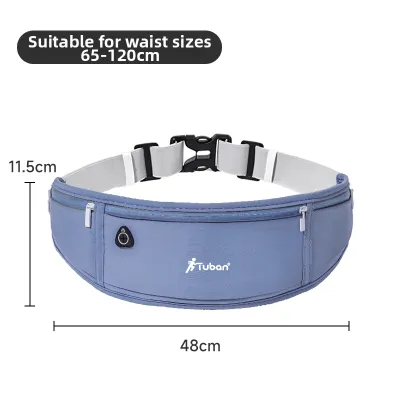
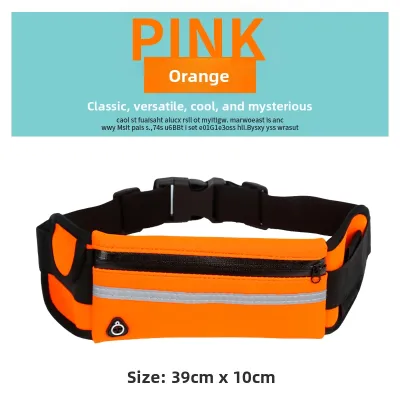
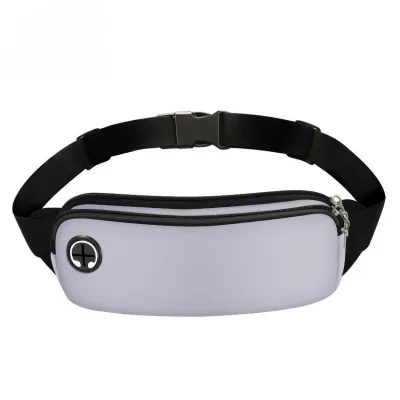
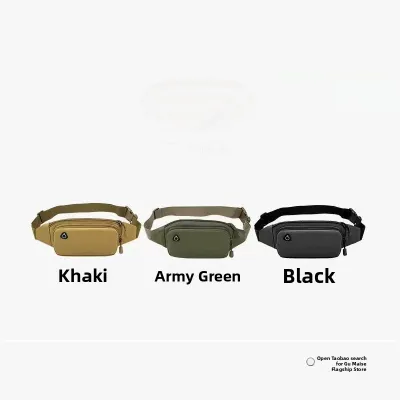
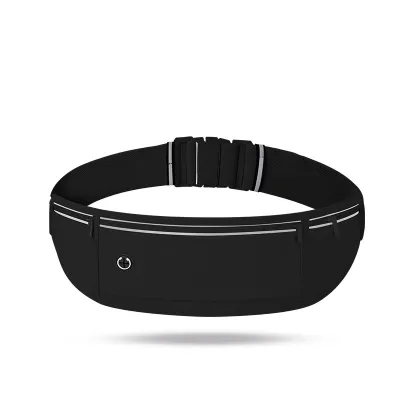
Prices are valid at publication and may change. Please refer to the product page for the latest price.
Moisture damage to modern smartphones and electronic key fobs can be costly and irreversible. When selecting a running belt, you must look past generic marketing claims and carefully inspect the manufacturer’s technical specifications. Verifying the exact level of protection promised on the product label is the first step in safeguarding your valuables. Never assume a bag is waterproof simply because it is marketed for outdoor use.
Essential Waterproofing Features to Look For
To ensure your running belt can withstand a tropical downpour, you should look for specific technical standards on the packaging or product specifications. Manufacturers often use the International Protection (IP) marking system to rate water resistance. An IPX rating of IPX4 indicates protection against splashing water from any direction, which may suffice for light rain, while ratings of IPX6 or higher indicate protection against powerful water jets, making them far more suitable for heavy monsoon conditions. Always check the product documentation to verify these ratings before making a purchase.

Beyond the fabric itself, the construction of the seams is a critical failure point. Standard running belts are assembled using traditional stitching, which punctures the fabric thousands of times and leaves tiny holes where water can easily seep through under pressure. High-performance waterproof belts utilize welded, heat-sealed, or taped seams that fuse the fabric panels together, creating a continuous, impenetrable barrier against moisture. Inspect the interior seams of the bag to confirm they are reinforced with waterproof tape.
The closure mechanism of the belt bag is another vital area to evaluate. Many waterproof belts feature specialized water-resistant zippers, often referred to as aquaguard or polyurethane-coated zippers, which feature rubberized lips that seal together when closed. Alternatively, some heavy-duty designs employ a roll-top closure similar to outdoor dry bags, which eliminates zippers entirely and provides a highly reliable seal, though it may require slightly more time to open and close during a run. Choose the closure style that best matches your need for quick access versus maximum water protection.
Design Elements for High Humidity and Comfort
In the tropical heat of the Philippines, a completely non-breathable waterproof barrier resting directly against your waist can quickly cause severe skin irritation and chafing. To prevent this, look for running belts that feature a dual-layer design: a fully waterproof outer compartment paired with a breathable, moisture-wicking mesh back panel. This mesh layer allows air to circulate and helps channel sweat away from your skin, reducing friction as you move. A comfortable backing ensures that your focus remains on your running form rather than physical discomfort.
The strap and buckle system must also be designed to perform under wet conditions. Standard elastic straps can absorb water, becoming heavy, saggy, and prone to slipping or bouncing with every stride. Opt for adjustable, high-density nylon or treated elastic straps that resist water absorption, paired with secure, low-profile tension buckles that lock firmly into place even when coated in rainwater and sweat. A secure fit prevents the belt from shifting and causing painful chafing during long-distance runs.
Rainy season afternoons and mornings are frequently characterized by dark, overcast skies and reduced visibility, which increases the risk of traffic accidents. It is essential to choose a running belt bag equipped with highly visible reflective strips, piping, or logos. These elements help ensure that drivers and motorcyclists can spot you from a distance through rain-streaked windshields and low-light conditions. Never rely solely on your gear for safety; always run against traffic and remain highly alert to your surroundings.
Evaluating Capacity and Accessibility in Wet Conditions
When selecting a waterproof running belt, you must balance the level of water protection against how easily you need to access your items mid-run. Roll-top dry bag designs offer excellent protection against heavy downpours, but they can be cumbersome if you frequently need to retrieve your phone to check a route or take a call. Zippered pouches offer much faster, one-handed access but rely heavily on the integrity of the zipper seal, making them slightly more vulnerable during prolonged exposure to torrential rain. Consider your typical running route and how often you actually need to access your gear before deciding.
The physical size and capacity of the belt bag should match your specific gear without creating excessive bulk. Carrying a large smartphone, keys, and emergency cash adds weight, which can cause the belt to bounce uncomfortably if the fit is not perfectly snug. Look for streamlined, low-profile designs that stretch slightly or have dedicated compression features to keep the load stabilized close to your center of gravity. A bouncing belt not only distracts you but can also accelerate wear and tear on the strap adjustments.
Additionally, inspect the internal layout of the belt bag to ensure your items do not compromise the waterproof barrier. Sharp objects like house keys or car keys can easily puncture or scratch delicate inner waterproof coatings or membranes over time. Choosing a belt with dedicated internal compartments, key clips, or separate sleeves will keep your keys isolated from your phone and protect the integrity of the waterproof lining. Taking this simple precaution can significantly extend the lifespan of your gear.
Care and Maintenance After Wet Runs
Proper post-run care is essential to preserve the waterproof properties of your running belt and prevent the buildup of unpleasant odors and mold. After running in the rain, your belt will likely be coated in a mixture of sweat, body oils, and road grime or mud. Always rinse the belt thoroughly with cool, clean tap water after every wet run, paying close attention to the zipper tracks to wash away any salt crystals or grit that could degrade the sealing mechanism. Avoid using harsh detergents or bleach, which can strip away protective coatings.
Once rinsed, the belt must be dried correctly to avoid damaging the specialized waterproof membranes or coatings. Avoid using automated dryers, radiators, or leaving the belt in direct, intense tropical sunlight, as excessive heat can warp plastic buckles, melt seam tape, and crack waterproof linings. Instead, hang the belt open in a well-ventilated, shaded indoor area and allow it to air-dry completely before storing it away. Proper drying also prevents the growth of mildew, which thrives in warm, humid environments.
Over time, even the most durable waterproof coatings will begin to wear down from friction, sweat exposure, and washing. Regularly inspect your running belt for visual and tactile signs of degradation, such as peeling interior linings, a sticky texture on the fabric, persistent musty odors, or a loss of flexibility in the material. If you notice water beginning to seep through previously dry areas during your runs, it is a clear indication that the protective barrier has broken down and the bag needs to be replaced.
Frequently Asked Questions (FAQ)
Can I use a standard water-resistant pouch for heavy tropical rain?
Standard water-resistant pouches are generally designed to withstand light, brief drizzles or minor sweat, but they are highly likely to fail during sustained, heavy tropical downpours. Under the pressure of a monsoon rain, water will quickly penetrate the non-sealed seams and standard zippers of these pouches, potentially damaging your electronics. For peace of mind during the rainy season, it is highly recommended to verify the manufacturer’s specifications and choose a bag explicitly rated for heavy spray or wet weather conditions.
How do I test if my running belt is truly waterproof before a long run?
You can safely verify the waterproof integrity of your running belt at home by performing a simple dry-tissue test. Place a dry piece of paper towel or tissue inside the main compartment of the belt, seal it completely according to the manufacturer’s instructions, and place it under a running shower head or tap for a few minutes. Afterward, dry the exterior of the bag thoroughly before opening it to inspect the tissue; if the tissue remains completely dry, your belt’s seals and fabric are functioning correctly. Do not submerge the bag completely unless the manufacturer explicitly states it is rated for full submersion.
Community discussion
Share your experience or ask a question. Comments are reviewed before publication.