
Selecting the right women belt bag for running is one of the most impactful gear decisions you can make to improve your training comfort. When you are logging kilometers on the road or trail, a poorly designed bag quickly becomes a major distraction, forcing you to constantly adjust your stride or pull at your waist. To find a bag that truly supports your performance, you must prioritize three essential pillars: a secure phone fit, reliable bounce prevention, and high-performance sweat resistance.
Investing in a specialized running belt ensures that your essential items—such as your smartphone, keys, hydration, and nutrition—remain safe and accessible without compromising your running form. Unlike casual waist packs designed for walking, technical running belts are engineered to withstand the vigorous, repetitive vertical oscillations of your stride. By focusing on ergonomic design and advanced materials, you can select a belt bag that disappears on your body, allowing you to focus entirely on your pace, breathing, and distance.
Why the Right Belt Bag Matters for Your Run
Running places unique physical demands on your body, and any gear you wear must accommodate these high-velocity movements. A casual waist bag or an ill-fitting belt will shift with every step, altering your natural biomechanics as you unconsciously adjust your posture to stabilize the load. This subtle shift in your running form can lead to premature fatigue, muscle imbalances, and an inefficient stride over longer distances.
Products mentioned in this guide
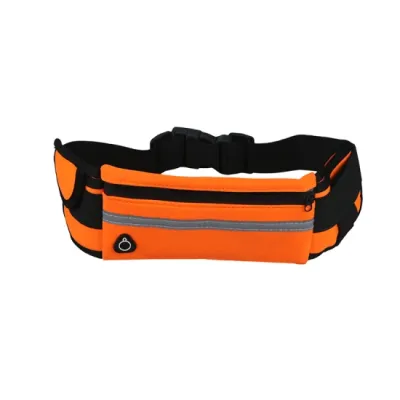
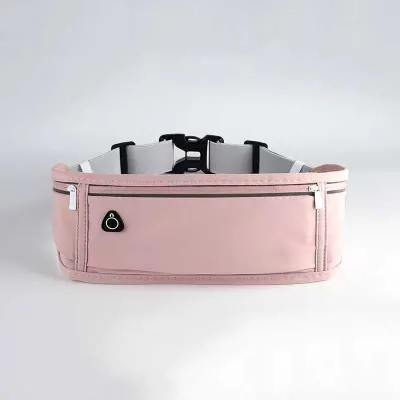
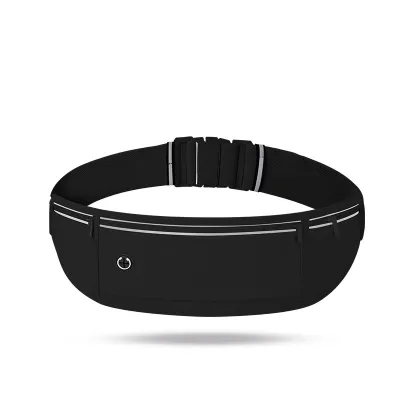
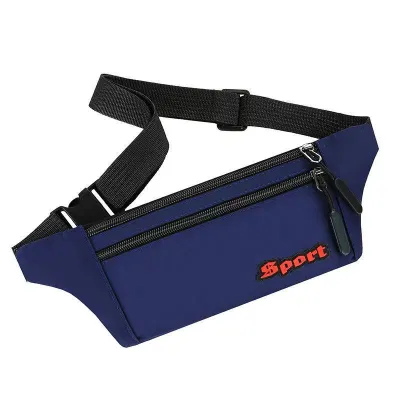
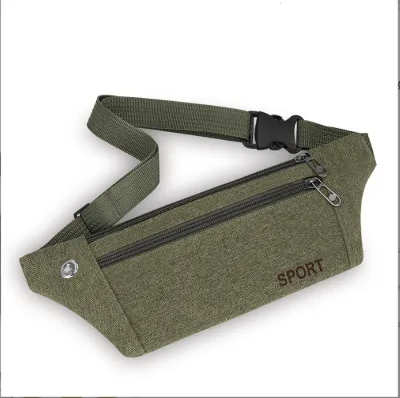
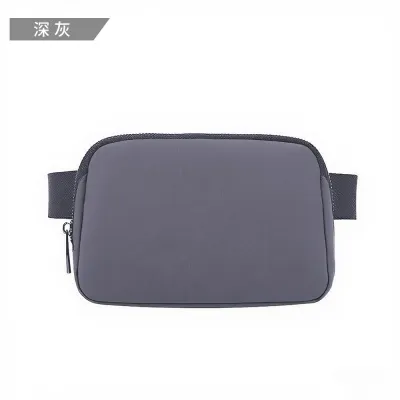
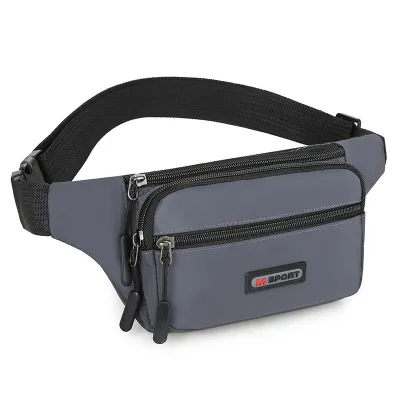
Prices are valid at publication and may change. Please refer to the product page for the latest price.
Friction is another critical consequence of using the wrong gear. Standard fashion waist bags often feature coarse nylon straps, heavy plastic buckles, and protruding seams that rub against your skin or technical apparel. Over several kilometers, this continuous friction causes painful skin chafing and can ruin expensive running shirts. Technical running belts are designed with flatlock seams, soft-bound edges, and moisture-wicking fabrics specifically to eliminate these friction points.
Furthermore, the structural difference between casual waist packs and performance running belts is significant. Casual bags are typically designed to hang loosely from the waist or drape across the chest, relying on gravity to hold them in place. In contrast, a technical running belt utilizes compression, strategic weight distribution, and high-stretch materials to hug your torso tightly. This secure fit ensures the bag moves in perfect synchronization with your pelvis rather than fighting against your natural momentum.
Core Features to Evaluate Before Buying
To find a running belt that meets your specific needs, you must look beyond aesthetic appeal and examine the technical specifications of each model. Evaluating these core features systematically will help you select a bag that performs reliably under real-world training conditions.

Phone Fit and Screen Accessibility
Your smartphone is often the heaviest and most valuable item you carry on a run, making its secure storage a top priority. Before purchasing a belt bag, you must measure your phone’s physical dimensions—including its protective case—and compare these measurements against the manufacturer’s stated pocket capacity. Relying solely on the phone’s screen size (such as 6.1 or 6.7 inches) can be misleading, as rugged cases add significant thickness and height that can prevent the zipper from closing smoothly.
When evaluating pocket styles, you will generally choose between dedicated zippered phone sleeves and open-top stretch pockets. Zippered sleeves offer maximum security and weather protection, ensuring your device cannot slip out even during steep trail descents or dynamic warm-ups. Open-top stretch pockets, on the other hand, allow for faster retrieval if you need to take a quick photo or answer an emergency call, though they rely entirely on the fabric’s elastic tension to keep the phone in place.
If you prefer to interact with your screen during your run, look for bags featuring a clear, touchscreen-compatible window. However, you must verify the responsiveness of these windows on the product’s specification label, as thick plastic can sometimes interfere with modern haptic feedback or biometric sensors. Additionally, check for dedicated, reinforced cord ports if you use wired headphones, which prevent water from seeping into the main compartment while keeping your cable organized and tangle-free.
Bounce Prevention and Fit Adjustability
To eliminate the annoying up-and-down movement of your gear, you must understand how a belt bag achieves its stability. Continuous stretch fabrics, often made from high-grade elastane blends, slip over your feet or head and sit flat against your hips like a second skin. While these tubular designs offer exceptional comfort and zero bounce when lightly loaded, they can sag or stretch out over time if overloaded with heavy items.
Adjustable buckle systems utilize woven straps and locking tension sliders to provide a highly customizable, secure fit. These systems allow you to tighten the belt precisely to match your clothing layers, though they require careful adjustment to prevent the plastic hardware from digging into your sides. For the best of both worlds, look for a belt that combines a wide, elasticized band with a low-profile, micro-adjustable buckle that distributes tension evenly.
Weight distribution is equally critical in minimizing the pendulum effect during your stride. A belt bag with a wide back panel—measuring at least 8 to 10 centimeters—will distribute the weight of your items across a larger surface area on your lower back or upper glutes. When packing your bag, always place your heaviest item, typically your phone, in the center pocket closest to your spine to keep the center of gravity aligned with your body’s natural pivot point.
Sweat Resistance and Breathability
Running in tropical climates, such as the intense heat and high humidity of the Philippines, demands superior moisture management. You must distinguish between water-resistant outer shells, which use durable water repellent (DWR) coatings or TPU backings to block external moisture, and moisture-wicking inner linings. While the outer shell keeps sudden afternoon downpours from soaking your gear, the inner lining is responsible for pulling sweat away from your skin to prevent heat rash and chafing.
Always check the manufacturer’s care labels and material specifications for verified moisture-management claims rather than relying on generic marketing terms. High-quality running belts typically feature a multi-layer construction: a soft, hydrophobic mesh against your skin, a middle waterproof barrier to protect your electronics from sweat, and a lightweight nylon or polyester face fabric. Avoid cheap neoprene bags that lack ventilation, as they trap body heat and can cause localized overheating.
To maximize comfort during long, humid training runs, look for belts designed with perforated panels or open-cell mesh backing. These structural elements promote continuous airflow between your skin and the bag, allowing sweat to evaporate quickly. This ventilation not only keeps you cooler but also prevents the belt from absorbing excessive water weight, which can cause the fabric to stretch out and slip down your hips mid-run.
Storage Capacity and Secure Organization
An effective running belt bag must balance a streamlined, low-profile silhouette with smart organizational features. Look for internal dividers or dedicated compartments that allow you to separate your smartphone from abrasive items like house keys, loose coins, or trail tools. A dedicated internal key clip is an invaluable safety feature, ensuring your keys remain anchored inside the bag even when you zip the pocket open to grab an energy gel.
If you are training for half-marathons or full marathons, your storage needs will extend beyond a phone and keys. Look for specialized external features such as elasticized gel loops, which hold nutrition packets securely on the outside of the belt for instant access. Some advanced models also include integrated, low-profile bungee cords or trekking pole attachments, allowing you to carry lightweight layers or gear without adding bulk to your main pockets.
Finally, pay close attention to the quality of the hardware used on the bag. Zippers should operate smoothly with one hand and feature oversized, textured pull-tabs or cord loops that are easy to grip with sweaty fingers or while wearing gloves. Self-locking zippers are highly recommended, as they prevent the pocket from slowly sliding open under the vibration of your running stride.
Common Running Belt Bag Styles Compared
Understanding the structural differences between the primary styles of running belts will help you choose the form factor that best aligns with your training volume and personal preferences.
- Tube-Style Belts: These are seamless, circular bands of high-stretch fabric that you pull up over your legs to sit on your waist or hips. They feature multiple slit openings around the perimeter, allowing you to slide items flat against your body. Because they lack buckles and zippers, they offer a completely flush, zero-bounce profile that is virtually invisible under a running shirt. They are ideal for minimalists carrying only a phone, keys, and cash, but retrieving items while running requires some practice.
- Zippered Pouch Belts: Featuring a traditional pouch design with an adjustable elastic strap and a plastic buckle, these belts are highly versatile and easy to put on. The pouch itself is often made of pleated or expandable fabric that remains low-profile when empty but stretches to accommodate bulkier items. They offer quick, direct access to your gear via a central zipper, making them a practical choice for daily training runs. However, they must be tightened securely to prevent the single pouch from bouncing when fully loaded.
- Multi-Pocket/Modular Belts: Designed for long-distance endurance runners and trail athletes, these belts feature multiple structured pockets distributed evenly around the entire waist. They often incorporate dedicated sleeves for soft hydration flasks, integrated race bib toggles, and external gear loops. By spreading the weight of your water, nutrition, and safety gear 360 degrees around your pelvis, these belts minimize bounce and reduce lower back strain during multi-hour efforts.
To help you decide which style fits your current training regimen, consider this quick reference guide:
- Short Tempo Runs (3–8 km): Tube-style belts are highly recommended for their lightweight, distraction-free fit when you only need to carry a phone and a single key.
- Daily Distance Runs (10–15 km): Zippered pouch belts offer the perfect balance of quick access and storage for a phone, keys, and a couple of energy gels.
- Long-Distance & Trail Training (15+ km): Multi-pocket or modular belts are essential for carrying mandatory gear, hydration flasks, and ample nutrition safely.
How to Measure and Test for the Perfect Fit
To ensure your running belt performs flawlessly, you must take accurate measurements and conduct a thorough fitting test before heading out on the road.
First, use a flexible measuring tape to measure your torso at two distinct points: your natural waist (just above your belly button) and the widest part of your hips. Running belts are designed to be worn at different heights depending on your body shape and personal comfort. Some runners prefer the belt to sit high on the waist to allow for unrestricted leg movement, while others find that wearing it low on the hips provides better stability and prevents the belt from riding up.
Once you have selected a size based on the manufacturer’s sizing chart, perform a realistic loading test at home. Pack the belt bag with the exact items you plan to carry on your typical runs—such as your phone, keys, and any nutrition. Testing a belt while it is empty will not give you an accurate representation of how it handles weight, as the added mass completely changes the tension and stretch dynamics of the fabric.
With the loaded belt on, perform a quick “shake-out” test in your living room. Run in place for thirty seconds, do ten high-intensity jumping jacks, and perform a few high-knee steps. Pay close attention to any movement: if the belt slides upward toward your ribs, sags downward over your glutes, or if the plastic buckle pinches your skin, the size or tension needs adjustment.
Finally, fine-tune the strap tension to find the balance between security and comfort. The belt should be snug enough to remain completely stationary during your movements, but it must not restrict your breathing. Take several deep, diaphragmatic breaths; if you feel the belt restricting your lower abdomen or chest expansion, loosen it slightly. The ideal fit should feel supportive without compressing your internal organs or restricting your natural stride.
Care and Maintenance for Longevity
Technical running gear is an investment, and proper maintenance is required to preserve the elasticity, zipper functionality, and technical coatings of your belt bag over time.
After every run, especially in hot and humid conditions, you should empty the bag completely, turn it inside out, and hang it in a well-ventilated area to air-dry. Allowing sweat to dry inside a closed bag leads to rapid bacterial growth, stubborn odors, and the gradual breakdown of polyurethane waterproof coatings. Never leave a damp running belt crumpled up in a dark gym bag or the trunk of your car.
When it comes to washing, hand washing is the safest and most effective method for preserving elastic fibers like spandex and elastane. Fill a basin with cool water, add a small amount of mild, sports-specific liquid detergent, and gently knead the fabric. Rinse thoroughly with clean, cold water to remove all soap residue, which can clog breathable mesh fabrics and trap odors if left behind.
If the manufacturer’s care label permits machine washing, always place the running belt inside a mesh laundry bag first. This prevents the elastic straps from tangling around the washing machine agitator and protects the plastic buckles and metal zippers from chipping or breaking. Use a gentle cycle with cold water, and strictly avoid using fabric softeners, which leave a chemical coating that destroys the fabric’s moisture-wicking capabilities and breaks down elastic fibers.
Lastly, always air-dry your running belt by laying it flat or hanging it up away from direct sunlight. The high heat of a tumble dryer will warp plastic components, melt waterproof linings, and permanently damage the elasticity of the band, leading to sagging. Periodically check the zippers and velcro closures, using a soft toothbrush to clear out any accumulated lint, salt crystals, or trail debris to ensure smooth, reliable operation.
Frequently Asked Questions (FAQ)
Should I wear my running belt bag over or under my shirt?
Wearing your running belt over your shirt is generally recommended for daily training because it provides immediate, unobstructed access to your phone, nutrition, and keys. This placement also protects your skin from direct contact with the belt’s edges, minimizing the risk of chafing, and prevents your body oils and concentrated sweat from soaking directly into the bag’s fabric. However, you must ensure your running shirt fits well; loose or lightweight shirts can bunch up under the belt, requiring occasional adjustment.
Conversely, wearing the belt under your shirt offers a highly streamlined, aerodynamic profile and keeps your gear completely hidden from view, which can be useful for race days or running in crowded urban areas. The major drawback to this method is that retrieving items like your phone or energy gels mid-run requires pulling up your shirt, which can disrupt your running rhythm. If you choose to wear your belt directly against your skin, ensure the bag is made from ultra-soft, seamless, and highly breathable materials to prevent friction burns.
Can I put my running belt bag in the washing machine?
You must always consult the manufacturer’s care label sewn inside the bag before attempting to machine wash it, as some high-performance materials require strict hand-washing. If the label indicates that machine washing is safe, you should always place the belt inside a protective mesh laundry bag to prevent the straps from wrapping around other clothes or the machine’s drum. Use a mild liquid detergent, select a gentle cycle, and use cold water to protect the synthetic fibers and waterproof membranes.
Never put your running belt in a mechanical dryer, as the intense heat will melt the delicate elastane fibers, destroy the elasticity of the waistband, and delaminate any internal water-resistant coatings. Instead, reshape the bag while damp and hang it to air-dry in a shaded, well-ventilated area. Additionally, ensure all zippers are zipped shut and velcro straps are fastened before washing to prevent them from snagging on the mesh bag or the belt’s own fabric.
Community discussion
Share your experience or ask a question. Comments are reviewed before publication.