
Selecting the right sport towel for golf is a decision that directly impacts your performance and comfort on the course. A high-quality towel does far more than simply wipe away sweat; it keeps your hands dry for a consistent grip, clears debris from your club faces to preserve spin control, and maintains your equipment throughout a four-hour round. To find the perfect match, you must look beyond basic aesthetics and evaluate technical specifications like material composition, weave patterns, attachment systems, and climate compatibility.
Understanding how different fabrics behave under pressure is the first step toward making an informed purchase. By focusing on the physical characteristics of the towel, you can ensure it performs reliably from the first tee to the final green. Whether you are navigating a dusty fairway or managing moisture during a humid morning, the right gear keeps your equipment clean and your hands ready for every swing.
Core Materials and Absorbency for Golf Towels
The base fabric of your sport towel determines how much moisture it can hold and how quickly it will dry during a round. Microfiber is the industry standard for modern golf towels due to its synthetic construction, typically consisting of a polyester and polyamide blend. Polyamide provides the absorbing power, while polyester gives the fabric its structure and quick-drying properties. When inspecting a towel, look at the care label for a blend ratio; an 80/20 or 70/30 polyester-to-polyamide split offers an excellent balance of durability and water retention.
Products mentioned in this guide
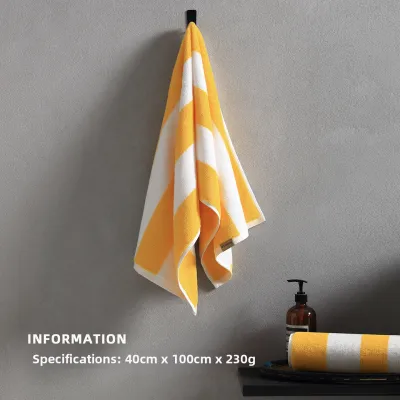
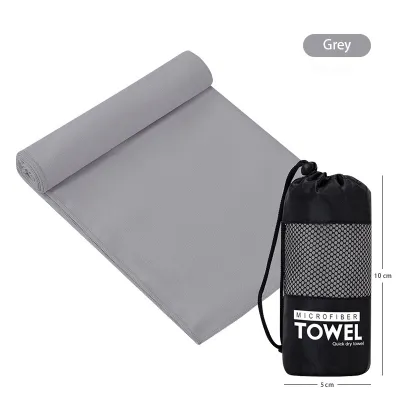
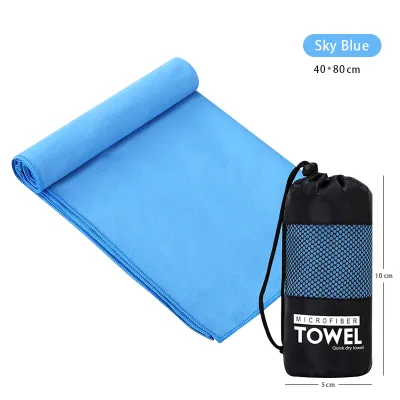
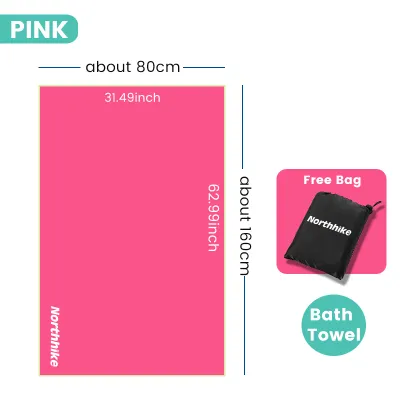
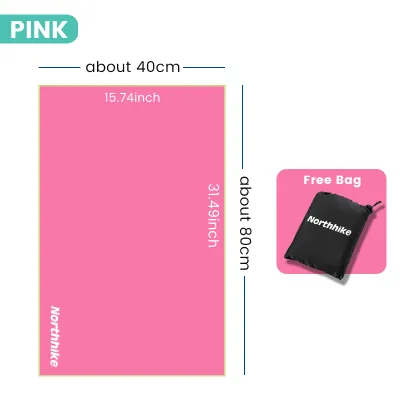
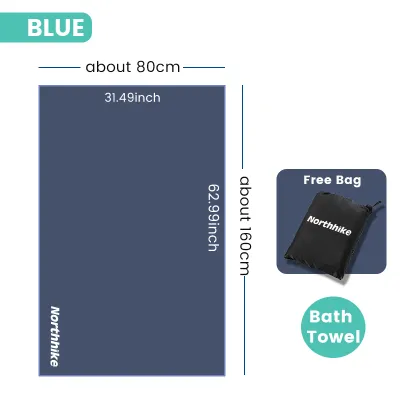
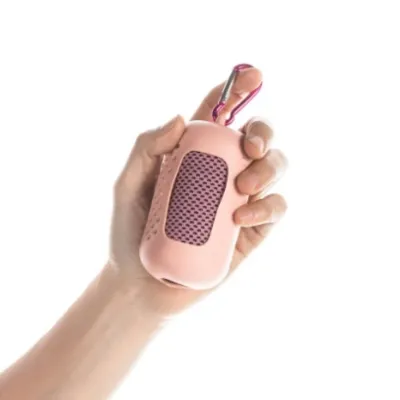
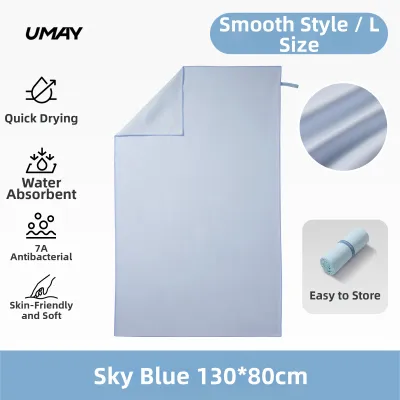
Prices are valid at publication and may change. Please refer to the product page for the latest price.
Cotton remains a popular alternative for players who prefer a classic, heavy feel. While cotton is highly absorbent and soft to the touch, it holds onto water much longer than synthetic fibers. In wet or highly humid conditions, a cotton towel can quickly become waterlogged, heavy, and slow to dry, which can lead to a musty odor if left in your golf bag. Blended fabrics attempt to bridge this gap, combining the soft feel of cotton with the faster drying times of synthetic polyester.
To gauge the moisture capacity of a towel before buying, check the weight and thickness indicators on the product packaging. Fabric weight is measured in grams per square meter (GSM). For golf, a towel with a rating between 300 and 400 GSM is generally ideal. This range provides enough thickness to absorb significant sweat and water without becoming overly bulky or taking too long to dry. Towels with a GSM below 200 are often too thin to clean clubs effectively, while those above 500 can become excessively heavy when wet.
Proper care is essential to maintain the absorbency of these materials over time. Microfiber towels are prone to trapping oils and dirt within their tiny fibers, which can lead to odor retention if they are not washed correctly. Always check the care instructions, as washing microfiber with fabric softeners will coat the synthetic fibers in a thin silicone layer, drastically reducing their ability to absorb water. Cotton towels are less sensitive to softeners but are far more susceptible to shrinkage and fiber degradation when exposed to high heat in the dryer.
Texture and Weave: Cleaning Clubs vs. Drying Hands
The surface texture of a golf towel dictates its cleaning efficiency and safety on different surfaces. A waffle weave is highly recommended for golf because it features a recessed matrix of small squares. This unique pattern acts like miniature scrapers, lifting mud, sand, and grass clippings out of club grooves without scratching the delicate finish of the metal. The increased surface area of a waffle weave also allows the towel to hold more dirt away from the fabric surface, preventing you from smearing mud back onto your equipment.

For players who frequently encounter heavy clay or dried-on mud, some towels feature specialized scrubber textures. These designs often incorporate a small, coarse patch made of heavy-duty nylon mesh or a rougher woven material on one corner of the towel. This section is designed specifically for scraping stubborn debris out of club grooves and off shoe spikes. However, these abrasive scrubbers should be kept away from delicate items like rangefinder lenses, touchscreens, or high-gloss club crowns to avoid micro-scratches.
Smooth microfiber or plush terry cloth textures are better suited for drying your hands, face, and grips. Using a rough waffle weave or a dirty scrubber on your hands can cause irritation over a long round, while a smooth surface quickly lifts moisture away from your skin. To get the best of both worlds, look for dual-sided designs. These towels feature a coarse waffle weave or scrubber pattern on one side for heavy-duty club cleaning, and a soft, plush microfiber on the reverse side for personal use.
Another critical factor to verify is whether the towel is lint-free. Cheaply made cotton towels often shed tiny fibers, especially during their first few uses. If these loose fibers transfer to your rubber club grips, they can create a slick barrier that reduces friction and causes your hands to slip during a swing. High-quality microfiber towels are inherently lint-free because the synthetic filaments are continuous, ensuring your grips remain tacky and secure throughout your game.
Size, Shape, and Attachment Options for Your Bag
Golf towels come in several shapes and sizes, each offering distinct advantages depending on how you navigate the course. Standard rectangular towels are highly versatile and provide a large surface area, making them ideal for players who want to keep one end wet for cleaning and the other end dry for wiping hands. Tri-fold towels are folded into three vertical panels and secured at the top with a grommet. This design keeps the towel compact, prevents it from dragging on the ground, and hides the dirty inner panels from view.
Caddie towels are much larger, often measuring up to 40 inches in length. These are designed to be draped over the top of your clubs, allowing quick access from either side of the bag. While caddie towels offer maximum coverage, they are best suited for players who use a pushcart or ride in a golf cart, as their length can make them cumbersome to carry on a standard stand bag. When choosing a size, consider your carrying method to ensure the towel does not interfere with your legs or the bag’s stand mechanism.
How the towel attaches to your bag is just as important as its size. Carabiner clips are the most common mechanism, offering a secure connection to your bag’s accessory ring. However, they can be slow to detach if you want to take the towel with you to the green. Magnetic attachment systems have become increasingly popular, utilizing a powerful magnet sewn into the fabric or a magnetic clip that attaches to your bag or cart frame. This allows you to easily detach the towel to clean your ball on the green and pick it up using your club head without bending down.
Before making a purchase, perform a compatibility check with your current golf bag and cart setup. If you choose a towel with a reinforced metal grommet, ensure your bag has a suitable hook or D-ring to accommodate it. For magnetic towels, verify that the magnet is strong enough to hold the towel secure when driving a golf cart over bumpy terrain. A towel that constantly falls off or drags on the ground will quickly accumulate dirt and become more of a hassle than a help.
Matching Towel Features to Your Playing Conditions
Your local climate and playing habits should heavily influence the specific features you prioritize when buying a sport towel. In hot, humid tropical environments, such as those found in the Philippines, sweat management is a constant challenge. High humidity prevents moisture from evaporating quickly, meaning a towel that dries slowly will remain damp and heavy throughout your round. In these conditions, prioritize lightweight, highly breathable microfiber towels with a lower GSM (around 300) that dry rapidly in the breeze.
Conversely, if you play in drier, dustier conditions, your primary concern will be dust collection and static. Microfiber naturally attracts dust due to static electricity, which can be a disadvantage in dry climates. In these areas, a cotton-blend towel may perform better as it does not static-cling to dust particles as easily, keeping your clubs cleaner. Additionally, look for towels with built-in UV resistance to prevent the fabric from degrading and fading under intense, direct sunlight over consecutive seasons.
Durability and colorfastness are critical quality checks to perform before finalizing your choice. Examine the stitching along the edges of the towel; double-hemmed or overlocked edges are essential to prevent the fabric from fraying after repeated wash cycles. Colorfastness is equally important, especially for dark-colored towels. Lower-quality dyes can bleed when wet, potentially staining your white leather golf gloves, light-colored golf bag, or clothing. You can test this at home by dampening a corner of the towel and pressing it against a white paper towel to check for dye transfer.
Finally, consider whether a single premium towel or a multi-pack fits your routine better. If you play multiple times a week, buying a multi-pack of mid-range towels is highly practical. This ensures you always have a clean, dry towel ready to clip onto your bag while your other towels are in the laundry. However, if you play less frequently and prefer high-performance materials, investing ₱500 to ₱1,500 in a single premium towel with advanced magnetic attachments and dual-sided textures will provide a superior experience on the course.
Frequently Asked Questions (FAQ)
How often should I wash my golf sport towel?
You should wash your golf towel after every 18-hole round, especially if you play in hot, humid weather where sweat and moisture accumulate quickly. Over time, dirt, grass stains, and sweat oils build up in the fibers, which can compromise the towel’s absorbency and cause it to develop a stiff texture or a musty odor. If the towel feels rough to the touch, leaves streaks on your clubs, or smells damp even when dry, it is time for a wash.
To preserve the integrity of the fabric, always check the care label before washing. Wash microfiber towels in cold or warm water with a mild, liquid detergent, and avoid using bleach or fabric softeners, as these chemicals clog the synthetic fibers and ruin their absorbing capabilities. Air drying is the best method to maintain the shape and performance of the towel, but if you must use a dryer, select a low-heat, tumble-dry setting to prevent the synthetic fibers from melting or shrinking.
Can I use a regular gym towel instead of a dedicated golf towel?
While a regular gym towel can work in a pinch, it lacks several specialized features that make a dedicated golf towel much more functional on the course. Gym towels are typically made of smooth cotton, which is excellent for wiping sweat from your skin but highly inefficient at scraping mud and grass out of deep club grooves. Without a textured weave like a waffle pattern, you will find yourself scrubbing much harder to get your equipment clean.
Additionally, standard gym towels do not come with built-in attachment mechanisms like carabiners, grommets, or magnets. This means you will have to drape the towel over your clubs, where it can easily fall off, get lost on the fairway, or drag on the ground and collect dirt. Dedicated golf towels are designed specifically to withstand the rugged outdoor environment of the golf course, offering the durability, texture, and secure attachment points needed for a seamless round.
Community discussion
Share your experience or ask a question. Comments are reviewed before publication.