
When shopping for an inflatable car floater for your child, the primary safety features to evaluate are a multi-chamber inflation system, a low and stable center of gravity, smooth and secure leg openings, and heavy-duty, certified non-toxic PVC construction. While these car-shaped floaties are highly popular for family outings in the tropical climate of the Philippines, parents must remember that they are recreational water toys, not life-saving devices. Ensuring you choose a model with robust safety features is the key to minimizing water hazards during your family’s resort staycations or pool days.
The Most Important Safety Rule: Floaties Are Not Life Jackets
Before diving into the specific design elements of an inflatable car floater, every parent must understand a fundamental water safety boundary: these floaties are not life jackets. An inflatable car floater is classified strictly as a toy. It does not meet the rigorous engineering and buoyancy standards of a personal flotation device (PFD) or a Coast Guard-approved life jacket. It is designed solely for recreational play in calm, shallow water under direct adult supervision, and it should never be relied upon to keep a child safe from drowning.
The primary risk of relying on an inflatable toy is its inherent instability. Because these floaters sit high on top of the water’s surface, they can easily capsize if a child leans too far in any direction, if a sudden gust of wind catches the toy, or if another swimmer creates a large wake. Furthermore, inflatable toys are susceptible to sudden deflation from punctures, seam failures, or faulty valves. If a floater tips over or deflates, a young child may lack the motor skills or strength to extricate themselves, potentially trapping them face-down in the water.
Products mentioned in this guide
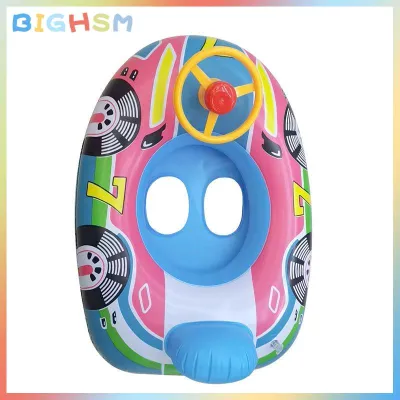
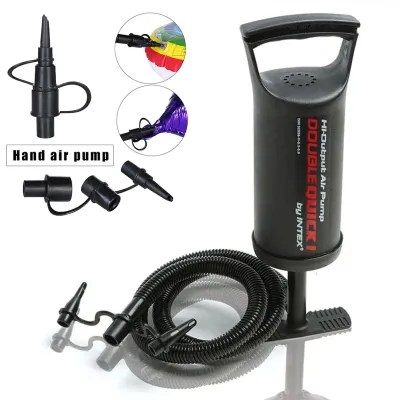
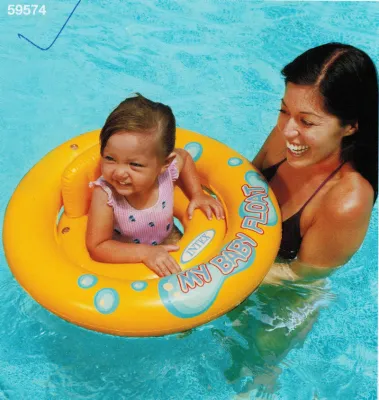
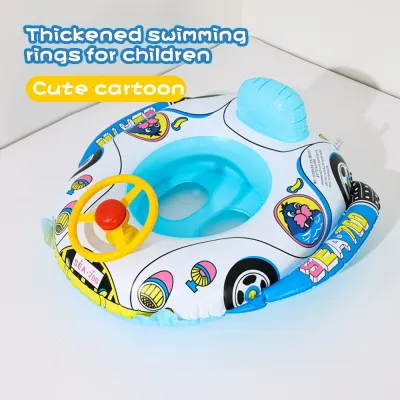
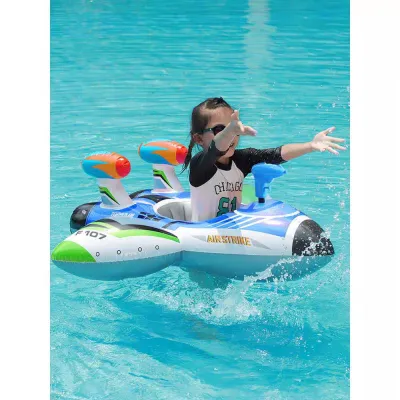
Prices are valid at publication and may change. Please refer to the product page for the latest price.
Because of these severe risks, using any inflatable water toy demands constant, active “touch supervision.” This means a responsible adult must be in the water, within arm’s reach of the child at all times, keeping their eyes on the child without distraction. No safety feature, no matter how advanced or highly rated, can replace the immediate physical presence and reaction time of an adult standing right next to the child in the pool.
Essential Design and Material Safety Features to Check
When browsing online marketplaces or visiting local toy stores, you will find a wide variety of car-shaped floaties. To separate high-quality, secure models from potentially dangerous novelties, you must systematically inspect their structural design and material specifications.

Multi-Chamber Air Compartments
One of the most critical safety features to look for is a multi-chamber inflation system. High-quality inflatable car floaters do not rely on a single air valve to inflate the entire toy. Instead, they feature multiple independent air chambers, usually separated into the main outer ring, the inner seat, and decorative elements like the car hood or steering wheel.
This design provides essential redundancy. If the outer ring gets punctured by a sharp pool edge or a stray twig, only that specific chamber will deflate. The remaining intact chambers will retain their buoyancy, preventing the entire toy from sinking immediately. This partial buoyancy keeps the child afloat long enough for the supervising adult to safely lift them out of the water, transforming a potential emergency into a manageable situation.
Secure Seating and Leg Hole Fit
The seat of the inflatable car floater is the only barrier keeping your child from slipping into the water. First, examine the leg holes for comfort and construction quality. The edges of the leg openings must be smooth, rounded, and reinforced. Rough, sharp plastic seams can easily chafe a child’s sensitive skin, especially when wet, leading to painful rashes or scrapes.
Second, evaluate the size and shape of the seat. The leg holes must be snug enough to prevent your child’s hips and torso from sliding through, yet loose enough to allow free leg movement for kicking. If the leg holes are too wide, a small child can easily slip through the bottom of the seat and become trapped underneath the inflatable canopy. Additionally, look for floaters that feature sturdy, heavy-duty safety handles welded onto the sides or front of the car. These handles give your child a secure place to grip, helping them maintain their balance and feel secure as they float.
Anti-Flip and Stable Base Design
While novelty shapes like sports cars or fire engines are highly appealing to toddlers, they often have a higher center of gravity and uneven weight distribution compared to standard circular swim rings. When a child leans forward to spin the toy steering wheel or reaches sideways to splash water, the risk of the floater capsizing increases dramatically.
To counter this tipping hazard, look for an inflatable car floater designed with an extra-wide, stable base. Some premium models incorporate inflatable outriggers or stabilizing side fins that extend outward from the main body of the car, widening the toy’s footprint on the water. Additionally, the seat should be positioned low within the structure of the floater. A lower seating position keeps the child’s center of mass closer to the water level, significantly reducing the likelihood of a rollover.
Material Durability and Safety Labels
Do not rely on generic, unverified marketing buzzwords like “non-toxic” or “child-safe” printed on the packaging. Instead, look for specific, verifiable safety standard certifications. High-quality products will clearly display compliance with recognized international toy safety standards, such as EN71 or ASTM F963. These certifications ensure the plastic has been rigorously tested and is free from harmful chemicals like phthalates, BPA, and heavy metals.
You must also evaluate the physical durability of the material. Check the packaging for the stated material thickness, which is typically measured in millimeters. A safe, puncture-resistant inflatable car floater is usually constructed from heavy-duty PVC with a thickness of at least 0.25 mm to 0.30 mm. Run your fingers along the seams of the product; they should be heat-sealed and reinforced, appearing thick and smooth rather than thin and brittle.
Matching the Floater to Your Child’s Age, Weight, and Size
Proper sizing is not just a matter of comfort; it is a fundamental safety requirement. Manufacturers design inflatable car floaters with strict weight and age limits to ensure the toy’s buoyancy and structural integrity match the child’s physical development. Parents must strictly adhere to these limits and resist the temptation to “buy a size up” for future use.
If a floater is too large for your child, the seating area and leg holes will be oversized. This mismatch increases the risk of the child slipping through the bottom of the seat or tipping forward because their weight is not properly centered. Conversely, exceeding the maximum weight limit is equally dangerous. An overloaded floater will sit too low in the water, compromising its stability and making it highly susceptible to capsizing or taking on water. The excess weight also puts immense strain on the plastic seams, increasing the risk of a sudden, catastrophic blowout.
Before purchasing, weigh your child and, if possible, measure their thigh circumference. Compare these measurements directly to the manufacturer’s specifications. A properly sized floater should cradle your child’s hips securely, allowing their legs to dangle comfortably through the holes without pinching their skin, while ensuring they cannot slip downward.
Pre-Use Inspections and Safe Water Boundaries
Ensuring water safety requires diligent habits every time you prepare for a swim. Before placing your child in the inflatable car floater, you must perform a series of quick inspections and establish clear environmental boundaries.
Start with proper inflation. Inflate the car floater until it is firm to the touch, but still retains a small amount of give when squeezed. Avoid over-inflating the chambers, as this puts excessive pressure on the welded seams. Keep in mind that under the intense tropical sun of the Philippines, the air inside the inflatable will expand rapidly. If you leave a fully inflated floater resting on a hot concrete pool deck, the rising internal pressure can easily rupture the seams. Always store the floater in the shade when not in use.
Before every swim session, conduct a quick pre-swim inspection. Submerge the inflated floater in water and gently squeeze it to check for escaping air bubbles, which indicate a slow puncture. Inspect the safety valves to ensure they plug tightly and can be pushed flat into the body of the floater. Run your hands along the seams to check for any signs of thinning, stretching, or separation.
The environment where you use the floater is just as critical as the toy’s condition. Inflatable car floaters are designed exclusively for calm, shallow, and highly controlled waters, such as backyard paddling pools, chlorinated swimming pools, or shallow resort wading pools. They should never be used in open water bodies like the ocean, lakes, or rivers, where unpredictable factors can quickly turn a fun activity into an emergency.
Finally, establish clear stop conditions. You must immediately remove your child from the floater and take the toy out of the water if you notice any signs of deflation, hear a faint hissing sound, or see the floater sitting unevenly. Additionally, if your child becomes fussy, shows signs of fatigue, or struggles to keep their head upright, it is time to end the session. Physical fatigue can make it difficult for a child to maintain their balance, increasing the risk of slips or tipping even in a perfectly designed floater.
Frequently Asked Questions (FAQ)
Can an inflatable car floater be used in the ocean or open water?
No, you should never use an inflatable car floater in the ocean, sea, or any open water. These environments are highly unpredictable. Even a gentle breeze or a mild current can quickly sweep a lightweight inflatable toy far away from the shore. Waves can easily capsize the car design, and the dynamic forces of open water can quickly overwhelm both the child and the supervising adult. Stick strictly to calm, supervised swimming pools.
How should I store the floater to prevent material degradation?
To preserve the safety and lifespan of the PVC material, always rinse the inflatable car floater with clean, fresh water after every use to wash away chlorine, salt, or sunscreen residue. Allow it to air dry completely in the shade; never store it while damp, as this can lead to mold and mildew. Once fully dry, deflate the floater completely and store it in a cool, dry place away from direct sunlight and extreme heat, which can degrade the plastic and weaken the seams over time.
Community discussion
Share your experience or ask a question. Comments are reviewed before publication.