
Setting up a home gym requires careful planning, especially when selecting equipment that must endure daily, high-intensity workouts. For those focusing on indoor cycling, finding a genuinely heavy-duty spinning bike is the key to a safe, smooth, and effective training routine. Unlike light-duty budget models that may shake, slide, or wear out within a few months, a robust spinning bike provides the rock-solid foundation needed for out-of-the-saddle climbs and high-speed sprints.
In tropical environments like the Philippines, where high humidity and ambient salt air can accelerate rust and degrade mechanical parts, build quality becomes even more critical. A bike that looks sturdy online might quickly succumb to corrosion or bearing failure if it lacks the proper protective coatings and sealed components. Understanding the specific engineering details—from frame construction to drive mechanics—allows you to make an informed investment that will last for years.
To identify a spinning bike that is truly built to last, you must look past flashy marketing terms and focus on verifiable specifications. This guide breaks down the essential structural, mechanical, and ergonomic factors you need to evaluate before making your purchase, helping you configure a home gym setup that meets your fitness goals without compromising on safety or durability.
Products mentioned in this guide
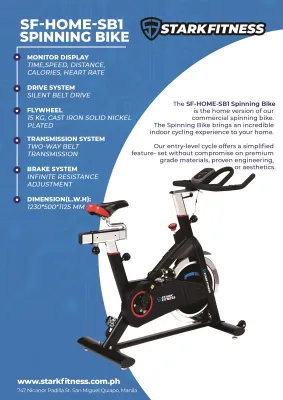
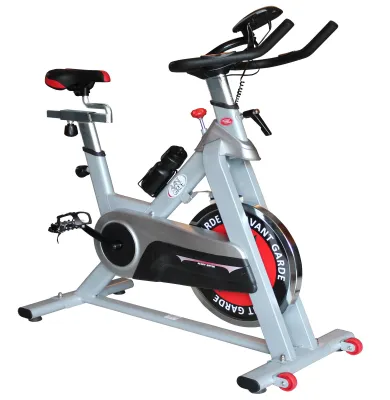
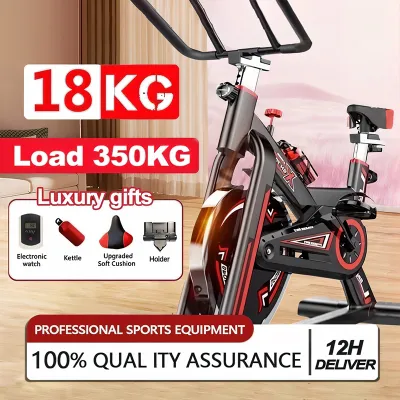
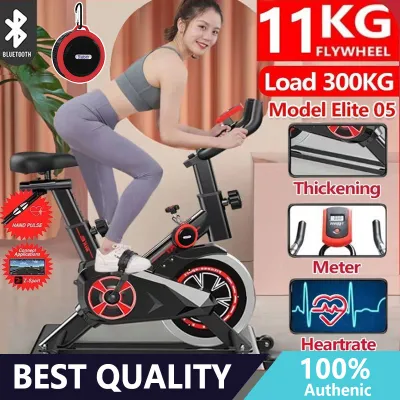
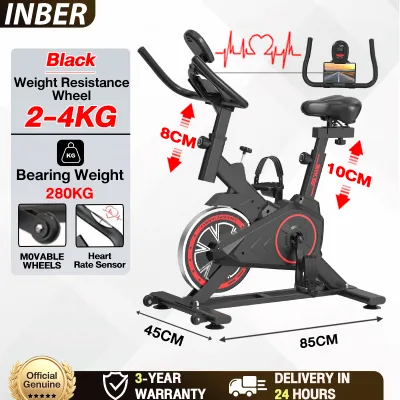
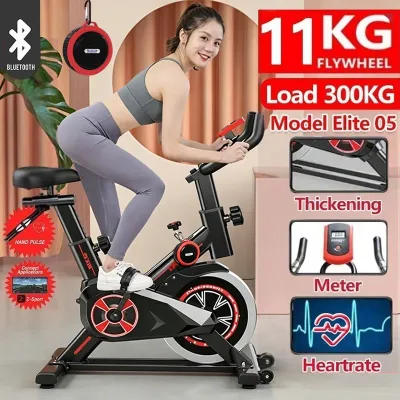
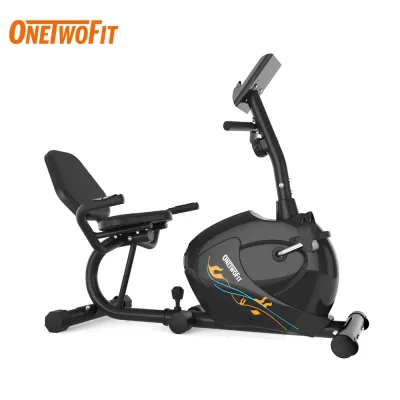
Prices are valid at publication and may change. Please refer to the product page for the latest price.
Core Frame and Build Quality for Maximum Stability
The frame is the backbone of any spinning bike, determining how much abuse the machine can handle over its lifespan. When evaluating a heavy-duty bike, start by examining the frame material and construction. Look for frames constructed from high-tensile, commercial-grade steel. The thickness of the steel tubing, often referred to as the wall thickness or gauge, is a primary indicator of strength; thicker tubing prevents the frame from flexing under heavy loads. Additionally, inspect the quality of the welds. High-quality bikes feature continuous, clean welds at all major joints rather than small spot welds, which can crack under repeated stress.
Stability during intense workouts depends heavily on the bike’s physical footprint and overall weight. A heavy-duty spinning bike should have a substantial total weight, typically starting at 45 kilograms or more. This heavy mass acts as an anchor, keeping the bike firmly planted on the floor during aggressive, out-of-the-saddle pedaling. The base stabilizers should be wide and equipped with heavy-duty, adjustable leveling feet. These levelers are crucial for compensating for slightly uneven residential floors, preventing any rocking motion that could disrupt your rhythm or cause safety hazards.
Frame geometry also plays a vital role in weight distribution and balance. Look for designs that feature a low center of gravity, which keeps the bulk of the machine’s weight positioned low to the ground. A well-designed V-frame or triangular geometry distributes the rider’s weight evenly between the front and rear stabilizers. This prevents the front handlebars or the rear seat post from flexing or lifting when you transition from a seated position to a standing climb.
Flywheel Weight and Drive System Mechanics
The flywheel is the heavy wheel at the front or rear of the bike that spins as you pedal, and its weight directly influences the quality of your ride. For a heavy-duty experience, look for a flywheel weight range of 15 to 22 kilograms. A heavier flywheel builds greater rotational momentum, which closely mimics the natural inertia of riding an outdoor road bike. This momentum ensures a smooth, continuous pedal stroke, eliminating the jerky, uneven feel often associated with lighter flywheels. This smooth transition between strokes is also gentler on your knees and joints, reducing the risk of impact-related strain.

The drive system connects the pedals to the flywheel, and your choice here affects both noise levels and maintenance requirements. Belt-drive systems use a durable, reinforced rubber belt to transfer power. They are virtually silent, making them ideal for home use, and require almost no maintenance other than occasional tension checks. Chain-drive systems, similar to traditional outdoor bicycles, use a metal chain. While they offer a highly responsive, mechanical feel, they generate more noise and require regular lubrication and alignment to prevent wear and rust, especially in humid climates.
Resistance mechanisms are equally important for durability and consistency. Magnetic resistance systems use powerful magnets positioned on either side of the flywheel. As you turn the resistance knob, the magnets move closer to or further from the wheel, increasing or decreasing drag without ever making physical contact. This contact-free design means there is zero friction, zero wear on parts, and completely silent operation. Friction resistance systems, on the other hand, use felt or leather pads that physically press against the flywheel. While friction systems are often more affordable and allow for infinite micro-adjustments, the pads will eventually wear down, require replacement, and can produce a slight hissing sound during use.
| System Component | Option A | Option B | Key Trade-offs for Home Use |
|---|---|---|---|
| Drive System | Belt Drive | Chain Drive | Belt is silent and low-maintenance; chain is louder but offers a traditional road feel and requires regular lubrication. |
| Resistance | Magnetic | Friction (Felt/Leather) | Magnetic is silent, wear-free, and highly consistent; friction is cost-effective but requires pad replacement and generates noise. |
Weight Capacity and Ergonomic Adjustability
A bike’s maximum user weight capacity is one of the most direct indicators of its structural integrity. Genuinely heavy-duty spinning bikes should carry a certified weight rating of at least 130 to 150 kilograms. Manufacturers establish these limits based on the strength of the frame joints, the durability of the bearings, and the thickness of the seat and handlebar posts. When reviewing specifications, look for bikes that explicitly state their weight capacity on the product label or user manual, as this indicates the machine has undergone standardized stress testing.
Ergonomic adjustability is essential not only for comfort but also for preventing long-term strain injuries. A heavy-duty bike must offer four-way adjustability, meaning both the seat and the handlebars can be adjusted vertically (up and down) and horizontally (fore and aft). Look for micro-adjustment mechanisms, which use slide tracks and locking levers rather than pre-drilled holes. This allows you to fine-tune the positioning to your exact body proportions, ensuring proper knee alignment over the pedal spindle and reducing strain on your lower back and shoulders.
The pedals and connection points are subject to immense force during a workout, making their material composition a critical safety factor. Avoid bikes with plastic pedals, as these can easily crack or strip their threads under heavy pressure. Instead, look for pedals made from heavy-duty aluminum alloy or forged steel. The pedals should feature secure toe cages with durable, adjustable nylon straps to keep your feet locked in place. For advanced training, dual-sided pedals that feature toe cages on one side and SPD-compatible clips on the other offer the flexibility to use standard athletic shoes or dedicated cycling cleats.
Evaluating Console Features and Smart Connectivity
Modern spinning bikes often come equipped with digital consoles, but it is important to distinguish between essential tracking metrics and expensive, non-essential add-ons. At a minimum, a functional console should display real-time metrics such as cadence (revolutions per minute or RPM), elapsed time, distance, and estimated calories burned. For those following structured training programs, power output tracking (measured in watts) is a highly valuable metric, though it typically requires a more sophisticated, calibrated sensor system within the bike.
Beyond the digital screen, practical physical features greatly enhance the usability of your bike. Look for integrated device holders that can securely hold a tablet or smartphone without blocking the main console display. Dual water bottle holders are another essential feature, particularly in warm, tropical climates where staying hydrated during intense sessions is critical. Additionally, ensure the bike is equipped with heavy-duty transport wheels integrated into the front stabilizer bar, allowing you to tilt and roll the heavy machine out of the way when cleaning or rearranging your space.
Smart connectivity allows you to sync your workout data with external devices and training platforms. Verify if the bike’s console supports standard Bluetooth or ANT+ protocols. This compatibility enables you to connect the bike to popular third-party fitness applications, virtual riding platforms, or heart rate monitors. Be sure to check whether the bike requires a proprietary subscription to function, or if it allows you to stream workouts from your own devices freely, as this can significantly impact the long-term cost of ownership.
Pre-Purchase Checklist to Verify Heavy-Duty Claims
Before finalizing your purchase, it is essential to verify the manufacturer’s heavy-duty claims to ensure you are getting a robust machine. Start by carefully reviewing the warranty terms. A reputable manufacturer confident in their product’s durability will typically offer a multi-year warranty on the frame (often 3 to 5 years or more), along with at least 1 to 2 years of coverage on mechanical parts and wear items. Be cautious of products that offer only a short, generic warranty period, as this often indicates lower-grade components.
User reviews on online marketplaces and fitness forums provide valuable real-world insights into how a bike performs over time. When browsing reviews, look past the initial unboxing impressions and search for feedback from users who have owned the bike for six months or longer. Specifically search for terms like “squeak,” “wobble,” “rust,” or “pedal play.” Consistent complaints about these issues are strong indicators of poor quality control, weak frame joints, or low-grade bearings that may not hold up to daily use.
Finally, consider the practical logistics of delivery, assembly, and long-term support. Heavy-duty spinning bikes are exceptionally heavy and bulky, so confirm whether the seller provides delivery directly to your room of choice, especially if you live in an upper-floor condo. Check if professional assembly services are available, as proper assembly is crucial for safety and preventing premature wear. Additionally, verify the availability of local after-sales support and replacement parts, such as drive belts or resistance pads, to ensure you can easily maintain your bike in the years to come.
Frequently Asked Questions (FAQ)
Does a heavier spinning bike always mean a better workout?
No, a heavier overall bike weight does not directly increase the difficulty of your workout. The weight of the bike primarily serves to provide stability, ensuring the frame remains steady and safe during high-intensity, out-of-the-saddle riding. The actual intensity and difficulty of your workout are determined by the resistance system—whether magnetic or friction—and how much tension you apply, combined with the inertia generated by the flywheel. A heavier flywheel helps maintain a smooth, consistent pedal stroke, but your muscular effort and cardiovascular output are controlled by the resistance settings you choose.
Can I use a heavy-duty spinning bike on an upper-floor condo unit?
Yes, you can safely use a heavy-duty spinning bike in an upper-floor condo, provided you take a few simple precautions to manage noise and vibration. While standard residential floors are engineered to easily support the combined weight of a 50-kilogram bike and a rider, the main concern is the transmission of vibration and sound to the units below. To minimize this, place a high-density, thick rubber equipment mat underneath the bike to absorb vibrations and protect your flooring from sweat. Additionally, opting for a bike with a belt-drive system and magnetic resistance will ensure near-silent operation, preventing any disruptive noise from reaching your neighbors.
Community discussion
Share your experience or ask a question. Comments are reviewed before publication.