
Finding a heavy-duty stationary bike requires looking beyond basic aesthetic designs. For heavier users, the right equipment must offer absolute structural stability, smooth resistance transitions, and customizable ergonomics to prevent joint strain. Prioritizing specific engineering details over flashy digital consoles ensures a safe, long-lasting investment for your home gym. In tropical climates like the Philippines, where high humidity and sweat can accelerate wear, choosing a machine with robust materials and sealed components is essential for long-term durability.
Decoding Weight Capacity and Frame Stability
Distinguish between the manufacturer’s stated maximum user weight capacity and the net weight of the machine itself. A light bike with a high weight rating can still wobble during intense pedaling. Look for a high net machine weight, which indicates a solid, heavy-duty foundation that will remain anchored to the floor.
Examine the frame material closely before purchasing. Heavy-gauge steel tubing provides the necessary rigidity to handle high lateral forces during vigorous workouts. A wider base footprint also lowers the center of gravity, reducing the risk of tipping when you stand up on the pedals or transition between riding positions.
Products mentioned in this guide
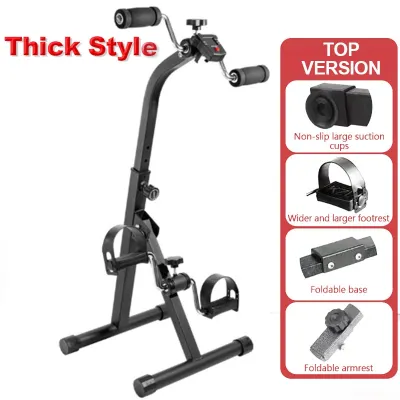
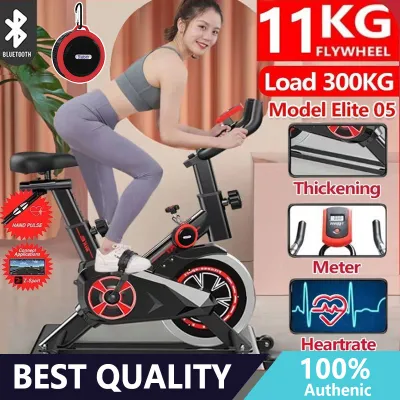
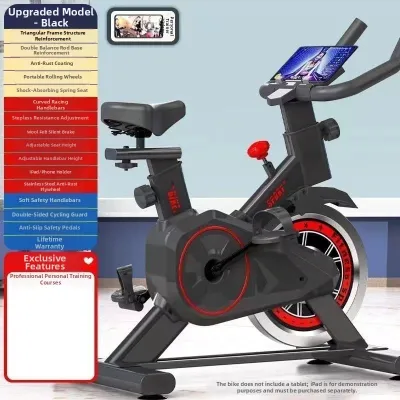
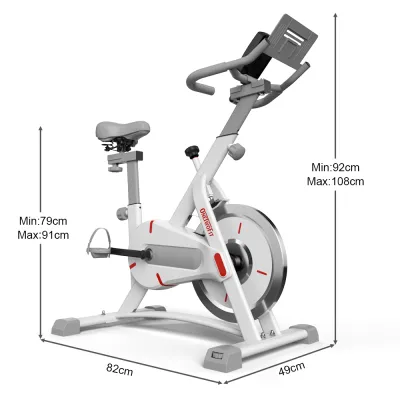
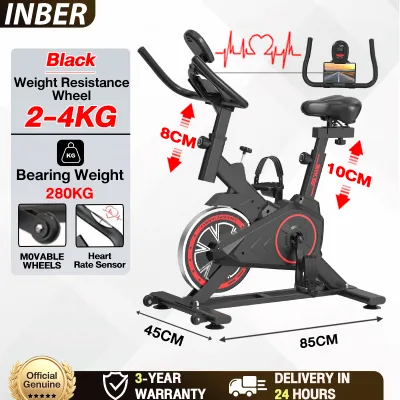
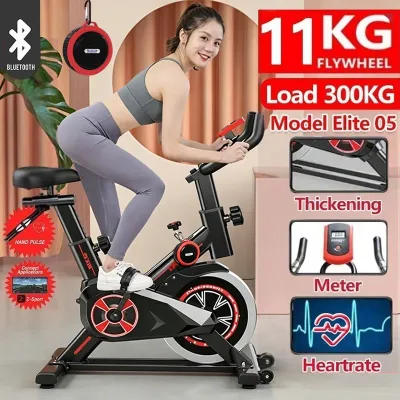
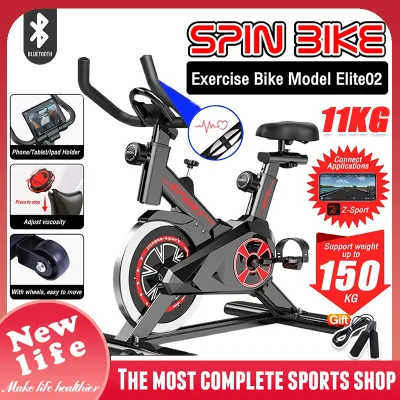
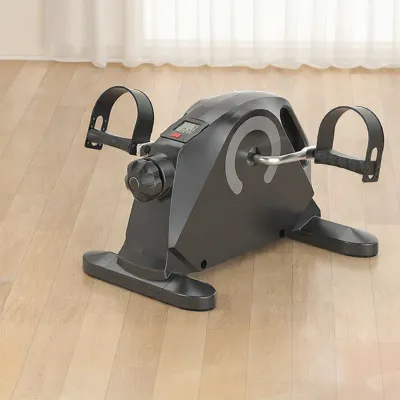
Prices are valid at publication and may change. Please refer to the product page for the latest price.
Verify the manufacturer’s warranty terms before making a decision. A truly heavy-duty bike often carries a dedicated lifetime or multi-year warranty on the frame structure. This warranty serves as a key indicator of the manufacturer’s confidence in the bike’s structural integrity under high-load conditions.
Check for adjustable leveling feet on the base stabilizers. These allow you to compensate for slightly uneven flooring, ensuring the bike remains perfectly stable. Eliminating even minor rocking movements prevents uneven wear on the frame joints and keeps your workouts safe.
Evaluating Flywheel Mass and Resistance Types
Flywheel mass directly influences pedal smoothness and joint safety. A heavier flywheel generates more kinetic momentum, which helps maintain a consistent, fluid pedal stroke. This inertia prevents jerky movements at the top and bottom of the pedal stroke, protecting your knees from sudden impact under higher physical loads.

Compare magnetic and friction resistance systems based on your maintenance preferences. Magnetic resistance uses non-contact magnets, offering silent operation, zero wear, and excellent heat dissipation. Friction resistance uses felt or leather pads that press against the flywheel; while effective, these pads wear down over time and can degrade faster in humid environments.
Check the resistance adjustment mechanism for precision and ease of use. Look for micro-adjustable dials or digital levels that allow you to make precise, incremental changes to your workout intensity. Gradual resistance increments help you manage your exertion levels safely without sudden, jarring changes.
Consider the drive system connecting the pedals to the flywheel. A belt drive system is generally preferred over a chain drive for heavy-duty home use. Belt drives operate quietly and do not require regular lubrication, which prevents dust and humidity from building up grime on the drivetrain.
Checking Adjustability and Ergonomic Limits
Proper bike fitting is essential to protect your joints and ensure safe biomechanics. Ensure both the seat post and handlebars offer four-way adjustability, meaning they can move both vertically and horizontally. Micro-adjustments allow you to fine-tune the positioning to match your unique body proportions.
Inspect the saddle and seat post assembly for robust construction. A heavy-duty bike should feature a reinforced seat post with a high-density padded saddle that distributes weight evenly. Check if the saddle mounting bracket uses standard rails, which allows you to swap it out for a specialized ergonomic seat if needed.
Assess the pedal construction and Q-factor, which is the lateral distance between the pedals. A natural Q-factor keeps your hips, knees, and ankles aligned, reducing joint shear. Look for heavy-duty pedals with reinforced steel spindles and high-tensile adjustable straps to keep your feet securely in place.
Verify the handlebar grip material for slip resistance. Look for non-slip, sweat-resistant foam or textured rubber grips. In warm environments, secure hand placement is vital to maintain control and balance during standing climbs or high-intensity intervals.
Identifying Build Quality Cues and Less Critical Specs
Look closely at the physical construction details of the bike. Smooth, continuous welds and thick, industrial-grade bolts indicate superior structural integrity compared to thin spot welds. Sealed cartridge bearings in the bottom bracket protect moving parts from sweat and moisture, which is crucial for preventing corrosion.
Distinguish between structural essentials and digital extras. Large, high-definition console screens and built-in streaming services add to the cost but do not improve the bike’s weight capacity or durability. Focus your budget on the frame, flywheel, and drive train first.
Avoid prioritizing features like ultra-lightweight transport wheels or compact folding mechanisms. While convenient for storage, folding frames inherently introduce weak points and narrow bases. A permanent, non-folding setup offers the structural rigidity required for heavy-duty use.
Examine the corrosion resistance of the frame finish. A high-quality powder-coated finish helps protect the steel frame from rust caused by sweat and ambient humidity, preserving both the appearance and structural strength of your equipment over years of use.
Frequently Asked Questions (FAQ)
Does a higher price in ₱ always guarantee a higher weight capacity?
No, a premium price tag does not automatically mean a bike is built for higher weight capacities. High prices often reflect brand prestige, built-in touchscreens, or subscription software. Always verify the physical weight limit label and frame warranty rather than assuming price correlates with structural strength.
How do I verify the weight limit if the product listing is unclear?
If an online marketplace listing lacks clear specifications, do not guess. Visit the manufacturer’s official website to download the exact user manual, or contact their customer support directly. Avoid relying on unverified third-party seller descriptions or assuming a bike is heavy-duty based solely on its visual appearance.

Community discussion
Share your experience or ask a question. Comments are reviewed before publication.