
When diving in warm, biodiverse waters, a reliable diving flashlight is an essential piece of safety and exploration gear. Whether you are navigating deep walls or exploring rich macro life during a night dive, understanding technical specifications like lumens, beam angle, depth rating, and battery runtime is critical. Choosing a light like an Asafee diving flashlight requires looking past marketing buzzwords to verify how these metrics perform under actual underwater conditions.
Quick Guide to Diving Flashlight Specifications
A diving flashlight’s performance relies on a balance of light output, beam shape, pressure resistance, and power management. Lumens dictate brightness, while the beam angle determines how that light is distributed. The depth rating ensures the housing will not collapse under pressure, and the battery runtime dictates how long you can safely rely on the light.
Matching these specifications to your specific diving environment and certification level is far more important than simply selecting the highest available numbers. A recreational diver staying within shallow limits has different equipment demands than a technical diver exploring deep wrecks. Selecting gear that aligns with your training limits ensures safety and prevents equipment failure.
Products mentioned in this guide
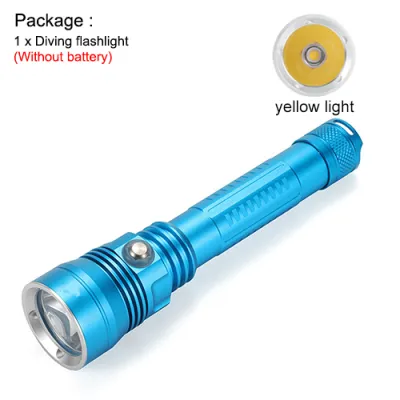
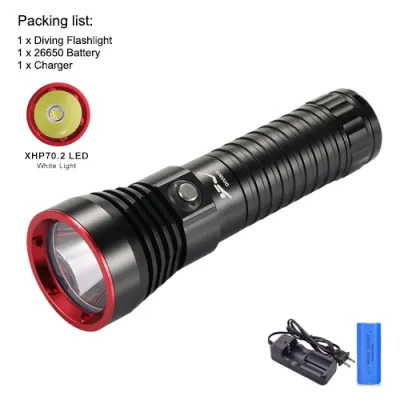
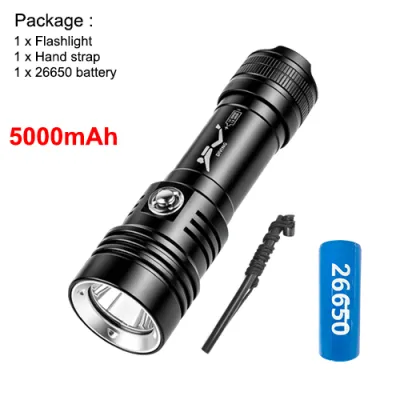
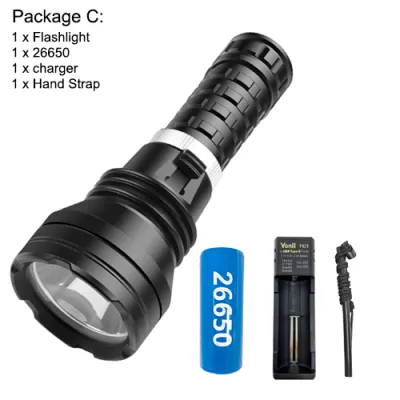
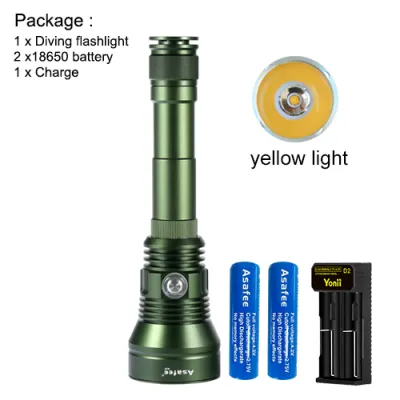
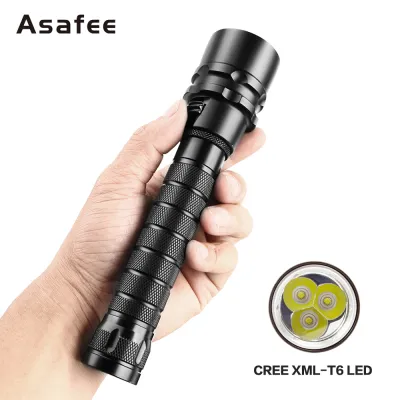
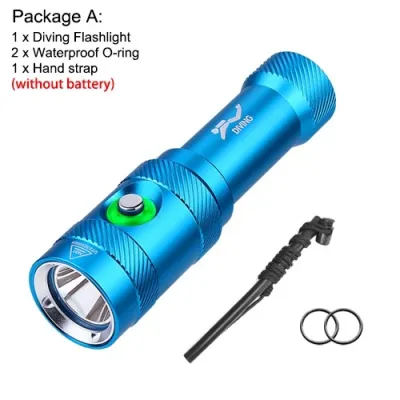
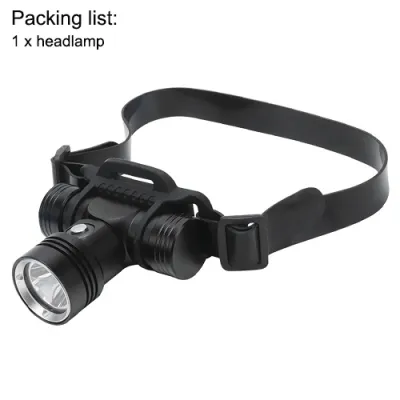
Prices are valid at publication and may change. Please refer to the product page for the latest price.
Lumens and Beam Angle: Matching Light to Your Dive
Lumens measure the total amount of visible light emitted by a source. In tropical waters, visibility can change rapidly due to plankton blooms or suspended sediment. Higher lumen outputs help cut through murky water, illuminate deep crevices, and restore natural colors that are absorbed by the water column as you descend.

However, raw brightness is only half the equation; the beam angle dictates how that light behaves. A narrow beam, typically 5 to 15 degrees, concentrates light into a tight, intense spotlight. This is ideal for cutting through low-visibility water, signaling your buddy, or peering into deep, narrow reef cracks. Conversely, a wide beam of 70 degrees or more spreads light evenly over a large area, making it suitable for general navigation, cave exploration, and underwater photography where harsh hotspots are undesirable.
It is important to note that surface-tested lumen ratings do not translate directly to underwater visibility. Water absorbs light much faster than air, and suspended particles cause backscatter, where bright light reflects off debris back into your eyes. A high-lumen light with a poorly matched beam angle can actually reduce your visibility in turbid water by creating a blinding wall of glare.
Depth Rating and Build Materials: Ensuring Safety Under Pressure
When selecting a diving flashlight, you must distinguish between general water resistance and true submersible depth ratings. Standard consumer electronics often carry IPX7 or IPX8 ratings, which only certify protection against temporary immersion in shallow water. True diving lights are engineered to withstand continuous hydrostatic pressure and are rated explicitly in meters or feet.
Always verify the manufacturer’s maximum operating depth and ensure it exceeds your planned dive profile. For recreational divers, a light rated to 100 meters provides a substantial safety margin for standard recreational depths. Exceeding a light’s rated depth can compress the housing, deform the seals, and cause immediate flooding.
The structural integrity of a dive light depends heavily on its build materials and sealing mechanisms. High-quality dive lights typically feature anodized aircraft-grade aluminum or high-impact engineering polymers to resist both pressure and corrosion from warm, salty waters. Look for double or triple O-ring seals at every joint, as these provide redundant barriers against water intrusion under high pressure.
Battery Life and Power Modes: Managing Light Throughout the Dive
A dive light is only as reliable as its power source. Battery capacity and actual runtime vary significantly based on your selected brightness level and environmental factors. While tropical waters are generally warm, deeper thermoclines can still lower battery efficiency, causing the light to drain faster than expected on maximum power.
Multiple power modes, such as high, medium, low, and strobe, are essential for managing your light throughout a dive. Dropping the output to a medium or low setting when high brightness is not required conserves battery life and prevents the light from overheating. Strobe or SOS modes serve as critical signaling tools in emergency situations.
Consider the battery configuration when planning your trips. Rechargeable lithium-ion batteries offer high energy density and consistent output, making them ideal for frequent use. However, if you are traveling to remote island destinations with limited electricity, having a light that can accept standard disposable batteries or carrying pre-charged spares is a practical necessity.
How to Verify Specs and Inspect Your Gear Before Diving
To ensure your safety underwater, always verify specifications through official product manuals or manufacturer documentation. Online marketplace listings and third-party product titles often inflate lumen counts or depth ratings to attract buyers. Relying on unverified claims can lead to equipment failure at depth.
Before every dive, perform a thorough visual inspection of your flashlight. Open the battery compartment to check the O-rings for any signs of flattening, cracking, or trapped debris like sand and hair. Even a single strand of hair across an O-ring can compromise the seal under pressure. Inspect the lens for micro-cracks and test the switch mechanism to ensure it operates smoothly without sticking.
Post-dive care is equally critical for maintaining seal integrity. After every saltwater submersion, rinse the flashlight thoroughly in clean, fresh water while operating the switch to flush out salt crystals. Dry the light completely before opening the battery compartment, and store it in a cool, dry place away from direct sunlight to prevent the rubber seals from degrading in tropical humidity.
Frequently Asked Questions (FAQ)
Can I use a regular waterproof flashlight for scuba diving?
No, standard waterproof flashlights are not designed to withstand the hydrostatic pressure of scuba diving. While an IPX8-rated light might survive a shallow splash or brief drop in a pool, the pressure at typical recreational depths will quickly compress the seals, causing the housing to flood and the electronics to fail. Always use a dedicated dive light with a certified depth rating.
How do I maintain the O-rings on my diving flashlight?
To maintain your O-rings, inspect them before every dive for dirt, sand, or physical wear. Clean them gently with a lint-free cloth and apply a thin coat of manufacturer-approved silicone grease to keep the rubber pliable. Avoid petroleum-based lubricants, as they can degrade the rubber, and replace the O-rings immediately if you notice any flattening, cracks, or tears.
Community discussion
Share your experience or ask a question. Comments are reviewed before publication.