
Finding the right scooter for 10 years old riders depends on where they will ride, how far they need to go, and their physical coordination. At ten years old, children are in a transitional phase where they have outgrown toddler toys but still need equipment matched to their physical limits. The three main categories—kick scooters, electric scooters, and stunt scooters—serve entirely different purposes, and choosing the wrong one can lead to safety hazards or a waste of money.
To make the best choice, parents must evaluate how the vehicle will be used daily. A lightweight model designed for a quick school commute will not survive the impacts of a local concrete skatepark, while a heavy motorized deck requires a level of traffic awareness and physical control that some ten-year-olds are still developing. By assessing your child’s environment and skill level first, you can select a model that keeps them active, safe, and confident.
Quick Diagnostic: Finding the Right Scooter for 10 Years Old Riders
Before comparing technical specifications, consider how your child spends their free time and where they are allowed to ride. A quick scenario-based assessment helps narrow down the category that matches their daily routine and maturity level.
Products mentioned in this guide
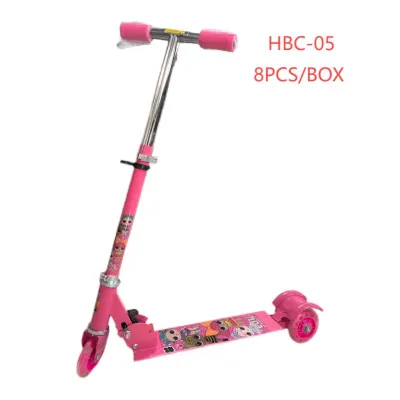
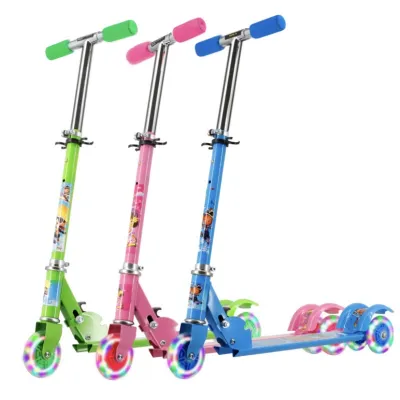
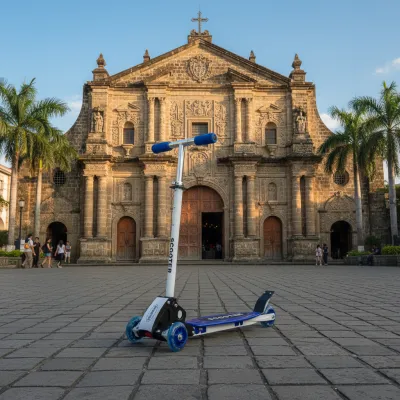
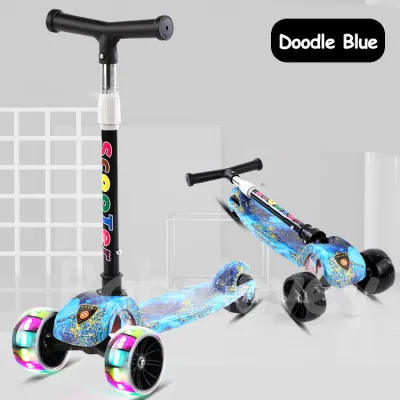
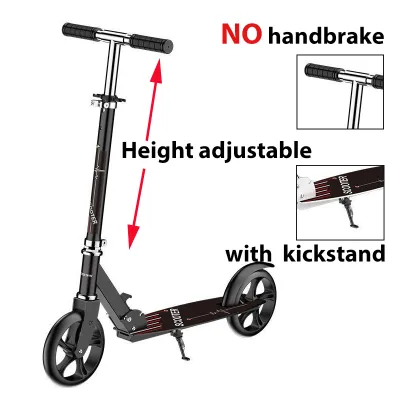
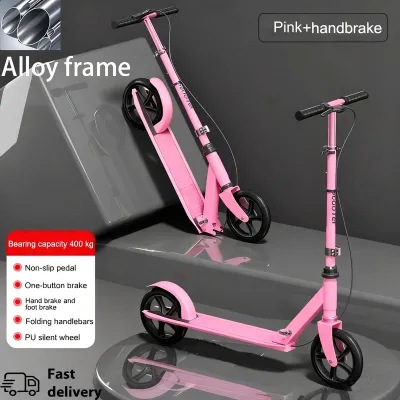
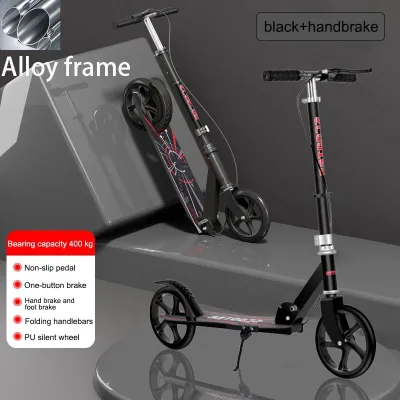
Prices are valid at publication and may change. Please refer to the product page for the latest price.
Scenario A: The Commuter If the primary goal is a daily ride to a nearby school, casual cruising around a secure subdivision, or short trips on relatively smooth pavements, a standard kick scooter is the most practical choice. It is lightweight, easy to steer, and simple to fold and carry indoors.
Scenario B: The Distance Rider If the route is longer, involves slight inclines, and your child has demonstrated strict adherence to safety rules, an entry-level electric scooter is worth considering. This option requires a higher level of maturity, as the rider must manage speed and navigate around pedestrians and obstacles safely.
Scenario C: The Thrill-Seeker If your child spends weekends watching skatepark tricks, wants to learn jumps, and already has solid balance, a stunt scooter is the correct tool. These are built to withstand high-impact landings, though they are highly specialized and unsuitable for long-distance travel.
Ultimately, your child’s physical coordination, attention span, and responsibility level should dictate the decision. A heavy or fast scooter can quickly become dangerous if a child lacks the strength to control it or the focus to watch for hazards.
Kick Scooters: Best for School Commutes and Casual Riding
Standard kick scooters remain the most popular and versatile option for most ten-year-olds. Powered entirely by physical effort, these models encourage active play while developing balance and lower-body strength. They are inherently simpler and safer than motorized alternatives, making them the default starting point for young riders.

Ideal User Profile This category is ideal for beginners, casual riders, and students who need a portable vehicle. Because kick scooters are lightweight, a ten-year-old can easily carry one up school steps, lift it over curbs, or fold it up for storage in a classroom or car trunk.
Key Features to Verify When shopping, verify that the handlebar height is adjustable to accommodate rapid growth spurts. Look for wheel sizes between 120mm and 200mm; larger polyurethane wheels roll over uneven pavement cracks and small pebbles much more smoothly than tiny wheels. Ensure the folding mechanism is robust and locks securely without wobbling during use.
Safety and Limits Most kick scooters utilize a rear fender brake, which the rider presses down with their heel. Some models feature handbrakes, which can be easier for children accustomed to riding bicycles. Always check the manufacturer’s maximum weight capacity on the product label to ensure the frame can safely support your child.
When to Avoid If your child’s daily route involves exceptionally long distances or steep hills, a kick scooter may not be suitable. Continuous kicking under the hot tropical sun can lead to rapid physical fatigue, which reduces a child’s focus and increases the risk of falls.
Electric Scooters: Best for Longer Distances and Mature Riders
Entry-level electric scooters offer an exciting, motorized upgrade for older kids, but they require a significantly higher level of responsibility. Because these vehicles are heavier and travel at higher speeds, they should be treated as light motorized transport rather than simple toys.
Ideal User Profile Electric models are best suited for mature ten-year-olds who need to cover longer distances, such as traveling across a large residential subdivision or commuting to a school that is slightly too far for a manual kick scooter. The rider must possess excellent balance, quick reflexes, and a proven track record of following safety instructions.
Key Features to Verify Parents must check the manufacturer’s specified top speed and battery range before purchasing. For this age group, a top speed limited to 12 to 15 km/h is highly recommended. Verify that the scooter features a reliable dual braking system—such as an electronic handbrake combined with a mechanical rear brake—and built-in front and rear LED lights for visibility.
Safety and Limits Before buying, verify local traffic regulations regarding motorized scooters. In many areas, electric scooters are restricted to private roads, designated bike lanes, or subdivision streets, and are strictly prohibited on major public highways. Additionally, ensure your child has the physical strength to lift and control a vehicle that typically weighs between 8 and 12 kilograms.
When to Avoid If your child struggles with basic balance on a standard kick scooter, frequently ignores safety boundaries, or lacks the physical strength to manage a heavy frame during an emergency stop, avoid electric models. The added speed will only amplify safety risks.
Stunt Scooters: Best for Skateparks and Learning Tricks
Stunt scooters are highly specialized machines built for high-impact riding. While they resemble standard kick scooters at a glance, their construction is fundamentally different, focusing on structural rigidity rather than comfort or portability.
Ideal User Profile This type is designed specifically for kids who want to spend their time at skateparks, learning hops, grinds, and tailwhips. It is suited for active, thrill-seeking children who have already mastered basic scooter balance and are committed to wearing full protective gear.
Key Features to Verify A true stunt scooter features fixed, one-piece handlebars with no folding joints or height adjustment mechanisms. This rigid design prevents the handlebars from collapsing or snapping during hard landings. Look for reinforced metal decks, heavy-duty clamps, and small, hard wheels (typically 100mm to 110mm) with solid aluminum or alloy cores.
Safety and Limits Because stunt riding involves jumps and ramps, the risk of falls is significantly higher. Riders must wear comprehensive protective gear, including a certified helmet, knee pads, elbow pads, and wrist guards. The rigid frame and hard wheels provide zero shock absorption, meaning every impact is transferred directly to the rider’s legs and joints.
When to Avoid Never purchase a stunt scooter for daily commuting or school transport. The small, hard wheels perform poorly on rough asphalt, gravel, or wet roads, making for an incredibly bumpy and uncomfortable ride. Furthermore, because they do not fold, they are highly inconvenient to carry or store in a school environment.
Final Selection: Matching the Scooter to Local Roads and Skill Levels
Selecting the perfect scooter requires analyzing where your child will ride and how their physical development matches the equipment. A mismatch between the scooter’s design and the local environment can lead to premature wear or safety hazards.
Environment Check Typical neighborhood roads in the Philippines often feature uneven concrete pavements, gravel patches, and deep drainage grates. Smooth concrete surfaces, like those found in private driveways or indoor parks, are highly compatible with small, hard wheels. However, rougher barangay roads require larger, high-rebound polyurethane wheels or even pneumatic (air-filled) tires to absorb vibrations and prevent the front wheel from stopping abruptly on small stones.
Physical Fit To verify the physical fit, have your child stand flat on the scooter deck. The handlebars should rest comfortably at waist or hip level, allowing their elbows to bend slightly for optimal steering control. If the handlebars are too high (near the chest) or too low (requiring them to hunch forward), the child will struggle to maintain balance and steer effectively. Also, check that the deck is wide enough to accommodate both of their shoes comfortably.
Skill Progression Mastering a manual kick scooter is a crucial prerequisite before transitioning to other types. A child must develop strong core balance, steering precision, and manual braking habits before they can safely handle the speed of an electric model or the physical demands of stunt riding. Skipping this foundational step increases the likelihood of accidents.
Weather Considerations The tropical climate brings sudden, heavy downpours that can quickly slick local streets. Wet asphalt and concrete drastically reduce tire grip and braking efficiency across all scooter types. Teach your child that they must reduce their speed, extend their braking distances, and avoid riding entirely during heavy rain or on flooded roads where hidden potholes pose a severe danger.
Essential Safety Gear and Pre-Ride Maintenance
No matter which scooter you choose, safety equipment and regular maintenance are non-negotiable. Instilling these habits early ensures your child stays protected and their equipment remains in safe working order.
Mandatory Gear A properly fitted, certified helmet is the single most important piece of safety equipment and must be worn on every ride. For electric and stunt riding, complement the helmet with durable knee pads, elbow pads, and wrist guards to protect against painful scrapes and joint injuries during forward falls.
Pre-Ride Inspection Teach your child to perform a quick 30-second safety check before every ride. They should press down on the brake to test its responsiveness, check that the front and rear wheel axle bolts are tight, and verify that all folding locks or handlebar clamps are securely engaged.
Visibility With early tropical sunsets and sudden overcast weather, visibility can drop rapidly. Enhance your child’s safety by applying high-visibility reflective stickers to the scooter’s stem and deck sides. Attaching a small, clip-on LED light to the handlebars or the back of their helmet makes them easily visible to pedestrians and other riders.
Frequently Asked Questions (FAQ)
Can a 10-year-old ride an electric scooter on public roads?
In the Philippines, local traffic regulations regarding motorized scooters vary by city and municipality. Generally, electric youth scooters are restricted from main public highways and national roads due to safety risks. They are safest and most commonly permitted within private subdivisions, barangay streets, and designated bike lanes. Always check your local government unit’s specific ordinances before riding.
Is a stunt scooter safe for riding to school?
Stunt scooters are highly specialized for skateparks and are not recommended for school commutes. Their small, hard wheels offer no shock absorption on rough public roads, making the ride uncomfortable and unstable. Additionally, because they do not fold, they are difficult to carry on public transport or store neatly in a classroom, making a standard folding kick scooter a much more practical choice.
How do I know if the scooter is the right size for my child?
Have your child stand on the scooter deck; the handlebars should align comfortably with their waist or hip level, allowing their elbows to bend slightly. If they must hunch forward to reach the grips or if the handlebars are at chest level, the scooter is poorly sized. Always consult the manufacturer’s label to verify the specific height and weight limits before purchasing.
Community discussion
Share your experience or ask a question. Comments are reviewed before publication.