
Choosing an efficient way to navigate congested urban centers has become a top priority for modern professionals. With traffic gridlock showing no signs of easing in major metropolitan areas, finding the right scooter bike for adult commutes can transform a frustrating daily grind into a predictable, active, and even enjoyable journey. However, the market is sharply divided between two distinct solutions: the traditional, human-powered manual kick scooter and the motorized electric scooter.
Deciding between these two options is not merely a matter of choosing how much you want to spend. It requires a careful evaluation of three primary factors: your door-to-door commute distance, your tolerance for physical exertion in a tropical climate, and the practical constraints of multi-modal transit integration and workplace storage. While a manual kick scooter is highly optimized for short, last-mile trips where ultra-portability and zero maintenance are paramount, an electric scooter is designed for medium-to-long direct routes where arriving presentable and maintaining a steady speed are non-negotiable. To make the correct investment, you must analyze how each vehicle aligns with your workplace dress code, local infrastructure, and daily transit routine.
Commute Distance and Speed: Matching Your Daily Route
The physical length and layout of your daily commute serve as the primary filters when choosing between a manual and a motorized scooter. Every kilometer added to your route exponentially increases the impact of your vehicle’s speed and propulsion method on your daily energy levels and scheduling.
Products mentioned in this guide
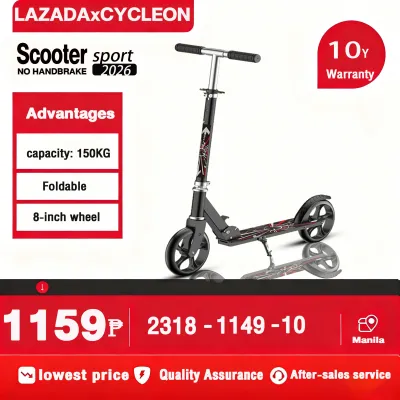
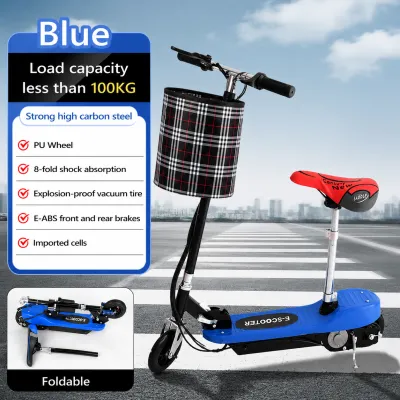
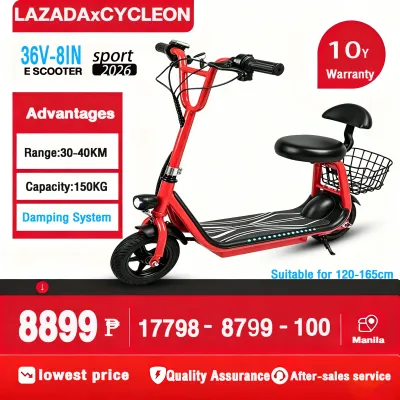

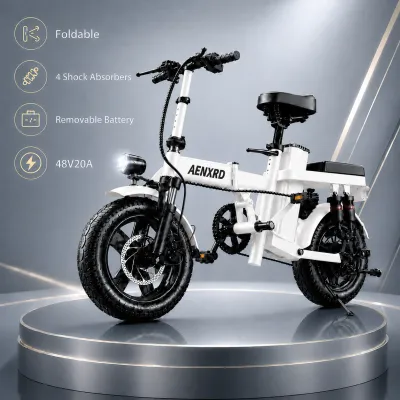
Prices are valid at publication and may change. Please refer to the product page for the latest price.
Manual Kick Scooters for the Last-Mile Gap
Human-powered kick scooters are highly specialized tools for short-distance travel, typically ranging from 1 to 3 kilometers. Because propulsion relies entirely on your physical stamina and leg power, maintaining a high speed over long distances is physically exhausting. On flat, well-paved surfaces, an adult riding a manual scooter can comfortably maintain an average speed of 10 to 12 kilometers per hour.
This speed profile makes the kick scooter an exceptional choice for bridging the gap between a rapid transit station—such as an MRT or LRT terminal—and your final office destination. It turns a tedious 20-minute walk into a swift 5-minute glide. However, if your route exceeds 3 kilometers or features frequent elevation changes, the physical demands of continuous kicking will rapidly degrade your commuting efficiency.
Electric Scooters for Direct, Medium-Distance Routes
Motorized electric scooters excel at covering medium-to-long distances, typically between 5 and 15 kilometers. Equipped with electric hub motors and lithium-ion battery packs, these vehicles allow you to travel at a consistent, throttle-controlled speed without physical fatigue. Most adult commuter e-scooters comfortably sustain speeds of 20 to 25 kilometers per hour, allowing you to bypass vehicular traffic and cover a 10-kilometer distance in approximately 25 to 30 minutes.
This consistent speed is particularly valuable when you need to keep pace with bicycle lane traffic or navigate wide, sprawling business districts. Because the motor does the heavy lifting, your travel time remains highly predictable, regardless of head-winds or moderate inclines along your route.
Actionable Route Mapping and Range Verification
Before purchasing any scooter, map your exact daily route using a digital mapping tool, paying close attention to detours, pedestrian overpasses, and elevation changes. If you are leaning toward an electric scooter, verify the manufacturer’s stated maximum range, but treat these figures with caution. Real-world battery performance is highly dynamic and typically falls 30% to 40% short of advertised laboratory estimates.
When evaluating an e-scooter’s range, factor in your body weight, the weight of your daily gear, your preferred speed settings, and the number of steep inclines on your path. A heavy backpack or a route filled with flyovers will drain the battery much faster than a flat, leisurely test ride.
Physical Effort and Comfort on the Road
An adult commute is not a weekend recreational ride; it is a professional transition. How you arrive at your workplace is just as important as how fast you get there. The physical demands of your chosen scooter directly influence your comfort, energy levels, and professional presentation.

Kick Scooters and the Reality of Physical Exertion
Riding a manual kick scooter is an active cardiovascular workout. It requires continuous, single-leg kicking while balancing on the opposite leg, which engages your core, quadriceps, and calves. While this is an excellent way to integrate low-impact exercise into your daily routine, it poses a significant challenge in warm, humid, tropical environments.
In regions characterized by high relative humidity and temperatures regularly exceeding 30°C, even a brief 1.5-kilometer manual ride will generate substantial body heat and sweat. If your office lacks dedicated shower facilities or a relaxed dress code, managing this physical exertion becomes a major logistical hurdle. Furthermore, comfort on a manual scooter is highly dependent on wheel size and basic mechanical suspension. Small, hard polyurethane wheels transmit road vibrations directly through your legs and lower back, which can lead to joint fatigue over longer sessions.
Electric Scooters and Effortless Commuting
Electric scooters eliminate physical exertion from the commuting equation. As a rider, your physical role is limited to standing upright, balancing, and steering. The throttle control manages all acceleration, allowing you to cruise effortlessly through warm morning air without breaking a sweat.
This lack of exertion is a decisive advantage for professionals who must adhere to strict corporate dress codes or arrive in formal business attire. To maximize comfort during these effortless rides, look closely at the scooter’s structural specifications. A wide deck allows you to stand with both feet placed comfortably side-by-side or in a stable diagonal stance, reducing fatigue during longer journeys. Additionally, adjustable handlebar heights prevent you from hunching over, while dual suspension systems—such as front and rear spring or hydraulic dampers—are essential for absorbing harsh road vibrations.
Actionable Comfort Assessment
Evaluate your workplace environment and personal grooming requirements before making a decision. If your office requires formal attire and does not provide secure change rooms or showers, an electric scooter is practically mandatory for maintaining a professional appearance. Conversely, if your workplace is highly casual, or if you have access to on-site showers and locker facilities, a manual kick scooter offers a reliable, sweat-inducing workout that doubles as your daily transit.
Portability and Storage for Multi-Modal Commutes
For many urban commuters, a scooter is not the sole mode of transportation. Instead, it serves as a connector within a larger, multi-modal transit network. The ease with which you can fold, carry, and store your scooter determines how smoothly it integrates into your daily life.
Kick Scooters: The Ultimate in Lightweight Portability
Manual kick scooters are designed with portability as a core priority. Constructed primarily from lightweight aluminum alloys, high-quality adult kick scooters typically weigh between 4 and 7 kilograms. Their folding mechanisms are usually simple and rapid, allowing you to collapse the handlebars and deck in under five seconds.
This lightweight profile makes manual scooters exceptionally easy to carry. You can effortlessly carry a folded kick scooter up multiple flights of transit stairs, lift it over turnstiles, and bring it onto crowded buses, trains, or jeepneys without obstructing other passengers. Once you arrive at your office, its compact folded footprint allows it to slide neatly under a standard desk, fit inside a locker, or stand unobtrusively in a corner.
Electric Scooters: The Weight and Storage Penalty
Electric scooters carry a significant weight penalty due to the inclusion of heavy lithium-ion battery packs, copper-wound hub motors, and reinforced structural frames. A reliable adult commuter e-scooters typically weighs between 14 and 25 kilograms, with high-range or dual-motor models weighing even more.
While almost all commuter e-scooters feature folding stems, carrying a 15-kilogram metal frame for more than a few minutes is physically taxing. Navigating crowded transit stations, lifting the vehicle onto high-floor buses, or carrying it up broken escalators can quickly become exhausting. Furthermore, their bulkier dimensions make them difficult to maneuver through tight spaces or pack into crowded public vehicles during peak hours.
Actionable Portability Checks
If your daily route relies on public transportation, verify the precise weight and folded dimensions allowed by your local transit authority. Many rail lines and bus networks enforce strict limits on the size and weight of personal mobility devices.
Additionally, assess your office building’s security and safety policies. Some modern high-rise office towers prohibit large lithium-battery devices from being brought upstairs due to fire safety protocols. If this is the case, you must verify if your building provides secure, ground-level bicycle parking, motorcycle bays, or dedicated charging stations where you can safely lock your e-scooter.
Costs, Maintenance, and Long-Term Value
Your choice of scooter introduces vastly different financial commitments, both at the initial point of sale and throughout the operational lifespan of the vehicle.
Upfront Investment and Price Bands
The financial barrier to entry for manual kick scooters is remarkably low. High-quality, durable adult manual scooters from reputable sporting goods brands generally range from ₱3,000 to ₱8,000. This low entry cost makes them an incredibly accessible option for budget-conscious commuters looking to eliminate daily short-distance transit fares.
In contrast, electric scooters represent a substantial upfront financial investment. Reliable, entry-level commuter e-scooters typically start around ₱15,000, while robust mid-range models with upgraded suspension, larger batteries, and improved safety features range from ₱25,000 to over ₱50,000. While this cost can be offset over time by saving on fuel, parking, and ride-hailing services, it remains a significant capital expenditure.
Maintenance Profiles: Simple Mechanics vs. Complex Electronics
The long-term cost and effort required to keep your vehicle roadworthy differ dramatically between the two types:
- Manual Kick Scooters: These vehicles feature basic, purely mechanical systems. Maintenance is straightforward and highly cost-effective. It typically involves periodically checking and tightening folding latches, cleaning or replacing inexpensive wheel bearings, and replacing worn friction brake pads. Most of these tasks can be performed at home with basic hand tools.
- Electric Scooters: E-scooters introduce complex electronic and electrical systems that require specialized care. Key maintenance considerations include monitoring battery health (avoiding extreme temperatures and deep discharges), protecting exposed wiring harnesses, and managing tire pressure to prevent pinch flats. Over time, lithium-ion batteries naturally degrade, and replacing a worn-out battery pack can cost up to 50% of the scooter's original purchase price.
Actionable Financial and Service Verification
Before purchasing an electric scooter, read the manufacturer’s warranty terms carefully, paying close attention to the coverage duration for the battery, motor, and electronic controller, as these components are the most expensive to repair.
Always check for the presence of local, authorized service centers in your city. Because many e-scooters utilize proprietary electronic parts, firmware, and custom wiring, sourcing replacement components independently can be exceptionally difficult. If local repair support is unavailable, a minor electronic fault could render your expensive investment permanently unusable.
Handling Local Terrain and Weather Conditions
Urban roads are highly unpredictable environments. Potholes, metal grating, wet asphalt, and sudden weather changes require a vehicle that can maintain stability and rider safety under less-than-ideal conditions.
Terrain Adaptability: Wheel Types and Road Hazards
The size and material of your scooter’s tires dictate how safely and comfortably it handles imperfect road surfaces:
- Solid Polyurethane Wheels: Typically found on manual kick scooters, these wheels are small (usually 150mm to 200mm in diameter) and entirely solid. While they are completely immune to flat tires, they offer virtually no shock absorption. They struggle significantly on uneven pavement, cobblestones, and loose gravel. A small stone or a deep crack in the asphalt can abruptly stop a small solid wheel, risking a forward fall if you are not riding defensively.
- Pneumatic (Air-Filled) Tires: Standard on most commuter electric scooters, these tires are larger (typically 8.5 to 10 inches) and filled with compressed air. They provide excellent natural cushioning, absorbing minor road imperfections and maintaining superior grip on uneven surfaces. However, pneumatic tires are vulnerable to punctures from road debris, such as nails, glass, and sharp metal shards. Maintaining correct tire pressure is essential to minimize the risk of flats.
Weather, Traction, and Water Protection Boundaries
Wet weather introduces severe safety hazards for all scooter riders. Rain drastically reduces tire traction on asphalt, painted road markings, and metal utility covers, significantly increasing braking distances and the risk of skidding.
For electric scooters, wet weather introduces the additional risk of water ingress. E-scooters contain sensitive electronic controllers, throttle displays, and battery compartments that can be permanently damaged by moisture.
Actionable Safety and Weather Protocols
If you choose an electric scooter, check its official Ingress Protection (IP) rating before riding in damp conditions. An IP rating of IP54 indicates resistance to light water splashes, while an IP65 rating offers protection against low-pressure water jets.
Regardless of these ratings, establish a strict safety boundary: neither manual nor electric scooters are safe to ride during heavy tropical downpours, typhoons, or through flooded streets. Standing water can easily submerge hub motors, short-circuit battery packs, and hide deep potholes. When severe weather strikes, always park your scooter and utilize alternative public transportation.
How to Make Your Final Scooter Decision
To select the ideal scooter bike for adult commuting, you must weigh your physical environment, transit habits, and personal preferences against the unique strengths of each vehicle. Use the structured framework below to guide your final purchasing decision.
Choose a Manual Kick Scooter If:
- Your commute is exceptionally short: Your door-to-door distance is under 3 kilometers, or you only need to cover the immediate distance between transit hubs.
- You rely heavily on crowded public transit: You need a vehicle that is ultra-lightweight (under 7 kg), folds in seconds, and can be easily carried onto packed trains, buses, or jeepneys.
- You are on a strict budget: You want to minimize your upfront costs (under ₱8,000) and prefer a vehicle with virtually zero ongoing maintenance expenses.
- You enjoy active commuting: You welcome the opportunity to get a low-impact cardiovascular workout on your way to and from work, and your office environment accommodates this.
Choose an Electric Scooter If:
- Your commute is medium-to-long: Your direct route is between 5 and 15 kilometers, and you want to bypass automotive traffic without relying on public transit.
- You must arrive presentable and sweat-free: Your workplace enforces a formal dress code, lacks shower facilities, or you simply prefer an effortless, stand-and-steer ride.
- You have secure storage options: You have access to a secure indoor space, a private office, or a monitored ground-level parking area where your e-scooter can be safely stored and charged.
- You can manage the weight and cost: You are willing to invest ₱15,000 or more for a high-quality motorized vehicle and can physically manage lifting a 15+ kg frame when necessary.
Neither Option May Fit If:
- Your route lacks basic infrastructure: Your daily path consists of high-speed highways, heavy industrial traffic, or roads completely devoid of dedicated bicycle lanes, sidewalks, or wide shoulders.
- Your terrain is excessively harsh: Your route features extremely steep, unregulated hills, unpaved gravel roads, or persistent deep flooding during the rainy season.
- You lack secure parking: You cannot bring the vehicle inside your workplace, and there are no secure outdoor locking areas, leaving your expensive device highly vulnerable to theft.
Before finalizing your purchase, visit a local specialty shop to physically test different models. Practice folding and unfolding the mechanisms to ensure they are robust and manageable. Finally, always check local municipal ordinances and national traffic regulations regarding the use of personal mobility devices on public roads, and invest in a high-quality helmet and protective gear to ensure every commute is as safe as it is efficient.
Community discussion
Share your experience or ask a question. Comments are reviewed before publication.