
Selecting the right kick shield is a critical decision for any martial artist in the Philippines, whether you are practicing Taekwondo, Muay Thai, karate, or mixed martial arts. A high-quality kick shield acts as the primary line of defense for your training partner while allowing you to unleash full-power strikes without risking injury. However, the local tropical climate presents unique challenges, as high humidity and intense heat can rapidly degrade low-quality synthetic materials and cause internal foam cores to trap moisture.
To make a smart investment, you must understand how different design elements—such as foam density, handle configurations, and outer cover materials—interact with your specific training goals. Balancing your budget with the physical demands of your sport ensures that your gear remains safe, hygienic, and functional over hundreds of training sessions. This guide breaks down the essential specifications to look for, how to match a shield to your current skill level, and how to verify quality before finalizing your purchase.
Key Specifications to Evaluate Before Buying
When shopping for a kick shield, the internal composition is just as important as the outer appearance. The core of the shield is responsible for absorbing and dispersing the kinetic energy of a strike. Look for multi-layered foam cores that combine closed-cell and open-cell foam. Closed-cell foam is highly resistant to moisture absorption, which is vital in humid Philippine gyms where sweat can easily seep into poorly sealed gear. Open-cell foam provides the necessary cushion to prevent the striker’s foot or shin from bottoming out against the holder’s body.
Products mentioned in this guide
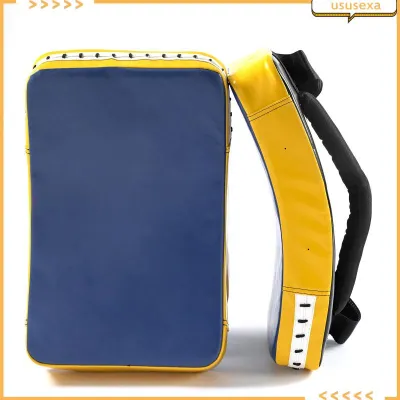
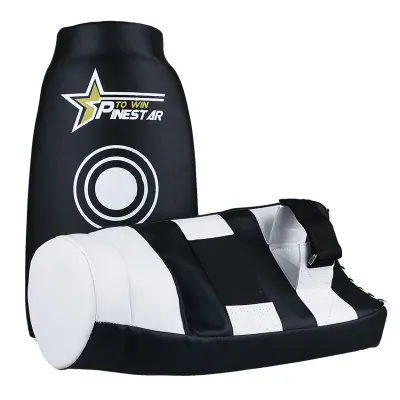
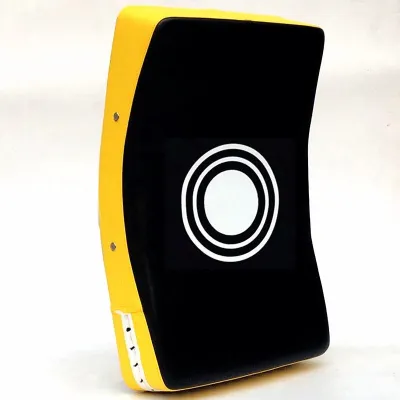
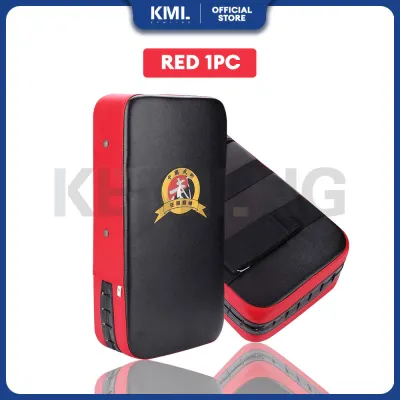
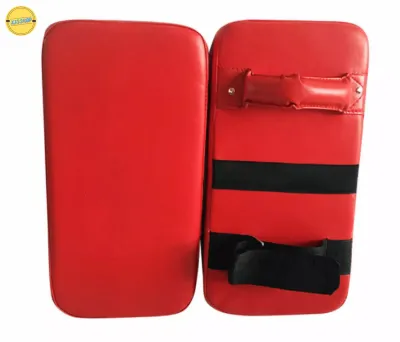
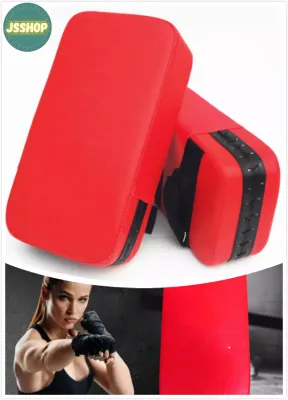
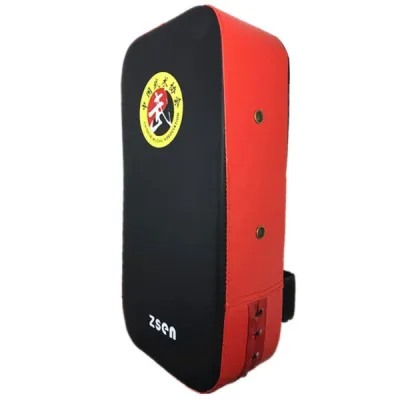
Prices are valid at publication and may change. Please refer to the product page for the latest price.
The physical dimensions and thickness of the shield dictate its primary use case. A standard curved or rectangular kick shield typically measures between 10 to 15 centimeters in thickness. Thicker shields offer superior impact dissipation but come with added weight. If a shield is too bulky, it limits the holder’s ability to move dynamically, transition between targets, or hold the gear for extended periods.
Weight distribution is a frequently overlooked factor that directly impacts training safety. A shield that is excessively heavy or poorly balanced places immense strain on the holder’s shoulders, wrists, and lower back. Over a long training session, holder fatigue can lead to improper holding angles, increasing the risk of joint hyperextension or missed strikes. Prioritize shields that offer a balanced center of gravity, allowing the holder to maintain a stable, braced stance.
Handle configurations and grip ergonomics determine how securely the shield can be managed during high-velocity drills. Opt for shields featuring multiple handle options, including a top handle for vertical holding and dual side straps for horizontal alignment. The handles should be securely riveted or cross-stitched into the main body of the shield. Look for padded handles that minimize friction against the skin, preventing blisters during intense workouts.
The outer cover material must be tough enough to withstand repeated friction, sweat, and impact. Polyurethane (PU) and heavy-duty polyvinyl chloride (PVC) are the most common synthetic leathers used in modern training gear. While genuine leather offers excellent durability, high-grade synthetic alternatives are often preferred in tropical climates because they are easier to sanitize and do not dry out or crack as easily when exposed to moisture. Ensure the shield features reinforced double-stitching along all seams and includes air release eyelets to let air escape safely upon impact, preventing the seams from bursting under pressure.
Matching Shield Profiles to Your Training Level
Your training level and striking power should dictate the category of kick shield you select. Using a shield that is too light for powerful kicks can result in injury to the holder, while using an overly heavy shield for speed drills can slow down your technical development.

For beginners and younger practitioners, the primary focus is on developing proper striking mechanics, accuracy, and speed rather than raw power. At this stage, a compact, lightweight kick shield is highly beneficial. These shields typically feature a thinner foam core, often around 8 to 10 centimeters, and a smaller surface area. The lighter weight allows the holder to react quickly, change targets rapidly, and keep up with fast-paced technical drills. It also helps beginners build shoulder endurance without experiencing premature fatigue. Budget-friendly options in this category often range from ₱1,200 to ₱2,000, making them an accessible entry point for those starting their martial arts journey.
Intermediate practitioners require a more versatile shield that can handle a mix of technical combinations and moderate power conditioning. As your striking power develops, a basic beginner shield will no longer offer sufficient protection for the holder. Intermediate shields generally feature a thickness of 12 to 15 centimeters and utilize denser, multi-layered foam. This profile provides a larger target area, which is ideal for practicing low kicks, mid-level roundhouses, and push kicks. The weight remains manageable enough for dynamic footwork drills, allowing the holder to move around the mat and simulate realistic combat scenarios. These mid-range shields typically cost between ₱2,500 and ₱4,500, offering a balanced combination of durability and performance.
Advanced users and heavy hitters require heavy-duty, professional-grade kick shields engineered for maximum force dissipation. Advanced martial artists generate immense kinetic energy, which can easily penetrate standard foam cores and cause bruising or internal discomfort to the holder. Advanced shields feature extra-thick, high-density foam cores, often exceeding 15 centimeters, and are reinforced with heavy-duty backing plates. The outer covers are constructed from premium, thick synthetic leather with reinforced stitching at every stress point. Because these shields are significantly heavier, they require an experienced holder who knows how to use their body weight to absorb the impact. Investing in a premium shield, which can range from ₱5,000 to over ₱8,000, is essential for professional gyms and serious competitors who train daily at high intensities.
Where to Buy and What to Verify Before Checkout
Finding reliable martial arts gear in the Philippines involves choosing between specialized local distributors and broad online marketplaces. While general e-commerce platforms offer convenience and competitive pricing, specialized martial arts suppliers provide curated selections and expert customer support. If you are purchasing a kick shield online, it is crucial to perform a thorough verification process to ensure you receive a genuine, high-quality product.
Start by evaluating the seller’s reputation and customer feedback. Look for listings with detailed reviews that specifically mention the product’s performance over time. Pay close attention to comments regarding seam integrity, handle durability, and whether the foam core began to sag or soften after a few weeks of use. Avoid sellers with consistently low ratings or those who do not offer clear return policies for manufacturing defects.
Before finalizing your purchase, verify the exact specifications listed by the seller. Some budget listings use misleading photos that make the shield appear larger or thicker than it actually is. Always check the written dimensions, weight, and material descriptions. If the listing does not specify the type of foam or outer material, contact the seller directly to ask for clarification.
Once your kick shield is delivered, perform a physical inspection before discarding the packaging or using the gear in a live session. Begin by checking the stitching around the handles and straps; there should be no loose threads, skipped stitches, or uneven seams. Pull firmly on the handles to ensure they are securely anchored to the body of the shield. Next, inspect the outer cover for any punctures, scratches, or thin spots in the material. Squeeze the shield firmly with both hands to test the foam’s resilience; it should compress slightly under pressure but immediately spring back to its original shape. Finally, check for any strong chemical or musty odors, which can indicate that the product was stored in a damp, poorly ventilated warehouse, potentially compromising the integrity of the internal foam.
Frequently Asked Questions (FAQ)
How do I clean and maintain a synthetic leather kick shield?
To prolong the lifespan of your synthetic leather kick shield, establish a consistent cleaning routine after every training session. Wipe down the entire surface of the shield with a clean, damp microfiber cloth and a mild soapy water solution to remove sweat, oils, and dirt. Avoid using harsh chemical solvents, bleach, or alcohol-based cleaners, as these substances can strip the protective coating of the synthetic leather, causing it to dry out, crack, and peel over time. Once cleaned, wipe the shield dry with a clean towel and allow it to air-dry completely in a well-ventilated indoor area. Never leave the shield in direct sunlight or near high heat sources, as extreme heat can warp the internal foam core and damage the outer cover.
Can a standard kick shield absorb knee and elbow strikes?
Standard kick shields are primarily designed to absorb broad, flat impacts from kicks and punches, dispersing the force across a wide surface area. Sharp joint strikes, such as knees and elbows, concentrate a high amount of force into a very small, pointed area. Repeatedly using a standard kick shield for knee and elbow drills can quickly compress and degrade the internal foam core, leading to soft spots and reduced protection. Additionally, the sharp angles of elbows and knees can cause premature wear or tearing on the outer cover. If your training regimen involves frequent knee and elbow strikes, verify that your shield is specifically rated for multi-strike use, or transition to specialized Thai pads, which feature denser, more compact structures designed to handle concentrated joint impacts safely.
Community discussion
Share your experience or ask a question. Comments are reviewed before publication.