
A kids treadmill must prioritize physical barriers, restricted operational controls, and immediate emergency stop mechanisms to accommodate a child’s smaller stature, developing coordination, and shorter reaction times. Unlike adult fitness equipment, a dedicated youth model scales down the physical dimensions and caps the performance metrics to prevent severe friction burns, entrapment, and sudden falls. Selecting the right machine requires verifying specific mechanical safeguards, checking manufacturer-rated weight limits, and establishing strict operational boundaries in your home.
Why Adult Treadmills Pose Risks to Children
Standard adult treadmills are engineered for mature bodies, longer strides, and higher cardiovascular capacities, making them inherently hazardous for children. The most significant mechanical danger lies in the pinch points located at the rear roller and along the sides of the running deck. Because adult machines often leave a small gap between the moving belt and the stationary frame, a child’s small fingers, toes, or loose clothing can easily be drawn into the mechanism, resulting in severe friction burns or entrapment injuries.
Furthermore, the speed ranges and acceleration profiles of adult treadmills are designed for mature athletic training. A standard machine can easily accelerate to speeds exceeding 16 kilometers per hour with a single button press. A child’s shorter stride and slower reaction times cannot keep pace with these rapid transitions, which often leads to a sudden loss of balance and a high-velocity fall.
Products mentioned in this guide
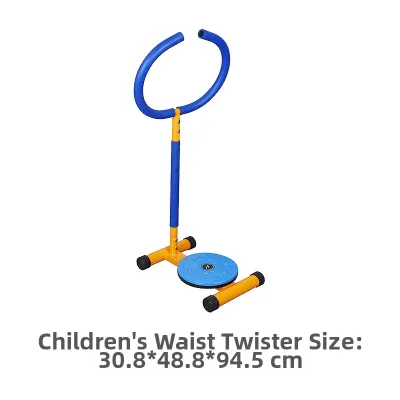
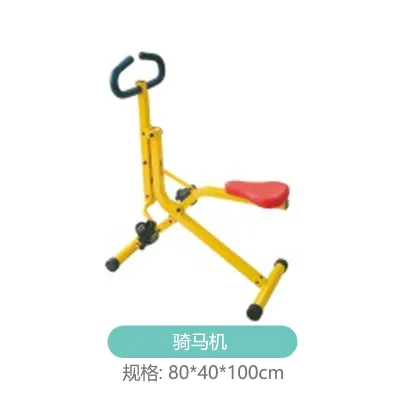
Prices are valid at publication and may change. Please refer to the product page for the latest price.
The physical ergonomics of adult equipment also present a major mismatch. Handrails on standard treadmills are positioned too high and too wide for a child, forcing them to overextend their shoulders or walk without any lateral support. Additionally, the emergency stop buttons and safety key consoles are typically positioned out of a child’s natural reach, meaning they cannot easily halt the machine if they begin to lose their footing or experience distress.
Critical Physical Safety Features to Verify
When shopping for a kids treadmill, physical safety features serve as the primary line of defense against mechanical accidents and impact injuries. You must carefully inspect the structural design and hardware components of any model you consider, ensuring that every moving part is shielded and that emergency controls are optimized for a child’s physical capabilities.

Emergency Stop Mechanisms and Safety Keys
The most critical safety component on any kids treadmill is the emergency stop system, which must include a highly responsive safety key. This key typically consists of a magnetic or mechanical plug that inserts into the console, connected to a durable cord with a clip on the opposite end. Before starting the machine, this clip must be secured to the child’s shirt or waistband. If the child slips, trips, or drifts too far toward the rear of the deck, the cord pulls the key from the console, instantly cutting power to the motor and stopping the belt.
In addition to the safety key, the console must feature a prominent, easily reachable physical stop button. This button should be brightly colored, clearly labeled, and positioned at a height that allows the child to slap or press it without losing their balance. When evaluating a treadmill, test this button yourself to verify that the belt halts immediately without any mechanical delay or coasting distance that could prolong a fall.
Enclosed Running Belts and Guardrails
To prevent entrapment and friction injuries, a kids treadmill should feature a fully enclosed running belt. This design ensures that the edges of the moving belt are completely covered by protective side rails, leaving no exposed gaps where small fingers or toes can slip underneath. The rear roller should also be shielded by a physical guard to prevent objects or limbs from being pulled into the underside of the machine.
The handrails must be specifically designed for a child’s proportions, offering a comfortable grip without causing shoulder strain or forcing an awkward posture. Look for handrails covered in non-slip, padded materials that provide a secure hold even when hands become sweaty, which is particularly important in warm, humid tropical climates. Additionally, the stationary side steps on either side of the running belt must be wide enough and textured to allow the child to stand securely before starting the belt or during a quick dismount.
Operational Controls and Speed Limitations
Software safeguards and control panel restrictions are just as vital as physical barriers when managing treadmill safety for younger users. A dedicated kids treadmill must feature a hard-capped maximum speed limit that is appropriate for walking or light jogging, typically restricted to a safe range such as 3 to 6 kilometers per hour. This hardware or software cap ensures that even if a child presses the speed increase button repeatedly, the machine will never accelerate to a dangerous pace.
To prevent unauthorized or unsupervised use, the treadmill should incorporate a reliable parental lock system. This can take the form of a physical master key that you remove and store in a secure location, a digital PIN code required to unlock the console, or a lockable power switch on the base of the frame. Without these authorization steps, the machine must remain completely inoperable, ensuring that children cannot turn on the treadmill when an adult is not present in the room.
The motor controller must also be programmed with gradual acceleration and deceleration profiles. When starting the machine or adjusting the speed, the transition should be smooth and slow, allowing the child’s feet to adapt to the changing pace without sudden jolts. Sudden starts or abrupt stops can easily cause a child to lose their footing, making smooth motor calibration an essential specification to verify before purchase.
Structural Stability and Weight Capacity Checks
A stable, well-balanced frame is essential to prevent the treadmill from rocking, sliding, or tipping over during active use. When assessing a machine’s physical footprint, look for a wide base with non-slip rubber feet that grip the floor securely. The overall center of gravity should be low, which minimizes the risk of the machine tipping sideways if a child leans heavily against one of the handrails.
You must also check both the minimum and maximum weight capacities specified by the manufacturer. Motorized treadmills rely on specific weight thresholds to ensure that the belt tension, motor torque, and safety sensors function correctly. If a child is too light, the machine’s sensors might not register their presence accurately; if they exceed the maximum weight limit, the motor can strain, leading to erratic belt movement or premature mechanical failure.
Always inspect the manufacturer’s product labels for specific age, height, and stride length recommendations rather than relying solely on general marketing categories. Measure your child’s natural walking stride and compare it to the length of the running deck. The deck must be long enough to accommodate their full stride with extra clearance at the back, ensuring they do not accidentally step off the rear edge during a workout.
Safe Setup, Supervision, and Stop Conditions
Even the most advanced safety features cannot replace proper installation and responsible behavioral guidelines. When setting up the treadmill in your home, you must maintain a clear safety zone around the machine. Ensure there is an unobstructed clearance area of at least two meters behind the rear of the treadmill and at least half a meter on either side. This open space prevents impact injuries against walls, furniture, or toys if the child falls off the back of the belt. In tropical environments, place the machine in a well-ventilated room with adequate airflow, keeping it away from loose window curtains, electrical cords, or damp areas.
Active adult supervision is mandatory for every single session, regardless of the child’s age or familiarity with the equipment. An adult must remain within arm’s reach of the console and the child at all times, ready to pull the safety key or assist if the child loses balance. Do not allow yourself to be distracted by mobile devices or other household tasks while the treadmill is in operation.
Finally, establish clear stop conditions with your child before they step onto the belt. Instruct them to stop immediately if they feel dizzy, tired, or experience any discomfort. As the supervising adult, you must also monitor the machine’s performance; if you notice the belt slipping, hear unusual grinding noises from the motor, or observe the child struggling to maintain their position, terminate the session immediately and inspect the equipment.
Frequently Asked Questions (FAQ)
At what age is it generally safe for a child to use a treadmill?
You should always check the specific manufacturer age minimums printed on the product label, as these guidelines vary based on the machine’s design and power. Generally, many youth-specific models are rated for children aged six and older. However, chronological age is only one factor; you must also assess your child’s physical coordination, balance, and ability to follow safety instructions. If a child cannot maintain a consistent walking pace or struggles to understand the purpose of the safety key, they are not yet ready to use a treadmill, regardless of their age.
Can a child use a standard adult treadmill with supervision?
It is highly recommended that children do not use standard adult treadmills, even under close adult supervision. The physical dimensions of adult machines—including the high handrails, wide deck, and long belt—are not designed for a child’s body, making it difficult for them to maintain proper form or grip. Furthermore, the high speed limits, rapid acceleration curves, and lack of specialized pinch-guard rails present persistent entrapment and fall hazards that supervision alone cannot eliminate. Investing in a dedicated, speed-limited kids treadmill is the safest approach for youth fitness.
Community discussion
Share your experience or ask a question. Comments are reviewed before publication.