
When planning a family holiday to the beautiful coastal destinations of the Philippines, ensuring your child’s comfort in the water is a top priority. While the country is famous for its warm, tropical climate, choosing the right gear for water activities requires careful consideration. For most Philippine waters, a wetsuit thickness of 1.5mm to 3mm is the ideal range. The exact specification depends heavily on whether your child is snorkeling on the surface, learning to surf, or descending to deeper reefs on a scuba dive.
Selecting the right kids thermal wet suit is essential because children experience the marine environment differently than adults. Even in tropical seas, prolonged exposure can lead to rapid heat loss. By understanding how neoprene thickness works and matching it to your child’s specific activities, you can ensure they stay warm, safe, and energized throughout their coastal adventures.
Understanding Wetsuit Thickness Specs for Children
Wetsuit thickness is measured in millimeters, typically represented by one or two numbers on the product label. When you see a single number, such as 2mm, it means the entire suit is constructed from neoprene of that uniform thickness. This design provides consistent insulation across the torso and limbs, which is excellent for general swimming and wading in shallow waters.
Products mentioned in this guide
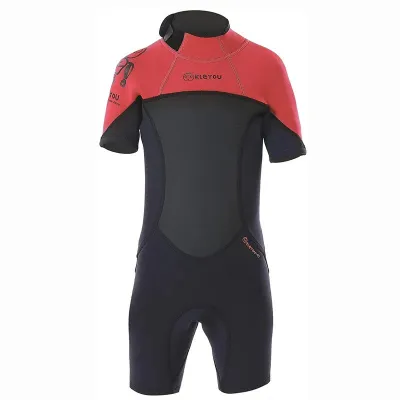
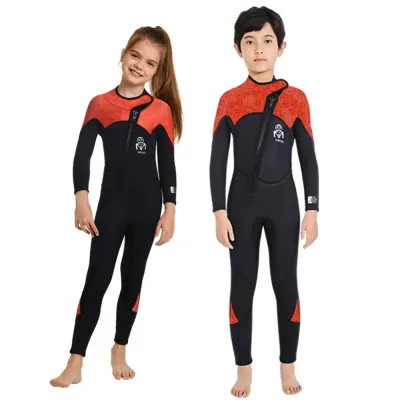
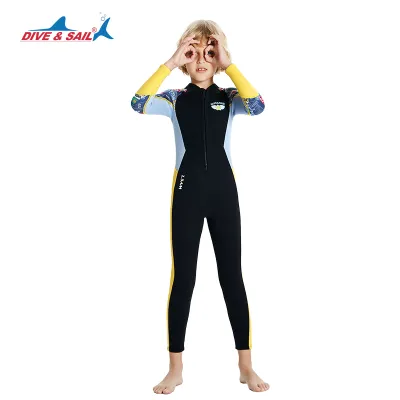
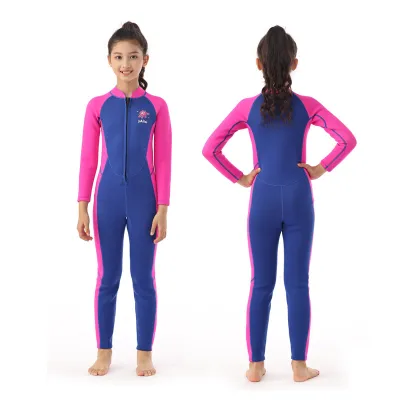
Prices are valid at publication and may change. Please refer to the product page for the latest price.
For more active sports, you will often encounter hybrid specifications like 3/2mm or 2/1mm. In a 3/2mm suit, the core torso area features 3mm neoprene to protect vital organs and retain core body heat, while the arms and legs use 2mm neoprene to allow for greater flexibility. This hybrid configuration is highly practical for children, as it balances the necessary thermal protection with the freedom of movement required for paddling, swimming, and climbing.
Physiologically, children require careful thermal management because they lose body heat significantly faster than adults. Due to a higher surface-area-to-volume ratio and less subcutaneous body fat, a child’s body temperature can drop quickly, even in water that feels warm to an adult. Correct neoprene thickness, combined with a precise fit, is critical to prevent shivering and fatigue during extended water sessions in tropical climates.
Matching Kids Thermal Wet Suit Thickness to Philippine Water Conditions
The coastal waters of the Philippines are generally warm, but conditions vary based on location, depth, and season. Surface water temperatures in popular destinations like Boracay, Cebu, and Palawan typically range between 26°C and 30°C. For shallow, sun-drenched bays and beach play, a lightweight 1.5mm to 2mm kids thermal wet suit is usually sufficient to provide mild thermal comfort while offering vital protection against intense UV rays and stinging marine life.

However, parents must also account for the thermocline effect, which is the sudden drop in water temperature that occurs at deeper levels. If your child is participating in junior scuba diving activities, they will descend into these deeper, cooler layers. At depths of 10 meters or more, water temperatures can drop by several degrees, and the pressure compresses the neoprene, reducing its insulating capacity. For these deeper profiles, a full 3mm wetsuit is the recommended baseline to maintain comfort during 30 to 45 minutes of submersion.
Seasonal shifts also play a major role in local water conditions. During the northeast monsoon (Amihan), which runs from November to February, coastal winds can be cooler, and surface water temperatures can dip slightly. Conversely, the southwest monsoon (Habagat) brings warmer but often rougher seas. Before finalizing your gear choice, always consult local dive operators, surf schools, or resort guides to get real-time water temperature updates for your specific destination.
Adjusting for Activity Type and Exposure Time
The level of physical exertion and the duration of the activity are key factors when choosing wetsuit thickness. For snorkeling and surface swimming, children are usually highly active, kicking and paddling continuously. This constant movement generates natural body heat. In these scenarios, a thinner 1.5mm to 2mm suit or a shorty design is ideal, as it prevents the child from overheating under the strong tropical sun while still shielding them from abrasions and sunburn.
Scuba diving involves a much lower level of physical activity. Junior divers move slowly to conserve air and must remain submerged for extended periods. Because the body is not generating high levels of metabolic heat, and because heat loss is cumulative over multiple dives, a full-length 3mm wetsuit is highly recommended. This thickness provides the necessary thermal barrier to keep young divers comfortable across multiple dive sessions in a single day.
For wind-exposed water sports like surfing, windsurfing, or sailing, wind chill is a significant factor. When a child sits on a surfboard waiting for waves, the wind blowing over wet neoprene can cool them down rapidly, even on a warm day. In these conditions, a 2mm or 3/2mm suit—particularly one with a wind-resistant chest panel—helps block the breeze and keeps the core warm between sets.
Key Fit and Design Specs Beyond Thickness
While selecting the correct thickness is vital, a wetsuit cannot perform its job if it does not fit properly. A wetsuit works by trapping a very thin layer of water between the child’s skin and the neoprene, which is then warmed by their body heat. If the suit is too loose, cold water will constantly flush through the collar, wrists, and ankles, completely neutralizing the insulation benefits. The suit must fit snugly like a second skin, without sagging in the underarms, crotch, or lower back, while still allowing the child to breathe and move comfortably. Always refer to the manufacturer’s specific sizing chart and safety guidelines before making a purchase.
The construction of the seams also affects both warmth and comfort. Flatlock stitching, which involves overlapping the neoprene panels and stitching them flat, is highly durable and breathable, making it perfect for warm-water activities. For deeper diving or cooler conditions, glued and blindstitched (GBS) seams are preferred. GBS seams are glued together and then stitched only halfway through the material, preventing water from passing through the seam holes and keeping the interior drier and warmer.
Additionally, consider zipper placement and overall material flexibility. Back zippers are highly common and make it easier for parents to help younger children slip into and out of the suit. Front-zip or chest-zip designs, however, offer superior flexibility across the shoulders and back, which is beneficial for active swimmers and surfers. Look for high-stretch neoprene materials that allow for unrestricted movement, ensuring your child can play safely and comfortably in the water.
Frequently Asked Questions (FAQ)
Can my child use a shorty wetsuit in the Philippines?
Yes, shorty wetsuits, which feature short sleeves and cut-off legs, are highly popular and practical for many tropical activities in the Philippines. Typically ranging from 1.5mm to 2mm in thickness, they are excellent for shallow snorkeling, pool swimming, and general beach play where mobility and sun protection are the primary concerns. However, if your child is sensitive to the cold, plans to participate in repetitive scuba dives, or is swimming in areas known for stinging jellyfish, a full-length suit is recommended to provide comprehensive thermal and physical protection.
How do I know if the wetsuit is too thick or too thin during the activity?
Parents should closely monitor their children for physical indicators of thermal discomfort. Signs that a wetsuit is too thin (and the child is too cold) include shivering, pale or blue-tinted lips, goosebumps, lethargy, or a reluctance to stay in the water; if any of these occur, have your child exit the water immediately, dry them off, and wrap them in a warm towel. Signs that a wetsuit is too thick (and the child is overheating) include a heavily flushed face, excessive sweating before entering the water, rapid fatigue, or complaints of feeling too hot. If you notice signs of overheating, have the child unzip the suit, take a break in the shade, and hydrate.
Community discussion
Share your experience or ask a question. Comments are reviewed before publication.