
Quick Answer: Kinesiology Tape vs. Joint Guards
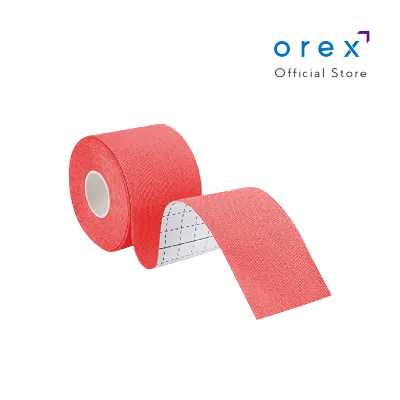
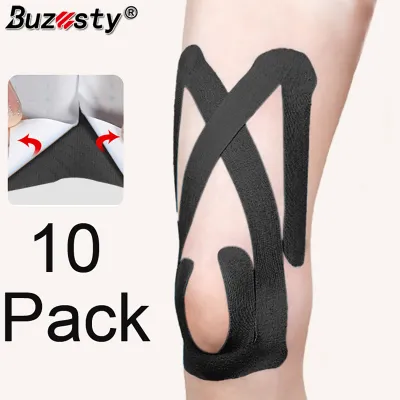
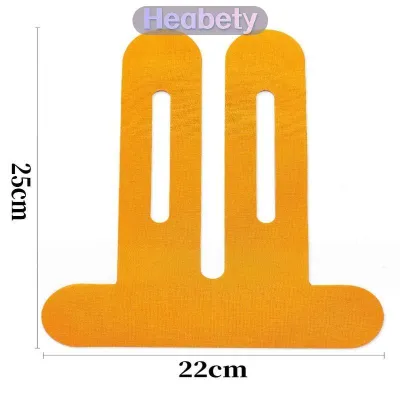
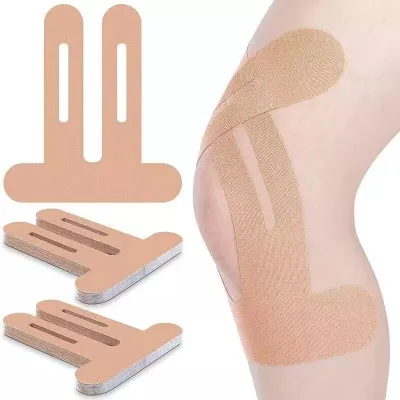
Kinesiology tape acts as a highly flexible, elastic cotton strip designed to mimic the natural elasticity of human skin. It provides gentle sensory feedback, mild muscle support, and localized skin lifting to promote lymphatic flow without restricting your joint’s natural range of motion. In contrast, joint guards—such as rigid, semi-rigid, or compressive knee and wrist braces—provide physical, mechanical structural support, targeted compression, and joint movement restriction.
As a practical rule of thumb, choose kinesiology tape if you are managing mild muscle strains, localized fatigue, or minor swelling, or if your sport requires complete, unhindered athletic mobility. Opt for a dedicated joint guard or brace if you are dealing with joint instability, acute ligament sprains, structural damage, or if you must physically block extreme joint angles to prevent further injury. Remember that neither of these athletic tools can replace professional medical treatment or a proper clinical diagnosis for severe musculoskeletal injuries.
How to Assess Your Muscle or Joint Needs
To determine which support system matches your physical needs, start by identifying whether your discomfort stems from muscle tissue or the underlying joint structure. Muscle-related issues typically manifest as generalized soreness, localized fatigue, or a dull ache that intensifies with muscle contraction but does not compromise the structural integrity of the limb. If you can move the limb freely but feel a tight, tired sensation in the muscle belly, your body is likely experiencing localized strain or fatigue.
Products mentioned in this guide
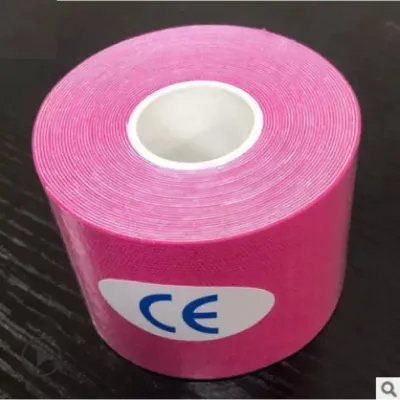
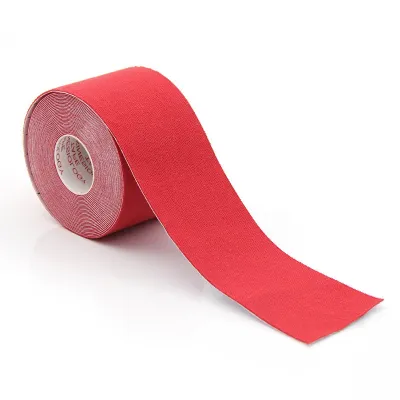
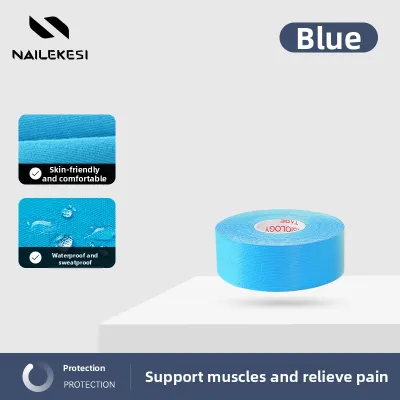
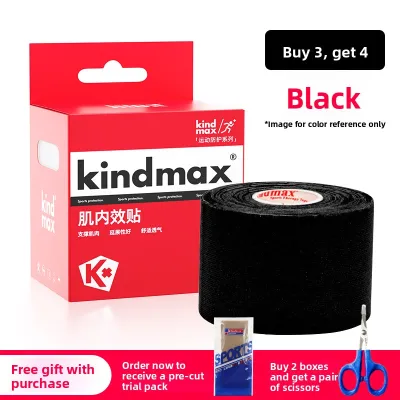
Prices are valid at publication and may change. Please refer to the product page for the latest price.

Conversely, joint and ligament issues present differently, often characterized by sharp pain upon impact, deep structural discomfort, clicking sounds, or a sensation that the joint is “giving way” or sliding out of place under load. If your knee feels loose when stepping down or your wrist cannot bear weight without sharp, deep-seated pain, the issue likely involves the ligaments or joint capsule rather than the surrounding muscles.
Next, evaluate your range of motion requirements for your specific activity. Ask yourself whether your sport requires unrestricted, fluid movement or if the healing joint requires physical limitation to prevent harmful hyperextension or extreme twisting. High-mobility activities like swimming or long-distance running demand that joints move through their entire natural arc, whereas recovering from a wrist sprain or knee ligament strain requires physical barriers to limit movement.
Please note that this self-observation framework is designed solely to help you select appropriate sports support equipment. It is not a clinical diagnostic tool; always consult a licensed physical therapist or sports medicine physician for a comprehensive clinical evaluation of any pain or injury.
When to Choose Kinesiology Tape
Choosing kinesiology tape is highly effective when your primary goals are delaying muscle fatigue, managing mild localized swelling, and enhancing proprioception—your brain’s awareness of joint positioning. The elastic properties of the tape gently pull the skin upward, creating a microscopic space between the skin and the underlying tissue, which can help promote local lymphatic flow and reduce pressure on pain receptors. This makes it an excellent option for managing mild muscle strains or recovering from intense training sessions where your range of motion must remain completely unhindered.
The primary physical benefit of this approach is the preservation of natural biomechanical function. Because the tape stretches dynamically with your body, it allows you to run, jump, and pivot without the mechanical restriction of a rigid brace, making it a favorite for athletes who rely on agility and precision.
In the hot and highly humid tropical climate of the Philippines, keeping kinesiology tape adhered to the skin requires careful preparation. To prevent sweat and humidity from peeling the adhesive prematurely, start by thoroughly washing the area with soap and water to remove natural body oils, sunscreens, or lotions. If the area has dense hair, shaving or trimming it close to the skin will significantly improve the tape’s contact and longevity. Apply the tape at least 30 to 45 minutes before starting any physical activity, ensuring you rub the tape gently after application to activate the heat-sensitive medical-grade adhesive.
However, you must recognize the clear physical limitations of this method. Kinesiology tape does not provide mechanical, rigid structural support to a compromised ligament or joint capsule. It cannot physically prevent a severely unstable knee from buckling or a weak wrist from rolling under heavy loads, so it should not be relied upon to stabilize structurally compromised joints.
When to Choose a Knee or Wrist Guard
A dedicated knee or wrist guard is necessary when your joint requires external physical stabilization, mechanical load management, or protection against extreme, dangerous joint angles. If you are returning to sport after an acute ligament injury, such as a wrist sprain or a mild knee ligament strain, a physical guard acts as an external skeleton to absorb impact forces and keep the joint within a safe, functional alignment.
Understanding the different types of guards helps you select the right level of protection for your condition:
- Compression Sleeves: These soft, elastic sleeves provide mild compression, warmth, and localized swelling management, making them suitable for minor chronic aches or general joint support.
- Wrap-Around Braces: Featuring adjustable straps, these offer customizable compression and are easy to put on or adjust as swelling fluctuates throughout the day.
- Hinged or Rigid Guards: Equipped with plastic or metal hinges, these physical braces mechanically restrict lateral movement or hyperextension, making them essential for heavy load bearing or severe joint instability.
When selecting a guard, prioritize fit, sizing, and material specifications to ensure comfort and safety in warm weather. Look for breathable, moisture-wicking materials like perforated neoprene or specialized knit fabrics to prevent severe chafing, heat rash, or skin irritation under hot, humid conditions. Measure your joint circumference precisely according to the manufacturer’s sizing chart; a guard that is too tight can restrict blood circulation and cause numbness, while one that is too loose will fail to provide the intended stabilization.
In the local market, soft compression sleeves typically range from ₱300 to ₱800, while high-end hinged guards can cost upwards of ₱2,500 to ₱5,000 depending on the level of mechanical support required. Always check the manufacturer’s specifications for load ratings, hinge limits, and care instructions. Never assume all guards offer the same level of protection, and verify that the brace is rated for your specific activity level before use.
Matching Support Gear to Your Sport
Different athletic activities place unique demands on your body, making it crucial to match your support method to the physical requirements and environmental conditions of your sport.
For high-mobility and endurance sports such as swimming, long-distance running, badminton, or volleyball, maintaining a fluid, unrestricted range of motion is paramount. In these settings, kinesiology tape is often preferred because it supports the muscles dynamically without adding bulk or altering your natural gait. If you participate in water sports or sweat heavily during midday runs, look for specialized water-resistant or extra-adhesive tape varieties designed to withstand moisture.
For high-impact, pivoting, and heavy-load sports involving sudden direction changes, heavy loads, or physical contact—such as basketball, weightlifting, tennis, or football—the mechanical protection of a joint guard is often indispensable. A rigid wrist guard stabilizes the wrist joint during heavy overhead lifts, while a structured knee brace protects the ligaments from the shearing forces of sudden pivots, lateral cuts, and hard landings on concrete courts.
Your experience level also influences this choice. Beginners or recreational athletes may lack the deep muscle memory and joint-stabilizing strength of seasoned competitors, making a structured guard a reassuring tool for safety and confidence during recovery. Advanced athletes, who possess highly developed neuromuscular control, often prefer the subtle proprioceptive feedback of kinesiology tape to fine-tune their movements and manage minor fatigue.
Regardless of the support gear you choose, equipment can never replace physical training, sound athletic judgment, or structural healing. You must establish clear stopping conditions before starting any activity. If you experience a sudden loss of joint stability, a sensation of slipping, or sharp, sudden pain that cuts through your support, you must halt the activity immediately. Continuing to play while relying on tape or a brace to mask these signals can lead to severe, irreversible joint damage.
Safety Limits and When to See a Professional
While sports support gear can assist in recovery and performance, it is vital to recognize when your condition requires professional medical evaluation. Do not ignore warning signs in an attempt to push through pain.
You should seek immediate medical attention if you experience any of the following red flag symptoms:
- Severe, sharp, or localized pain that does not subside with rest.
- An absolute inability to bear weight on the affected limb or joint.
- Visible joint deformity, unusual protrusion, or severe, rapid swelling.
- Numbness, tingling, or coldness in the fingers, toes, or extremity, which may indicate nerve compression or restricted blood circulation from an overly tight guard or improper taping.
Using kinesiology tape or joint guards to mask pain so you can continue training is highly dangerous. Pain is your body’s primary warning system; overriding it with external support can worsen underlying ligament tears, bone stress fractures, or muscle damage, leading to a much longer and more complex recovery process.
If your discomfort persists for more than a few days despite resting, or if you are unsure how to apply these tools correctly, consult a physical therapist or sports medicine specialist. They can provide a personalized rehabilitation plan, teach you correct taping techniques, or prescribe a custom brace tailored to your specific anatomy.
Frequently Asked Questions (FAQ)
Can I wear kinesiology tape and a joint guard at the same time?
While layering kinesiology tape under a joint guard is occasionally done in professional sports settings to combine sensory feedback with physical bracing, it is generally not recommended for everyday athletes. Combining both can lead to excessive heat buildup, severe skin irritation, and friction blisters, particularly in hot and humid tropical climates. Furthermore, layering can make the fit of your joint guard too bulky, potentially restricting healthy blood circulation or altering the guard’s engineered fit. If you require both, monitor your skin closely for redness, and ensure the guard’s straps are adjusted to accommodate the extra layer without causing constriction.
How long can I safely leave kinesiology tape on my skin?
Generally, high-quality kinesiology tape can be left on the skin for 3 to 5 days, as the medical-grade adhesive is designed to withstand daily showering and light sweating. However, you must remove the tape immediately if you experience itching, burning, redness, or any signs of skin irritation, which can indicate an allergic reaction or skin friction. To remove the tape safely and avoid painful skin tearing—especially after heavy sweating—apply a small amount of baby oil, olive oil, or rubbing alcohol to the tape to dissolve the adhesive. Let it sit for a few minutes, then gently peel the tape off in the direction of hair growth while holding the surrounding skin flat.
Do knee and wrist guards weaken muscles over time?
Prolonged, continuous reliance on rigid or highly supportive joint guards can lead to minor muscle weakness and reduced joint stability over time, as the external brace takes over the stabilizing work normally performed by your muscles and tendons. However, during the acute phase of an injury, a guard is highly beneficial to protect healing tissues from further damage. To prevent long-term muscle atrophy, balance the use of your guard with a progressive strengthening and mobility exercise program. As your joint heals and regains natural strength, gradually decrease your reliance on the guard, transitioning to lighter support or using it only during high-stress athletic activities.
Community discussion
Share your experience or ask a question. Comments are reviewed before publication.