
Flying a kite under the open sky is one of the most rewarding outdoor activities, but showing up to a windy field or beach with the wrong gear can quickly cut your flight short. To get a single-line kite airborne and keep it there, you do not need an expensive array of specialized gear. Beginners actually only need a few essential kite accessories: a strong, correctly rated line wrapped on an ergonomic winder, a stabilizing tail, and basic personal protection like gloves and polarized sunglasses. Focusing on these core elements ensures a safe, frustrating-free experience while keeping your budget intact.
Many newcomers fall into the trap of purchasing high-tech reels or complex multi-line setups before mastering the basics of wind awareness and launch techniques. In the tropical climate of the Philippines, where coastal breezes can shift rapidly, understanding how your gear interacts with the environment is far more valuable than owning specialized gadgets. By selecting your accessories based on your specific kite type and local flying conditions, you can enjoy hours of smooth flights at the park or beach. A basic, high-quality single-line kite setup with essential accessories typically costs between ₱300 and ₱1,200, making it a highly accessible family outdoor activity.
The "Must-Have" Kite Accessories for Every Beginner
To ensure your first launch is successful, you must equip yourself with a few non-negotiable items. These tools directly impact the kite’s flight stability, your physical comfort, and your control over the line during sudden wind shifts.
Products mentioned in this guide
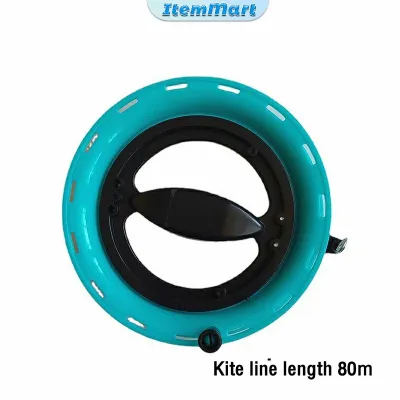
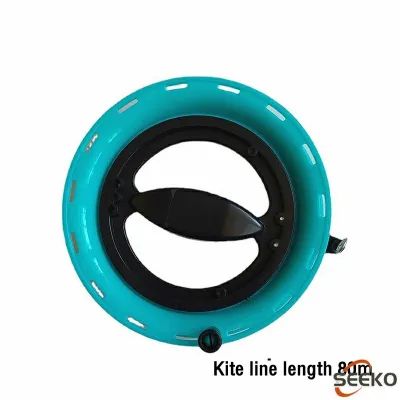
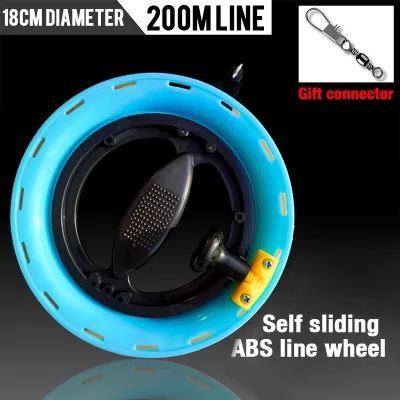
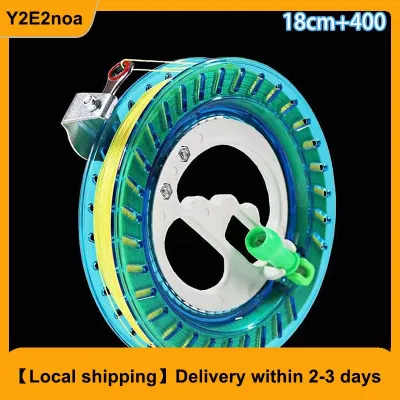
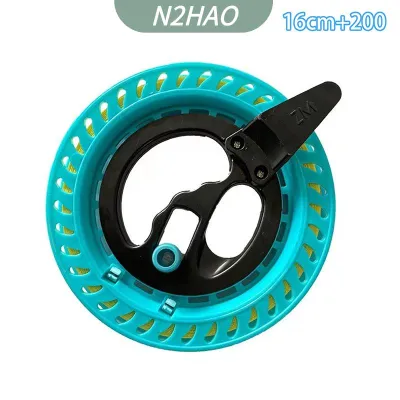
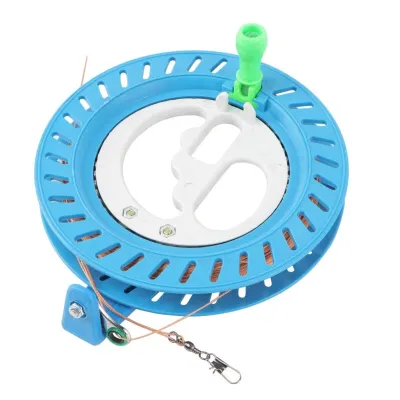
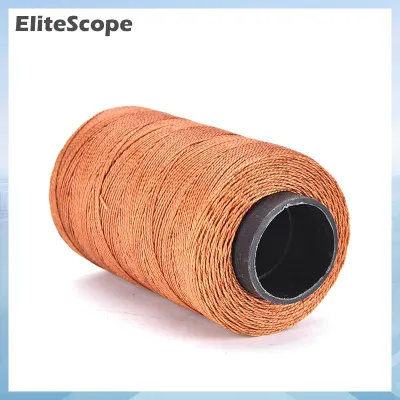
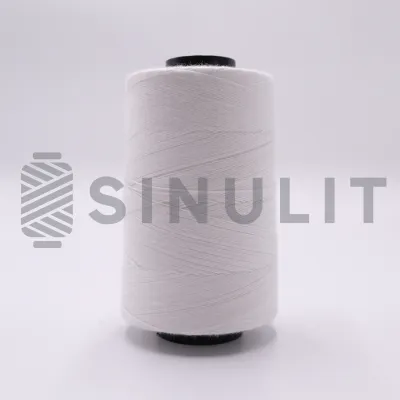
Prices are valid at publication and may change. Please refer to the product page for the latest price.
Kite Line and String Winder/Spool The line is your only physical connection to your kite, making it the most critical accessory in your kit. For beginners, a single-line kite requires a braided polyester or nylon line, which offers a balance of strength, slight elasticity to absorb gusts, and resistance to abrasion. It is vital to match the line’s tensile strength (measured in pounds or kilograms) to the size and pull of your kite; using a line that is too light leads to sudden snaps, while a line that is too heavy drags the kite down. A simple halo winder or hoop spool is ideal for beginners because it allows you to feed and retrieve line smoothly without mechanical parts that can jam or trap sand.
Kite Tails While often viewed as purely decorative, a kite tail is a functional aerodynamic accessory that provides crucial drag and stability. In the unpredictable coastal or open-park breezes common across the Philippines, a kite can easily spin, dive, or roll if the wind speed exceeds its design limits. Attaching a lightweight ribbon or tube tail adds drag to the lower section of the kite, keeping the nose pointed upward into the wind. If you are flying a simple diamond or delta kite in gusty conditions, adding a tail can transform an erratic, frustrating flight into a stable and manageable one.
Protective Gloves A flying kite can generate surprising tension, especially when a sudden tropical gust catches the sail. As the line zips through your fingers, the friction can cause painful line burns, cuts, or blisters in a fraction of a second. A pair of lightweight, durable gloves—such as simple gardening gloves or sailing gloves with reinforced palms—is essential for safe handling. These gloves allow you to maintain a firm grip on the line during launch, retrieval, or when adjusting tension, protecting your hands from the high-tension friction of braided nylon.
Sun and Eye Protection Kite flying requires you to look directly up into the sky for extended periods, exposing your eyes and skin to intense solar radiation. In bright, tropical outdoor environments, a wide-brimmed hat and a pair of polarized sunglasses are indispensable safety accessories. Polarized lenses are particularly useful because they cut through the intense glare of the sun reflecting off the water or bright clouds, allowing you to track your kite’s orientation and line angle clearly. Additionally, applying a broad-spectrum, water-resistant sunscreen protects your skin from UV damage during long hours on open fields or sandy shores.
Situational Gear: When Do You Actually Need These?
Once you have mastered the absolute essentials, you may encounter specific flying environments or weather conditions that call for additional gear. Rather than buying everything at once, evaluate your typical flying location to decide if these situational tools are worth the investment.

Ground Anchors and Stakes A ground anchor or sand stake is highly useful when you plan to fly your kite for hours at a time, or when the wind pull becomes too fatiguing to hold manually. These accessories allow you to secure the spool firmly to the ground so you can step back and enjoy the view. In loose sand, a specialized fabric sand anchor or a deep-reaching plastic peg is necessary to resist the constant upward pull of the kite. However, safety must remain your top priority: never leave an anchored kite completely unattended, and ensure the line is clearly flagged so other beachgoers or park visitors do not accidentally walk or run into it.
Kite Bags and Carrying Cases If you only fly a single, small folding kite a few times a year, a standard backpack or the plastic sleeve your kite came in is perfectly adequate. However, if you transition to larger delta kites or accumulate multiple kites for family outings, a dedicated, padded kite bag becomes highly practical. These long, weather-resistant bags keep your sails clean, prevent the delicate fiberglass or carbon-fiber spars from snapping during transport, and keep your winders organized in separate compartments to prevent tangles.
Spare Spars and Repair Tape Crashes are an inevitable part of the learning process, particularly when you are practicing launches or flying in turbulent wind near trees and buildings. If you frequently fly on rocky beaches or hard-packed soil, a hard impact can easily crack a frame rod (spar) or tear the sail fabric. Carrying a small repair kit containing ripstop nylon repair tape and a few spare fiberglass spars of the correct diameter can save your day from being cut short. Before attempting any structural repairs, always check your kite manufacturer’s instructions to ensure you use compatible replacement parts that will not compromise the kite’s balance or flight safety.
Wind Meters (Anemometers) A handheld wind meter, or anemometer, measures the exact wind speed at your current location. While checking a reliable local weather app is generally sufficient for a beginner to know if it is a breezy day, apps cannot account for microclimates, wind shadows, or localized coastal gusts. If you find yourself flying in highly variable conditions where determining the safe upper wind limit of your kite is critical, a physical wind meter becomes a useful tool. It allows you to verify if the wind falls within your kite’s recommended operational range (typically 8 to 20 miles per hour for most beginner models) before you risk launching and damaging your gear.
Skip These: Accessories Beginners Don't Need Yet
The market is filled with advanced and highly specialized kite gear that can easily overwhelm a beginner. Purchasing these items too early not only strains your budget but can also complicate the learning process and lead to unnecessary frustration.
High-End Stunt Kite Handles and Multi-Line Bridle Systems Stunt kites and power kites utilize dual-line or quad-line control systems that allow the pilot to perform complex maneuvers, loops, and dives. These systems require specialized handles, padded wrist straps, and intricate bridle adjustments to function correctly. For a beginner, attempting to manage multiple lines simultaneously while learning basic wind dynamics is incredibly difficult and often results in immediate, high-speed crashes. Stick to a simple, single-line kite with a basic spool until you can consistently read the wind, launch independently, and maintain stable altitude control.
Expensive Custom-Machined Spools You may see experienced flyers using heavy, custom-machined aluminum reels or large, ball-bearing-supported winding wheels that look like bicycle rims. While these high-end reels make retrieving thousands of feet of line faster, they are expensive, heavy, and completely unnecessary for beginner-sized kites. A standard, durable plastic or wooden hoop winder is lightweight, highly portable, and perfectly safe for managing the 50 to 100 meters of line typically used by beginners.
Night-Flying LED Kits Attaching battery-powered LED lights or glow sticks to your kite for night flying can look spectacular, but it introduces significant safety risks for beginners. Flying in the dark severely limits your depth perception, making it difficult to judge the kite’s altitude, distance, and proximity to obstacles like trees or overhead power lines. Furthermore, the added weight of battery packs can alter the kite’s balance and aerodynamic properties, making it unstable. Focus on mastering daytime launches, wind windows, and boundary control before attempting to fly after sunset.
Pre-Flight Checklist: Diagnosing Your Gear Needs Before You Fly
Before you launch your kite into the sky, performing a quick, systematic inspection of your gear and surroundings is essential to prevent accidents and equipment loss. This self-diagnosis routine ensures that your setup is appropriate for the day’s specific conditions.
Inspecting Line Integrity Unwind the first few meters of your kite line and inspect it closely for any signs of wear. Look for frays, knots, or discoloration, which often indicate UV degradation caused by exposure to the intense tropical sun. A single weak point in your line can easily snap under the tension of a sudden gust, sending your kite drifting away. If you detect any damage, cut away the compromised section and securely tie a fresh knot, or replace the line entirely if the wear is widespread.
Matching Line Weight to Daily Conditions Assess the wind strength on-site and verify that your line weight matches both your kite’s surface area and the current wind speed. If the breeze is very light, a heavy, thick line will create excessive sag and drag, preventing your kite from climbing to stable air. Conversely, if the wind is strong and gusty, a thin, lightweight line risks snapping under the high aerodynamic load. As a general rule, use lighter lines (around 20 to 30-pound test) for small kites in gentle breezes, and step up to heavier lines (50-pound test or higher) as the kite size or wind speed increases.
Assessing the Flying Field Take a full 360-degree look at your surroundings before assembling your kite. Your flying area must be completely clear of overhead power lines, tall trees, buildings, roads, and crowds of people. Power lines present an immediate, life-threatening electrical hazard; if your kite ever contacts a power line, release the spool immediately and contact local utility professionals. Ensure you have ample downwind space, as wind passing over nearby structures or trees creates turbulent “rotors” of air that can slam your kite into the ground.
Knowing When to Abort Equipment and preparation cannot replace sound judgment and safety limits. If you observe dark storm clouds, feel rain starting to fall, or hear thunder, pack up your gear immediately. Wet kite lines can conduct electricity, turning your flying line into a dangerous lightning hazard. Additionally, if the wind becomes so strong or gusty that you struggle to maintain your footing or hold the spool comfortably, the conditions have exceeded your safe operational limits. Recognize these environmental stop conditions and wait for a safer, more manageable day to fly.
Frequently Asked Questions (FAQ)
Can I use regular sewing thread or fishing line for my kite?
No, you should never use sewing thread or monofilament fishing line for flying a kite. Sewing thread lacks the tensile strength to withstand even mild breezes, leading to immediate breakages. Fishing line is highly elastic, thin, and nearly invisible, which makes it incredibly dangerous to bystanders, wildlife, and yourself as it can easily cause deep cuts or entanglement hazards under tension.
Do I need a special kite reel for a single-line kite?
No, a specialized or mechanical kite reel is not necessary for a single-line beginner kite. A basic plastic hoop winder or a simple halo spool is highly effective, lightweight, and easy to control. These simple winders allow you to feel the tension of the line directly, helping you learn how the kite responds to changing wind speeds.
How do I stop my kite line from tangling on the winder?
To prevent tangles, always maintain light, steady tension on the line as you wind it back onto the spool. Avoid letting the line go completely slack, which allows loops to overlap and knot. Wrap the line in a consistent figure-eight pattern or clean parallel rows across the winder, and secure the end of the line firmly to the spool frame when you are finished.
Community discussion
Share your experience or ask a question. Comments are reviewed before publication.