
Choosing the right kite string is the difference between a soaring, stable flight and watching your favorite kite drift away into the tropical sky. To prevent frustrating snap-offs and sluggish performance, you must match the string’s thickness, tensile strength, and length to your specific kite size and flying style. Finding this balance ensures your kite handles predictably, stays anchored in shifting coastal breezes, and remains highly responsive to your inputs.
Decoding Kite String Specifications
When browsing options on an online marketplace or at a local hobby shop, you will encounter specifications for tensile strength and line thickness. Tensile strength, often referred to as breaking strain, represents the maximum pulling force a line can withstand before it snaps. When comparing options, you will find various spools priced in ₱, but focus on the specifications rather than just the cost.
Thickness, or line diameter, directly influences how the string behaves in the air. A thicker line is easier to see and handle, but it creates more wind resistance and adds significant weight to your flying setup. Conversely, a thinner line cuts through the air with minimal drag, allowing the kite to fly higher in lighter winds, though it can be harder on your hands and more difficult to untangle.
Products mentioned in this guide
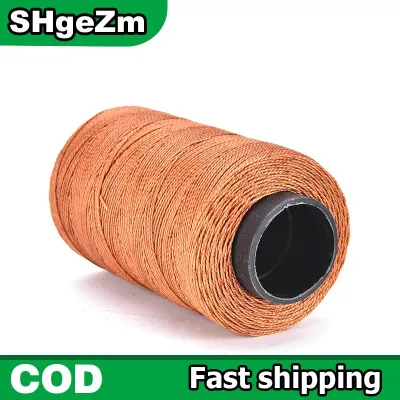
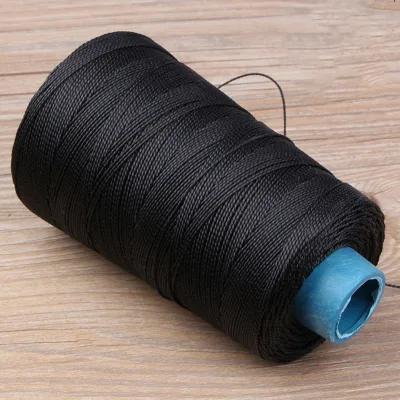
![[COD] AqToCna Ship within 24 hours 200M 2 Strand Kite Line Durable Twisted String For Flying Tools Reel Kites Parts](https://img.lazcdn.com/g/p/54c90700e02869d98fd88db9da921e60.jpg_400x400q80.jpg_.webp)
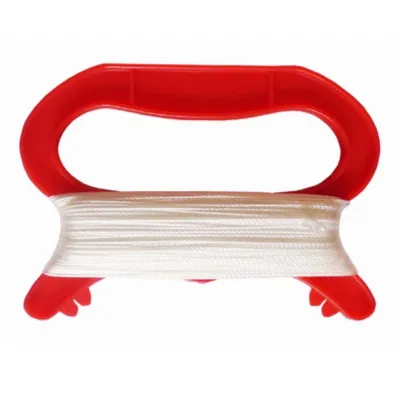
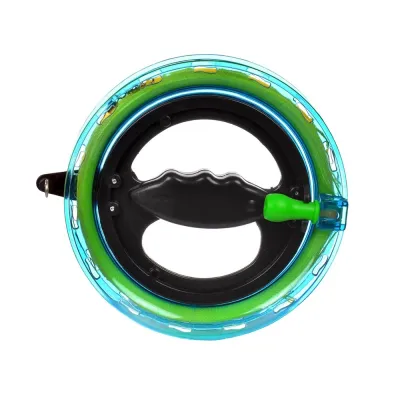
![[COD] WHPHous Ship within 24 hours 1 Piece Twisted Kite String Rope Line Outdoor Round Grip 150 200 400M Kite Reel Winder Hand Grip Wheel String Flying Handle Tool](https://img.lazcdn.com/g/p/b411db1599783edf2b8545aa26571967.jpg_400x400q80.jpg_.webp)
Prices are valid at publication and may change. Please refer to the product page for the latest price.
Always check the manufacturer’s packaging or product labels for these specific metrics before making a purchase. It is a common misconception that a stronger, thicker line is always better. In reality, using a line with excessive strength adds unnecessary weight and drag, which can severely limit your kite’s ability to lift off and remain stable.
Matching String Strength to Kite Size and Wind Conditions
Selecting the correct breaking strength requires analyzing your kite’s physical dimensions and the environment where you plan to fly. Larger kites with a wide surface area catch more wind, generating a much stronger pull than smaller, compact designs. The frame material also plays a role, as rigid fiberglass or carbon fiber spars can handle and transfer more force to the line than flexible bamboo or plastic frames.

Wind speed acts as a major force multiplier on your flying line. A breeze that feels gentle on the ground can exert a massive pull at higher altitudes, requiring a higher tensile strength. If you frequently fly near coastal areas or open fields with strong, gusty winds, upgrading to a stronger line is a necessary precaution.
To find the ideal match, look for the manufacturer’s recommended line strength range, which is usually printed on the kite’s product tag or detailed in the instruction manual. Adhering to these guidelines prevents you from underestimating the wind’s power.
Crucially, avoid using a string that far exceeds the structural limits of your kite’s frame. If the line is virtually unbreakable, a sudden, violent gust of wind will transfer all the stress directly to the kite itself. This can cause the spars or fabric to fracture and tear before the string has a chance to snap, resulting in a ruined kite.
Choosing Thickness and Material for Your Flying Style
Your choice of line diameter and material should align with how you prefer to fly and handle your kite. Thicker lines offer excellent durability and high visibility against the bright sky, making them a practical choice for casual family outings at the park. However, their high wind drag means you will need stronger winds to keep the kite aloft. Thinner lines minimize drag and weight, making them the preferred choice for light-wind flying, though they require careful handling to avoid painful line burns.
Different materials offer distinct handling characteristics, particularly regarding stretch and friction. Nylon lines are highly elastic, which helps absorb sudden shocks from gusty winds but reduces steering responsiveness. Polyester lines offer a balanced middle ground, with moderate stretch and good resistance to moisture and humidity.
For stunt or sport kites that require precise, split-second steering, low-stretch materials like braided lines are essential. These specialized lines transmit your hand movements instantly to the kite, allowing for sharp turns and complex aerial maneuvers.
Determining the Ideal String Length
The length of your kite string dictates how high your kite can fly and defines the overall size of your wind window. A longer line allows your kite to reach higher altitudes where wind currents are typically stronger and more consistent. However, a longer line also adds cumulative weight that the kite must support, which can drag it down if the wind is too light.
When deciding how much line to spool, consider your local environment. In open spaces like beaches or large public fields, longer lines give you the freedom to explore higher altitudes, provided you check for local aviation or park restrictions regarding maximum flying heights.
If you are flying in a smaller area with nearby trees or structures, a shorter line is much easier to manage and helps keep your kite within a safe, controllable zone. Beginners should start with the manufacturer’s recommended line length, adjusting the spool gradually as they gain confidence and experience with local wind patterns.
Safety Checks and Line Maintenance
Regular maintenance and pre-flight inspections are vital to prevent mid-air failures and ensure a safe flying experience for everyone nearby. Before launching, run the string through your fingers to feel for any fraying, knots, or weak spots. Prolonged exposure to intense tropical sunlight and high humidity can degrade line fibers over time, making visual checks for UV discoloration essential.
Flying with a damaged line carries a high risk of losing your kite. If you discover a weak section, cut it out and knot the line securely, or replace the entire spool if the damage is widespread.
Proper storage is equally important for preserving the structural integrity of your line. Always wind the string smoothly onto a dedicated hoop or reel without applying excessive tension, which can stretch and weaken the fibers. Store your spools in a cool, dry place away from direct sunlight to prevent premature aging.
Finally, prioritize safety by never flying your kite near power lines, busy roads, or airports. A wet or high-tension kite line can conduct electricity or cause severe cuts if it comes into contact with skin, so always maintain a safe distance from bystanders and obstacles.
Frequently Asked Questions (FAQ)
Can I use regular sewing thread or fishing line for my kite?
Regular sewing thread lacks the necessary tensile strength and quickly degrades under UV exposure. Fishing line is also a poor substitute; its high elasticity makes control difficult, it is nearly invisible, and it does not hold standard kite knots well. More importantly, fishing line can act like a sharp blade under high tension, posing a severe cut hazard. Dedicated kite lines are specifically engineered to handle aerodynamic forces safely.
How do I know if my kite string is too heavy for my kite?
You can identify an oversized or overly heavy line through several clear, observable signs during flight. If your kite struggles to gain altitude, sags deeply toward the ground even in steady breezes, or requires you to run constantly to keep it aloft, the line is likely too heavy. The added weight and wind drag of an excessively thick string reduce the kite’s aerodynamic efficiency. If you notice these symptoms in moderate winds, try switching to a thinner line with a matching safe breaking strain.
Community discussion
Share your experience or ask a question. Comments are reviewed before publication.