
Selecting the right martial arts uniform is a foundational step for any Taekwondo practitioner in the Philippines. The dobok is not merely training attire; it is a functional tool that must withstand intense physical exertion, rapid kicking motions, and the challenging tropical humidity of local dojangs. Kix, a well-established brand in the local martial arts scene, offers a diverse range of dobok options tailored to different skill levels, competitive disciplines, and training environments. Understanding the specific characteristics of these options allows you to make an informed decision that supports your athletic progression and ensures compliance with organizational standards.
When navigating the available choices, you must balance comfort, durability, and regulatory requirements. A beginner practicing basic stances has vastly different gear requirements than an elite competitor executing high-speed sparring maneuvers or precise poomsae forms. By analyzing the material compositions, cuts, and design details of different uniform tiers, you can identify the exact model that aligns with your current training demands and budget.
Identifying Kix Dobok Options by Training Level
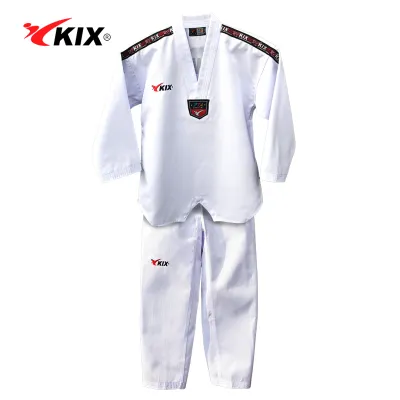
Beginner and student-level doboks are engineered primarily for durability, ease of maintenance, and cost-effectiveness. For those just starting their Taekwondo journey, the focus is on mastering foundational movements, stances, and basic kicks. These entry-level uniforms typically utilize a robust polyester-cotton blend that resists tearing during repetitive stretching and ground work. The fabric is designed to withstand frequent washing cycles without losing its shape or color, making it highly practical for students training multiple times a week. The fit is generally standard and forgiving, providing ample room for growth and movement without specialized tailoring.
Products mentioned in this guide
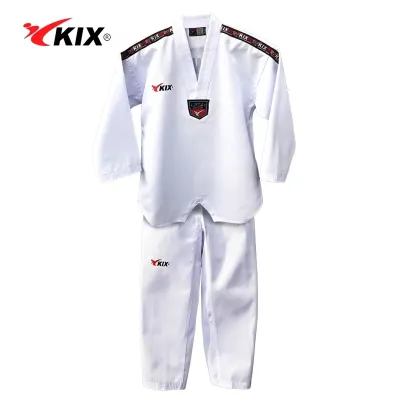
Prices are valid at publication and may change. Please refer to the product page for the latest price.
As practitioners transition to intermediate and advanced training, the physical demands on the uniform increase significantly. Advanced students execute dynamic, high-impact kicking combinations that require a greater range of motion. Intermediate doboks address this by incorporating reinforced stitching along high-stress areas, such as the crotch gusset, underarms, and side slits. The materials used in these mid-tier options often feature improved breathability and moisture-management properties, helping to keep the athlete cool and dry during intense sparring drills and extended training sessions in warm environments.
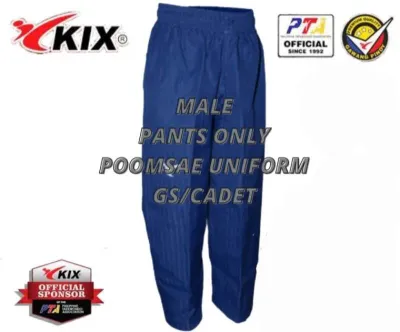
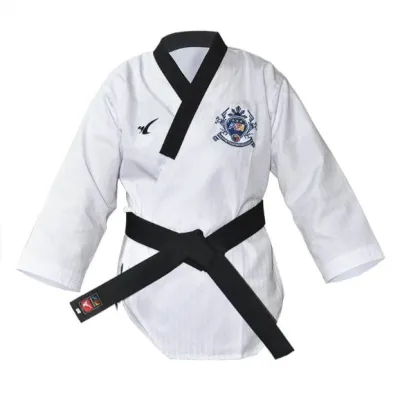
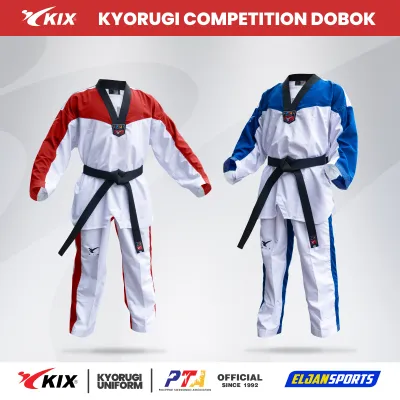
For elite competitors, black belts, and instructors, premium-level doboks offer specialized performance features and a highly tailored aesthetic. These top-tier uniforms are divided into specific categories for sparring (kyorugi) and forms (poomsae). Sparring-focused models utilize ultra-lightweight, synthetic fabrics that minimize drag and maximize speed, often incorporating mesh ventilation panels in strategic heat zones. Conversely, poomsae and instructor uniforms employ heavier, structured weaves designed to hold their shape and produce a sharp, audible snap during crisp punches and kicks, projecting a highly professional and disciplined appearance.
Matching the Uniform to Your Taekwondo Discipline
World Taekwondo (WT) style doboks are characterized by their distinctive V-neck pullover design. When selecting a WT-compliant uniform, you must pay close attention to the collar color, which denotes your rank. Color belt students wear a solid white V-neck, junior black belts (under 15 years old) wear a red-and-black V-neck, and adult black belts wear a solid black V-neck. Furthermore, WT competition rules distinguish between sparring and forms uniforms; sparring doboks are designed for maximum flexibility and compatibility with electronic protective gear, while poomsae doboks feature specific jacket and pants color combinations that vary by gender and age group.

International Taekwon-Do Federation (ITF) style doboks follow a traditional design that features a front-closing jacket rather than a pullover. The jacket typically secures with a vertical hook-and-loop fastener or a zipper down the center. ITF uniforms also have specific requirements regarding badge and embroidery placements, including the federation patch on the chest and the traditional ITF tree logo on the back of the jacket. Black belt practitioners in the ITF style wear uniforms adorned with black piping along the bottom hem of the jacket, and sometimes down the sides of the trousers, depending on their specific degree.
For practitioners focused on traditional training, self-defense, or non-affiliated martial arts systems, federation compliance may not be the primary concern. In these settings, the priority shifts toward maximum utility and personal comfort. Traditional training often favors heavier canvas fabrics that can withstand grabbing, pulling, and throwing techniques without tearing. These uniforms typically feature a modest, relaxed fit and a clean, unbranded aesthetic, allowing the practitioner to focus entirely on the physical and mental aspects of their training without worrying about competitive gear regulations.
Key Specifications to Verify on the Product Label
Evaluating the fabric composition and weave on the product label is essential for determining how the dobok will perform in daily training. Most standard uniforms utilize a blend of polyester and cotton, commonly in a 65/35 ratio. Polyester provides strength, wrinkle resistance, and quick-drying capabilities, which are vital in humid tropical climates, while cotton offers softness and breathability. You should also check the weave type; a ribbed or diamond-patterned weave reduces the surface area of the fabric that touches your skin, preventing the uniform from sticking to your body when you sweat heavily.
Fabric weight is typically measured in ounces (oz) or grams per square meter (GSM), indicating the thickness and density of the material. Lightweight uniforms, ranging from 7 oz to 8 oz, are highly recommended for daily training in warm dojangs as they allow for optimal airflow and ease of movement. Medium to heavyweight fabrics, ranging from 10 oz to 12 oz or more, offer greater structural integrity and a traditional feel. While heavier fabrics provide a more pronounced snap during forms, they also retain more heat and moisture, making them more demanding to wear during intense cardiovascular workouts.
Shrinkage is a critical factor to consider, especially for uniforms containing a high percentage of cotton. You should look for labels indicating that the fabric has been pre-shrunk during manufacturing. If the uniform is not pre-shrunk, you can expect it to shrink by approximately 3% to 5% after the first few washes, particularly if exposed to warm water. Checking the care instructions on the label will guide you on the correct washing temperatures and drying methods required to maintain the uniform’s original dimensions and prolong its overall lifespan.
Sizing charts for martial arts uniforms often differ from standard clothing sizes, typically using a numerical system ranging from 0000 (for young children) to 7 or higher (for tall adults). To find the correct fit, you must cross-reference your total height and weight with the manufacturer’s specific sizing table. It is important to measure your wingspan and trouser inseam, ensuring that the sleeves end just before the wrists and the pants sit slightly above the ankles. This prevents the fabric from stepping on your feet or interfering with your hand placement during training.
Sourcing Authentic Kix Doboks in the Philippines
To ensure you are purchasing a genuine Kix dobok, it is highly recommended to source your gear through authorized local distributors and established physical martial arts supply stores. Visiting a physical retail outlet allows you to inspect the uniform firsthand, feel the weight of the fabric, and verify the quality of the stitching. Physical stores also provide the invaluable opportunity to try on different sizes, ensuring a perfect fit before making a purchase. When buying in-store, do not hesitate to ask the staff about official product warranties, exchange policies, and stock availability for specific models.
When navigating online marketplaces, you must exercise caution to ensure you are buying from verified and reputable sources. Look for official brand flagship stores or sellers with verified mall badges on major local ecommerce platforms. Carefully read recent buyer reviews, paying close attention to feedback regarding fabric quality, sizing accuracy, and packaging. Reliable online sellers will provide detailed sizing guides, responsive customer service, and a clear, hassle-free return or exchange policy to accommodate any sizing discrepancies that may arise upon delivery.
Identifying counterfeit martial arts gear requires a keen eye for detail and an understanding of standard product quality. Red flags for counterfeit doboks include inconsistent or poorly embroidered logos, misspelled brand names on labels, and loose or uneven stitching along the seams. Authentic uniforms feature high-density, clean embroidery and are packaged with official tags containing clear care instructions and manufacturing details. Additionally, be wary of listings offering prices that are significantly lower than the standard retail rates found at authorized distributors, as unusually cheap products often indicate substandard materials and construction.
Frequently Asked Questions (FAQ)
How should I wash my Kix dobok to prevent shrinking and fading?
To preserve the fabric integrity and color of your dobok, always wash it in cold water using a gentle cycle. Avoid using harsh chlorine bleach, as it can weaken the synthetic fibers and cause white fabrics to turn yellow over time; instead, opt for mild detergents or oxygen-based whiteners. Air drying is highly recommended over machine drying, as the high heat of a dryer can cause significant shrinkage and damage the structured collar of the uniform. Hang the dobok immediately after washing to minimize wrinkles and maintain its crisp appearance.
Do I need to buy a separate dobok for WT sparring and poomsae?
For casual, day-to-day club training, a single versatile, mid-weight dobok is generally sufficient for both sparring and forms. However, if you plan to participate in official WT-sanctioned tournaments, you will need specialized uniforms to comply with competition regulations. Sparring doboks are designed to be ultra-lightweight and stretchable to facilitate rapid movement, while poomsae doboks feature specific color combinations and stiffer fabrics designed to emphasize the precision and power of your movements through an audible snap.
What size Kix dobok should I order if I am between sizes?
If your measurements fall between two sizes on the sizing chart, it is generally advisable to select the larger size. A slightly larger dobok can be easily adjusted using the elastic waistband, internal drawstrings, and your martial arts belt, ensuring you maintain a full range of motion for high kicks. Furthermore, choosing the larger size provides a safety margin for any minor fabric shrinkage that may occur during the first few wash cycles, preventing the uniform from becoming too tight or restrictive.
Community discussion
Share your experience or ask a question. Comments are reviewed before publication.