
Quick Answer: Which Klean Kanteen Model Fits Your Routine?
Selecting the right stainless steel bottle depends on how you balance weight, temperature control, and convenience. If your priority is a lightweight, budget-friendly option for active sports or hiking where every gram matters, the single-wall Classic model is your best fit. For those who need to keep drinks ice-cold during humid commutes or want to prevent condensation from pooling on office desks, an Insulated model is the ideal choice. If you prefer easy cleaning, frequently add ice cubes, or want a bottle that can double as a container for soups and smoothies, a Wide-Mouth variant is highly recommended.
Keep in mind that mouth size and insulation are independent features. You will need to verify the specific model configuration, such as an insulated wide-mouth bottle, before making your final purchase to ensure it matches your exact needs.
Understanding the Lineup: Construction vs Mouth Size
To make an informed decision, it is essential to understand how Klean Kanteen categorizes its bottles. The term “Classic” refers to the traditional bottle shape featuring a narrow, standard-mouth opening. This design is optimized for easy drinking on the go and is highly compatible with sports caps.
Products mentioned in this guide
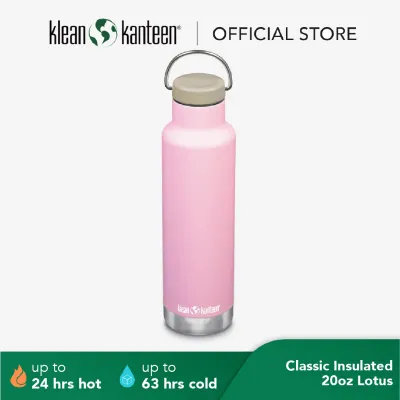
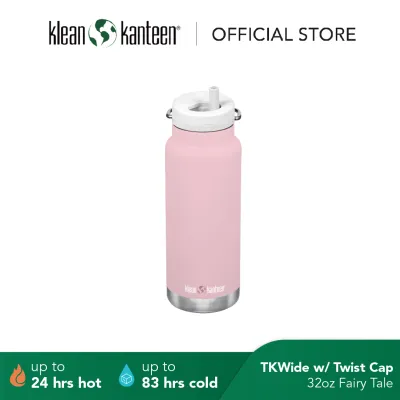
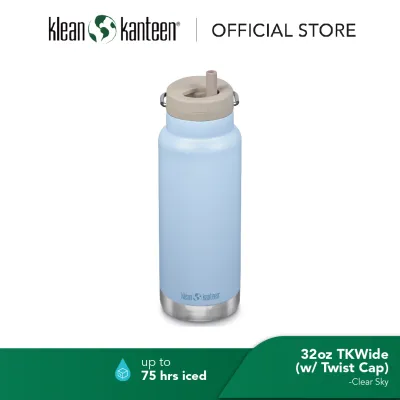
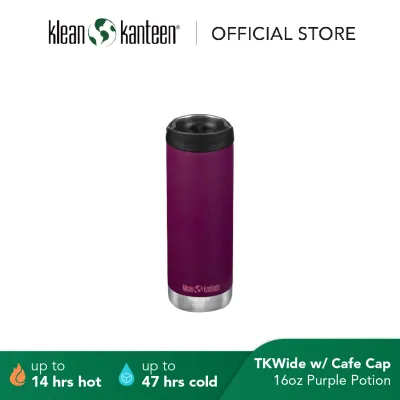
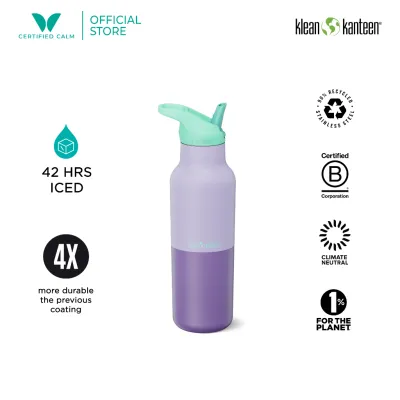
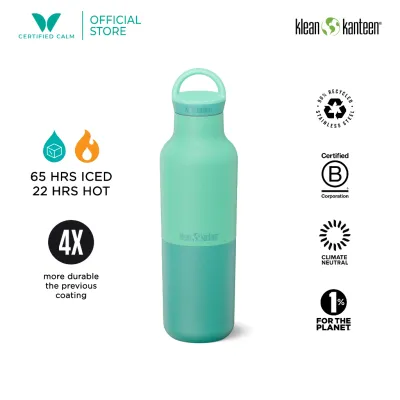
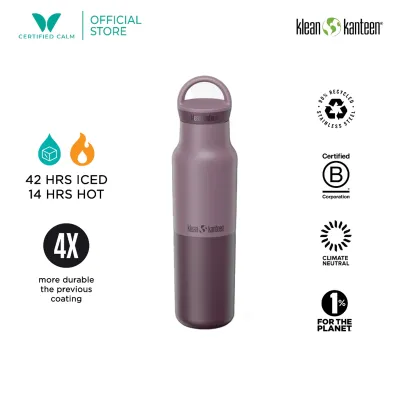
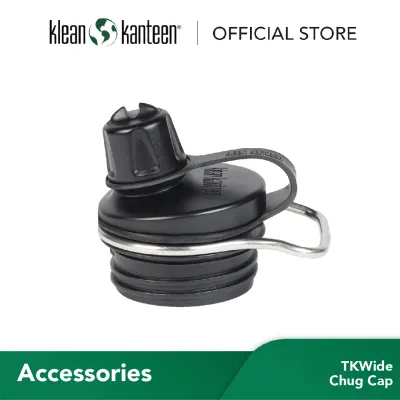
Prices are valid at publication and may change. Please refer to the product page for the latest price.

The term “Insulated” refers strictly to the wall construction. These bottles utilize a double-wall vacuum-sealed design that creates a barrier against external temperatures. Insulated models are available in both the narrow Classic shape and the wider mouth profiles, meaning you do not have to choose between insulation and a wider opening.
“Wide-Mouth” describes the diameter of the bottle’s neck. A wider opening makes it much easier to fill the bottle with ice, pour thick liquids, and perform thorough cleaning. However, a wider mouth does not inherently dictate whether the bottle is insulated or single-walled, as both options exist in the product lineup.
When browsing online marketplaces or local outdoor shops, pay close attention to the product titles. A bottle labeled “Classic Single-Wall” will be lightweight but will not hold temperature, while a “Wide-Mouth Insulated” bottle will offer thermal retention alongside a larger opening. Understanding these overlapping attributes ensures you do not accidentally purchase a single-wall model when you require vacuum insulation.
Feature Breakdown: Comparing the Core Configurations
To help you visualize the differences, the following comparison highlights how these core configurations stack up against each other in daily use.
| Feature | Single-Wall Classic | Insulated Classic | Wide-Mouth Insulated |
|---|---|---|---|
| Wall Construction | Single-wall stainless steel | Double-wall vacuum insulated | Double-wall vacuum insulated |
| Mouth Diameter | Narrow / Standard | Narrow / Standard | Wide |
| Relative Weight | Very lightweight | Moderate to heavy | Moderate to heavy |
| Condensation Risk | High (with cold liquids) | None | None |
| Best Suited For | Ambient water, active sports | Hot/cold drinks, office desks | Ice-cold drinks, easy cleaning |
Because physical dimensions, exact weights, and fluid capacities vary significantly across different sizes (such as 18-ounce, 32-ounce, or larger variants), we recommend checking the specific product label or SKU details. This verification ensures that the bottle’s physical footprint matches your carrying setup and accessory preferences.
Temperature Control and Condensation
The physical construction of your bottle directly dictates how it handles temperature. Single-wall Classic bottles offer no thermal barrier. When you fill a single-wall bottle with ice water in a warm, humid climate like the Philippines, heat transfer occurs rapidly. This causes the exterior of the bottle to “sweat” profusely, creating condensation that can easily saturate your backpack, damage nearby electronics, or leave water rings on wooden desks.
In contrast, double-wall Insulated models prevent this heat transfer entirely. The vacuum seal between the two stainless steel walls keeps the exterior surface at ambient temperature, regardless of how cold or hot the liquid inside is. This completely eliminates exterior condensation, making insulated models much safer to pack alongside notebooks, laptops, and dry clothes.
Temperature control also involves safety considerations, particularly with hot beverages. You should never put hot or boiling liquids into a single-wall Classic bottle. Because there is no insulation, the stainless steel exterior will instantly become scalding hot, posing a severe burn risk to your hands.
For hot teas or coffees, always opt for an Insulated model. Even then, it is crucial to check the manufacturer’s care instructions and safety labels to verify the maximum safe temperature thresholds. Some cap designs, such as sport caps or straw lids, are not rated for hot liquids due to pressure buildup and spilling hazards, so always pair your insulated bottle with an appropriate loop or café cap.
Cleaning Ease and Cap Compatibility
Daily maintenance is a major factor in how much you will enjoy using your bottle over time. Standard-mouth Classic bottles have a narrower opening, which can make hand-washing a bit more challenging. You will need a dedicated bottle brush to reach the bottom corners, and air-drying can take longer due to restricted airflow through the narrow neck.
Wide-Mouth models simplify the cleaning process significantly. The larger opening easily accommodates standard kitchen sponges, larger bottle brushes, and allows for rapid air-drying. If you plan to mix sports drinks, electrolytes, or store smoothies in your bottle, the wide-mouth design is much easier to scrub clean of residue.
Cap compatibility is another area where mouth size plays a critical role. Standard-mouth Classic bottles are compatible with a specific range of narrow caps, including the leak-proof loop cap, the high-flow sport cap, and kid-friendly options. These caps will not fit Wide-Mouth models, which require their own dedicated wide-cap accessories, such as café caps, wide loop caps, or straw lids.
Dishwasher safety also depends on the specific bottle’s construction and exterior finish. While many single-wall stainless steel bottles are dishwasher safe, vacuum-insulated models often require hand-washing to protect the integrity of the thermal seal. Additionally, colored exterior coatings may have specific washing instructions to prevent chipping or fading. Always verify the care instructions on the product packaging to ensure your cleaning routine matches the manufacturer’s guidelines.
Weight, Durability, and Packability
For active users, commuters, and hikers, the physical footprint of the bottle is just as important as its thermal performance. Single-wall Classic bottles are incredibly lightweight and compact. Because they lack a second steel wall and a vacuum gap, they offer the maximum fluid capacity for the least amount of physical bulk, making them the preferred choice for long-distance hikers who prioritize a light trail weight.
Insulated models are noticeably heavier and bulkier than their single-wall counterparts of the same volume. This added weight is a necessary trade-off for temperature retention. If you are commuting daily on public transit or walking long distances, you must decide whether the comfort of a cold drink outweighs the extra weight in your bag.
Durability is another factor to consider. High-grade stainless steel is highly durable, but it is not immune to physical damage. If a single-wall Classic bottle is dropped on a hard surface, it may dent, but it will remain fully functional. However, if an Insulated bottle suffers a severe dent, particularly near the base or the seams, the impact can compromise the vacuum seal. Once the vacuum is lost, the bottle will lose its insulation properties and may begin to sweat.
Packability also depends on the bottle’s diameter. Standard-mouth Classic bottles generally feature a slimmer profile that fits easily into standard car cup holders, bicycle bottle cages, and the side pockets of most backpacks. Wide-Mouth models, especially those with larger fluid capacities, have a wider base that may not fit into standard holders. Before purchasing, measure your backpack pockets or vehicle cup holders and compare them against the bottle’s specifications.
Final Decision Rules: Choose Based on Your Priorities
To finalize your choice, consider how your daily activities align with the strengths of each model.
Choose a Single-Wall Classic Model if:
- Weight is your primary concern: You want a lightweight bottle for hiking, running, or cycling where minimizing pack weight is your main goal.
- You prefer ambient drinks: You primarily drink ambient-temperature water and do not need to keep liquids hot or cold.
- You want a budget-friendly option: You are looking for a durable, cost-effective stainless steel bottle.
Choose an Insulated Classic Model if:
- You need condensation control: You want to keep your water cold during hot, humid days without worrying about condensation ruining your bag or desk.
- You want a slim profile: You prefer a packable bottle that fits easily into standard cup holders and backpack side pockets.
- You carry hot and cold drinks: You want the option to carry both hot and cold beverages safely throughout the day.
Choose a Wide-Mouth Model (Insulated or Single-Wall) if:
- You use ice or thick liquids: You frequently add ice cubes to your drinks or use your bottle for thicker liquids like smoothies or soups.
- You prioritize easy maintenance: You want quick, effortless hand-washing and fast air-drying.
- You want specialized caps: You want to use wide-mouth accessories like café caps for hot coffee on the go.
Verify First Before Buying:
- Cap Compatibility: Ensure the specific cap you want to use (such as a sport cap or straw lid) is compatible with the mouth size of the bottle you select.
- Weight and Dimensions: Check the exact physical specifications if you have strict weight limits for backpacking or specific size constraints for your cup holders.
- Local Availability: Check local outdoor retailers or official online stores in the Philippines to verify which colors, sizes, and cap configurations are currently in stock.
Ultimately, the choice comes down to a simple trade-off: choose the Classic single-wall for maximum weight savings and cost efficiency, or choose an Insulated or Wide-Mouth model for superior temperature control and daily versatility. Always check the specific product label for exact capacities, care instructions, and current pricing in ₱ before finalizing your purchase.
Community discussion
Share your experience or ask a question. Comments are reviewed before publication.