
Choosing the right knee support can mean the difference between a swift return to your favorite sport and prolonged discomfort on the sidelines. To decide whether you need a knee compressor or a standard knee brace, you must first identify whether your primary goal is active post-workout recovery or structural joint stabilization during movement. While both tools target knee discomfort, they operate on entirely different principles: one uses temperature and pressure to manage swelling after exercise, while the other physically reinforces the joint to prevent injury during physical activity.
Quick Decision Guide: Knee Compressor or Standard Brace?
To quickly determine which device fits your current situation, evaluate your immediate physical symptoms and your current recovery phase. If you are dealing with visible swelling, localized heat, and general muscle fatigue after a hard workout, a knee compressor is your ideal tool. This device is designed for static, post-exercise recovery sessions where your main objective is to flush out metabolic waste and reduce inflammation while resting.
Conversely, if you experience joint instability, a sensation of the knee “giving way” during lateral movements, or structural clicking, you require a standard supportive knee brace. This gear is built to be worn during physical activity, providing the mechanical reinforcement necessary to protect your ligaments and guide your patella. While a basic elastic sleeve might cost a few hundred pesos, a high-quality pneumatic knee compressor is a more significant investment of several thousand ₱, making it essential to verify your specific recovery needs before purchasing.
Products mentioned in this guide
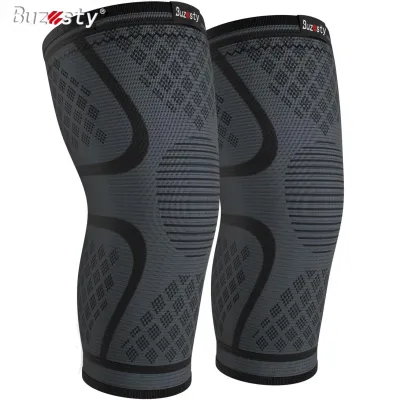
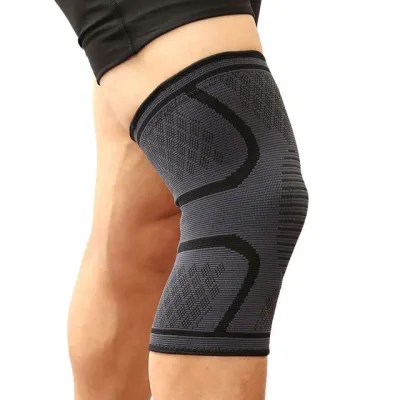
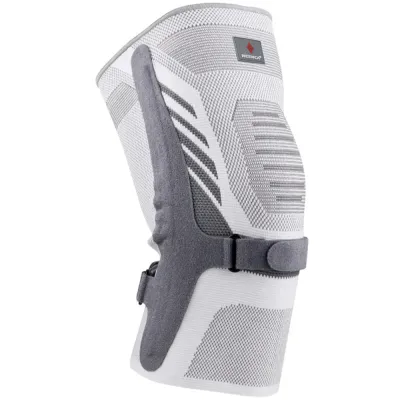
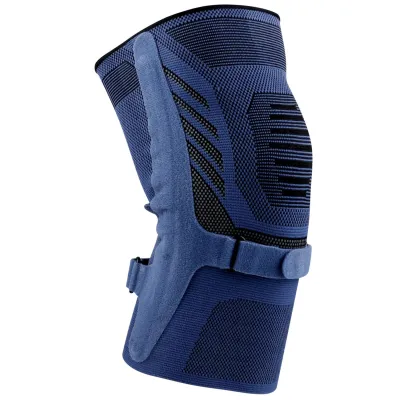
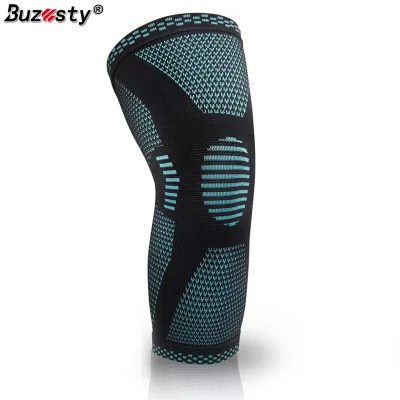
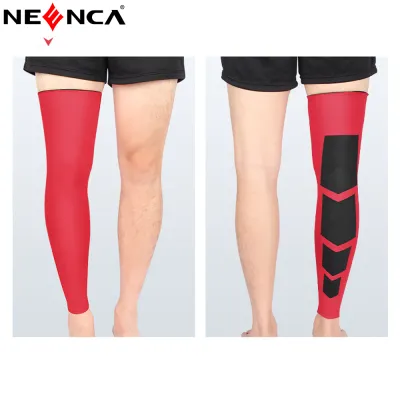
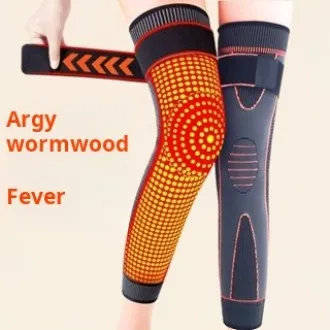
Prices are valid at publication and may change. Please refer to the product page for the latest price.
The Role of a Knee Compressor in Active Recovery
A knee compressor is a specialized recovery tool designed to deliver targeted pneumatic pressure, often combined with hot or cold temperature therapy. Unlike simple elastic sleeves, these devices typically feature inflatable air chambers that you inflate manually with a hand pump or automatically via an electronic control unit. This circumferential pressure works in tandem with removable gel ice packs or integrated heating elements to address the physiological effects of intense exercise.

In tropical climates where high humidity can exacerbate the feeling of heavy, fatigued joints, cold compression therapy is highly valued by athletes. The pneumatic pressure helps move interstitial fluid away from the joint space and back into the circulatory system, which can significantly reduce post-workout throbbing and stiffness. This makes the compressor an excellent addition to your rest-day routine or immediate post-game ritual.
However, the primary limitation of a knee compressor is its lack of structural support. Because these wraps are bulky and rely on air bladder inflation, they are not designed to stabilize the joint during dynamic movements. Attempting to run, jump, or lift weights while wearing an active pneumatic compressor is highly impractical and can compromise your natural biomechanics, potentially leading to secondary injuries.
When to Choose a Standard Supportive Knee Brace
A standard supportive knee brace serves a mechanical purpose, physically reinforcing the joint structure to prevent unwanted lateral movement or hyperextension. These braces range from lightweight pull-on sleeves with flexible side stays to heavy-duty hinged designs featuring rigid metal or plastic supports. Their primary function is to assist your ligaments and muscles in keeping the knee joint properly aligned under load.
You should opt for a standard brace if you are returning to sports like basketball, football, or badminton after a mild sprain, or if you need to manage chronic joint laxity. Braces are also highly beneficial for structural issues such as patellar tracking disorder, where a specialized brace with a built-in buttress helps keep the kneecap moving smoothly in its groove. These devices are engineered to withstand the high forces generated during heavy weightlifting or rapid directional changes on the court.
The trade-off with standard braces is that they do not actively address fluid accumulation or provide temperature therapy. While a tight neoprene sleeve offers mild warmth and basic compression, it cannot match the active fluid-flushing capability of a pneumatic compressor. Additionally, wearing a thick, non-breathable brace for extended periods in hot weather can trap sweat, leading to skin irritation and discomfort without offering any active recovery benefits once your workout is over.
Self-Assessment Checklist: Match Your Symptoms to the Right Gear
Before making a decision, perform a quick self-assessment of your knee’s physical state and the demands of your sport. This checklist will help you verify which gear aligns with your current physical needs.
Visual and Physical Indicators
- Assess for Swelling and Heat: Gently press the area around your kneecap. If the joint looks puffy compared to your other knee, feels warm to the touch, or throbs when resting, your primary need is fluid reduction. Choose a knee compressor.
- Assess for Instability and Clicking: Stand on one leg and slightly bend your knee, or mimic a lateral cut. If you feel a lack of confidence in the joint, a sensation of sliding, or hear mechanical clicking accompanied by sudden sharp pain, your ligaments require structural reinforcement. Choose a standard supportive brace.
Activity-Based Demands
- High-Impact and Lateral Movements: If your sport involves sudden stops, pivots, and jumps (such as basketball or tennis), you cannot wear a compressor during play. You need a supportive brace to protect the joint from excessive lateral strain.
- Linear and Endurance Sports: For runners or cyclists experiencing mild soreness after long training sessions, a compressor used during your post-run rest window is often more beneficial than wearing a restrictive brace while moving.
Comfort and Environmental Factors
- Humidity and Sweat Management: In warm, humid environments, trapping sweat under heavy gear can cause skin breakdown. If you require a brace for long hours of activity, look for models featuring breathable, moisture-wicking fabrics. If you choose a compressor, ensure the inner lining is easy to clean and dry to prevent bacterial growth.
Safety Boundaries: When to Stop Self-Care and See a Professional
While recovery gear and supportive braces are excellent tools for managing minor sports fatigue and mild instability, they cannot replace professional medical evaluation or proper physical training. Using these devices to mask severe pain so you can continue playing can lead to chronic, irreversible joint damage.
You must stop self-treatment immediately and consult a healthcare professional if you experience any of the following red flags:
- An inability to bear weight on your leg or take more than a few steps without severe pain.
- Visible joint deformity, extreme swelling that appears suddenly, or a sensation of the knee completely locking in place.
- Numbness, tingling, a "pins and needles" sensation, or coldness in your foot or calf during or after using compression gear. These signs indicate compromised circulation or nerve compression.
- Symptoms that persist, worsen, or fail to show noticeable improvement after a week of consistent rest, elevation, and proper device application.
Frequently Asked Questions (FAQ)
Can I wear a knee compressor and a standard brace at the same time?
No, you should not wear a knee compressor and a standard supportive brace simultaneously. Layering these devices can create excessive, uneven pressure on your joint, which risks restricting blood flow, compressing superficial nerves, and causing severe skin irritation. Additionally, the bulk of a compressor will prevent a standard brace from fitting correctly, rendering its structural support useless. Instead, adopt a sequential recovery schedule: wear your supportive brace during physical activity to protect the joint, and switch to your knee compressor during rest periods to manage post-workout swelling and muscle soreness.
How long should I use a knee compressor per session?
Most manufacturers recommend limiting a single cold compression session to 15 or 20 minutes. Prolonged exposure to cold temperatures and high pneumatic pressure can lead to tissue damage, localized frostbite, or temporary nerve irritation. Always monitor your skin during use; if you notice extreme redness, pale patches, or a loss of sensation, stop the session immediately. To ensure safe operation, always read and strictly follow the specific safety warnings, pressure limits, and timing guidelines detailed in your device’s user manual.
Community discussion
Share your experience or ask a question. Comments are reviewed before publication.