
Selecting the right knee pad support for exercise in the Philippines requires balancing joint stability with the realities of a warm, humid climate. Whether you are navigating high-impact court sports, lifting heavy weights, or engaging in daily cardio, the ideal knee support must manage sweat effectively while providing targeted compression. Because no single design fits every physical activity or body type, understanding how to evaluate materials, structural features, and sizing is essential to protecting your joints without restricting your natural movement.
Identifying Your Knee Support Requirements
Before purchasing any protective gear, you must assess the specific demands of your workouts and the current state of your joints. Knee supports generally fall into three categories: preventive wear, mild compression, and post-injury stabilization. Preventive supports are designed for healthy joints, offering light warmth and proprioception—the sensory feedback that helps you stay aware of your joint positioning during movement. Mild compression sleeves help manage minor aches, stiffness, or slight swelling from repetitive workouts. Post-injury stabilizers, which often feature rigid side stays or adjustable straps, are engineered to limit unwanted lateral movement while a healing joint recovers.
It is crucial to recognize that over-the-counter knee supports are not a substitute for professional medical care. If you experience sharp or sudden pain, persistent swelling, audible popping or grinding sounds, or a sensation that your knee is giving out or locking, you should stop exercising immediately. These symptoms often point to structural issues like ligament tears or meniscus damage that require a comprehensive evaluation by a physical therapist or orthopedic specialist. Relying on a tight sleeve to push through severe pain can worsen joint damage and prolong your recovery time.
Products mentioned in this guide
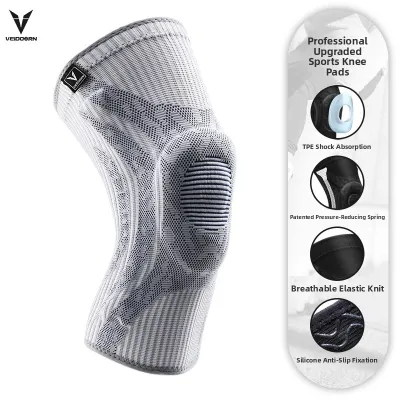
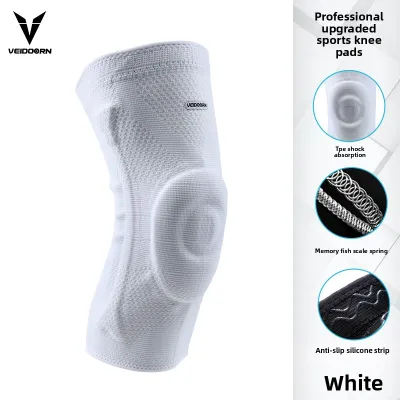
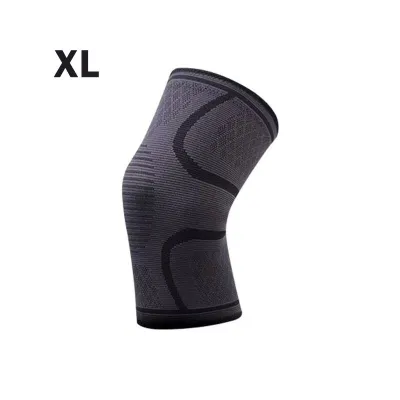
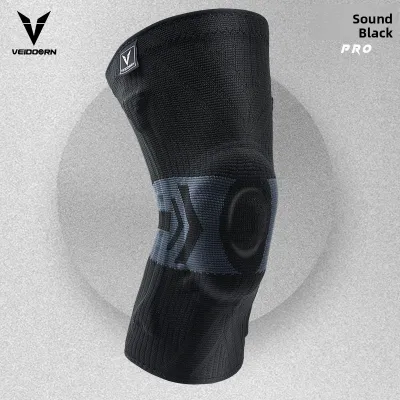
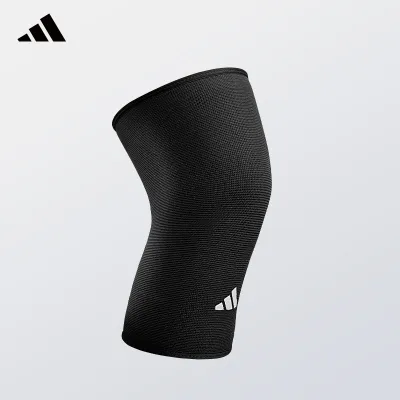
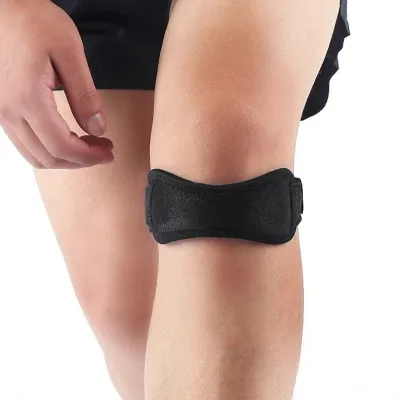
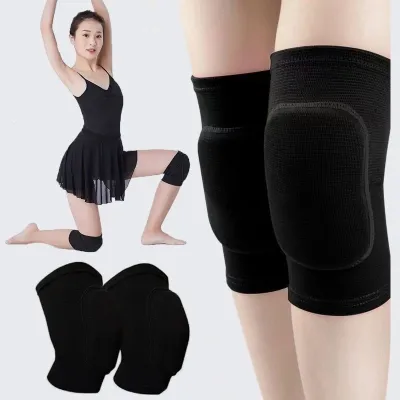
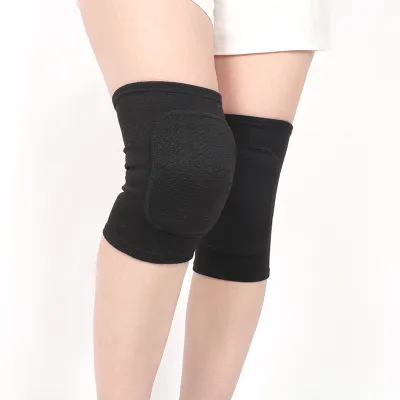
Prices are valid at publication and may change. Please refer to the product page for the latest price.
Your primary movement patterns also dictate the level of support you need. Sports that involve constant forward and backward motion, such as running or cycling, require a highly flexible support that does not pinch the back of the knee during deep flexion. Conversely, activities that demand sudden lateral shifts, pivoting, or jumping require structural reinforcement to keep the kneecap aligned and prevent the joint from twisting. By identifying whether your exercise routine is linear, multidirectional, or high-impact, you can narrow down the design features that will actually enhance your performance and safety.
Core Design and Material Features to Evaluate
Understanding the structural differences between knee support designs allows you to choose a model that aligns with your physical needs. Slip-on compression sleeves are the most common option, providing uniform pressure across the entire joint. They are low-profile, easy to wear under clothing, and excellent for general gym workouts. Wraparound braces utilize adjustable hook-and-loop straps, allowing you to customize the tension and fit. This design is highly beneficial if you have fluctuating joint swelling or find it difficult to slide a tight sleeve over your foot and calf. Padded knee pads feature integrated foam or gel inserts directly over the kneecap, offering targeted shock absorption for activities where your knees frequently make contact with hard surfaces.

In the tropical climate of the Philippines, material selection is a critical factor for comfort and skin health. Neoprene is a popular choice because of its durability and excellent heat retention, which keeps joints lubricated during heavy lifting. However, standard neoprene traps sweat and heat, which can lead to skin irritation, heat rashes, or bacterial buildup. To counter this, look for modern alternatives such as perforated neoprene, nylon-spandex blends, or 3D circular knit fabrics. These materials promote airflow and actively wick moisture away from the skin, keeping your legs cool and dry during intense training sessions in non-air-conditioned gyms or outdoor courts.
When reading product descriptions on online marketplaces or in sports shops, pay close attention to the integrated structural elements. High-quality sleeves often feature medical-grade silicone grip strips along the upper and lower cuffs to prevent the support from sliding down during movement. Flexible side stabilizers, usually made of coiled metal or plastic stays, offer lateral support to the sides of the joint without restricting your ability to bend your knee. Additionally, patella gel rings or open-patella designs help stabilize the kneecap, reducing pressure on the joint tendon and ensuring the sleeve stays centered throughout your workout.
Matching Support Types to Exercise Routines
Aligning your knee gear with your specific exercise routine ensures you get the right balance of protection and mobility.
High-Impact and Court Sports
Activities like basketball, volleyball, and badminton involve rapid acceleration, sudden stops, and frequent jumping on hard court surfaces. For these sports, your knee support must prioritize shock absorption and patella tracking. Look for padded knee supports that feature thick EVA foam or polyurethane inserts to cushion the impact of falls or floor contact. The support must also have a highly secure fit, preferably with dual silicone grips or cross-straps, to ensure it does not shift during rapid lateral movements or quick pivots.
Heavy Lifting and Strength Training
Powerlifting, weightlifting, and heavy squatting place immense axial loads on the knee joints. In these scenarios, the primary goals are joint warmth, deep compression, and structural stability. Thick neoprene sleeves, typically 5mm or 7mm in thickness, are highly effective for strength training. They provide a physical rebound effect at the bottom of a squat and keep the joint warm, which improves synovial fluid circulation. Ensure the sleeve is flexible enough to allow a full, deep range of motion without pinching the delicate skin behind your knee.
Endurance and Linear Cardio
Running, walking, and cycling are repetitive, single-plane movements where excess weight and bulk can quickly lead to discomfort. Heavy braces or thick neoprene sleeves are generally unsuitable for endurance cardio, as they trap heat and cause painful chafing over long distances. Instead, opt for lightweight, highly breathable knit compression sleeves. These designs focus on mild compression to improve blood flow and joint awareness while ensuring maximum moisture evaporation and minimal bulk.
Agility and Multidirectional Sports
Functional fitness, cross-training, and racket sports require a versatile balance of lateral stability and unrestricted agility. A hybrid knee support, such as a lightweight sleeve with integrated flexible side stays or a slim wraparound strap system, is ideal here. This setup provides the necessary reinforcement to protect against sudden twisting forces during multidirectional movements while allowing your joint to flex and extend naturally.
Sizing, Fit Verification, and Comfort Checks
An improperly fitting knee support can do more harm than good, potentially restricting blood circulation or failing to provide any joint stability. To avoid these issues, never assume your size based on your standard clothing measurements. Every sports brand utilizes a unique sizing chart, making accurate self-measurement an essential first step.
To measure your leg correctly, use a flexible measuring tape. Stand up straight with your leg slightly bent at approximately a thirty-degree angle. Locate the center of your kneecap (the patella). Depending on the manufacturer’s instructions, you will need to measure the circumference of your leg directly at the mid-patella, or at specific distances above and below it—typically ten to fifteen centimeters into the thigh and calf areas. Write down these measurements in centimeters, then compare them directly to the product’s specific sizing guide.
Once your knee support arrives, perform a thorough fit verification at home before heading to your workout. Put the support on and walk around, perform a few bodyweight squats, and mimic the movements of your sport. A proper fit should feel snug and supportive, providing even compression without pain. If you notice pinching behind the knee, deep red indentations on your skin, or any tingling, coldness, or numbness in your lower leg or foot, the support is too tight and must be exchanged for a larger size. Conversely, if the sleeve slides down your thigh, bunches up behind the knee, or feels loose when you bend your leg, it is too large and will not provide effective joint stabilization.
When purchasing knee gear from online sports retailers or ecommerce platforms in the Philippines, always check the seller’s return and exchange policies. Because physical fit is highly subjective and varies across different body shapes, choosing a seller that offers straightforward size exchanges ensures you do not get stuck with unusable protective gear.
Maintenance, Hygiene, and Replacement Indicators
Proper care is essential to preserve the elastic integrity of your knee support and maintain hygienic standards, especially when training in hot and humid tropical conditions. Sweat, body oils, and dead skin cells quickly accumulate in the fabric, creating a breeding ground for bacteria and unpleasant odors that can lead to skin infections.
Always consult the care label attached to your knee support before washing. As a general rule, hand-wash your knee gear in cool water using a mild, liquid detergent. Avoid using fabric softeners, bleach, or harsh chemical cleaners, as these substances break down the elastane, spandex, and neoprene fibers, rapidly reducing the support’s compression capabilities. After washing, gently squeeze out the excess water without wringing or twisting the fabric, which can warp the internal stabilizers or tear the stitching.
Air-drying is the safest method to preserve your gear. Lay the knee support flat on a clean towel in a well-ventilated indoor space or a shaded outdoor area. Never place your knee supports in a mechanical dryer, and avoid exposing them to direct, intense tropical sunlight. High heat dries out neoprene, melts silicone grip strips, and degrades the elasticity of the fabric, rendering the support useless.
Regularly inspect your knee support for signs of wear and tear. Over time, all compression gear loses its elasticity and structural integrity. Look for stretched-out fabric that no longer returns to its original shape, frayed hook-and-loop fasteners that fail to stay secure, or cracked and shifting internal padding. If you notice a significant reduction in the snugness of the fit, or if your joint begins to feel unsupported during workouts, it is time to replace the gear. Depending on your training frequency, a high-use knee support typically needs replacement every six to twelve months to ensure your joints remain properly protected.
Frequently Asked Questions (FAQ)
Should I wear knee support all day or only during exercise?
You should generally wear knee support only during your active exercise sessions or physical activities, unless a medical professional has specifically instructed otherwise. Wearing a compression sleeve or brace continuously throughout the day when resting can cause your body to rely on the external support, potentially weakening the surrounding muscles and tendons over time. Additionally, prolonged wear can restrict healthy blood circulation and trap sweat against your skin, increasing the risk of irritation and heat rashes in warm climates.
Can knee pads prevent all types of exercise-related knee injuries?
No, knee pads and compression supports cannot prevent all exercise-related injuries. While they provide valuable joint warmth, compression, and minor structural stability, they cannot protect against severe traumatic forces or compensate for poor physical conditioning. Protective gear is not a substitute for proper exercise form, adequate warm-up routines, and targeted strength training to build the muscles supporting the joint. Your safety ultimately depends on your training judgment, technique, and knowing when to rest.
How do I clean knee supports with non-removable padding?
To clean knee supports with integrated, non-removable padding, hand-washing is the safest and most effective method. Submerge the support in cool water mixed with a mild detergent, and gently massage the padded areas to release trapped sweat and dirt. Rinse the support thoroughly with clean, cool water until all soap residue is gone. Gently press the water out of the padding using a dry towel, and lay the support flat to air-dry in a well-ventilated area away from direct heat sources or harsh sunlight.
Community discussion
Share your experience or ask a question. Comments are reviewed before publication.