
Choosing the right knee support can mean the difference between staying active on the court and sitting on the sidelines with worsening pain. If your discomfort is localized directly below your kneecap, a slim knee patella band is often the ideal choice to relieve tendon strain. However, if your entire joint feels unstable, stiff, or prone to giving way, you likely need the comprehensive structural support of a full knee brace. Understanding the specific signals your body sends is the first step toward selecting the correct gear for your recovery and performance.
While spending ₱500 to ₱2,500 on a high-quality support is a reasonable investment in your mobility, choosing the wrong type can hinder your movement or fail to protect your joint. Matching the support to your specific pain patterns, activity level, and local environmental conditions ensures you get the protection you need without unnecessary bulk.
Signs You Might Need a Knee Patella Band
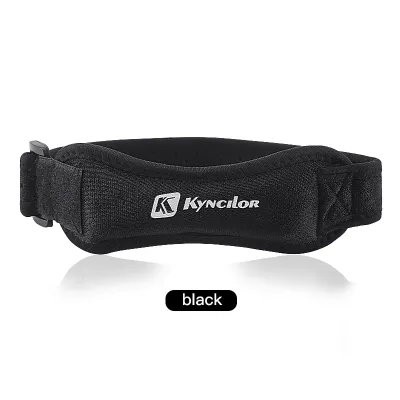
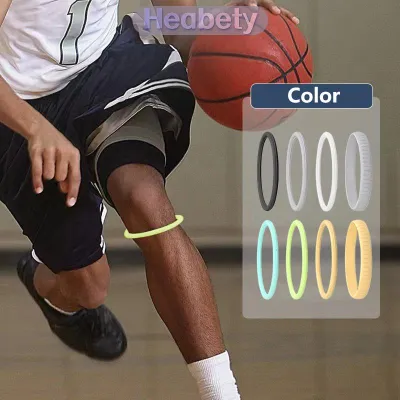
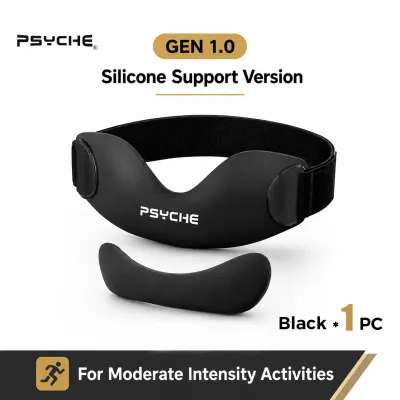
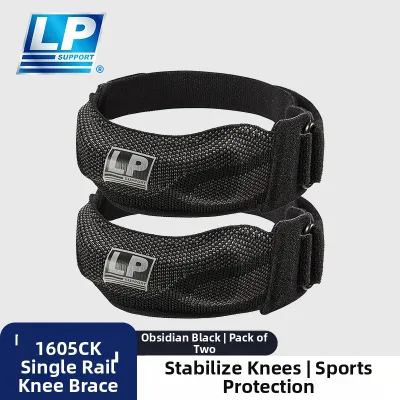
A knee patella band is a minimalist, strap-like support designed for a very specific job. If you experience a sharp or dull ache directly below your kneecap, particularly during or after repetitive high-impact movements, this targeted strap is often the most appropriate tool. This type of pain is common among runners, basketball players, and badminton enthusiasts who frequently jump and land on hard concrete or wooden courts.
Products mentioned in this guide
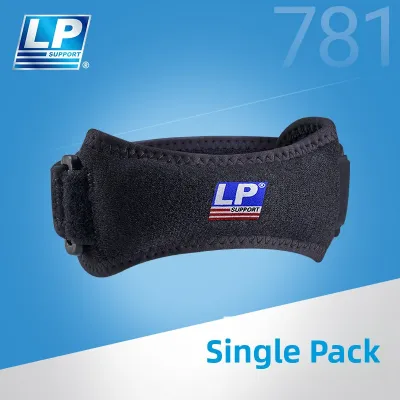
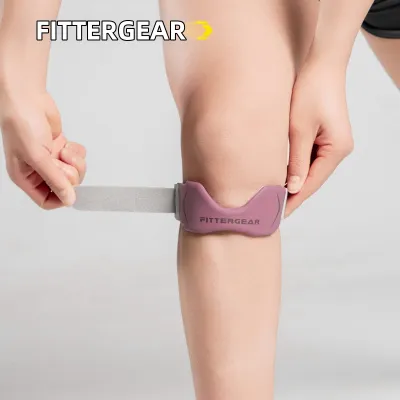
Prices are valid at publication and may change. Please refer to the product page for the latest price.
You can identify the need for a patella band through several observable signals. The pain is usually highly localized; you can point to the exact spot right under the kneecap where it hurts. This discomfort often intensifies when you walk down stairs, step off a high curb, or stand up after sitting for a long period. If the rest of your knee joint feels stable and secure, but this specific tendon area feels tender, a band is likely the right fit.
The primary function of a knee patella band is to apply precise, concentrated pressure to the patellar tendon. By compressing this tendon, the band slightly alters the angle at which the tendon pulls on the kneecap, distributing the mechanical load more evenly across the joint. This simple mechanical shift reduces the direct strain on the irritated tissue, allowing you to move with less discomfort during physical activity.
However, it is crucial to recognize the strict limitations of this minimalist design. A patella band offers absolutely no lateral or medial stability. It cannot prevent your knee from twisting inward or outward, nor can it stop the joint from hyperextending. If you are dealing with a ligament sprain, meniscus issue, or general joint laxity, a simple strap will not provide the structural protection you need to prevent further injury.
When a Full Knee Brace Is the Appropriate Choice
When knee discomfort is widespread, deep, or accompanied by a feeling of structural weakness, a full knee brace becomes necessary. Unlike a simple band, a full brace wraps around the entire joint to provide comprehensive stabilization, compression, and warmth. This level of support is essential when the integrity of the joint itself is compromised, rather than just a single tendon.

The most prominent signal that you require a full knee brace is a sensation of instability, often described as the knee “giving way” or feeling loose during lateral movements. If you experience pain on the sides of your knee, deep stiffness throughout the joint, or sharp pain when twisting your leg, these are clear indicators of structural vulnerability. Such symptoms often point to ligament issues, cartilage wear, or moderate joint inflammation.
Common contexts for wearing a full brace include recovering from diagnosed ligament sprains, managing chronic joint instability, or following post-surgery rehabilitation protocols under medical supervision. In these scenarios, the goal is to physically restrict harmful movements while allowing safe, linear bending.
When selecting a full knee brace, you will encounter several structural features designed for different levels of support. Basic compression sleeves offer mild support and heat retention, which can help soothe stiff joints in air-conditioned environments. For moderate to severe instability, look for braces equipped with flexible side stays or rigid metal hinges. These components physically block lateral shifting and hyperextension, while bilateral adjustable straps allow you to customize the tightness and secure the brace firmly in place.
Keep in mind that full braces have distinct limitations. Because they cover a large surface area and often incorporate rigid materials, they are inherently bulkier and heavier than bands. They can restrict your natural range of motion, which might slow you down during high-speed agility sports. Unless specifically prescribed by a sports medicine professional, wearing a highly restrictive hinged brace during fast-paced activities can sometimes alter your natural movement patterns and place unnecessary stress on your hips or ankles.
Comparing Fit, Mobility, and Sports Application
Choosing between a knee patella band and a full brace requires balancing physical support against your need for mobility, especially when exercising in warm, humid conditions.
Mobility and Range of Motion A patella band excels in preserving your natural movement. Because it sits entirely below the kneecap, it leaves the joint free to flex and extend fully. This makes it highly suitable for sports that require deep knee bends, rapid acceleration, and unrestricted agility, such as cycling, trail running, or soccer. A full knee brace, particularly a hinged or heavily structured model, intentionally limits extreme ranges of motion to protect vulnerable ligaments, making it more suited for controlled movements, heavy lifting, or rehabilitation.
Breathability and Wear Time In tropical climates like the Philippines, heat and humidity are major factors in gear selection. A full neoprene sleeve can quickly trap sweat, leading to skin irritation, chafing, and general discomfort during outdoor activities. If you only need targeted tendon relief, a slim patella band offers superior breathability, covering only a small strip of skin. If you must wear a full brace, verifying that the material features moisture-wicking properties or breathable mesh panels is essential to prevent sweat buildup.
Application Ease and Fit Adjusting a patella band is straightforward: you position the padded element directly over the tendon below the kneecap and secure the single strap. A full brace requires more careful alignment. You must ensure the patella cutout, if present, centers perfectly over your kneecap, and that the side stabilizers align with the sides of your leg. Improperly fitted braces can slip down during movement, bunch up behind the knee, or cause painful friction against the skin.
Decision Framework To make your final choice, match the gear to your specific activity and physical condition. If your sport involves continuous running, jumping, and rapid direction changes with no history of joint instability, start with a patella band. If your routine involves heavy squatting, contact sports like rugby or basketball where collisions occur, or if you are recovering from a joint injury, prioritize the structural protection of a full knee brace.
Red Flags: When to Stop and Consult a Professional
While over-the-counter knee supports are excellent tools for managing minor discomfort, they cannot cure structural damage or replace professional medical care. Relying on a band or brace to mask severe pain can lead to chronic joint issues and long-term mobility limitations.
You must stop using temporary supports and seek immediate medical evaluation if you experience any of the following red flags:
- A sudden popping or tearing sound at the moment of injury.
- Rapid, severe swelling that occurs within hours of an activity.
- An inability to bear weight on your leg or walk even a few steps.
- Visible deformity or misalignment of the knee joint.
Additionally, persistent issues require professional attention. If your knee pain steadily worsens despite rest, ice, and basic support, or if you experience numbness, tingling, or coldness in your lower leg and foot, these are signs of potential nerve or circulatory issues.
Commercial knee supports should always be viewed as temporary aids or protective adjuncts, not as a permanent solution for chronic pain. A qualified physical therapist or sports physician can provide an accurate diagnosis using physical tests or imaging, ensuring you receive a targeted treatment plan that addresses the root cause of your discomfort.
Frequently Asked Questions (FAQ)
Can I wear a knee patella band all day?
It is generally not recommended to wear a knee patella band continuously throughout the day. These bands are designed to apply concentrated pressure to a specific tendon during active movement. Wearing one for prolonged periods of rest can restrict local blood circulation and cause skin irritation, especially in humid weather. Limit wear time to your active training sessions or periods of prolonged walking, and remove the band when you are sitting, resting, or sleeping to allow your skin and tissues to recover.
Should I wear a brace on both knees if only one hurts?
You should only wear a supportive brace or band on the knee that is actively experiencing symptoms or instability. Artificially supporting a healthy joint can alter your natural gait and biomechanics, potentially causing you to overcompensate and place unusual stress on your hips, lower back, or ankles. The only exception is when a sports professional recommends bilateral preventive wear for high-impact activities, but for general pain management, focus solely on the symptomatic side.
Do these supports replace physical therapy or strengthening exercises?
No, passive supports like bands and braces do not replace active rehabilitation. While a support can help manage pain and provide stability during movement, it does not strengthen the muscles that support your knee. Relying solely on a brace without performing targeted exercises can lead to muscle weakness and atrophy over time. To achieve long-term recovery, combine temporary support wear with a structured exercise program focused on strengthening your quadriceps, hamstrings, glutes, and hip stabilizers.
Community discussion
Share your experience or ask a question. Comments are reviewed before publication.