
If you are experiencing knee discomfort during your workouts, sports, or daily activities, choosing the right support can mean the difference between active recovery and further joint strain. A knee patella band is a minimalist, highly targeted strap designed to relieve pressure on the patellar tendon directly below the kneecap, making it ideal for localized issues like jumper’s knee. In contrast, a full knee brace wraps around the entire joint to provide comprehensive stability, warmth, and structural reinforcement for ligament injuries or general joint weakness. Understanding your specific symptoms, the demands of your sport, and how these supports function mechanically will help you make an informed decision.
The Core Difference: Patella Band vs. Full Knee Brace
The primary distinction between a patella band and a full knee brace lies in their structural design and coverage. A patella band is a narrow, low-profile strap that wraps tightly around the leg just below the patella (kneecap). It is designed to be as unobtrusive as possible, leaving the rest of the knee joint completely exposed to the air. A full knee brace, whether it is a slip-on compression sleeve or a wrap-around support, covers several inches above and below the joint, enclosing the entire knee area in fabric and sometimes incorporating rigid structural elements.
These structural differences dictate how each device functions mechanically. The patella band works by applying localized pressure to the patellar tendon, which slightly alters the angle at which the tendon sits and distributes the load more evenly across the joint. This targeted compression helps reduce the strain on the tendon during repetitive movements. A full knee brace, on the other hand, provides broad, circumferential compression. This overall pressure enhances proprioception—your brain’s awareness of the joint’s position—and helps stabilize the entire knee structure against lateral (side-to-side) and rotational forces.
Products mentioned in this guide
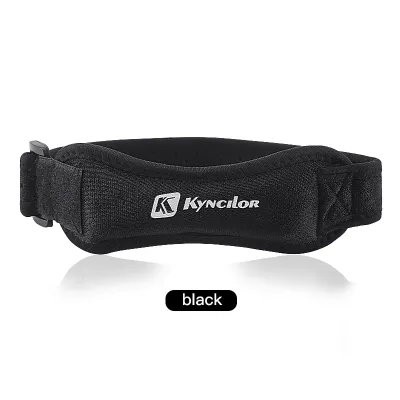
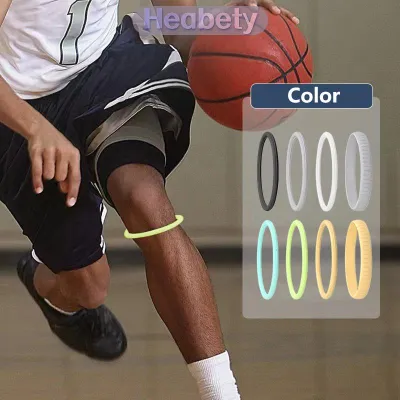
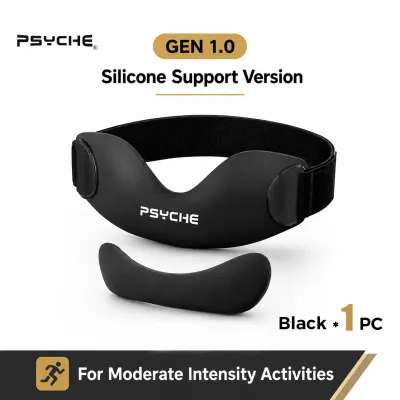
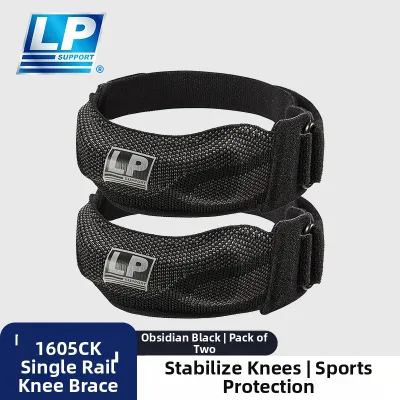
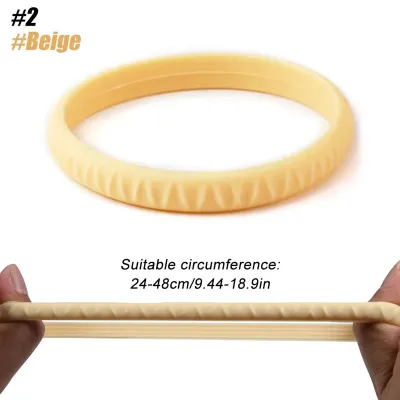
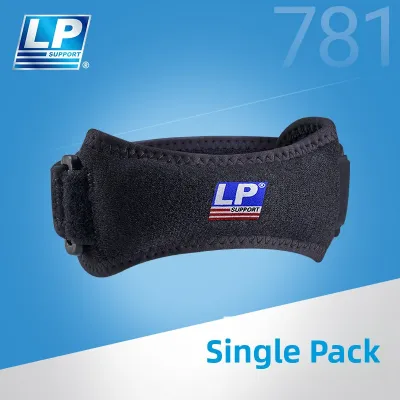
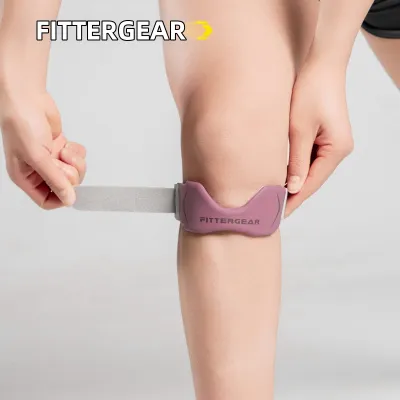
Prices are valid at publication and may change. Please refer to the product page for the latest price.
Mobility and heat dissipation are also major factors, particularly when exercising in warm, humid tropical environments. A patella band offers maximum freedom of movement, allowing the knee to bend and straighten without any fabric resistance, while also keeping the skin cool and dry. A full knee brace provides superior support but naturally traps heat and sweat, which can lead to discomfort during intense outdoor activities. Depending on the thickness of the material and the presence of metal stays or hinges, a full brace will also restrict your range of motion to varying degrees to prevent harmful joint movements.
Signs You Might Need a Knee Patella Band
If your knee discomfort is highly localized, a patella band may be the most efficient solution. The most common signal that you need a patella strap is pain located directly below the kneecap, specifically along the patellar tendon. This pain is typically sharp or aching and becomes more pronounced when you press on the area or when you perform activities that put sudden, repetitive stress on the front of the knee.

This type of support is highly suited for specific activity contexts that involve frequent jumping, running, or rapid deceleration. Sports like basketball, volleyball, badminton, and trail running put immense stress on the patellar tendon as you launch into the air or land on hard surfaces. If you find that your knee joint feels structurally stable and secure, but you experience that familiar, localized ache right below the kneecap after a long session on the court, a patella band can help manage that specific stress without adding unnecessary bulk.
However, it is vital to recognize the strict limitations of a patella band. Because it is only a single strap below the kneecap, it offers absolutely no lateral or medial stability. It cannot protect your collateral ligaments (MCL or LCL) from twisting injuries, nor does it provide any support for the anterior cruciate ligament (ACL) or the meniscus. If your knee feels loose, wobbles when you change directions, or has a history of structural instability, relying on a patella band is insufficient and could leave you vulnerable to acute injury.
Signs You Might Need a Full Knee Brace
When knee discomfort is widespread or accompanied by a feeling of instability, a full knee brace is generally required. One of the clearest signs that you need a full brace is a sensation that your knee is “giving way” or sliding out of place when you walk, run, or pivot. Other common indicators include general stiffness throughout the entire joint, deep-seated pain that you cannot pinpoint to a single spot, or swelling that affects the whole knee area.
These symptoms typically arise in contexts such as post-injury recovery, rehabilitation after a ligament sprain, or when managing chronic joint laxity. If you are returning to sports after a mild ligament strain, or if you engage in heavy load-bearing activities like powerlifting, backpacking with a heavy load, or hiking on steep, uneven tropical terrain, your entire joint structure requires reinforcement. A full brace helps distribute these heavy loads across a wider surface area, reducing the stress on any single ligament or muscle group.
When selecting a full knee brace, you must distinguish between basic compression sleeves and structured hinged braces. A simple compression sleeve is usually made of neoprene or knit fabric and provides mild support, warmth, and swelling control, which is excellent for minor aches or general joint soreness. A hinged knee brace features rigid plastic or metal side stabilizers that physically prevent the knee from bending sideways. This level of mechanical reinforcement is essential if you have a diagnosed ligament tear or severe instability, as it prevents the joint from moving into dangerous positions during activity.
A Self-Check Guide to Choosing Your Support
To help you decide which gear is right for your current situation, you can perform a simple three-step self-check based on your pain location, joint stability, and activity demands.
Pain Location Mapping
- Anterior Tendon Pain: Sit down and extend your leg. Press your fingers into the soft tissue directly below your kneecap. If this specific spot is highly tender, but the sides and back of your knee feel completely fine, your pain is likely related to patellar tendon stress, pointing toward a patella band.
- Deep or Widespread Pain: If the pain feels deep inside the joint, behind the kneecap, or runs along the inner or outer sides of the knee, this indicates a broader joint or ligament issue that requires the comprehensive coverage of a full knee brace.
Stability Assessment
- Secure Joint: Stand on one leg and perform a shallow squat. If your knee feels steady and structurally sound, but you experience a mild ache in the front, your joint stability is intact, making a patella band a suitable option for active support.
- Unstable or Weak Joint: If you feel any wobbling, shifting, or a lack of confidence in your knee's ability to support your weight during a single-leg stand, your joint lacks structural stability. You should opt for a full knee brace with lateral stabilizers to prevent unwanted lateral movement.
Activity Demand Check
- High Agility and Mobility: If your sport requires rapid footwork, deep bending, and quick sprints, and your joint is structurally healthy, a patella band will preserve your natural range of motion and prevent excessive sweat buildup.
- High Impact and Load: If your activity involves heavy lifting, contact sports, or navigating unpredictable, slippery terrain where twisting forces are common, the protective benefits of a full knee brace outweigh the minor restriction in mobility.
Safety Boundaries: When to See a Healthcare Professional
While sports accessories like bands and braces are excellent tools for managing mild discomfort and providing confidence during activity, they are not a substitute for professional medical care. It is crucial to recognize the red flags that indicate a serious injury requiring immediate evaluation by a healthcare professional.
You should seek medical attention immediately if you experience any of the following severe signals:
- A loud popping or tearing sound at the moment of injury.
- An immediate inability to bear any weight on the affected leg.
- The knee joint locking in place, preventing you from fully bending or straightening your leg.
- Visible deformity or misalignment of the knee joint compared to your healthy leg.
- Rapid, severe swelling that develops within a few hours of an injury.
Always remember that a knee support cannot heal a torn ligament or repair damaged cartilage. Using a brace or band to mask severe pain so you can continue playing can lead to chronic joint damage, accelerated wear on the cartilage, and long-term instability. Before purchasing any support, verify your symptoms with a qualified professional, and use these accessories as a complement to—not a replacement for—proper physical therapy and strength training.
Frequently Asked Questions (FAQ)
Can I wear a knee patella band all day?
No, you should not wear a knee patella band continuously throughout the day. These bands are designed specifically for active use during sports, running, or physical tasks that put stress on the patellar tendon. Wearing a tight strap for extended periods of rest can restrict localized blood circulation and compress nerves. Additionally, in hot and humid climates, prolonged wear can trap sweat against the skin, leading to irritation or chafing. Remove the band immediately if you experience numbness, tingling, coldness in your foot, or visible skin redness.
Should I wear the support over or under my clothing?
For the best results, both patella bands and full knee braces should be worn directly against your skin. Direct skin contact allows the compression pads, silicone grips, and non-slip bands to stay securely in their correct anatomical positions without sliding. Wearing a support over loose pants or leggings can cause the fabric to bunch up, which reduces the effectiveness of the compression and can lead to painful chafing. If you have highly sensitive skin or experience irritation from sweat, look for supports made from breathable, hypoallergenic, and moisture-wicking materials designed for direct skin contact.
Community discussion
Share your experience or ask a question. Comments are reviewed before publication.