
Choosing the right knee support for men depends entirely on the specific type of discomfort you experience and the physical activities you pursue. There is no single, universal option that works for every situation. A knee sleeve offers mild compression and warmth for general soreness during workouts, a knee brace provides structural stability for compromised joints or injury recovery, and a knee strap delivers targeted pressure to relieve tendon pain below the kneecap. Matching the correct gear to your physical needs ensures you protect your joints without restricting necessary movement.
Assess Your Knee Symptoms and Activity Level
Before purchasing any support gear, take a close look at how your knee behaves during daily movements and athletic activities. Note exactly where you feel discomfort. A dull, generalized ache around the entire joint after a long run or a gym session suggests a different need than a sharp, localized pain directly beneath the kneecap when climbing stairs or jumping. If you feel a shifting sensation or a sudden “giving way” of the joint during lateral movements, your knee is signaling a need for structural stability rather than simple compression.
Your daily routine and choice of sport also dictate the type of support required. High-impact activities like basketball, badminton, or trail running on uneven terrain place intense lateral stress on the joints. In contrast, linear movements like weightlifting or cycling primarily require warmth and joint awareness to maintain proper form. In hot and humid tropical climates, heavy physical exertion causes rapid sweat buildup, which can lead to skin chafing under thick materials. Factor in how long you will wear the support and how much heat retention your skin can tolerate.
Products mentioned in this guide
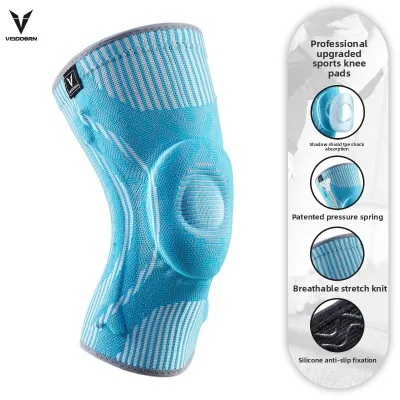
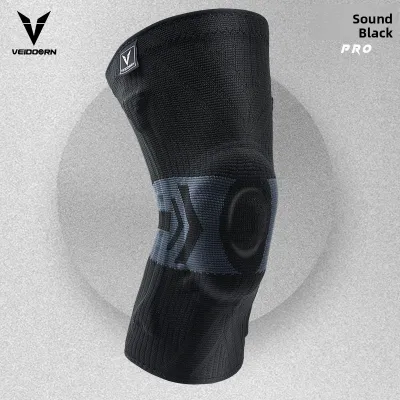
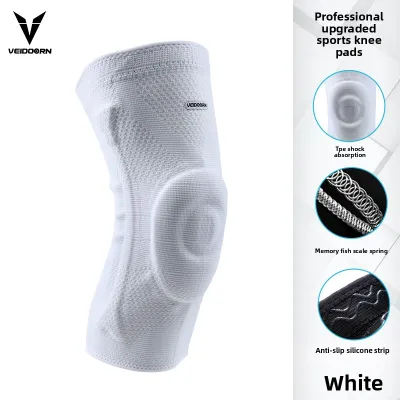
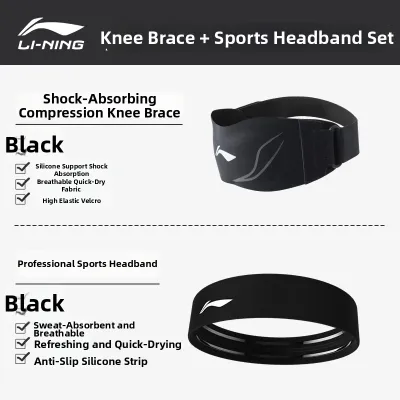
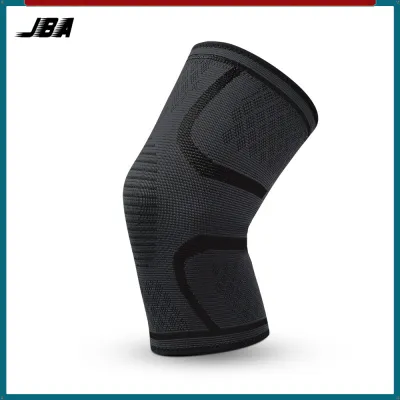
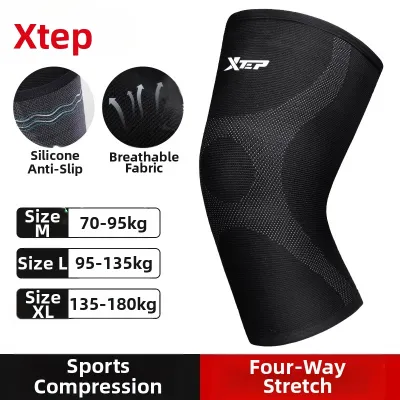
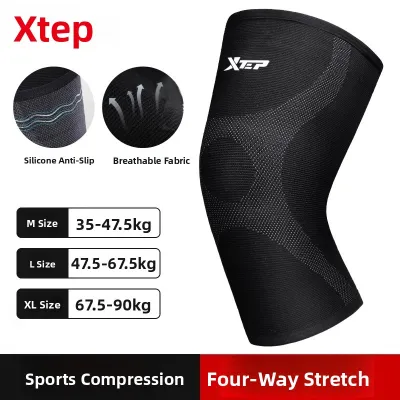
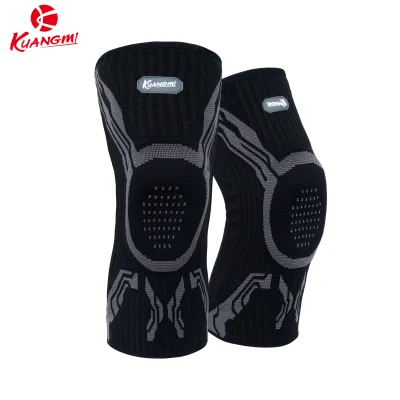
Prices are valid at publication and may change. Please refer to the product page for the latest price.
Finally, perform a quick physical check before deciding on retail gear. Look for visible swelling, redness, or localized heat around the joint, which are common signs of acute inflammation. Try bending and straightening your leg fully to see if your range of motion is restricted or if you experience a mechanical block, such as a clicking or locking sensation. If these symptoms are present, self-treatment with retail supports may mask a deeper issue that requires professional medical evaluation.
Knee Sleeves: Compression and Mild Support
Knee sleeves are designed for active individuals who require mild compression, joint warmth, and enhanced proprioception—the body’s natural ability to sense joint position and movement. They are highly popular among weightlifters, runners, and cross-training enthusiasts who want to maintain joint temperature and stability during repetitive movements. The constant, gentle pressure of a sleeve helps manage minor aches and keeps the surrounding muscles engaged without restricting your natural range of motion.

To get the most benefit from a knee sleeve, you must verify the fit using the manufacturer’s specific sizing guidelines. Avoid guessing your size based on your height or weight. Use a flexible measuring tape to measure the circumference of your leg at the designated points—usually around the center of the kneecap, as well as a few inches above and below it. A sleeve that is too tight can restrict blood flow, cause deep indentations in your skin, and worsen swelling, while a loose sleeve will constantly slide down during movement, rendering its compression useless.
Material selection is crucial, especially when exercising in warm, humid environments. Review the product label for breathable, moisture-wicking fabrics like nylon-spandex blends or specialized 3D circular knits. While traditional neoprene sleeves offer excellent heat retention and structural durability, they can trap sweat and cause skin irritation during long workouts. Check the manufacturer’s care instructions to ensure the fabric can withstand regular washing without losing its elasticity or stretching out over time.
Knee Braces: Stability and Joint Protection
Knee braces are engineered to provide structural reinforcement and limit harmful joint movements. They are the appropriate choice if you are recovering from a diagnosed ligament strain, managing chronic joint instability, or returning to high-impact contact sports where sudden twists and collisions are common. Unlike sleeves, which rely solely on fabric tension, braces incorporate physical elements like side stabilizers, hinges, or reinforced padding to keep the kneecap and joint aligned.
When shopping for a brace, you will encounter several distinct designs tailored to specific protection levels. Wraparound braces are easy to put on and adjust, making them ideal for individuals with fluctuating swelling or limited hand strength. Hinged braces feature metal or plastic joints on the sides to prevent lateral bending while allowing the knee to flex and extend naturally. Patella-stabilizing braces feature a built-in open ring that surrounds the kneecap, keeping it tracking correctly during movement and reducing pressure on the joint.
It is vital to understand the limits of wearing a structural brace. A brace is a supportive tool, not a permanent replacement for muscle strength, flexibility, and proper physical rehabilitation. Relying on a heavy brace indefinitely without performing targeted strengthening exercises can lead to muscle weakness in the quadriceps and hamstrings. Always follow the recommended wearing schedule provided by the manufacturer or your physical therapist, using the brace during high-risk activities and removing it during rest periods.
Knee Straps: Targeted Tendon Relief
Knee straps, also known as patellar tendon straps, are minimalist bands designed to address localized pain directly below the kneecap. This discomfort is commonly associated with repetitive jumping, running, or sudden deceleration, often referred to as jumper’s knee or patellar tendonitis. Instead of covering the entire joint, a strap applies focused pressure to the patellar tendon, which helps distribute forces more evenly and reduces the strain placed on the tendon insertion point.
Proper positioning is essential for a knee strap to function effectively. According to standard product instructions, the strap should sit directly on the soft tendon just below your kneecap, rather than on the bone itself. Tighten the strap until you feel firm, supportive pressure, but do not pull it so tight that it cuts off circulation or pinches the back of your knee. When adjusted correctly, the strap should stay securely in place during movement without sliding down your shin or causing discomfort when you bend your leg.
Keep in mind that knee straps have very specific limitations. Because they cover only a small strip of tissue, they do not provide any lateral stability, protection against twisting injuries, or overall joint compression. If your knee pain is accompanied by a feeling of instability, side-to-side wobbling, or generalized swelling, a strap will not provide the support you need. Use a strap strictly for localized tendon discomfort during linear activities like running or jumping.
Red Flags: When to Skip Self-Treatment and See a Doctor
While retail knee supports are excellent tools for managing minor discomfort and protecting healthy joints, they are not a substitute for professional medical care. You should immediately stop using any self-treatment and seek a medical diagnosis if you experience sudden, severe pain following a pop or snap. An inability to bear weight on your leg, visible joint deformity, or rapid, extreme swelling are clear indicators of a serious injury that requires immediate clinical attention.
Pay close attention to how your body reacts to wearing any support gear. Discontinue use immediately if you experience numbness, tingling, a cold sensation in your foot, or increased swelling after putting on a sleeve, brace, or strap. These symptoms suggest that the support is compressing nerves or blood vessels, which can lead to tissue damage if ignored.
Additionally, avoid using retail sports gear for post-surgical recovery or complex joint rehabilitation unless you have explicit instructions from your orthopedic surgeon or physical therapist. Medical-grade recovery requires precise range-of-motion limits and customized fitting that standard retail products cannot safely provide. Always prioritize professional guidance to ensure your long-term joint health and mobility.
Frequently Asked Questions (FAQ)
Can I wear a knee sleeve all day?
It is generally not recommended to wear a compression knee sleeve all day unless specifically advised by a healthcare professional. Prolonged compression can restrict blood flow, cause skin irritation from trapped sweat, and lead to muscle laziness over time. Always check the manufacturer’s guidelines for recommended daily wear limits, and make sure to remove the sleeve before going to sleep to allow your skin and muscles to rest.
How do I wash my knee support without ruining it?
To maintain the elasticity and structural integrity of your knee support, always check the care label attached to the product first. As a general rule, hand wash the support in cold water using a mild, gentle detergent, and avoid using bleach or fabric softeners which can degrade elastic fibers. Always air dry the gear flat in a shaded, well-ventilated area; never put it in a machine dryer or expose it to direct, intense sunlight, as high heat will warp the materials and ruin the fit.
Community discussion
Share your experience or ask a question. Comments are reviewed before publication.