
Choosing the right yoga mat is a highly personal decision that directly impacts the safety, comfort, and longevity of your practice. In the humid tropical climate of the Philippines, this choice becomes even more critical, as high ambient humidity and sweat can quickly turn a dry, grippy surface into a slick hazard. The “best” yoga mat is not a single, universal product; rather, it is the mat that matches your specific yoga style, joint health, and environmental conditions.
If you are considering a Kool Mat, your decision should be guided by how its verified label specifications align with your budget and primary practice style. For practitioners who engage in gentle Hatha, Yin, or restorative yoga in air-conditioned spaces, a lightweight synthetic mat like a Kool Mat can offer excellent value and easy maintenance. Conversely, if you sweat heavily during intense Vinyasa or hot yoga sessions, natural rubber or cork alternatives may be necessary to provide the required open-cell wet grip. For those seeking verified professional-grade density, specific eco-certifications, or long-term warranties, premium established brands remain the standard choice.
Rather than relying on broad marketing claims, evaluating a yoga mat requires a close look at material properties, construction, and thickness. By understanding how to read product labels and assess physical specifications, you can make an informed choice that supports your body and your practice over the long term.
Products mentioned in this guide
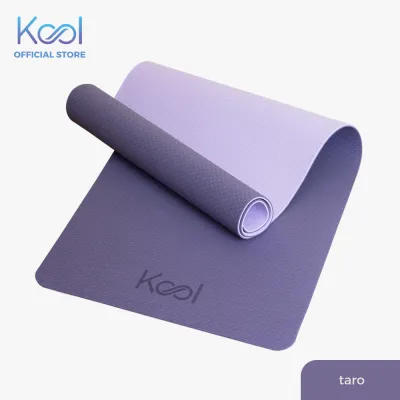
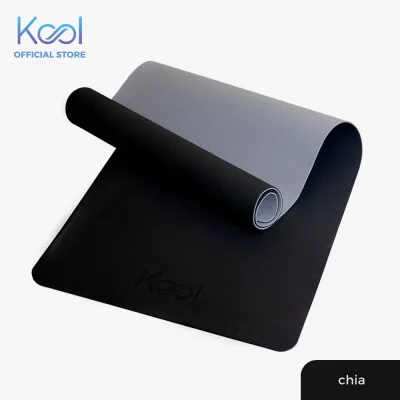
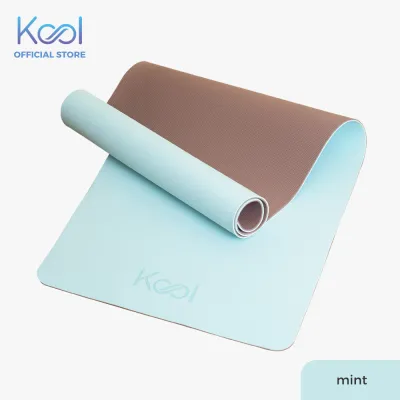
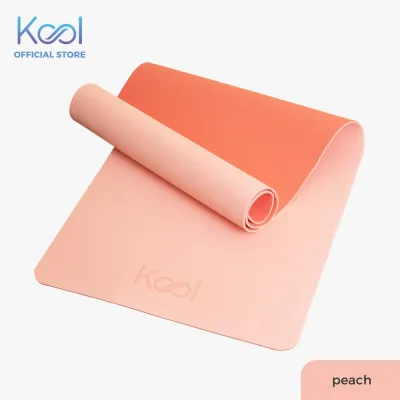
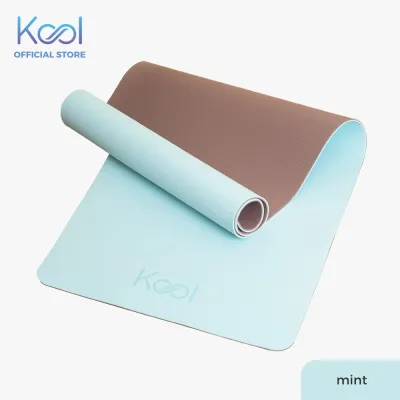
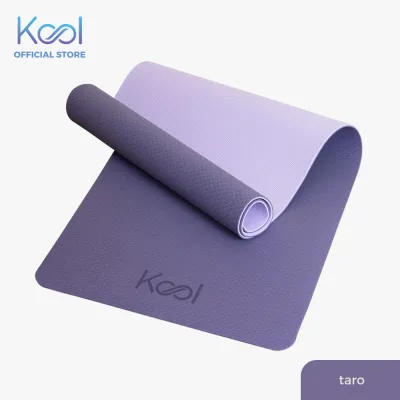
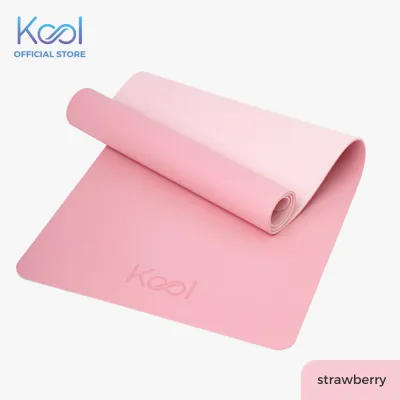
Prices are valid at publication and may change. Please refer to the product page for the latest price.
How to Evaluate Kool Mat’s Build and Specifications
When shopping for a Kool Mat on local e-commerce platforms, you must look closely at the product specifications listed on the official store page or product label. Because budget-friendly brands often offer multiple product lines, you cannot assume all mats under the same brand share the same material composition. Check the specifications explicitly for the base material, which is typically Thermoplastic Elastomer (TPE), Polyvinyl Chloride (PVC), or occasionally a synthetic rubber blend.
Surface texture is your primary line of defense against slipping, especially in warm, humid rooms. Examine the product photos and user reviews to assess the texture pattern. Look for dual-sided patterns, such as a wave or leaf texture on the bottom to grip the floor, and a finer, textured grain on the top to provide traction for your hands and feet. User reviews with close-up photos can help you verify if the texture is pronounced enough to offer mechanical grip when your skin is slightly damp.
To ensure the mat will not bottom out during floor poses, you must verify both the stated thickness and the density. While thickness is measured in millimeters, density is best indicated by the mat’s overall weight relative to its size. A standard TPE mat measuring 6mm thick should ideally weigh between 800 grams and 1.2 kilograms. If a thick mat is exceptionally light, it likely contains more air than material, meaning it will compress easily under pressure and fail to protect your joints during weight-bearing poses like Tabletop or Low Lunge.
Finally, cross-reference the stated material with the manufacturer’s care instructions to confirm whether the mat has a closed-cell or open-cell structure. Closed-cell mats do not absorb liquids, making them highly resistant to sweat penetration and easy to wipe clean. Open-cell mats absorb moisture to maintain grip but require more intensive cleaning. Confirming these details on the product label prevents maintenance surprises after purchase.
Material Showdown: Kool Mat vs. Common Alternatives
To understand where Kool Mat fits in the wider market, it is helpful to compare the synthetic materials commonly used in budget-to-mid-tier mats against the premium natural materials favored by advanced practitioners.

Synthetic Blends (TPE and PVC) vs. Kool Mat
Synthetic materials like TPE and PVC are highly popular in the Philippine market due to their affordability, lightweight nature, and durability. TPE is often marketed as a more eco-friendly synthetic option because it is recyclable and manufactured using less toxic processes than traditional PVC. Both materials are highly resistant to wear and tear, making them excellent choices for practitioners who need a durable mat for daily home practice.
In a humid tropical climate, closed-cell synthetic surfaces offer a distinct advantage: they resist moisture absorption. This prevents sweat, body oils, and ambient humidity from soaking into the core of the mat, which significantly reduces the risk of mold, mildew, and unpleasant odors. Cleaning a closed-cell synthetic mat is straightforward, requiring only a quick wipe with a damp cloth and mild soap after each session.
However, the primary trade-off of closed-cell synthetics is their performance when wet. Because moisture cannot penetrate the surface, heavy sweat will pool on top of the mat, creating a slippery film. If you choose a synthetic Kool Mat, you must verify if the surface features a deep, textured pattern designed to channel moisture away. For high-sweat practices on a synthetic mat, using a microfiber yoga towel is highly recommended to maintain traction and safety.
Natural Rubber and Cork vs. Kool Mat
For practitioners who prioritize maximum grip and environmental sustainability, natural rubber and cork mats represent the premium tier of the market. Natural rubber is an open-cell material, meaning it contains microscopic pores that absorb moisture instantly. This absorption keeps the surface dry and provides an exceptional wet grip, making natural rubber the preferred choice for hot yoga, dynamic Vinyasa, and Ashtanga practices.
Cork mats offer a different but equally effective approach to traction. Cork contains a natural substance called suberin, which becomes grippier when exposed to moisture. Instead of slipping when you sweat, a cork surface actually increases its traction, providing a highly stable platform for intense sessions. Additionally, cork is naturally antimicrobial, which helps resist mold growth even in humid conditions.
Despite these performance benefits, natural materials come with significant trade-offs compared to synthetic options like Kool Mat:
- Weight: Natural rubber mats are substantially heavier, often weighing between 2.5 and 3.5 kilograms, making them difficult to carry during daily commutes on public transit.
- Price: Premium natural rubber and cork mats typically cost between ₱3,500 and ₱7,000, whereas synthetic mats are generally available for under ₱2,000.
- Maintenance: Natural rubber degrades quickly when exposed to direct sunlight, which is a major consideration in the sunny Philippine climate. It also requires specialized, oil-free cleaners and can emit a strong, distinct rubber odor when new.
If your practice is low-impact and you prefer a lightweight, low-maintenance mat that is easy to transport, a synthetic Kool Mat is a highly practical and cost-effective choice. If you practice in high-heat environments and require absolute slip resistance without the use of a towel, investing in a natural rubber or cork mat may be well worth the premium price.
Thickness Guide: Finding the Right Cushion and Stability
Yoga mats generally fall into three thickness categories, each serving different practice needs, joint sensitivities, and portability requirements.
Thin Mats (approx. 3mm)
Thin mats, measuring around 3mm, are designed primarily for stability and portability. Because there is very little cushion between your feet and the floor, these mats provide excellent ground feedback, which is highly beneficial for standing balances and active standing sequences. They are also highly packable, often folding or rolling tightly to fit easily into travel bags or backpacks for outdoor sessions.
The trade-off of a 3mm mat is the lack of joint cushioning. If you have sensitive knees, wrists, or ankles, a thin mat can cause discomfort during prolonged floor poses. Practitioners who use thin mats often need to double up the mat or place a blanket under their knees for support during poses like Camel or Low Lunge.
Standard Mats (approx. 4mm to 5mm)
Standard mats, ranging from 4mm to 5mm, represent the versatile middle ground of the yoga world. This thickness provides a balanced combination of joint protection and stability, making it suitable for a wide variety of styles, including Hatha, Vinyasa, and gentle flow. It offers enough cushion to soften the impact on your knees and spine while remaining firm enough to prevent ankle instability during standing balances.
When evaluating a 5mm Kool Mat or similar option, you must verify the density of the material. A high-density 5mm mat will support your weight without compressing completely to the floor. You can test this by pressing your thumb firmly into the mat; if you can easily feel the hard floor underneath, the density is low, and the mat may not provide adequate joint protection during active practice.
Thick Mats (6mm and above)
Thick mats, measuring 6mm or more, are engineered for maximum joint comfort and impact absorption. These mats are ideal for restorative yoga, Yin yoga, Pilates, and core workouts where you spend the majority of your time seated, kneeling, or lying down. The extra cushioning provides excellent support for the spine, hips, and knees, reducing pressure points and enhancing relaxation.
However, thick mats present a distinct challenge for standing and balancing poses. If the material is too soft or low-density, your feet will sink into the mat, causing your ankles to wobble and making it difficult to maintain balance in poses like Tree Pose or Warrior III. Additionally, thick mats are bulkier and heavier, making them less convenient for daily travel.
To help you select the correct thickness tier before browsing Kool Mat’s available options, consider the following checklist:
- Choose a Thin Mat (3mm) if you travel frequently, practice outdoors, have strong joints, and prioritize stability in standing balances.
- Choose a Standard Mat (4mm to 5mm) if you want a single, versatile mat for general Hatha or Vinyasa practice, and need a balance of cushion and floor feedback.
- Choose a Thick Mat (6mm and above) if your practice consists primarily of Yin, restorative yoga, or Pilates, or if you have highly sensitive joints that require maximum cushioning.
Decision Framework: When to Choose Kool Mat or Alternatives
To finalize your decision, use this structured framework to determine whether a Kool Mat or an alternative brand is the right fit for your specific needs, budget, and practice environment.
Choose Kool Mat if:
- Your budget is in the entry-to-mid-range tier: You want a reliable, functional mat without spending a significant amount of money (typically looking at options under ₱2,000).
- You need a lightweight option for travel: You commute to studios or practice in different locations and want a synthetic TPE mat that is easy to carry without straining your shoulders.
- Your practice is low-to-moderate intensity: You primarily practice Hatha, Yin, or gentle flow where heavy sweating is not a constant factor.
- You prefer low-maintenance gear: You want a closed-cell mat that is easy to clean, dries quickly in humid weather, and does not require specialized cleaning solutions.
Choose Natural Rubber or Cork Alternatives if:
- You practice hot yoga or sweat heavily: You need a high-traction, open-cell surface that absorbs moisture and prevents slipping during intense, dynamic sequences.
- You prioritize eco-friendly, natural materials: You prefer to avoid synthetic plastics and want a biodegradable, sustainably sourced natural rubber or cork surface.
- You do not mind the extra weight and maintenance: You are comfortable carrying a heavier mat and are willing to follow strict cleaning and storage guidelines to protect natural materials from sun damage.
- Your budget allows for a premium investment: You are willing to spend ₱3,500 or more for professional-grade grip and performance.
- You do not have latex allergies: Natural rubber contains latex proteins, so those with sensitivities must opt for synthetic or cork alternatives.
Choose Premium Established Brands if:
- You require a verified lifetime warranty: You want a long-term investment backed by a manufacturer's guarantee against wear and tear.
- You need certified professional-grade density: You require a mat with verified high-density construction that guarantees your joints will never bottom out, even during high-impact movements.
- You seek specific environmental certifications: You want independent verification (such as OEKO-TEX certification) that the mat is completely free of harmful chemicals and emissions.
Before making your final purchase on any online marketplace, always verify the seller’s return policy, check recent customer reviews for shipping times within the Philippines, and confirm that the exact dimensions and thickness you require are currently in stock.
Frequently Asked Questions (FAQ)
How do I prevent my yoga mat from slipping in humid weather?
To prevent slipping on synthetic mats like TPE or PVC during humid days, place a specialized microfiber yoga towel over your mat. These towels feature silicone grip dots on the bottom to stay in place and are designed to absorb sweat, increasing their traction as they get wet. Additionally, clean your mat regularly using a mild, non-oil-based soap solution to remove accumulated body oils, lotion residues, and dust, which can create a slick barrier on the surface. Always store your mat unrolled or loosely rolled in a dry, well-ventilated area away from direct sunlight to ensure it dries completely and to prevent moisture buildup.
Does a thicker yoga mat always provide better joint support?
No, thickness alone does not guarantee joint support. The level of support depends entirely on the density of the material used in the mat’s construction. A thick mat made of low-density foam (such as cheap NBR foam) will compress completely under your body weight, allowing your knees or wrists to press directly against the hard floor. For genuine joint protection, look for high-density materials like dense TPE, natural rubber, or dual-layer constructions. These materials offer firm resistance that cushions your joints without bottoming out, while still providing the stability needed to maintain your balance.
Community discussion
Share your experience or ask a question. Comments are reviewed before publication.