
Selecting the correct martial arts gear is essential for both your performance on the mats and your comfort during long training sessions. When choosing a taekwondo uniform, also known as a dobok, you will quickly notice two primary options: a specialized kyorugi dobok and a regular taekwondo uniform. A kyorugi dobok is a highly technical, ultra-lightweight uniform designed specifically for competitive sparring (kyorugi). In contrast, a regular taekwondo uniform is a traditional, heavier suit made from cotton or a cotton-polyester blend, designed for daily training, promotional grading exams, and the practice of poomsae (formal patterns).
Your choice between these two uniforms depends entirely on your primary activity in the dojang. If you are preparing for official World Taekwondo (WT) sanctioned sparring competitions, a certified kyorugi dobok is a mandatory requirement. However, if your daily routine consists of general training, basic techniques, and forms, a regular uniform provides the durability, structure, and classic aesthetic you need.
Material, Weight, and Climate Comfort
The most significant difference between a kyorugi dobok and a regular uniform lies in the fabric composition and weight. Traditional taekwondo uniforms are typically crafted from medium-to-heavy cotton or a balanced polyester-cotton blend, often in a 65/35 or 55/45 ratio. This construction results in a fabric weight that generally ranges from 8 ounces to 10 ounces or more. This heavier weight gives the uniform a stiff, structured feel that holds its shape exceptionally well. For practitioners of poomsae, this stiffness is highly desirable because it produces a loud, distinct “snap” sound when executing high-speed blocks, punches, and kicks, visually and auditorily emphasizing the power of the technique.
Products mentioned in this guide
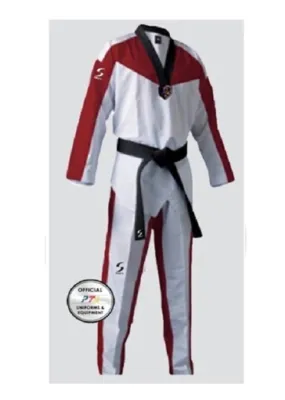
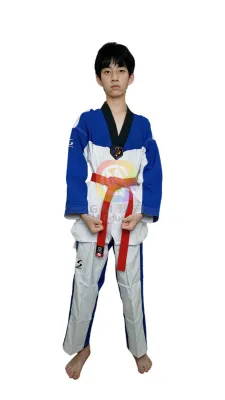
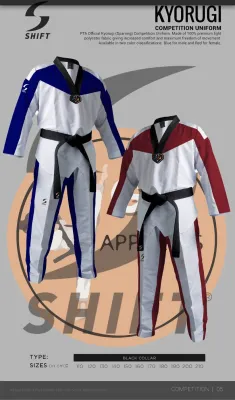
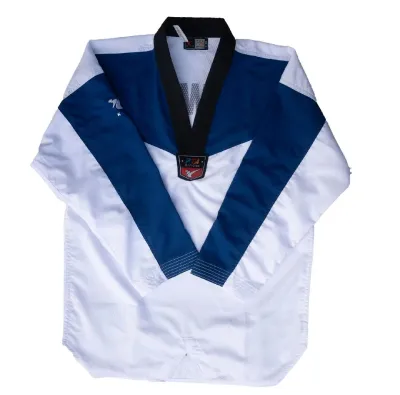
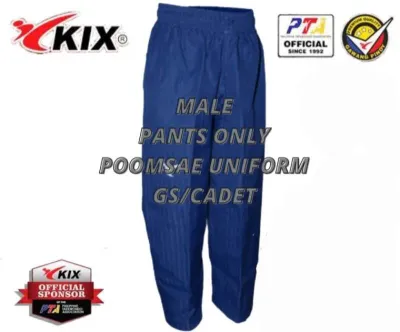
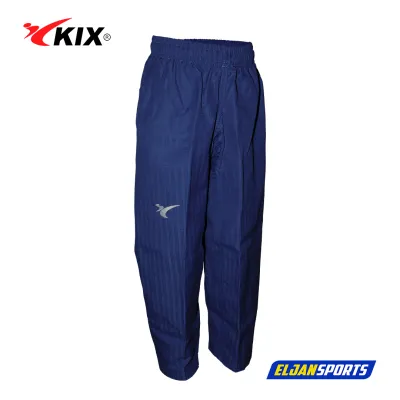
Prices are valid at publication and may change. Please refer to the product page for the latest price.
In sharp contrast, a kyorugi dobok is engineered from advanced, ultra-lightweight synthetic materials, most commonly 100% polyester or specialized polyester-spandex blends. These fabrics are incredibly thin, often weighing less than 5 to 6 ounces. To prevent the ultra-light fabric from clinging to the athlete’s skin when wet, manufacturers utilize specialized 3D weaving techniques, creating ribbed, diamond, or honeycomb textures on the inner surface. Additionally, modern kyorugi doboks feature integrated mesh ventilation panels strategically placed in high-heat zones, such as under the armpits, along the back of the neck, and down the sides of the trousers.
In a tropical climate like the Philippines, where local dojangs are frequently ventilated by wall fans rather than central air conditioning, managing heat and humidity is a constant challenge. Under these conditions, a traditional cotton-blend uniform acts like a heavy sponge, absorbing sweat and holding onto moisture throughout a training session. This waterlogged fabric becomes heavy and clings tightly to the thighs and shoulders, which rapidly drains the practitioner’s energy and limits their range of motion. The synthetic, moisture-wicking fabric of a kyorugi dobok solves this problem by using capillary action to pull sweat away from the skin, spreading it across the outer surface of the uniform where it can evaporate rapidly. This keeps the fighter dry, light, and cool, reducing the risk of heat exhaustion during intense sparring drills.
Before purchasing, you should always verify the exact material composition rather than relying on marketing descriptions. Turn the uniform inside out and check the manufacturer’s care and fabric tags. Look for technical specifications indicating high-synthetic content and low fabric weights to ensure you are purchasing a genuine lightweight sparring suit rather than a standard training uniform marketed under a misleading title.
Design, Fit, and Mobility
Beyond the fabric, the physical cut and structural design of these two uniforms are tailored to support entirely different types of athletic movement. Sparring requires explosive, multi-directional footwork, rapid pivots, and high, flexible kicks such as the duryo chagi (roundhouse kick) and anban chagi (axe kick). To facilitate this level of mobility, a kyorugi dobok features a highly functional, athletic cut. The pants are designed with a wide, multi-channeled elastic waistband reinforced by an internal drawstring, ensuring they stay securely anchored to the hips during rapid lateral movements. Furthermore, the crotch of the pants features a specialized diamond-shaped gusset—an extra panel of flexible fabric sewn into the seam—which eliminates fabric resistance and prevents tearing when executing full splits or high-reaching kicks.

The sleeves and pant legs of a kyorugi dobok are also slightly tapered. This design choice serves a highly practical purpose in competitive sparring: loose, baggy fabric is easy for an opponent to accidentally grab or get tangled in during close-range clinches. It also prevents the fabric from flapping excessively, which can distract the athlete or obscure the electronic scoring sensors used on the chest and head protectors.
Traditional uniforms, on the other hand, feature a classic, generous cut with straight, wide sleeves and pant legs. This looser drape is designed to emphasize the clean, geometric lines of traditional stances and formal movements in poomsae. The waist of a regular uniform is often a traditional drawstring-only design, which requires careful tying but offers a highly customized, secure fit around the hips without the constrictive feel of thick elastic bands.
The collar and neckline design also differ significantly between the two styles. Kyorugi doboks utilize a lightweight, highly flexible V-neck collar that lies completely flat against the chest. This flat profile is essential because sparring competitors must wear a thick chest protector, known as a hogu. A thick, stiff collar under a tightly strapped hogu would bunch up, causing painful chafing around the neck and collarbones during rapid head and torso rotations. Regular uniforms feature a thicker, more padded V-neck collar, or sometimes a traditional Y-neck cross-over collar. This added thickness provides structural durability, ensuring the collar remains neat, crisp, and professional during formal grading ceremonies and demonstrations.
WT Approval and Competition Regulations
If you intend to participate in official sparring competitions, understanding tournament regulations is critical. World Taekwondo (WT), the international governing body for the sport, enforces exceptionally strict guidelines regarding the uniforms worn on the competition floor. For any official WT-sanctioned tournament, your kyorugi dobok must carry the official “World Taekwondo Approved” logo. This logo is typically embroidered or printed in specific locations, such as the lower front of the jacket, the right thigh of the pants, and the back of the collar.
WT regulations dictate not only the presence of the approval logo but also the exact dimensions of any personal branding, country flags, or school patches. Unauthorized embroidery, oversized sponsor logos, or custom patches can result in immediate disqualification at the official inspection table before you are permitted to step onto the mat. Over the years, WT has continuously updated these standards, introducing highly specialized, form-fitting competition suits that feature compression-like materials on the sleeves and lower legs to streamline the athlete’s profile and ensure compatibility with electronic scoring systems.
Regular training uniforms rarely carry WT certification. While they are the standard attire for daily classes, local promotional belt exams, and school-level demonstrations, they will not pass inspection at a sanctioned national or international tournament. Using a non-approved uniform in a regulated match is a direct violation of tournament bylaws.
For athletes aiming to compete, the most practical step is to physically verify the product’s certification status before making a purchase. Look for the official “World Taekwondo Approved” seal on the product packaging or embroidered directly onto the uniform fabric. When in doubt, always consult your head coach or refer to the latest World Taekwondo Competition Rules and Interpretation guidelines to ensure the specific model complies with current regulations.
Durability, Care, and Maintenance
Proper maintenance is essential to preserve the performance features and extend the lifespan of your martial arts gear. Because kyorugi doboks are made from high-tech synthetic fabrics, they require specific care to prevent premature wear. While these synthetic fibers are highly resistant to shrinking and color fading, they are highly vulnerable to snagging. The hook-and-loop (Velcro) fasteners found on sparring gloves, shin-instep guards, and chest protectors can easily tear or pill the smooth surface of a kyorugi dobok if they come into contact with the fabric.
We recommend fastening all Velcro straps on your protective gear before storing them in your training bag to minimize friction against your uniform. Furthermore, synthetic polyester fibers tend to trap body oils and bacteria within their weave, which can lead to persistent, unpleasant odors if the uniform is left damp inside a closed gym bag after a grueling training session. To prevent this, you should wash your sparring dobok immediately after training, using a gentle cycle with cold water and avoiding fabric softeners, which can coat the fibers and clog the moisture-wicking pores.
Regular uniforms made of heavy cotton or cotton-polyester blends are incredibly robust. They can withstand heavy friction, mat burns, and the constant pulling and tugging of self-defense drills without tearing. However, cotton is highly prone to shrinking, especially when exposed to hot water or high-heat machine drying. In the humid climate of the Philippines, thick cotton uniforms take a long time to air-dry completely. If hung indoors or in poorly ventilated areas, they can easily develop a musty, damp odor and mildew spots.
To ensure the longevity of either uniform type, always read and strictly follow the care label stitched inside your specific dobok. Never assume that the care routine for a synthetic kyorugi dobok is the same as a traditional cotton training suit. Avoid using chlorine bleach on synthetic uniforms, as it can degrade the elastic fibers and cause white fabrics to turn a dull, yellowish hue.
How to Choose: Decision Framework
To make the right investment, evaluate your current training stage, goals, and environment. A high-quality dobok can range in price from around ₱1,500 for entry-level models to over ₱5,000 for premium, WT-approved competition suits.
Choose a Kyorugi Dobok if:
- You are actively training for or competing in WT-sanctioned sparring tournaments.
- You train in a hot, humid environment and require maximum ventilation and sweat-wicking properties.
- You find traditional cotton uniforms too heavy, restrictive, or bulky when worn underneath protective sparring gear.
Choose a Regular Uniform if:
- You are a beginner or intermediate practitioner attending standard, multi-disciplinary classes.
- Your primary focus is poomsae (forms), where the visual structure and auditory "snap" of the fabric are highly valued.
- You need a highly durable, low-maintenance uniform for daily floor work, self-defense drills, and promotional belt exams.
Verify First if:
- You are buying for a growing child; children may outgrow expensive competition gear before they can fully utilize it.
- Your local academy or dojang has specific dress codes, custom logo requirements, or color restrictions (some schools require white collars for color belts and black collars exclusively for black belts).
- The tournament you are entering has relaxed rules for novice divisions, which might allow high-quality non-certified uniforms to save you from an unnecessary immediate purchase.
Frequently Asked Questions (FAQ)
Can I use a regular taekwondo uniform for sparring competitions?
While you can physically wear a regular uniform for casual sparring practice inside your local dojang, standard uniforms are generally prohibited in official WT-sanctioned sparring competitions. Their heavier weight and looser cut put you at a distinct physical disadvantage, and the excess loose fabric is easier for opponents to grab during close-range clinches. Furthermore, standard uniforms lack the required WT certification and will not pass the mandatory pre-match equipment inspection.
Do kyorugi doboks come with the belt included?
Most competition-grade kyorugi doboks are sold as a two-piece set (jacket and pants) without an included belt. This is because competitive sparring athletes have already achieved specific ranks and prefer to use their own high-quality, personal belts. In contrast, entry-level regular uniforms designed for beginners frequently include a standard white belt in the package to help new practitioners get started immediately.

Community discussion
Share your experience or ask a question. Comments are reviewed before publication.