
When choosing your next pair of boxing gloves, the decision often comes down to a fundamental trade-off: the maximum structural support of lace up boxing gloves versus the rapid convenience of Velcro closures. This choice directly impacts your training safety, your independence in the gym, and how long your gear will last under intense daily use.
To make the right choice, you must weigh your training environment against your performance needs. Choose lace-up boxing gloves if you prioritize maximum wrist stability during heavy sparring or power bag work, and if you always have a coach or training partner available to help you gear up. Conversely, choose Velcro gloves if you primarily train alone, participate in fast-paced fitness classes, or need to transition quickly between different training modalities without stopping to ask for assistance.
Fit and Wrist Support: Why Lace Up Boxing Gloves Offer a Performance Edge
The primary reason professional fighters and serious enthusiasts choose lace up boxing gloves is the unparalleled quality of fit and wrist stabilization. The biomechanics of a punch require that the force of impact travel in a straight, uninterrupted line from your knuckles, through your wrist, and down the long bones of your forearm. Any micro-bending or alignment failure at the wrist joint under heavy load can lead to painful sprains, tendonitis, or acute injuries.
Products mentioned in this guide
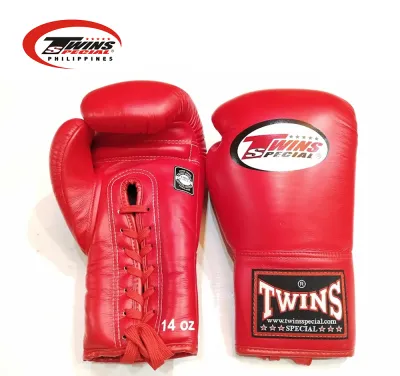
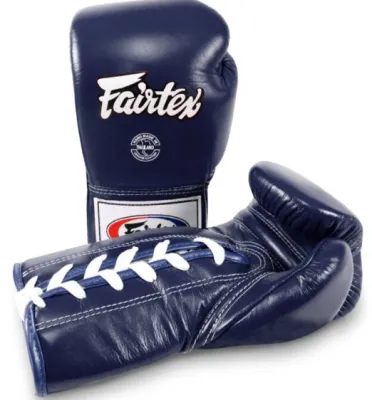
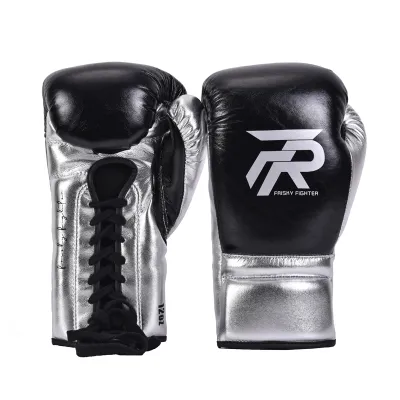
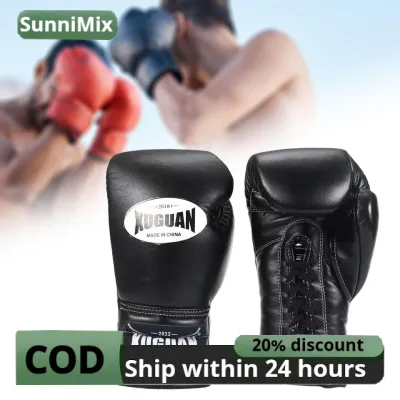
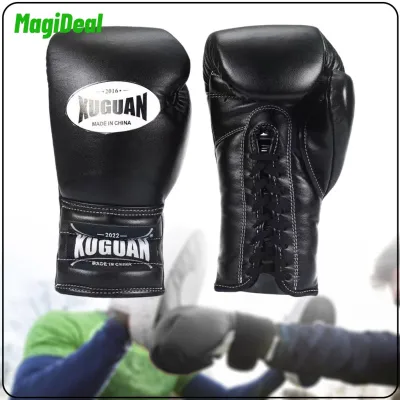
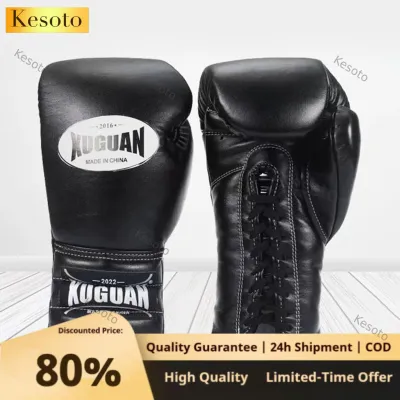
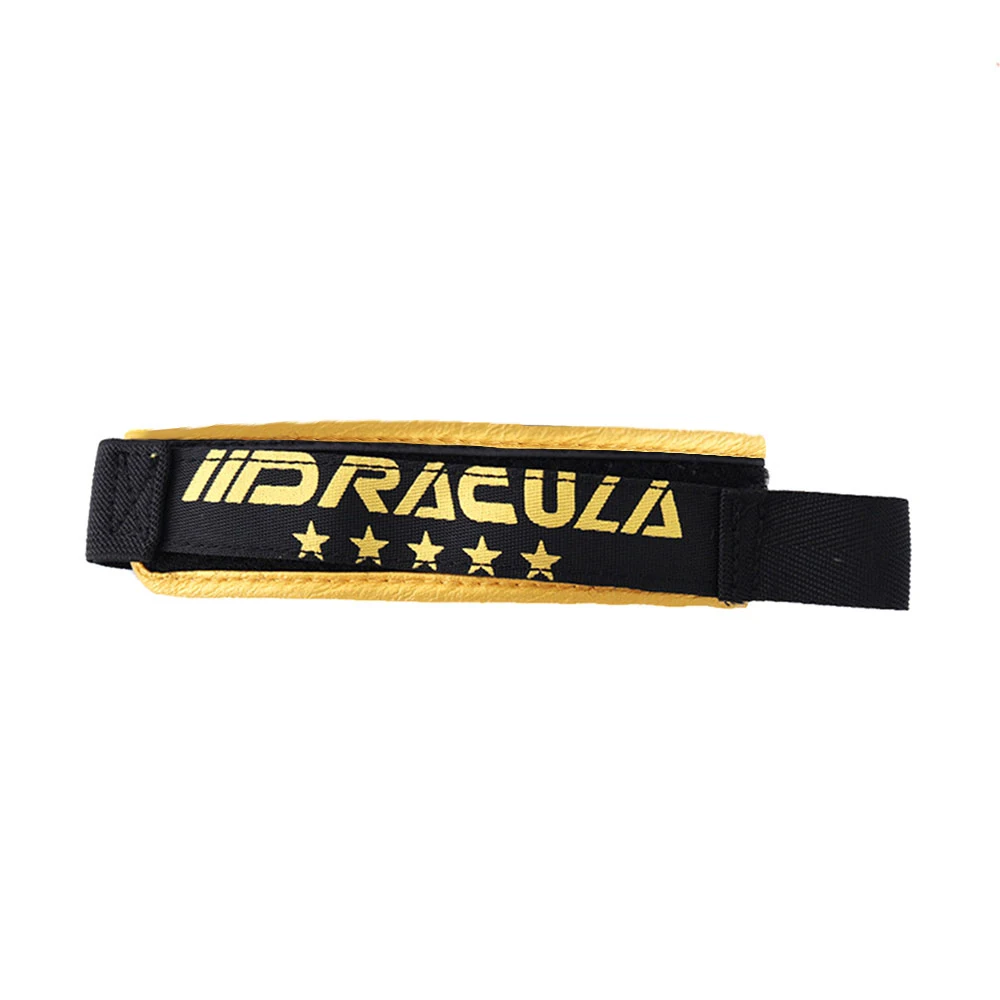
Prices are valid at publication and may change. Please refer to the product page for the latest price.
Lace-up gloves achieve superior stabilization through a symmetrical, wraparound closure system. The laces run through a series of eyelets channeled along the inner wrist and forearm. When these laces are pulled tight, they draw the two sides of the glove’s cuff together evenly. This distributes tension across the entire circumference of your wrist, creating a rigid, custom-molded sleeve that mimics a professional hand tape job. Because the tension is adjustable at every individual cross-point, you can customize the tightness to match the unique contours of your forearm and hand wraps.
In contrast, Velcro gloves rely on one or two wide elastic or leather straps that pull in a single direction. While modern hook-and-loop designs have improved significantly, they inherently apply asymmetrical tension. This directional pull can leave small gaps on the opposite side of the strap, allowing for slight wrist flexion upon impact. Over a long training session on a heavy bag, these minor shifts add up, increasing joint fatigue and the risk of injury.
Certain training scenarios demand this maximum level of support. If you are throwing high-velocity power shots on a dense heavy bag or engaging in hard sparring, the structural integrity of your glove is your primary line of defense. For lighter technical work, such as shadowboxing or light pad drills where impact is minimal, the moderate support of a Velcro strap is generally sufficient. However, remember that the closure system is only one part of the safety equation; the glove’s internal hand compartment width, thumb position, and the quality of the protective foam padding are equally critical to overall hand health.
Convenience and Solo Training Practicality
While lace-up gloves excel in structural support, they present a significant practical challenge during daily training: they require two hands to tie, but once your first hand is gloved, you lose the dexterity needed to secure the second one. This makes self-sufficiency nearly impossible. If you train in a busy gym without a dedicated coach, or if you prefer solo workouts on the heavy bag, lace-up gloves can introduce frustrating friction into your routine.

Velcro gloves solve this problem entirely by prioritizing speed and independence. You can slip them on, pull the straps tight, and secure them against your forearms in a matter of seconds. This rapid transition is incredibly valuable during structured gym classes, circuit training, or high-intensity interval training (HIIT) sessions. If you need to quickly remove your gloves to grab a water bottle, wipe sweat from your face, adjust your headgear, or check a round timer, Velcro allows you to do so without interrupting anyone else’s workout.
Attempting to use lace-up gloves without assistance often leads to improper use. Some fighters try to pre-tie the laces loose enough to slip their hands in, or they attempt to pull the laces tight using their teeth or a wall hook. These methods rarely yield a secure fit. Loose laces defeat the entire purpose of buying a lace-up glove, allowing the wrist cuff to slide and increasing your vulnerability to injury. Conversely, pulling laces excessively tight in a rushed, uneven manner can compress the ulnar or radial nerves, leading to hand numbness, tingling, and restricted blood flow during your rounds.
To bridge this gap, the market offers hybrid solutions such as lace-up converters (Velcro-to-lace adapters) or elastic laces. While these tools allow you to slip lace-up gloves on independently, they come with trade-offs. Elastic laces stretch under the force of impact, which compromises the rigid wrist support that makes lace-ups desirable in the first place. External plastic or metal converter eyelets can also add bulk to the wrist, creating hard surfaces that can scratch your sparring partners or damage leather gear over time.
Durability, Maintenance, and Longevity in Humid Climates
In tropical, high-humidity environments like the Philippines, gym gear is subjected to intense sweat and moisture. This makes the durability and maintenance of your glove closures a vital consideration. Sweat contains salts, acids, and proteins that can break down materials over time, and how your closure system interacts with this moisture determines its overall lifespan.
Velcro is highly susceptible to environmental degradation. The hook-and-loop mechanism acts like a magnet for loose threads from your hand wraps, lint, hair, dust, and gym debris. As these particles accumulate in the hook side of the strap, the holding power of the Velcro diminishes. Furthermore, constant exposure to heavy sweat can weaken the adhesive backing of the Velcro strips or cause the fabric loops to fray and lose their grip. Once the Velcro fails to stay closed under the force of a punch, the glove becomes practically unusable, even if the knuckle padding is still in perfect condition.
Laces, by contrast, are remarkably resilient. While they can fray, absorb sweat, or occasionally snap under high tension, they are incredibly cheap and easy to replace. The structural eyelets on the glove itself are typically reinforced with metal or heavy-duty stitching, lasting for years under normal training conditions. The primary maintenance task for lace-up gloves is simply inspecting the laces for wear and replacing them when they begin to thin or unravel.
To maximize the lifespan of both closure types, a strict maintenance routine is essential, especially in humid climates:
- For Velcro Gloves: Use a fine-toothed comb, a stiff plastic brush, or a piece of tape to regularly clear out lint and debris from the hook sections. Keep the straps closed when storing the gloves to prevent them from catching on other gear.
- For Lace-Up Gloves: Periodically unlace the gloves fully to let the tongue and wrist channel dry out. Replace damp or heavily soiled laces to prevent mold and bacterial growth.
- General Drying Protocol: Never leave wet gloves sealed inside a dark gym bag. Air-dry them in a well-ventilated indoor space. Avoid placing them in direct tropical sunlight, as extreme UV rays and heat can dry out, crack, and damage both genuine leather and synthetic polyurethane shells.
Lace-Up vs Velcro Boxing Gloves: Feature Comparison
To help you quickly evaluate the practical differences between these two closure systems, the table below outlines their performance, usability, and maintenance characteristics based on standard design principles.
| Feature | Lace-Up Gloves | Velcro Gloves |
|---|---|---|
| Wrist Support Level | Symmetrical, micro-customized, and highly rigid | Moderate, localized to strap placement |
| Fit Customization | Adapts precisely to forearm and wrist contours | Fixed strap path with limited contouring |
| Ease of Use (Solo) | Extremely difficult; requires a partner or coach | Very easy; fully self-sufficient |
| Time to Put On/Take Off | Slow (requires several minutes to tie and untie) | Rapid (seconds to secure or release) |
| Best Training Scenarios | Hard sparring, heavy bag power work, competition | Solo bag work, fitness boxing, rapid circuit training |
| Primary Maintenance Focus | Checking for frayed laces and worn eyelets | Cleaning lint and debris from hook-and-loop tracks |
Decision Framework: Match the Glove to Your Training Style
Choosing the right glove requires looking honestly at your daily training habits, gym environment, and physical needs. Rather than buying what looks professional, select the closure type that matches your actual routine.
Choose Lace-Up Gloves If:
- You spar regularly: The streamlined profile of lace-up wrists prevents the scratchy hook-and-loop surface from scraping your sparring partner’s face during close-up clinches or defensive guards.
- You have a history of wrist issues: If you suffer from weak wrists, past sprains, or joint discomfort, the rigid, custom-tensioned sleeve of a lace-up glove offers the best protection.
- You always train with a coach or partner: If your training environment guarantees that someone is always available to tie and untie your gloves, you can enjoy the performance benefits without the convenience drawback.
- You want a traditional, locked-in feel: Many fighters prefer the psychological confidence that comes with a perfectly secured, custom-fitted glove.
Choose Velcro Gloves If:
- You train solo: If your workouts consist of hitting the heavy bag or running through drills by yourself at home or in a commercial gym, Velcro is the only practical choice.
- You do high-volume, fast-paced classes: In fitness boxing, cardio kickboxing, or circuit training, you must be able to put on and take off your gloves instantly to keep up with the instructor.
- You value independence: If you dislike having to ask others for help or want the freedom to take quick water breaks, adjust your hand wraps, or use your phone without hassle.
- You are a beginner: If you are just starting your boxing journey, the simplicity of Velcro allows you to focus on learning proper stance and punching technique rather than managing complex gear.
Verify First and Consult Professionals If:
- You have chronic pain: No glove closure can fix poor punching technique or structural joint damage. If you experience persistent pain in your knuckles, wrists, or elbows, consult a sports medicine professional or physical therapist before continuing to train.
- You plan to compete: Gym training rules often differ from official competition guidelines. If you are transitioning from recreational training to amateur bouts, verify the equipment rules of your local athletic commission or governing body, as many require specific lace-up configurations for official matches.
- You need to select glove weight: Remember that closure type is only one variable. You must also select the correct weight. Typically, 10oz to 12oz gloves are ideal for pad and light bag work, while 14oz to 16oz gloves are mandatory for safe sparring to protect both you and your training partners.
Frequently Asked Questions (FAQ)
Can I use lace-up gloves for Muay Thai or MMA?
While you can use lace-up boxing gloves for the Western boxing portions of Muay Thai training, they are generally less suited for the full sport. Muay Thai requires a highly active clinch, where you must grab, pull, and manipulate your opponent’s head and neck. Traditional lace-up boxing gloves feature long, rigid cuffs that restrict the wrist flexibility needed for effective clinching and catching kicks. Muay Thai-specific gloves typically feature shorter cuffs and more flexible padding to accommodate these movements.
For MMA, the sports are entirely different. Official MMA training and competition require open-palm, split-finger gloves to allow for grappling, submissions, and takedowns. However, MMA fighters frequently use standard boxing gloves (either lace-up or Velcro) during their striking-only training sessions, such as heavy bag conditioning and pad work.
Do lace-up gloves take longer to break in?
No, the closure system does not affect the break-in period of a boxing glove. The break-in time is determined entirely by the materials used in the glove’s construction, specifically the density of the internal foam padding (such as multi-layered latex or orthopaedic foam) and the stiffness of the outer shell (such as genuine full-grain leather versus synthetic vinyl).
While the hand compartment and knuckle padding of a premium leather glove will take several training sessions to mold to the shape of your fist, the laces themselves conform to the shape of your wrist immediately upon the very first proper tie.
Are Velcro gloves allowed in amateur boxing competitions?
Equipment regulations vary significantly depending on the sanctioning body, region, and level of competition. Many amateur boxing associations strictly require lace-up gloves for official bouts to ensure safety and uniformity. In these competitions, the laces must be tied securely and then covered with approved athletic tape around the wrist to prevent the loose lace ends from whipping or scratching an opponent during the fight.
However, some local exhibition matches, inter-club smokers, or master’s division tournaments may allow specific Velcro gloves to speed up tournament organization. Always consult the official rulebook of your local governing body or check with your head coach before purchasing a pair of gloves specifically for competition use.
Community discussion
Share your experience or ask a question. Comments are reviewed before publication.