
A laser induction target is an electronic training device that detects light beams emitted from a training cartridge or bow-mounted laser rather than physical projectiles. When you pull the trigger or release the bowstring, a brief pulse of laser light strikes the target face, where optical sensors instantly register the hit. This technology allows shooters to practice marksmanship fundamentals safely indoors without the noise, cost, or safety risks of live ammunition, providing an accessible way to maintain shooting proficiency at home.
The Core Technology Behind Laser Induction Targets
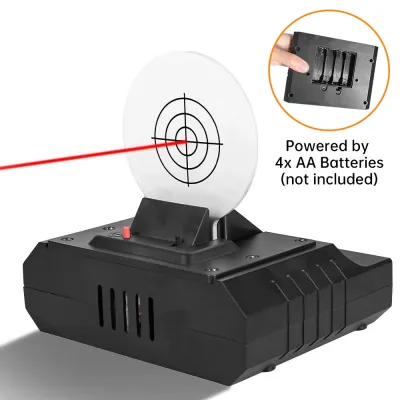
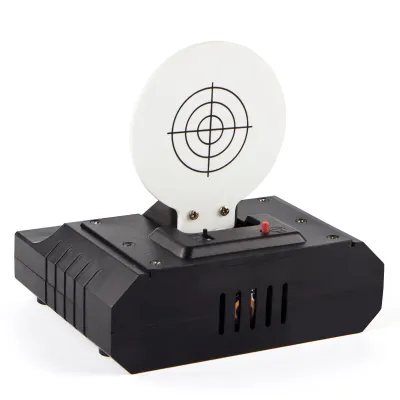
At the heart of every laser induction target is an array of optical sensors, typically photodetectors calibrated to recognize specific wavelengths of light, such as red or infrared. When the laser beam strikes the target surface, these sensors detect the sudden spike in light intensity and convert the optical signal into an electrical impulse. This impulse is then processed by the target’s internal circuit board to register a hit, communicating it to the user through visual or auditory signals.
To prevent false alarms, manufacturers design these systems to distinguish between ambient room light and an actual shot. Continuous-wave lasers emit a steady stream of light, which can easily cause false triggers under bright overhead lighting. To solve this, many modern training systems utilize pulse-mode emitters. These devices emit a coded, high-frequency pulse of light that the target’s processor is specifically programmed to recognize, drastically reducing errors.
Products mentioned in this guide
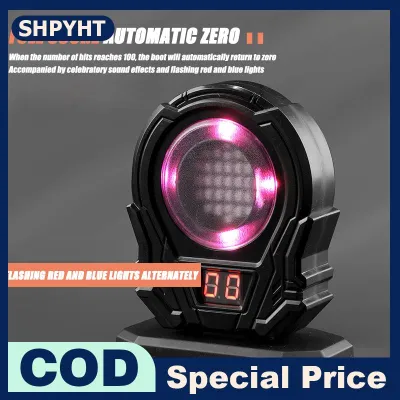
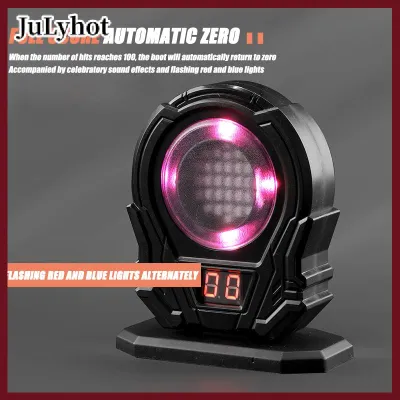
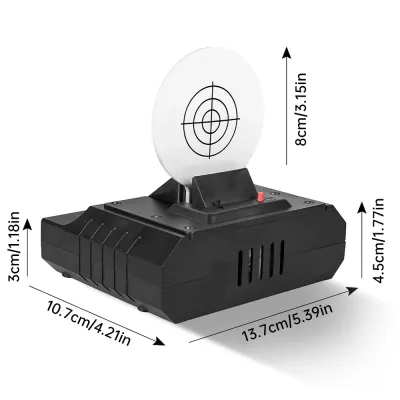
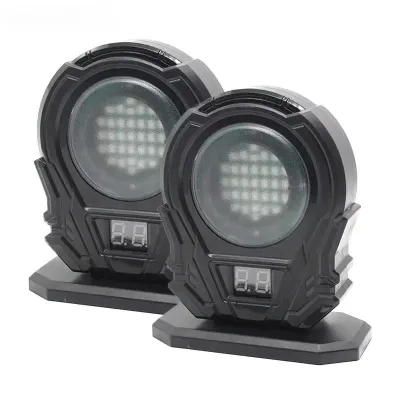
Prices are valid at publication and may change. Please refer to the product page for the latest price.
However, environmental factors still play a significant role in sensor performance. In high-humidity tropical environments or areas with intense direct sunlight, optical sensors can become saturated with ambient light. This saturation makes it difficult for the photodetectors to isolate the brief laser pulse, leading to missed hits. For this reason, these systems are primarily designed for indoor use or shaded outdoor areas where lighting conditions can be controlled.
Key Components and Specs to Check Before Buying
Setting up a laser training system requires matching the right components to your specific equipment. The primary component is the laser emitter, which must be compatible with your firearm or bow. For handguns and rifles, this usually takes the form of a caliber-specific dry-fire cartridge that fits directly into the chamber. If you practice archery or use a caliber without a dedicated cartridge, you will need a universal rail-mount or bow-mount emitter that aligns with your sights.

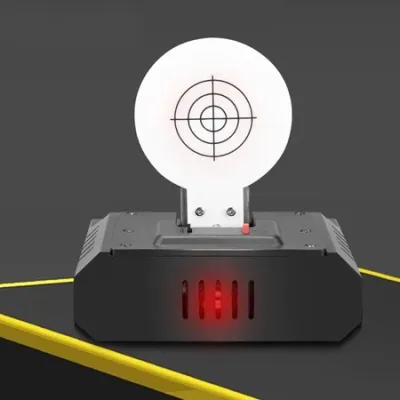
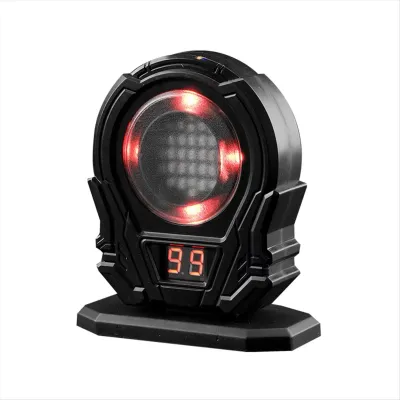
Another critical specification to evaluate is the target’s feedback mechanism. Basic targets feature built-in LED lights or buzzer sounds that trigger upon a successful hit. More advanced systems offer integrated Bluetooth connectivity, allowing the target to sync with a smartphone or tablet application. These apps track your shot placement, record split times, and measure your reaction speed over multiple sessions, providing valuable data to guide your progress.
Power management is also an important consideration for long-term maintenance. Emitters are typically powered by small button-cell batteries, which require periodic replacement depending on how often you practice. The target units themselves may run on standard AA batteries or feature rechargeable lithium-ion packs. Checking these power requirements beforehand helps you plan for ongoing operating costs and ensures your equipment is always ready when you are.
Laser Induction vs. Traditional Paper and Steel Targets
When comparing laser induction targets to traditional paper and steel, the most immediate difference is feedback speed. With paper targets, shooters must constantly walk downrange or use spotting scopes to verify shot placement, interrupting practice. Steel targets offer instant auditory feedback but require strict safety distances to prevent ricochet injuries. Laser targets provide immediate, highly precise electronic feedback right at your firing line without requiring you to step downrange.
Safety and environmental boundaries also set these systems apart. Live-fire training with paper or steel requires a dedicated shooting range with robust backstops, ear protection, and proper ventilation to handle lead dust. In contrast, laser targets allow you to establish a safe dry-fire range in the comfort of your home. This setup eliminates the risk of accidental discharge injuries or property damage, making it an excellent option for daily practice without the travel time or range fees.
However, it is vital to recognize the training limitations of optical systems. Because no physical projectile is fired, laser training cannot simulate recoil, muzzle rise, or the physical blast of live ammunition. Shooters cannot practice recoil management or rapid follow-up shots under realistic physical stress. Furthermore, because light travels in a perfectly straight line, laser systems cannot replicate real-world ballistic drop, wind drift, or terminal ballistics, meaning they cannot fully replace live-fire training.
Is a Laser Induction Target Right for Your Practice Routine?
Determining whether to invest in a laser induction target depends on your current skill level and training objectives. This equipment is highly effective for shooters looking to build and maintain fundamental skills. It is particularly useful for practicing trigger control, sight alignment, draw-to-shot presentation, and reload drills. By allowing you to perform hundreds of repetitions at home, it builds muscle memory while saving on ammunition costs that can quickly add up to thousands of ₱ over a few months of practice.
Conversely, advanced shooters who need to focus on recoil mitigation, rapid-fire tracking, or long-range ballistic adjustments will find limited value in a laser-only setup. For these training goals, live-fire range sessions remain necessary. A laser target should be viewed as a supplemental tool designed to maximize the efficiency of your dry-fire routine rather than a complete replacement for live-fire experience.
Before purchasing, always run through a quick compatibility and safety checklist. Verify that your specific firearm is safe for extensive dry-fire practice, as some older or rimfire designs can suffer firing pin damage without a protective snap cap. Ensure the laser cartridge you select features a durable rubber primer pad to absorb the impact of the firing pin. Finally, confirm that you have a safe, dedicated space free of live ammunition to conduct your dry-fire sessions.
Frequently Asked Questions (FAQ)
Can I use a laser induction target with any type of firearm or bow?
No, compatibility depends entirely on the emitter design. Laser cartridges are caliber-specific and must match your firearm’s chamber exactly. For firearms without available cartridge sizes, or for bows, you must use a universal rail-mount or bow-mount emitter. Additionally, semi-automatic firearms will not cycle automatically during dry fire, meaning you must manually rack the slide or reset the action after each shot to reset the trigger.
Do I need to recalibrate the sensors for different lighting conditions?
Yes, optical sensors are highly sensitive to environmental light. Bright overhead fluorescent bulbs, halogen lamps, or direct sunlight streaming through windows can saturate the sensors and cause missed shots or false triggers. To ensure reliable performance, position your target away from direct light sources, and check the manufacturer’s instructions for manual sensitivity adjustments or calibration routines.
Are laser training cartridges safe for my firearm's firing pin?
Most high-quality laser cartridges are designed with a soft rubber or polymer bumper where the primer would normally be. This bumper absorbs the impact of the firing pin, acting as a built-in snap cap to prevent damage. However, you should always inspect this rubber pad regularly for wear and consult your firearm manufacturer’s guidelines regarding dry-fire safety to prevent potential mechanical issues.
Community discussion
Share your experience or ask a question. Comments are reviewed before publication.