
Choosing the right stretch band material depends on your specific workout movements, comfort preferences, and how the material responds to local environmental conditions like tropical humidity. Natural latex offers high elasticity and range of motion for full-body stretching, fabric bands excel in lower-body workouts by resisting rolling and slipping, and thermoplastic elastomer (TPE) serves as a reliable, latex-free alternative for general resistance training. Matching these materials to your routine ensures a safer, more effective workout without the frustration of slipping bands or sudden snaps.
A stretch band is a highly versatile tool for strength training, physical therapy, and mobility work. However, selecting the wrong material can lead to interrupted sessions, skin irritation, or premature wear. In warm, humid climates, sweat and ambient moisture also play a significant role in how these materials feel against the skin and how quickly they degrade over time.
Understanding the physical properties of each material allows you to make an informed decision based on your fitness level and exercise environment. By evaluating how latex, fabric, and TPE perform under tension, you can select a band that supports your fitness goals while prioritizing safety and durability.
Products mentioned in this guide



Prices are valid at publication and may change. Please refer to the product page for the latest price.
Understanding Latex, Fabric, and TPE Stretch Bands
Natural latex is harvested from rubber trees and is highly regarded for its exceptional elasticity and smooth texture. This material can stretch to several times its original length and snap back to its starting shape consistently. Latex bands are typically manufactured as thin, seamless loops or long, flat sheets, offering a smooth and progressive increase in resistance as they are stretched.
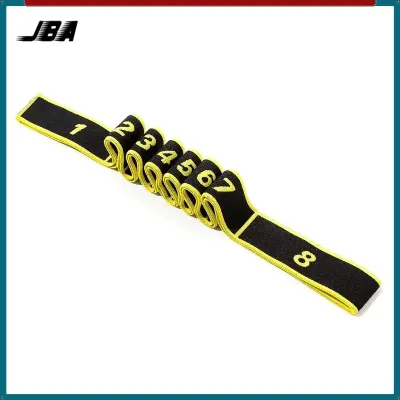
Fabric bands, often referred to as woven or textile bands, are constructed by blending elastic fibers with cotton or polyester threads. This structural design results in a much thicker, wider, and heavier band than its rubber counterparts. Most fabric bands feature integrated non-slip rubber or latex grips woven into the interior surface to keep the band securely in place during dynamic movements.
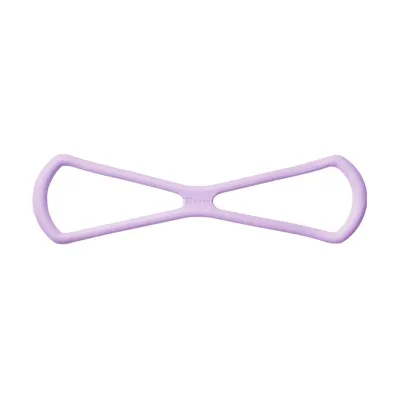
Thermoplastic Elastomer (TPE) is a synthetic polymer that combines the properties of rubber with the processing advantages of plastics. TPE bands serve as a common, latex-free alternative, offering a smooth, slightly powdery texture when new. While they provide good elasticity and a consistent stretch, they generally have a slightly lower maximum stretch limit and a different tactile feel compared to natural latex.
The local climate significantly influences how these materials behave during a workout. In high-humidity environments, natural latex can become sticky if not dried properly, while TPE resists moisture absorption but can feel slippery when coated in sweat. Fabric bands absorb sweat readily, which helps maintain grip on the skin but requires more frequent washing to prevent odor and hygiene issues.
Matching the Material to Your Workout Style
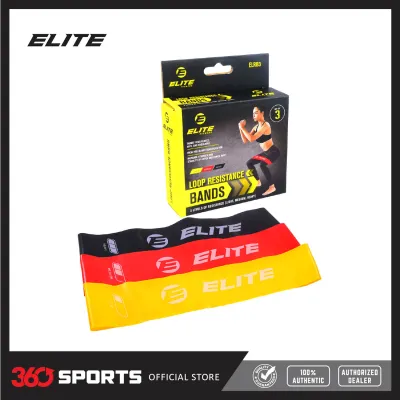
For lower body and glute exercises, fabric bands are highly effective. Movements like squats, lateral band walks, and glute bridges require a band that stays positioned on the thighs or calves without rolling into a tight, painful cord. Fabric bands resist rolling and pinching because of their width and interior grip strips, making them comfortable to use directly on bare skin or over thin athletic wear. Latex loops, by contrast, tend to roll up and slide during high-tension lower-body movements, which can disrupt your exercise flow.

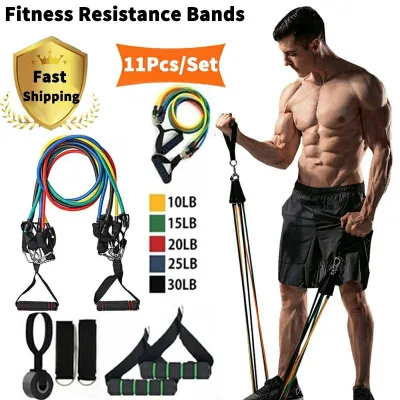
For upper body workouts, mobility drills, and full-body stretching, latex and TPE bands are much more suitable. Exercises such as shoulder dislocates, bicep curls, and chest presses require a long range of motion that fabric bands cannot accommodate due to their stiff, limited stretch. Latex and TPE flat bands or tubes can stretch smoothly over long distances, providing even resistance throughout the entire movement path.
If your routine focuses on Pilates, yoga, or barefoot workouts, comfort and floor grip are primary considerations. Pilates exercises often involve wrapping bands around the arches of the feet or holding them for extended periods. TPE flat bands are favored in these settings because they offer a gentle, non-abrasive grip on bare skin and do not pull fine body hairs the way natural latex sometimes can. Fabric bands can feel too abrasive or bulky for the precise, flowing movements typical of Pilates and yoga.
Evaluating Comfort, Durability, and Skin Sensitivities
Before purchasing any stretch band, it is essential to check the manufacturer’s label for material composition, especially if you have sensitive skin or known allergies. Natural rubber latex is a common allergen that can cause skin irritation, redness, or severe allergic reactions. If you have a latex sensitivity, look for clear “latex-free” labels on TPE or synthetic fabric bands, keeping in mind that some fabric bands still weave natural latex threads into their interior grip strips.
Durability can be assessed by examining the physical construction and thickness of the bands. For fabric bands, inspect the stitching quality at the seam; double-stitched or reinforced seams are less likely to unravel under heavy tension. For latex and TPE bands, look for uniform thickness and smooth edges, as any unevenness or manufacturing defects can become weak points where tears can start.
Each material presents distinct trade-offs between stretch capacity, structural integrity, and long-term comfort. Latex offers fluid resistance but is vulnerable to punctures from fingernails, jewelry, or rough outdoor surfaces. Fabric bands are incredibly tough and virtually impossible to snap during normal use, but their high resistance and limited stretch make them unsuitable for general flexibility training. TPE provides a safe, allergy-friendly alternative, though it may lose its elasticity and stretch memory faster than natural latex under daily, heavy use.
Inspecting, Caring, and Knowing When to Replace
To maintain a safe workout environment, establish a routine of inspecting your bands before every session. Perform a visual and tactile check by stretching the band slightly under good lighting. Look closely for micro-tears, tiny punctures, discoloration, or areas that appear unusually thin. For fabric bands, run your fingers along the edges to check for fraying threads or broken elastic fibers within the weave.
Proper cleaning and storage are vital to protect the integrity of the materials, especially in warm, humid climates. Wipe latex and TPE bands down with a damp cloth after use to remove sweat and body oils, then allow them to air dry completely. Fabric bands should be hand-washed periodically using mild soap and cold water, then hung to dry away from direct sunlight. Avoid using harsh chemical cleaners, alcohol-based sanitizers, or tumble dryers, as extreme heat and chemicals will rapidly degrade the polymers and elastic fibers.
Knowing when to dispose of a band is critical for preventing sudden snaps that can cause painful injuries. If you identify any micro-tear, deep scratch, peeling layer, or significant loss of elasticity, stop using the band immediately. Do not attempt to tie a knot in a damaged latex or TPE band to bypass a tear; the knot creates a high-stress concentration point that is highly likely to fail suddenly under tension. Dispose of the damaged band safely and replace it to ensure your workouts remain safe and uninterrupted.
Frequently Asked Questions (FAQ)
Can I use fabric stretch bands for upper body workouts?
Fabric stretch bands are generally not recommended for upper body workouts due to their physical limitations. They are designed as short, high-resistance loops intended for lower-body movements, meaning they lack the length and elasticity required for exercises like overhead presses or lateral raises. Additionally, holding a thick, stiff fabric band directly with your hands can make it difficult to maintain a secure grip, whereas latex or TPE bands can be easily wrapped around your hands or attached to handles for a comfortable grip.
How do I safely store stretch bands to prevent material degradation?
To prevent premature degradation, store your stretch bands in a cool, dry place away from direct sunlight, extreme heat, and sharp objects. In humid tropical environments, keeping them in a breathable mesh bag rather than a sealed plastic container helps prevent moisture buildup, which can make latex sticky or cause mold to grow on fabric. Always consult the manufacturer’s specific care label for exact temperature tolerances and storage recommendations to maximize the lifespan of your equipment.
Community discussion
Share your experience or ask a question. Comments are reviewed before publication.