
Selecting the right putter cover material is a critical decision for any golfer looking to protect one of the most important clubs in their bag. While the putter is rarely subjected to the high-impact forces of a driver or an iron, it is highly vulnerable to cosmetic and structural damage while sitting in your golf bag. Clattering against other club heads during transport can easily nick, scratch, or dent a soft putter face, directly affecting your alignment and roll. To prevent this, you must choose a cover material that balances impact protection, weather resistance, and long-term durability. Genuine leather, neoprene, and synthetic fabrics each offer distinct advantages and trade-offs depending on your playing environment, maintenance habits, and budget.
Understanding the Core Materials for Putter Covers
To make an informed choice, you must first look past creative marketing names and examine the actual material specifications provided by the manufacturer. Genuine leather and synthetic alternatives often look similar at first glance, but their structural properties differ significantly. Checking the product label or material tag is the most reliable way to confirm whether a cover is made from real animal hide or a polyurethane (PU) synthetic blend. Genuine leather covers are typically heavier, have a distinct natural scent, and develop a unique patina over time, whereas synthetic leather offers a highly uniform texture and consistent water resistance.
Neoprene is another popular option, prized primarily for its elasticity and cushioning. When evaluating neoprene putter covers, look closely at the thickness specifications, which are usually measured in millimeters. Thicker neoprene provides better shock absorption against other clubs clattering in your golf bag, while high elasticity ensures the cover stretches easily over various putter shapes without losing its form over time.
Products mentioned in this guide
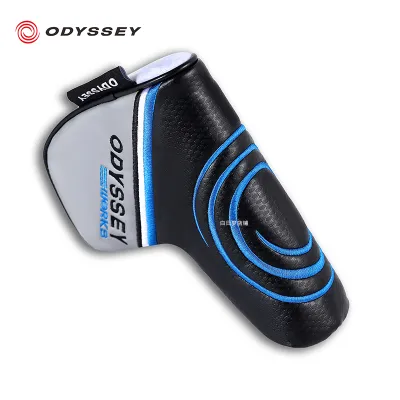
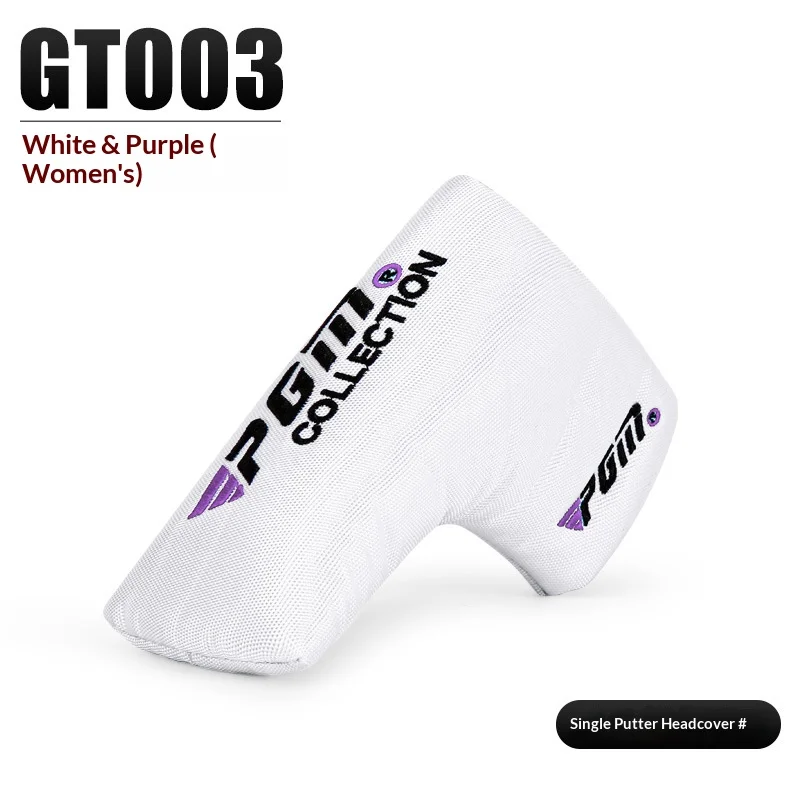
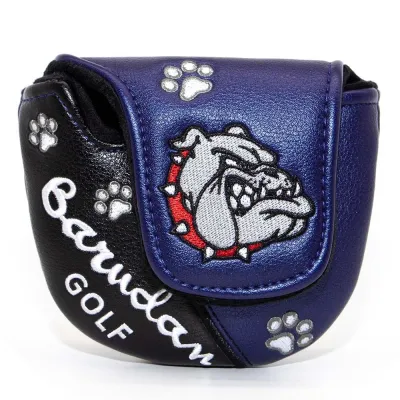
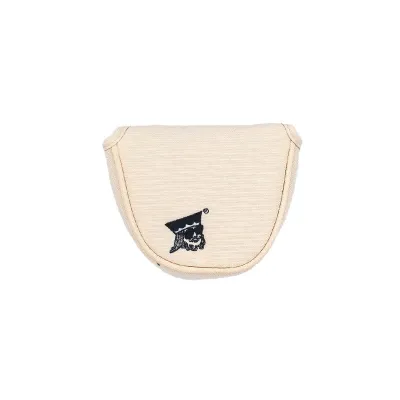
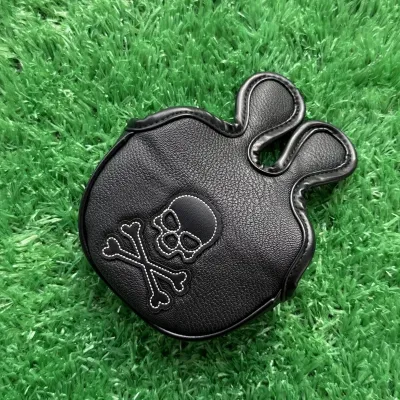
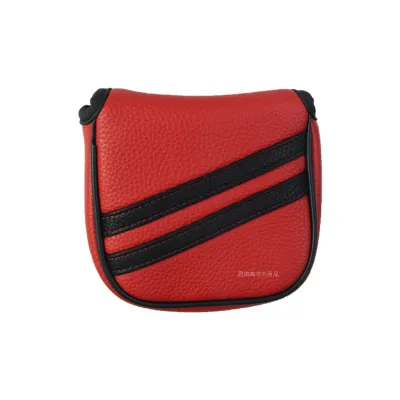
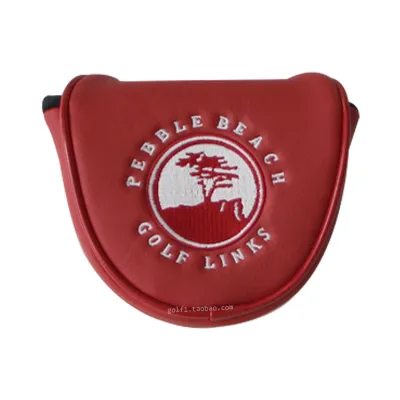
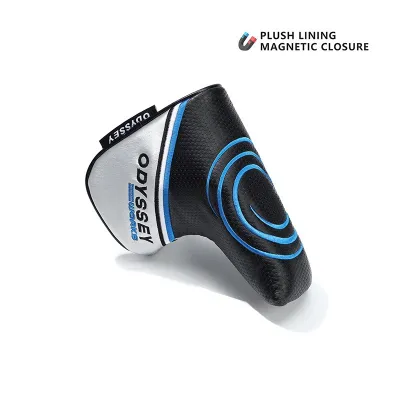
Prices are valid at publication and may change. Please refer to the product page for the latest price.
Other synthetic fabrics, such as nylon or polyester, are frequently used for modern golf gear. The durability of these fabrics depends heavily on their weave density, often indicated by a denier rating, and the presence of specialized protective coatings. A higher denier rating generally points to a stronger, more tear-resistant fabric that can withstand the friction of being pulled in and out of a golf bag repeatedly. Rather than relying on vague product descriptions, always verify these technical details on the manufacturer’s specification sheet to ensure you are getting the level of protection you expect.
Comparing Protection, Durability, and Maintenance
Evaluating how a putter cover performs in real-world conditions requires looking beyond the outer shell. True protection is determined by the inner lining and the overall structure of the cover. Many high-quality covers feature a thick, padded inner lining made of fleece, microfiber, or high-density foam to cushion the putter head. Additionally, you should consider whether a hard-shell or soft-shell design fits your needs; hard-shell structures offer rigid defense against heavy impacts, while soft-shell covers provide flexible, lightweight convenience.

Durability is closely tied to construction quality and the hardware used for closures. Inspect the stitching along the seams to ensure there are no loose threads or uneven patterns that could unravel under tension. The closure mechanism is another critical point of wear; magnetic closures tend to last longer because they do not lose their grip, whereas hook-and-loop fasteners (commonly known as Velcro) can accumulate dirt, grass, and lint over time, gradually reducing their holding power. In humid or wet environments, metal components on magnetic closures should be checked for rust resistance, and synthetic stitching should be verified for rot resistance.
Maintenance requirements vary drastically across these materials, and failing to follow manufacturer instructions can ruin your investment. Genuine leather requires regular conditioning with specialized leather creams to prevent drying and cracking, especially after exposure to moisture. Neoprene, on the other hand, cannot tolerate high heat or harsh chemical cleaners; it must be washed gently and allowed to air-dry completely to prevent mold growth. Synthetic covers are generally the easiest to maintain, often requiring nothing more than a quick wipe with a damp cloth, though they still benefit from being kept away from prolonged, direct sunlight when stored.
Matching Material to Your Playing Style and Budget
Your choice of putter cover should align with your typical playing conditions, aesthetic preferences, and financial plan. For golfers who frequently travel or play in wet, tropical climates—such as the sudden downpours and high humidity of the rainy season in the Philippines—moisture management is the top priority. In these conditions, quick-drying neoprene or water-resistant synthetic fabrics are highly practical choices because they prevent moisture from trapping against the putter head, which could otherwise lead to rust on carbon steel putters.
If you prefer a traditional aesthetic and a premium feel, genuine leather is the classic choice, though it comes with a higher price tag. In the local market, premium leather covers can require a significant budget allocation, often costing upwards of ‛2,500 to ‛5,000 or more depending on the brand and craftsmanship. Along with this initial financial commitment, you must also factor in the time and effort required for regular leather preservation to protect your investment from the degrading effects of tropical humidity.
For everyday practicality and straightforward value, synthetic leather or nylon covers offer an excellent middle ground. These options balance lightweight construction and reliable basic protection against a highly accessible price point, often retailing for a fraction of the cost of genuine leather. They are ideal for casual players who want a low-maintenance solution that performs consistently without requiring specialized care routines.
To help narrow down your options, consider this conditional decision framework based on your primary golfing environment and priorities:
- High Humidity & Frequent Rain: Prioritize neoprene or treated synthetic nylon for quick-drying performance and easy moisture clearance.
- Premium Aesthetics & Dry Conditions: Choose genuine leather, provided you are willing to invest in regular conditioning and dry storage.
- Maximum Value & Low Maintenance: Opt for high-density synthetic leather (PU) with a magnetic closure for reliable daily protection at a moderate price.
What to Check Before Buying a Putter Cover
Before finalizing your purchase, a few quick checks will ensure your new cover fits perfectly and functions reliably on the course. First, verify the compatibility between your putter head shape and the cover’s internal dimensions. Putter covers are generally designed specifically for either classic blade putters or larger mallet putters; trying to force a mallet putter into a blade cover will damage the seams, while a blade putter in a mallet cover will slip around and lack proper protection.
Next, test the reliability of the closure mechanism. If you are shopping online, read user feedback regarding how securely the cover stays closed during transport. A weak magnet or worn-out fastener can cause the cover to fall off unnoticed while you are walking the fairways, leaving your expensive putter exposed to damage from other clubs in your bag.
Finally, confirm that the cover features a soft, scratch-resistant inner lining. The primary job of a putter cover is to protect the delicate milled face and alignment lines of your putter. Ensure the interior fabric is clean, plush, and free of any rough exposed seams or plastic tags that could rub against the putter head and cause micro-scratches over time.
Frequently Asked Questions (FAQ)
Can I use a leather putter cover in heavy rain?
Yes, but with caution and immediate aftercare. While some leather covers feature water-resistant treatments, genuine leather is naturally porous and can absorb water during a heavy downpour. If your leather cover gets soaked, wipe off excess water immediately with a soft dry cloth and let it air-dry completely at room temperature. Never use a hairdryer or place it near a direct heat source, as rapid heating will cause the leather to shrink, stiffen, and crack. Once dry, apply a light coat of leather conditioner to restore its natural oils.
How do I clean a neoprene putter cover without damaging it?
To clean a neoprene cover safely, hand wash it in cold water using a mild soap or gentle detergent. Avoid using bleach, harsh stain removes, or fabric softeners, as these chemicals can break down the synthetic rubber structure of the neoprene. Gently squeeze the soapy water through the material without wringing or twisting it aggressively, which can warp its shape. Rinse thoroughly with clean cold water, then hang it to air-dry in a well-ventilated indoor area away from direct sunlight, as ultraviolet rays can degrade the material over time.
Community discussion
Share your experience or ask a question. Comments are reviewed before publication.