
Choosing the best material for your golf iron head covers depends on whether you prioritize premium durability, weather resistance, or lightweight convenience. Leather offers a classic look and long-term protection but requires active maintenance. Neoprene provides excellent shock absorption and water resistance, making it ideal for humid or rainy tropical climates. Knit covers deliver a lightweight, vintage aesthetic with quick access, though they offer less impact protection. Balancing your playing frequency, local weather, and budget will guide you to the right choice.
Identifying Your Priorities for Iron Protection
Before comparing materials, you must evaluate your specific golfing routine and equipment. Forged irons made of soft carbon steel are highly susceptible to “bag chatter”—the constant clanking of clubheads against each other during transport—which can cause unsightly dings and affect resale value. Standard chrome-plated or cast stainless steel irons are more resilient but still suffer from cosmetic wear over time.
Your local playing environment also plays a massive role. In tropical climates like the Philippines, high humidity and sudden downpours can trap moisture inside a head cover, potentially leading to rust if the material is not breathable or easily dried. Additionally, consider how you travel to the course; if you frequently load your bag into a car trunk or travel by plane, your clubs will need robust impact protection. Finally, think about your pace of play. If you find yourself rushing between shots, you will want a cover that slips off and on with minimal effort.
Products mentioned in this guide
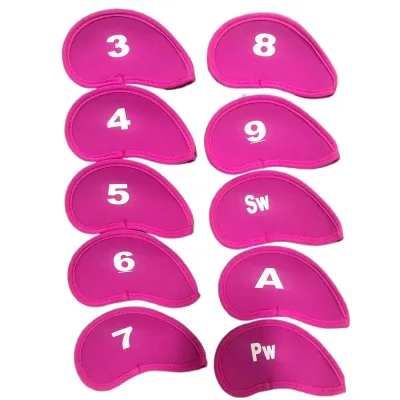
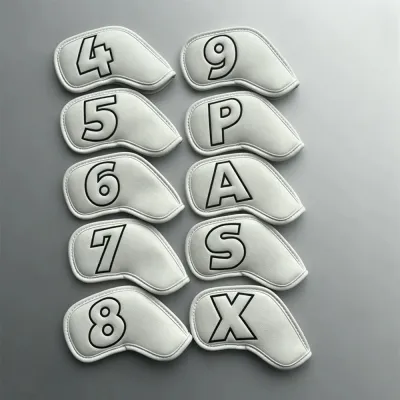
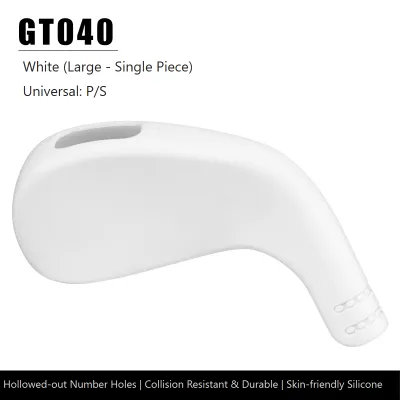
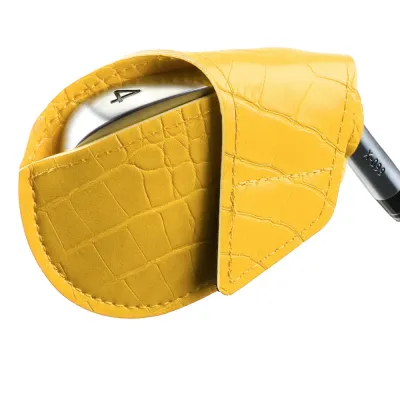
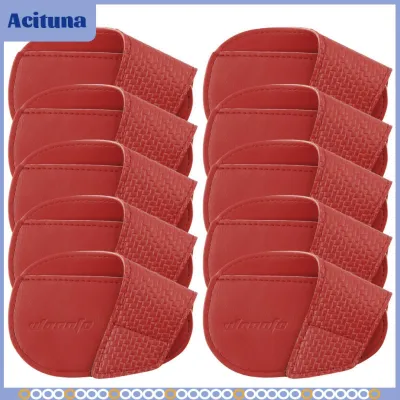
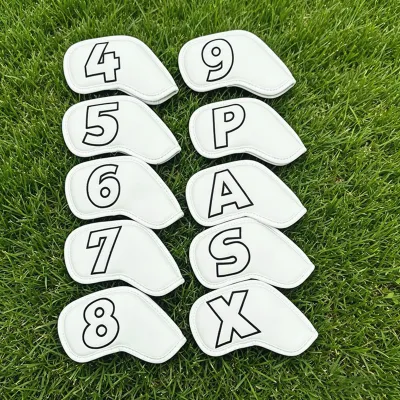
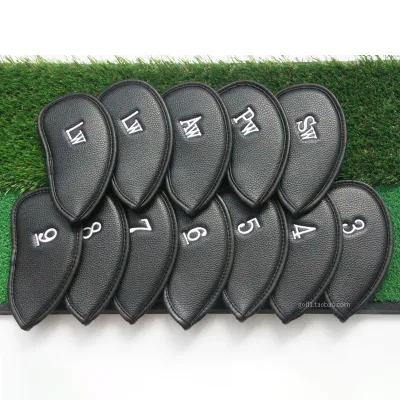
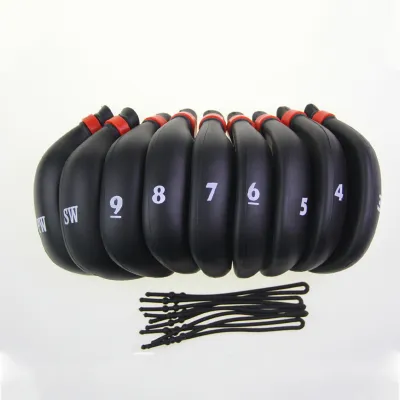
Prices are valid at publication and may change. Please refer to the product page for the latest price.
Leather Head Covers: Premium Feel and Long-Term Durability
Leather head covers represent the premium tier of club protection, favored by golfers who appreciate classic styling and exceptional longevity. Whether crafted from genuine leather or high-grade synthetic alternatives, these covers offer a substantial barrier against physical damage. Over time, genuine leather develops a unique patina and molds slightly to the shape of your iron heads, providing a secure, customized fit that prevents the covers from slipping off unexpectedly in your bag.

The primary strength of leather is its sheer durability. A well-made leather cover can withstand years of sun exposure and rough handling without tearing or losing its structural integrity. However, this durability comes with a maintenance trade-off. Leather is naturally susceptible to moisture damage. If you play a round in a sudden tropical downpour, you cannot simply leave wet leather covers on your clubs, as trapped moisture can promote rust on your iron shafts and heads. You must dry them thoroughly and occasionally apply specialized leather conditioners to prevent the material from cracking under intense sun exposure.
From a value perspective, leather covers require a higher initial investment, often costing significantly more in ₱ than synthetic options. However, this upfront cost is offset by their lifespan. While cheaper covers may need replacement every season, a single set of quality leather covers can last for many years, making them a highly cost-effective choice for dedicated players who view their golf gear as a long-term investment.
Neoprene Head Covers: Weather Resistance and Easy Maintenance
Neoprene is the same synthetic rubber used to make wetsuits, making it an incredibly practical and high-performing material for golf iron covers. Its standout feature is its elasticity, which allows each cover to stretch snugly over the iron head. This tight fit ensures that the cover stays firmly in place, even when your golf bag is jostled on the back of a golf cart or during transit. The dense, spongy texture of neoprene provides excellent shock absorption, effectively dampening the impact of bag chatter.
For golfers playing in wet or highly humid environments, neoprene is exceptionally reliable. It does not absorb water the way natural fibers do, and it dries relatively quickly. If your covers get dirty from mud or sand, cleaning them is straightforward: a quick hand wash with mild soap and water, followed by air drying, is all it takes to keep them looking new. Neoprene is also highly resistant to fading from ultraviolet rays, which is crucial when playing under intense tropical sunlight.
The main drawback of neoprene is its long-term elasticity. Over several years of heavy use, constant stretching can cause the material to lose some of its rebound, leading to a looser fit. Additionally, while neoprene keeps external moisture out, it can trap condensation inside if you put a wet club back into the cover. In terms of value, neoprene sits at a highly attractive moderate price point in ₱. It offers an outstanding balance of everyday utility, robust physical protection, and low-maintenance care, making it the go-to choice for active, practical golfers.
Knit Head Covers: Lightweight Convenience and Classic Style
Knit head covers offer a nostalgic, retro aesthetic that appeals to traditionalists and golfers who prefer a clean, uncluttered look in their bag. Typically made from acrylic, polyester, or wool blends, these covers are incredibly lightweight and flexible. Because they lack rigid structures or heavy padding, they can be easily slipped off and stuffed into a pocket or a small compartment in your golf bag while you play your shot, ensuring a fast and seamless flow during your round.
While knit covers excel in convenience and breathability, they offer the lowest level of impact protection among the three materials. The soft, woven fabric can prevent minor scratches and reduce the noise of clanking clubs, but it cannot absorb heavy impacts or prevent dings if your bag is dropped or roughly handled. Furthermore, knit fabrics are highly vulnerable to snags. Contact with velcro glove patches, sharp bag zippers, or rough brush on the course can easily pull threads and unravel the knit pattern over time.
Moisture management is another critical consideration. Knit covers absorb water quickly during rain showers. If they get wet, they must be removed immediately to prevent moisture from sitting against your clubheads, which can rapidly cause rust—especially on forged carbon steel irons. Cleaning knit covers requires a gentle touch, usually involving hand washing and laying them flat to dry to prevent them from shrinking or losing their shape. Despite these limitations, knit covers represent the most budget-friendly option in ₱, making them an excellent choice for golfers who play mostly in dry weather, practice careful bag management, and want an affordable way to add a splash of classic style to their set.
Material Comparison Matrix for Golf Iron Head Covers
To help you quickly evaluate your options, the table below summarizes how leather, neoprene, and knit materials compare across key performance dimensions. Keep in mind that specific product performance can vary based on manufacturing quality, so you should always verify the details on the product label or manufacturer specifications before making a purchase.
| Material | Protection Level | Weather Resistance | Ease of Use | Relative Cost |
|---|---|---|---|---|
| Leather | High (Excellent shock absorption) | Moderate (Requires drying/care) | Moderate (Snug, structured fit) | High (Premium investment) |
| Neoprene | High (Dense, spongy padding) | High (Water-resistant, quick-dry) | High (Stretchy slip-on design) | Moderate (Great value) |
| Knit | Low to Moderate (Prevents light scratches) | Low (Absorbs water easily) | High (Very flexible and lightweight) | Low (Budget-friendly) |
When selecting your covers, consider which of these dimensions aligns closest with your typical playing conditions and how much time you are willing to dedicate to maintaining your gear.
How to Decide: Matching Material to Your Golfing Routine
Choosing the right iron head cover comes down to matching the material’s strengths with your personal playing habits and environment.
- Choose Leather if: You want a premium, professional aesthetic, prioritize long-term durability, and are willing to perform occasional maintenance. This is the ideal choice for golfers who play mostly in dry conditions or use high-end forged irons that deserve top-tier cosmetic protection.
- Choose Neoprene if: You need reliable, rugged protection that can handle high humidity, sudden rain, and frequent travel. Neoprene is perfect for the practical golfer who wants maximum shock absorption and easy, low-maintenance cleaning at a reasonable price.
- Choose Knit if: You love a classic, vintage look, prefer lightweight accessories that are easy to store, and usually play in dry weather. It is also the best option if you are on a budget or enjoy frequently changing the look of your bag.
Before finalizing your choice, always verify if your specific iron set features oversized heads, unique game-improvement shapes, or specialized finishes. Some thicker game-improvement irons may require stretchy neoprene or custom-sized leather covers to ensure a proper fit, while standard player’s irons will fit comfortably in almost any standard cover.
Frequently Asked Questions (FAQ)
Do I really need head covers for my irons?
While head covers are mandatory for woods and putters, they are optional but highly recommended for irons. If you play soft carbon steel or raw finish irons, covers are essential to prevent deep dings and scratches caused by bag chatter during transport. Even for standard stainless steel or chrome-plated irons, using covers eliminates the constant clanking noise on the course and preserves the cosmetic condition of your clubs, which helps maintain their resale value if you decide to upgrade later.
How do I clean and maintain my iron head covers?
Proper maintenance depends entirely on the material. For leather covers, wipe away dirt with a damp cloth after your round, let them air dry completely, and apply a leather conditioner every few months to keep the material supple. For neoprene, hand wash them in warm water with a mild detergent, rinse thoroughly, and let them air dry away from direct sunlight or high heat. For knit covers, hand wash them gently to avoid snagging, reshape them while damp, and lay them flat on a towel to dry to prevent shrinkage and preserve their elasticity.
Community discussion
Share your experience or ask a question. Comments are reviewed before publication.