
Selecting the right putter head cover is a critical decision for protecting your most frequently used club. The putter face, whether it features a precision-milled pattern or a soft polymer insert, is highly susceptible to scratches, dings, and environmental wear that can alter your roll and ruin your alignment. The ideal material for your putter head cover depends on your local playing conditions, your budget, and how much time you want to spend maintaining your gear. Leather provides premium impact protection and a classic aesthetic but demands regular care in humid environments. Neoprene offers excellent weatherproofing and a secure, snug fit for golfers who frequently travel or play in wet conditions. Knit covers deliver a lightweight, highly customizable, and budget-friendly option for casual players who prefer a vintage look. By evaluating how each material performs under different conditions, you can choose a cover that keeps your putter in pristine condition round after round.
Leather Putter Head Covers: Premium Feel and Scratch Resistance
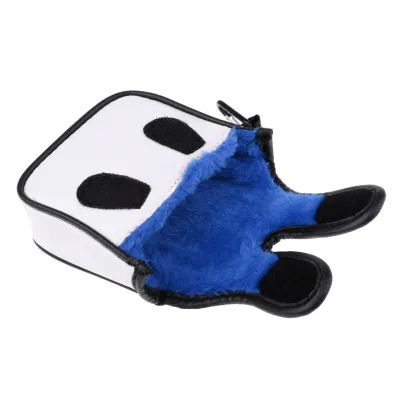
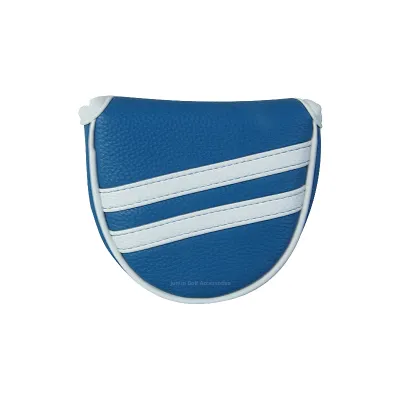
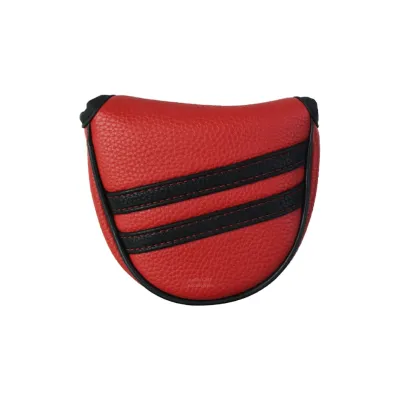
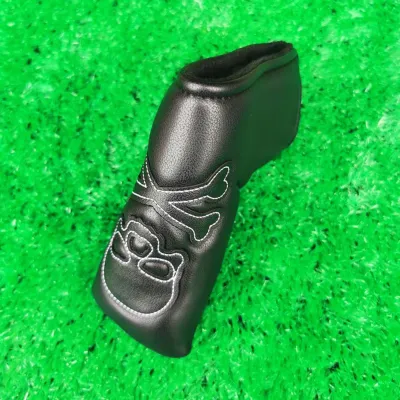
Leather has long been the gold standard for golf club protection, favored by players who appreciate traditional craftsmanship and robust durability. Genuine leather covers, as well as high-quality synthetic polyurethane (PU) leather alternatives, offer a thick, structured barrier that shields the putter head from heavy impacts. When your golf bag is riding on a cart over bumpy paths, clubs inevitably clash together. Leather covers excel at absorbing these heavy impacts, preventing iron heads from denting the softer metal of your putter. This high level of protection extends to the shaft connection and the hosel, reducing the risk of structural wear during transport.
However, leather requires a commitment to maintenance, especially when playing in tropical climates where high humidity and sudden rainstorms are common. Genuine leather is naturally porous and sensitive to moisture. If a leather cover gets wet and is left in a dark, enclosed golf bag, it can develop mold, mildew, or stiffen and crack over time. To maintain its structural longevity and supple feel, you must periodically clean and condition the material. Synthetic PU leather offers a more moisture-resistant alternative that requires less maintenance, though it may not develop the classic patina or offer the same long-term durability as genuine hide.
Products mentioned in this guide
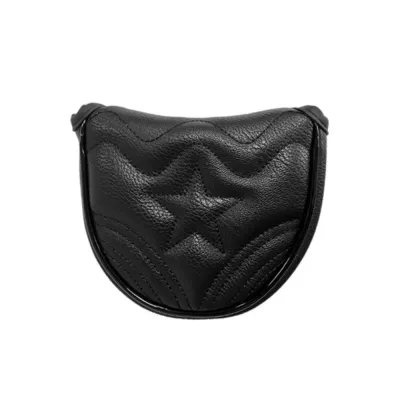
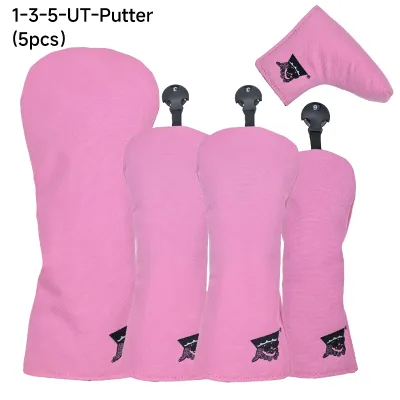
Prices are valid at publication and may change. Please refer to the product page for the latest price.
From a financial perspective, leather putter head covers sit at the premium end of the market. In the Philippines, a high-quality leather cover typically ranges from ₱1,500 to ₱4,000 or more, depending on the brand and customization. While the initial investment is higher, a well-maintained leather cover can last for years, outliving multiple putters and maintaining its protective qualities throughout its lifespan.
Neoprene Putter Head Covers: All-Weather Defense and Snug Fit
For golfers who prioritize utility, weather resistance, and a secure fit, neoprene is an outstanding material choice. Made from the same synthetic rubber used in diving wetsuits, neoprene is inherently water-resistant, highly elastic, and lightweight. This makes it exceptionally well-suited for playing in highly humid, coastal, or rainy environments where moisture is a constant challenge. Neoprene does not absorb water on its exterior surface, allowing rain to slide off and keeping the cover lightweight even during a heavy downpour.

The elasticity of neoprene allows it to stretch tightly over the putter head, creating a form-fitting glove that minimizes bulk in your golf bag. This snug fit is often paired with secure closure mechanisms such as heavy-duty zippers, industrial velcro, or magnetic flaps. Because the material conforms so closely to the club, there is very little risk of the cover slipping off accidentally while walking the course or transporting your bag. This secure fit is particularly beneficial for active golfers who walk the course or use pull carts, where clubs bounce around constantly.
In terms of environmental resilience, neoprene handles intense sun exposure and UV rays without cracking or drying out, though prolonged exposure to direct sunlight may cause some color fading over time. It is also highly resistant to physical abrasions, making it a rugged option for players who travel frequently. Neoprene covers generally fall into the mid-tier price range, typically costing between ₱500 and ₱1,200. This balance of affordable pricing, low maintenance, and high weather resistance makes it a highly practical choice for everyday golfers.
Knit Putter Head Covers: Affordable Style and Basic Protection
Knit putter head covers offer a nostalgic, vintage aesthetic that appeals to golfers who love classic styling and personalized flair. Often featuring colorful patterns, stripes, and large pom-poms, knit covers allow you to express your personal style on the course. Beyond aesthetics, knit covers are incredibly lightweight, flexible, and easy to slip on and off, making them a highly convenient option for casual rounds of golf.
However, knit covers have clear protection limits compared to their leather and neoprene counterparts. The soft, woven yarn provides excellent protection against minor club chatter—the light clicking sound of clubs bumping together while walking—but offers very little defense against heavy impacts, sharp drops, or pressure from heavy bags. If your bag is packed tightly into a car trunk or a travel case, a knit cover will not prevent heavier clubs from pressing into and potentially denting your putter face.
Moisture management is another critical consideration for knit covers. Because they are made of woven fibers, knit covers act like a sponge in wet conditions. They easily absorb rain, morning dew, and ambient humidity, holding that moisture directly against the metal of your putter head. If you leave a wet knit cover on your putter, it creates a highly corrosive microenvironment that can rapidly lead to rust and pitting on carbon steel or milled putter faces. On the positive side, knit covers are highly breathable, meaning they dry quickly when removed from the club, and they are incredibly easy to clean. Most knit covers can be hand-washed or machine-washed with mild detergent to remove dirt, sweat, and grass stains. They are also the most budget-friendly option on the market, often priced under ₱500, making them an excellent entry-level choice.
How to Choose the Right Material for Your Playing Style
To select the best putter head cover material for your game, you must evaluate your typical playing environment, your budget, and how much effort you are willing to put into gear maintenance. Use the following conditional framework to match these material characteristics with your specific golfing habits:
Choose a leather cover if:
- You prioritize maximum impact protection against heavy bag dings and scratches.
- You prefer a classic, premium aesthetic and are willing to pay a higher upfront price (typically ₱1,500 to ₱4,000).
- You are committed to routine maintenance, such as wiping down the cover after wet rounds and applying leather conditioner to prevent cracking.
- You primarily play in dry conditions or dry out your gear thoroughly after every round.
Choose a neoprene cover if:
- You frequently play in wet, humid, or coastal environments where rain and moisture are constant factors.
- You want a low-maintenance cover that can be easily wiped clean and does not require conditioning.
- You travel often or walk the course and need a secure, snug fit with a zipper or magnetic closure that will not slip off.
- You want a durable, mid-priced option (typically ₱500 to ₱1,200) that offers reliable, all-weather protection.
Choose a knit cover if:
- You are working with a tight budget and want an affordable option (typically under ₱500).
- You prefer a vintage, casual, or highly customized look with unique colors and patterns.
- You play casually and primarily need protection against minor club chatter rather than heavy impacts.
- You are diligent about removing the cover to dry if it gets wet, preventing moisture from trapping against the clubhead.
Before finalizing your purchase, you must verify that the cover is fully compatible with your putter’s specific shape and dimensions. Putter heads generally fall into two main categories: blades and mallets. Blade putters are narrow and traditional, fitting easily into slim, sleeve-like covers. Mallet putters are much wider and come in various geometric shapes, requiring specialized, larger covers with wide openings and secure magnetic or velcro flaps. Additionally, check the hosel configuration of your putter. Center-shafted putters or those with unique plumbing necks may require a cover with a specific entry slot to ensure a proper fit without stretching or tearing the material. Always check the manufacturer’s sizing label and measurements to guarantee a secure fit before buying.
Frequently Asked Questions (FAQ)
How do I clean and maintain a leather putter head cover?
To clean a leather putter head cover, start by wiping away surface dirt, grass, and sand with a soft, damp microfiber cloth. Avoid using harsh chemical cleaners, dish soaps, or submerging the cover in water, as this can strip the natural oils from the leather. If the cover gets wet during a rainy round, let it air dry completely at room temperature away from direct sunlight, heaters, or air conditioning vents, which can cause the leather to dry out and crack. Once or twice a year, apply a small amount of high-quality leather conditioner to keep the material supple, water-resistant, and free of cracks.
Will a neoprene cover trap moisture and rust my putter?
Yes, neoprene can trap moisture if you put a wet putter into the cover or if condensation builds up inside during a humid day. While neoprene is excellent at keeping external water out, its non-porous nature means that any moisture trapped inside cannot easily escape. To prevent rust, make it a habit to thoroughly wipe down your putter face, grooves, and shaft with a dry towel before putting the cover back on. If you play a round in heavy rain, remove the neoprene cover completely after your game and let both the putter and the inside of the cover air dry separately in a well-ventilated area.
Do knit covers fit both blade and mallet putters?
Knit covers are highly stretchable, but they are not universally compatible with all putter shapes. While a standard knit cover will easily stretch over almost any blade putter, oversized mallet putters or high-MOI designs will stretch the knit fibers to their absolute limit. Overstretching the fabric can cause the knit fibers to weaken, lose their elasticity, and eventually tear or slip off the club easily. Always check the product label to verify if the knit cover is specifically designed for a blade or a mallet shape, and ensure there is adequate clearance for your putter’s hosel to avoid putting unnecessary tension on the fabric.
Community discussion
Share your experience or ask a question. Comments are reviewed before publication.