
Choosing the right lifting belt is a pivotal decision that directly shapes your strength training journey. The choice between leather and nylon is not about finding a single option that suits everyone, but rather about matching the material’s physical properties to your specific lifting style, movement patterns, and comfort preferences. Leather belts provide a rigid, unyielding wall for your midsection to push against, making them the traditional standard for heavy, slow-tempo lifts. Nylon belts, on the other hand, offer a flexible, lightweight alternative that moves with your body, making them highly suitable for dynamic, multi-joint exercises and high-intensity functional fitness.
To make an informed choice, you must evaluate how each material manages intra-abdominal pressure, how much mobility your workouts require, and how much time you are willing to invest in breaking in and maintaining your gear. Your training environment also plays a role, as factors like tropical humidity and sweat exposure can affect the lifespan of different materials. By understanding these key differences, you can select a belt that supports your performance goals while fitting comfortably within your budget.
Support and Rigidity: Matching Material to Your Lifts
A lifting belt works by giving your abdominal muscles a solid structure to brace against, which increases intra-abdominal pressure and stabilizes your spine under heavy loads. The level of rigidity you need depends heavily on the exercises you perform and the amount of weight you lift.
Products mentioned in this guide
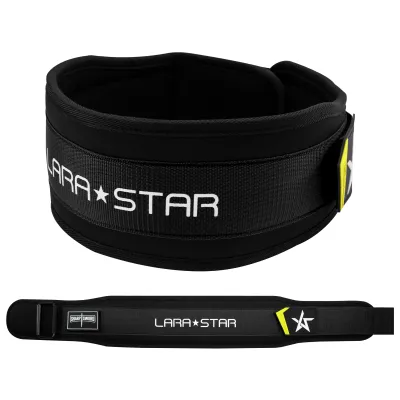
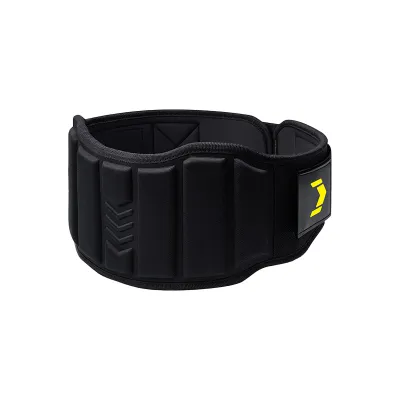
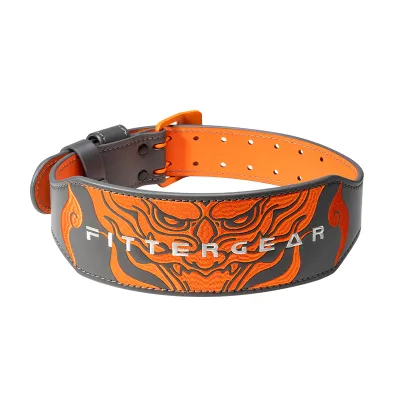
Prices are valid at publication and may change. Please refer to the product page for the latest price.
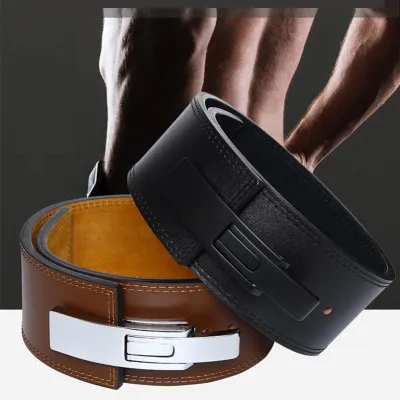
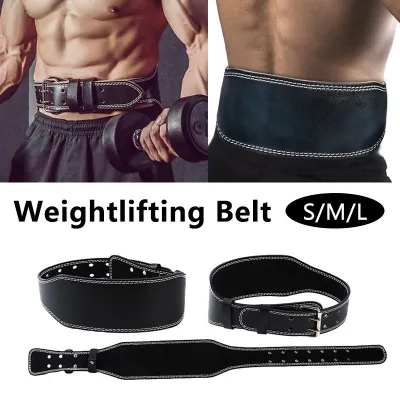
Leather belts are renowned for their maximum rigidity and uniform thickness, typically maintaining the same width all the way around the torso. This consistent surface area ensures that your core has an unyielding barrier to push against from every angle, which is highly beneficial during heavy powerlifting movements like squats and deadlifts. When you are attempting a near-maximal lift, this absolute spinal stability helps prevent your torso from collapsing forward under the load.
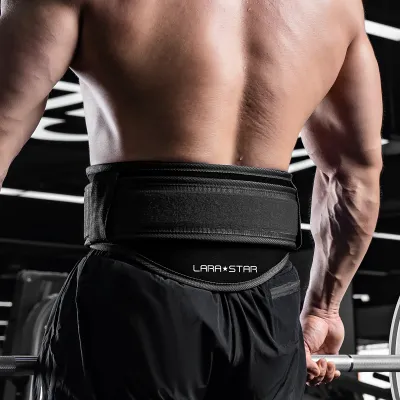
Nylon belts offer a different style of support, characterized by a flexible structure that often features a tapered design. This means the belt may be wider in the back to support the lumbar region and narrower at the sides and front to allow for greater freedom of movement. While nylon does not provide the same rock-solid resistance as thick leather, it offers sufficient tension for dynamic movements, Olympic weightlifting, and higher-repetition hypertrophy work where your body needs to transition quickly between different positions.
Before making a purchase, it is essential to check the manufacturer’s specifications for the exact belt thickness, width, and taper design. Leather belts often range from 10mm to 13mm in thickness, with thicker options offering more resistance but requiring significantly more effort to break in. Nylon belts vary in their webbing density and closure systems, so verifying these details will help you gauge the actual level of support a specific model will provide.
Comfort, Break-In Time, and Range of Motion
The physical feel of a belt during a workout can greatly influence your focus and performance. Leather and nylon sit on opposite ends of the spectrum when it comes to immediate comfort and the physical adjustment period.

The leather break-in process is a well-known rite of passage for strength athletes. Out of the box, a high-quality leather belt is incredibly stiff and can feel like a solid band of wood wrapped around your waist. It takes weeks, or even months, of regular use for the leather to soften and mold to the unique contours of your torso. During this initial phase, it is common to experience minor rib or hip bruising, especially if the belt is positioned incorrectly or if you have a shorter torso.
In contrast, nylon belts offer immediate comfort right out of the box. Made from soft, lightweight synthetic fibers, they require zero break-in time and conform to your body shape instantly. This makes them highly appealing for lifters who want to focus on their workouts without dealing with the pinching or digging that often accompanies a new leather belt.
This difference in material stiffness directly impacts your range of motion and mobility during complex exercises. A stiff, uniform leather belt can restrict your ability to achieve a deep, comfortable position at the bottom of a squat or clean. For Olympic lifts like the snatch, where speed and a deep catch are critical, the bulk of a leather belt can interfere with the bar path. Nylon’s flexibility allows you to move through these deep ranges of motion without restriction, making it the preferred choice for athletes who mix lifting with cardiovascular or gymnastic movements.
Durability and Long-Term Maintenance
A lifting belt is an investment in your training, and how well it withstands sweat, friction, and environmental factors determines its long-term value. The maintenance requirements for leather and nylon differ significantly, particularly in warm, humid climates.
Leather is a natural material that requires regular care to maintain its structural integrity. In tropical environments, such as the Philippines, high humidity and heavy sweat can cause leather to absorb moisture, leading to mold growth or stiffening if left unchecked. To prevent this, you should occasionally wipe down your leather belt, allow it to air dry completely away from direct sunlight, and apply a leather conditioner to keep it from cracking. It is also important to regularly inspect the metal buckle, prongs, or lever mechanism for any signs of rust or loose screws.
Nylon belts are highly resistant to moisture and are generally much easier to clean. You can hand wash most nylon belts with mild soap and water to remove sweat buildup and odor, making them highly practical for hot, non-air-conditioned gym settings. However, nylon belts rely heavily on hook-and-loop fasteners or quick-release buckles for closure. Over time, dust, chalk, and lint can accumulate in the velcro, reducing its gripping power and potentially causing the belt to pop open under heavy loads.
Regardless of the material you choose, you must regularly inspect your gear for warning signs that indicate it is time for a replacement. For nylon belts, look out for frayed edges, splitting seams, or velcro that no longer holds securely under tension. For leather belts, check for deep cracks, splitting layers, or a loose lever mechanism. Using a compromised belt can lead to sudden failure during a lift, which poses a significant safety risk to your spine and core stability.
Budget and Value: Evaluating Your Investment
Aligning your belt choice with your financial budget and training commitment is a practical step in the decision-making process. Both materials offer distinct value propositions depending on how you plan to use them.
Generally, leather belts represent a higher upfront financial investment. Because they are constructed from thick, durable cuts of animal hide and feature heavy-duty metal hardware, they are more expensive to manufacture. In local sports shops and online marketplaces, a quality leather belt can cost several thousand pesos. However, this initial cost is offset by their extreme longevity; a well-maintained leather belt can easily last for decades, making the cost per use incredibly low over time.
Nylon belts are typically much more accessible and budget-friendly, making them an excellent entry point for beginners or casual gym-goers. They require fewer specialized materials to produce, allowing manufacturers to offer them at a lower price point. If you are new to strength training or only use a belt occasionally for specific exercises, a nylon belt provides a cost-effective way to learn proper bracing techniques without a major financial commitment.
When evaluating value, consider your long-term training goals. If you plan to focus on competitive powerlifting or heavy daily strength training, investing in a premium leather belt is highly justified. If your routine consists of general fitness, functional training, or frequent travel where a heavy, bulky belt would be inconvenient, a lightweight nylon belt offers superior practical value. Always verify current prices in ₱, shipping fees, and warranty terms directly from local sports equipment retailers or official brand stores before purchasing.
Final Decision: Which Belt Fits Your Training?
To finalize your decision, assess your primary training style and goals against the specific characteristics of each material.
Choose a leather belt if your training centers on heavy, low-repetition compound lifts, such as powerlifting or classic strength programs. If your primary goal is to move the absolute maximum amount of weight in the squat, bench press, and deadlift, the rigid support of a 10mm or 13mm leather belt is unmatched. This option is best for lifters who do not mind a break-in period and want a piece of equipment that will last a lifetime.
Choose a nylon belt if your workouts involve high-intensity functional fitness, Olympic weightlifting, or general hypertrophy training. If you need to transition quickly from lifting weights to running, jumping, or performing bodyweight exercises, the flexibility and lightweight nature of nylon are essential. It is also the ideal choice if you travel frequently and need a belt that can easily roll up and fit into a standard gym bag.
Before making your final purchase, verify if your training organization has specific gear requirements. If you plan to compete in powerlifting or weightlifting federations, check their official rulebooks to ensure the belt’s width and thickness comply with their approved equipment lists. Additionally, if you have any pre-existing lower back conditions or physical limitations, consult a qualified medical professional to ensure that using a lifting belt is appropriate for your current physical health.
Frequently Asked Questions (FAQ)
How tight should a lifting belt be?
A lifting belt should be tight enough to provide a solid surface to brace against, but not so tight that it restricts your ability to take a full breath. A practical way to test this is the breathing test: put the belt on, take a deep diaphragmatic breath, and expand your abdomen. You should feel your core press firmly against the belt in all directions without feeling like your breath is being cut off. Leather prong or lever belts offer fixed adjustment increments, which may require you to choose between a slightly looser or tighter fit depending on your daily water retention. Nylon velcro belts allow for infinite micro-adjustments, making it easier to find the exact level of tightness you prefer for different exercises.
Can I use a thick leather belt for deadlifts?
Yes, you can use a thick leather belt for deadlifts, but it can sometimes interfere with your starting position. Because a conventional or sumo deadlift requires a deep hip hinge to grip the bar, a wide, stiff leather belt can press hard into your ribs or thighs, making it difficult to set your spine flat. If you find that a standard 4-inch leather belt blocks your movement or causes severe bruising, you can try wearing the belt slightly higher on your torso, just above the hip bones. Alternatively, you might consider a tapered leather belt or a thinner nylon option that allows for a cleaner setup at the bottom of the lift.
Community discussion
Share your experience or ask a question. Comments are reviewed before publication.