
Choosing the right weightlifting belt comes down to how you train rather than finding a single universal material. If your workouts focus on heavy, static compound lifts like squats, deadlifts, and overhead presses, a leather belt is your best option because its rigid structure provides maximum support for bracing. Conversely, if your routine involves dynamic movements, high-repetition sets, or Olympic lifts like cleans and snatches, a nylon belt is superior due to its flexibility, lightweight feel, and immediate comfort. The ideal choice depends on your specific movement patterns, training goals, and how much physical feedback you require from your gear.
Core Differences: Support, Comfort, and Durability
Support and Rigidity The primary function of a weightlifting belt is to give your abdominal muscles a solid wall to push against, which increases intra-abdominal pressure and stabilizes your spine under load. Leather belts, typically ranging from 10mm to 13mm in thickness, offer an unyielding barrier that does not stretch or deform even under extreme weight. This rigidity ensures that when you take a deep breath and brace your core, the belt provides maximum resistance, keeping your torso highly secure. Nylon belts, on the other hand, are made from flexible synthetic webbing that contours to the natural shape of your waist. While they still provide a valuable tactile cue for bracing and offer moderate support, they will yield slightly under maximum loads, making them less rigid than their leather counterparts.
Comfort and Break-in Period A brand-new leather belt is notoriously stiff and can initially dig into your ribs or hip bones, sometimes leaving minor bruises during the first few weeks of use. Over time, the leather absorbs sweat, flexes with your body, and breaks in to form a custom fit, but this process requires patience and consistent training. Nylon belts require absolutely no break-in period; they are soft, lightweight, and comfortable from the very first workout. This immediate comfort makes nylon highly appealing to fitness enthusiasts who dislike the restrictive, sometimes painful sensation of stiff leather pressing against their torso during deep bends.
Products mentioned in this guide
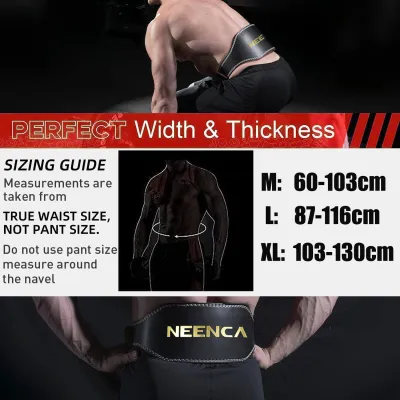
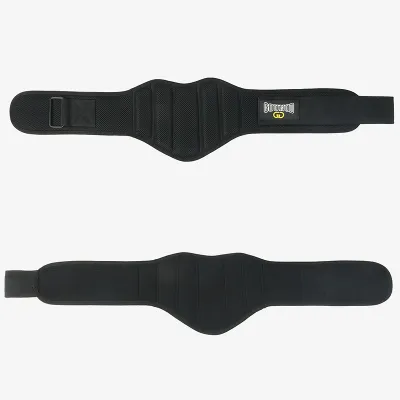
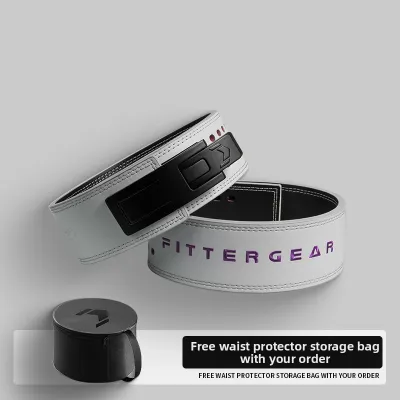
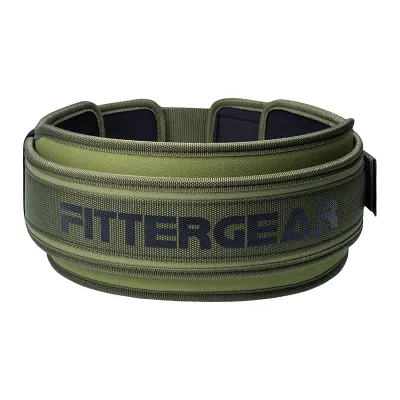
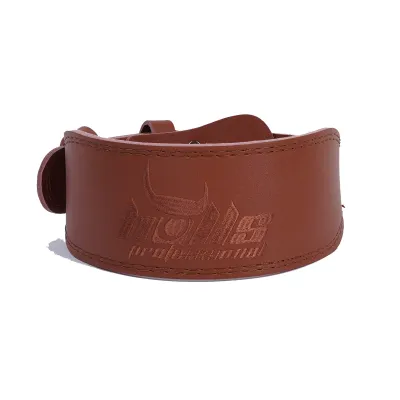
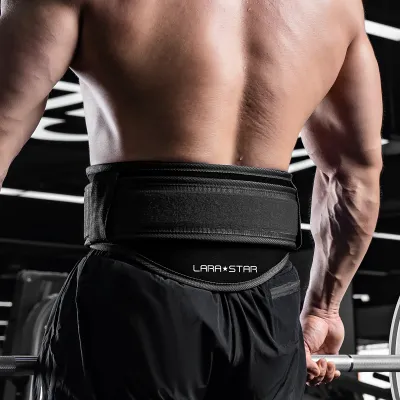
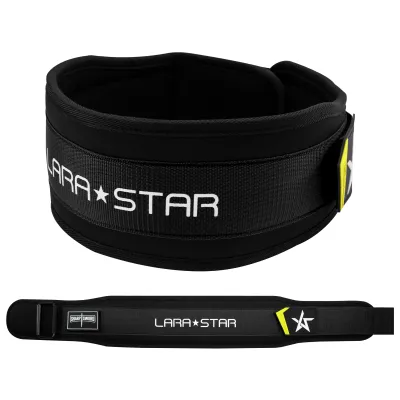
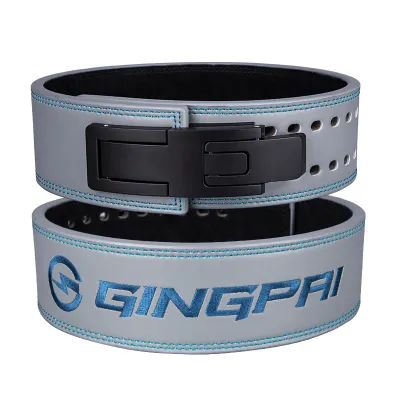
Prices are valid at publication and may change. Please refer to the product page for the latest price.
Durability and Maintenance in Tropical Climates The longevity of these materials is heavily influenced by your training environment and maintenance habits. Genuine leather is incredibly durable and can easily last for decades if cared for properly, but it is highly sensitive to moisture. In the humid tropical climate of the Philippines, storing a sweaty leather belt inside a closed gym bag can quickly lead to mold and mildew growth. To prevent this, leather requires regular wiping down and occasional conditioning with specialized leather oils to keep it from cracking. Nylon is highly resistant to moisture, sweat, and rot, making it incredibly easy to maintain in humid conditions. You can simply wipe it down with a damp cloth or hand-wash it when it begins to retain odors, though the synthetic fibers and Velcro closure may eventually fray or lose grip after years of heavy use.
Training Styles: Matching the Belt to Your Routine
Powerlifting and Heavy Strength Training Powerlifting is centered around moving maximum weight in the squat, bench press, and deadlift. For these slow, deliberate, and highly taxing movements, a leather belt with a uniform four-inch width all the way around is the gold standard. The consistent width ensures that your abdominal wall has the same surface area to brace against at the front, sides, and back. This uniform support is crucial when attempting near-maximal lifts, as any weak point in your brace can lead to energy leaks or compromised spinal alignment. If your primary goal is to build absolute strength through low-repetition, heavy compound movements, the uncompromising stability of leather is unmatched.

Olympic Weightlifting and Functional Fitness Olympic weightlifting requires explosive speed, deep hip flexion, and rapid transitions between catching the bar and standing up. A stiff, thick leather belt can severely restrict your mobility during the deep receiving positions of the snatch or clean and jerk, and the bulky buckle can easily catch on the barbell as it travels close to your body. Nylon belts are the preferred choice for these dynamic disciplines because they bend with your body, allowing for unrestricted movement through the hips and torso. Many nylon belts feature a tapered design—wider in the back and narrower at the sides—which protects your lower back while preventing the material from pinching your ribs or hips during explosive lifts.
General Fitness and Bodybuilding For general gym-goers who perform a mix of machine work, dumbbell exercises, and moderate barbell lifts, either material can serve you well. If your routine focuses on hypertrophy and high-volume training, comfort and ease of use are often more important than maximum rigidity. A nylon belt is highly convenient for these workouts because it is easy to loosen between sets without taking it off completely. However, if you prefer the classic, secure feel of a traditional belt and want an investment that will grow with you as you get stronger, a thinner, more flexible leather belt (such as a 6.5mm or 10mm option) can offer a great middle ground.
Sizing, Fit, and Adjustability Checks
Measuring for a Belt To find your correct belt size, you must measure your waist at the level of your belly button using a flexible measuring tape. Do not rely on your standard pant size, as waistbands on trousers typically sit much lower on the hips than a weightlifting belt should. When measuring, keep your stomach relaxed—do not suck in or push out—to ensure the measurement reflects your actual torso circumference during a normal breathing cycle. If your measurement falls right on the boundary between two sizes, it is generally safer to choose the larger size for a prong belt, or check the manufacturer’s specific sizing chart to see which option offers the most room for adjustment.
Closure Mechanisms The way a belt fastens plays a massive role in its usability and security. Leather belts typically utilize steel prongs (single or double) or lever systems. Single-prong buckles are highly reliable and easy to adjust if your body weight fluctuates, while double-prong buckles can be unnecessarily difficult to thread without offering any extra safety. Lever belts offer the quickest and tightest closure possible, but adjusting the size requires a screwdriver, making them inconvenient if you share your belt or wear different layers of clothing. Nylon belts almost exclusively use heavy-duty Velcro, often paired with a steel roller buckle. This system allows for infinite micro-adjustments, meaning you can tighten the belt to the exact millimeter of comfort, though the Velcro must be kept clean of lint to maintain its holding power.
Fit Verification Checklist Before lifting heavy weights, perform these quick checks to ensure your belt is fitted correctly:
- Placement: Position the belt firmly across your lower back and abdominal wall, keeping it level or slightly angled depending on what feels most secure for your anatomy.
- The Finger Test: You should be able to slide one or two fingers flat between your stomach and the belt when you are standing relaxed.
- The Bracing Test: Take a deep belly breath and expand your core outward; the belt should feel tight and secure, providing a solid surface to push against without cutting off your breath completely.
- Mobility Check: Perform a bodyweight squat to ensure the edges of the belt do not pinch your hips or ribs painfully at the bottom of the movement.
Price and Value: What to Expect When Buying
General Price Positioning When shopping in the local market, you will find a clear price distinction between these two materials. Genuine leather weightlifting belts represent a premium investment, with high-quality options from reputable brands typically starting around ₱2,500 and climbing significantly higher for specialized powerlifting gear. Nylon belts are much more budget-friendly, with reliable, entry-level options often priced between ₱800 and ₱1,800. While you may encounter cheap “leather” belts online for under ₱1,000, these are almost always made from low-grade synthetic polyurethane (PU) leather, which lacks the structural integrity of genuine leather and is prone to tearing under heavy loads.
Cost vs. Lifespan Evaluating the true value of a belt requires looking past the initial price tag to consider its overall lifespan. A genuine, vegetable-tanned leather belt is virtually indestructible; with basic care, it can easily last for fifteen to twenty years of consistent training, making its cost-per-use incredibly low over time. A nylon belt, while cheaper upfront, has a more limited lifespan because the Velcro closure will naturally degrade as it accumulates sweat, chalk, and fabric fibers. If you train multiple times a week, a nylon belt may need to be replaced every two to five years once the fastening system loses its grip, meaning the long-term cost can eventually surpass that of a single, high-quality leather purchase.
Final Decision Framework: Leather or Nylon?
Choose Leather If:
- Your training is centered around powerlifting, powerbuilding, or heavy, low-repetition compound lifts.
- You want the absolute maximum level of rigid support to assist with heavy bracing.
- You view your gym gear as a long-term investment and want a belt that will last for decades.
- You do not mind a break-in period and prefer the secure, traditional feel of a heavy buckle or lever.
Choose Nylon If:
- You participate in Olympic weightlifting, functional fitness, or high-intensity metabolic conditioning.
- You need a belt that allows for maximum mobility, deep hip flexion, and rapid transitions.
- You want immediate comfort out of the box with zero break-in time.
- You travel frequently or need a lightweight belt that easily rolls up to fit inside a crowded gym bag.
Verify First If:
- You are a beginner or perform a highly varied, general fitness routine. In this case, consider starting with a versatile, moderately priced nylon belt or a thinner, flexible leather belt to learn proper bracing mechanics before investing in specialized, ultra-rigid powerlifting gear.
Frequently Asked Questions (FAQ)
Can I use a nylon belt for heavy deadlifts?
Yes, you can use a nylon belt for heavy deadlifts, but it is important to understand the trade-offs in performance. While a nylon belt provides a helpful tactile cue to remind you to brace your core, its flexible synthetic material will slightly compress and yield when you exert maximum force against it. This means you will not get the same level of rigid, unyielding feedback that a thick leather belt provides, which can slightly reduce your bracing efficiency during near-maximal attempts. If you choose to deadlift in a nylon belt, verify that the Velcro closure is completely clean and secure, and check the manufacturer’s guidelines to ensure the belt is rated for heavy strength training.
How do I know if my weightlifting belt is too tight?
Your weightlifting belt is too tight if you cannot take a full, deep diaphragmatic breath into your abdomen before starting your lift. A belt that is overly constricted will force you to breathe high into your chest, which actually destabilizes your core rather than supporting it. Other clear signs of excessive tightness include feeling lightheaded or dizzy simply from standing with the belt buckled, or experiencing sharp, pinching pain against your ribs or hip bones before you even begin to move. If you cannot expand your stomach outward against the material when bracing, loosen the belt by one prong hole or adjust the Velcro slightly to allow for proper abdominal expansion.
Community discussion
Share your experience or ask a question. Comments are reviewed before publication.