
Selecting the right roller skates requires looking closely at the boot material. Leather and synthetic options serve different purposes, and choosing between them depends on your skill level, skating environment, and budget. In tropical climates like the Philippines, where high humidity and outdoor heat are constant factors, your choice of material also affects breathability, comfort, and maintenance. Understanding how these materials perform under different conditions will help you make an informed investment that supports your skating journey.
No single material is universally ideal for every skater. While advanced skaters often favor the custom fit of genuine leather, beginners frequently benefit from the immediate structure and lower cost of synthetic alternatives. By evaluating your skating frequency, discipline, and local environment, you can determine which boot construction will provide the best balance of support and longevity for your needs.
Decoding Boot Materials and Construction Basics
Genuine Leather: The Traditional Standard
Genuine leather is a natural material prized in the skating community for its flexibility, breathability, and long-term durability. Sourced from animal hides, leather boots naturally contain pores that allow air to circulate, which helps manage heat buildup during intense sessions. Over time, the fibers of a leather boot stretch and conform to the unique shape of your foot, creating a highly personalized fit. However, this natural adaptability comes with a trade-off: leather is heavier than most synthetics and requires a dedicated break-in period before it becomes comfortable.
Products mentioned in this guide
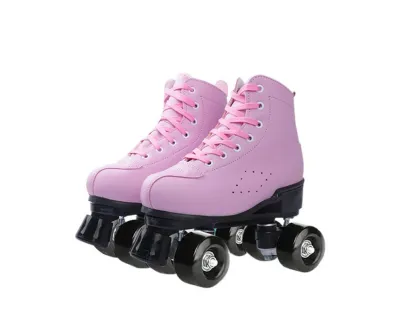
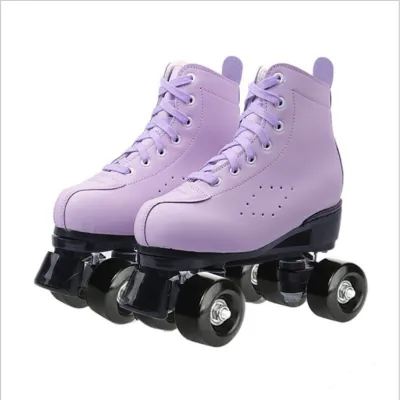
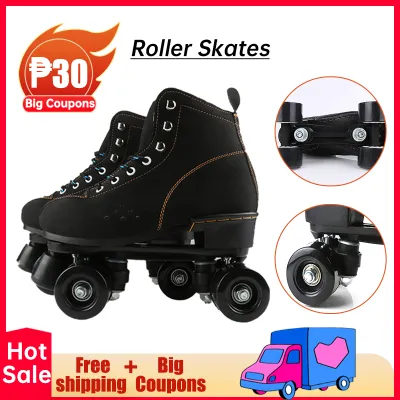
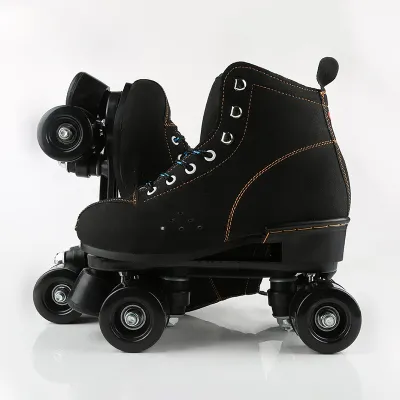
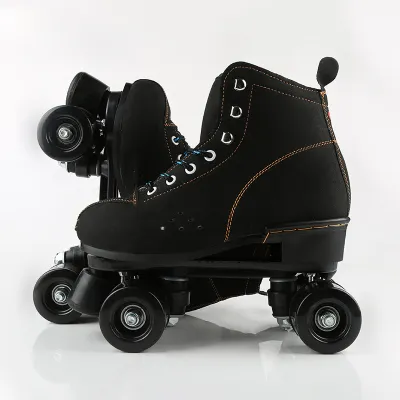
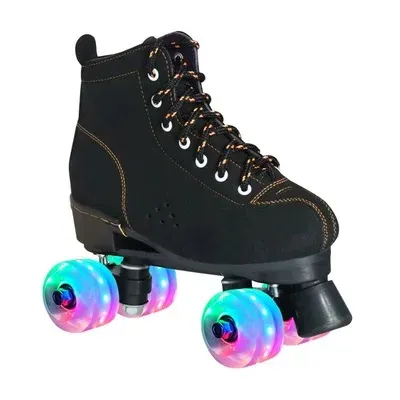
Prices are valid at publication and may change. Please refer to the product page for the latest price.
Synthetic Alternatives: PU, PVC, and Microfiber
Synthetic boots are manufactured from man-made materials, with polyurethane (PU) and polyvinyl chloride (PVC) being the most common. These materials are lightweight, highly water-resistant, and can be produced in a wide variety of colors and designs. Unlike leather, synthetic boots do not stretch significantly, meaning the fit you experience on day one is the fit you will have throughout the life of the skate.
Microfiber is a premium synthetic option that closely mimics the structural benefits of leather. It offers excellent tensile strength and a degree of breathability while remaining lighter and more resistant to moisture than natural hide. When evaluating synthetic options, always check the manufacturer specifications for the lining material. A moisture-wicking inner lining is essential in humid climates to prevent sweat from pooling inside the boot, which can lead to slipping and skin irritation.
Assessing Fit, Ankle Support, and On-Foot Comfort
Fit and Material Stretch
The way a boot conforms to your foot is critical for both comfort and control. Natural leather boots gradually stretch in high-pressure areas, making them highly accommodating for skaters with wide feet, bunions, or asymmetrical foot shapes. This stretching process requires patience, as the initial wears can feel tight and restrictive.

Synthetic boots offer a highly consistent fit that does not change over time. While this eliminates the break-in period, it also means that any pinch points or pressure areas felt during the initial fitting will likely remain permanent. If you choose synthetic skates, ensuring an accurate fit from the very beginning is vital to prevent chronic discomfort.
Practical Fitting Checklist
When trying on roller skates, use the following checklist to evaluate the fit and support:
- Toe Box Room: Stand up with the boots fully laced. Your toes should lightly brush the front of the boot without being cramped, curled, or pressed hard against the toe cap.
- Heel Lock: Bend your knees into a skating stance and lift your heel. If your heel slips upward significantly, the boot is too loose, which can compromise stability and cause blisters.
- Ankle Stiffness: Press the sides of the ankle collar. The boot should resist collapsing under pressure while still allowing the necessary forward flex for your skating style.
The Role of Internal Reinforcement
It is a common misconception that ankle support is determined solely by the outer material of the boot. In reality, structural support relies heavily on internal reinforcements, such as fiberglass counters, plastic cuffs, or stiff internal padding. A soft leather boot reinforced with a high-quality internal counter can offer substantially more ankle support than a cheap, thin synthetic boot with no internal structure. Always verify the internal construction details rather than judging support by the outer material alone.
Estimating Durability, Maintenance, and Long-Term Value
Abrasion Resistance and Common Wear Points
Roller skates are subjected to high friction and impact, especially on outdoor surfaces like concrete plazas or local basketball courts. The toe box, sides, and heel areas are highly prone to scuffing and scraping during falls. Leather is exceptionally resilient against abrasion; while it will scuff, it rarely tears or punctures easily. Synthetic materials, particularly lower-grade PU or PVC, can peel, crack, or tear when scraped repeatedly against rough outdoor ground.
Maintenance in Humid Climates
In the Philippines, high humidity and sudden rain showers present unique maintenance challenges. Leather boots require regular upkeep to prevent damage. If they get wet, they must be dried slowly away from direct heat sources and treated with a leather conditioner to prevent the material from drying out, cracking, or growing mold. Synthetic boots are much easier to maintain, as they are highly water-resistant and can be wiped clean with a damp cloth. However, the internal liners of both materials must be thoroughly aired out after every use to prevent odor and material degradation.
Long-Term Financial Investment
When weighing the cost, consider both the initial price and the expected lifespan of the skates. Leather boots represent a higher upfront investment, often ranging from ₱8,000 to over ₱20,000. However, because they can be conditioned, repaired, and sometimes stretched by a professional, a single pair can last for many years of regular use. Synthetic skates are much more accessible, with entry-level models typically priced between ₱3,000 and ₱7,000. While they offer excellent short-term value, they generally have a shorter overall lifespan under heavy use and cannot be easily repaired once the outer material begins to degrade.
Aligning Material Choice With Your Skill Level and Discipline
Material Considerations for Beginners
For those just starting out, immediate comfort and budget are usually the primary concerns. Synthetic skates are highly practical for beginners because they do not require a painful break-in period, allowing you to focus on learning basic balance and stride mechanics. The lower price point also makes it easier to try the sport without a major financial commitment. Because beginners typically skate for shorter durations and at lower intensities, the limited breathability of synthetic materials is less likely to cause discomfort.
Performance Demands for Advanced Skaters
Advanced skaters require precise energy transfer and maximum responsiveness from their gear. Leather boots excel in this regard because the customized, molded fit ensures that every subtle movement of the foot translates directly to the skate plate and wheels. This level of precision is essential for executing complex footwork, jumps, and rapid directional changes. Advanced skaters also benefit from the long-term durability of leather, which can withstand the high forces generated during intense training sessions.
Matching Materials to Specific Disciplines
Different skating activities place unique demands on boot materials:
- Outdoor Cruising: Casual rolling on park paths or baywalks is highly compatible with synthetic boots, provided they feature comfortable internal padding. Skaters covering long distances, however, may prefer leather for its superior breathability and long-term comfort.
- Roller Derby: This high-contact sport involves frequent falls and intense lateral movements. Skaters often choose leather or high-end microfiber boots for their exceptional durability and abrasion resistance, typically pairing them with heavy-duty toe guards.
- Park and Aggressive Skating: Jumping ramps and grinding rails requires maximum impact resistance. Reinforced leather or heavy-duty synthetic boots with integrated protective shrouds are standard choices to withstand the abuse of concrete skateparks.
- Jam and Rhythm Skating: Dance-focused skating requires maximum ankle flexibility. Soft, low-cut leather boots are highly favored in this discipline because they allow the ankle to bend and flex freely while maintaining a secure hold on the foot.
Decision Framework: Choosing the Right Skate for Your Needs
To finalize your choice, evaluate your priorities using this conditional framework:
Choose leather if:
- You plan to skate multiple times a week and want an investment that lasts for years.
- You have unique foot shape characteristics, such as wide feet or bunions, that require a moldable boot.
- You prioritize breathability and natural comfort over immediate, out-of-the-box softness.
- You are willing to perform regular cleaning and conditioning to protect the material from humidity.
Choose synthetic if:
- You are a beginner or casual skater who wants to minimize upfront costs.
- You prefer a skate that requires virtually no maintenance beyond wiping off dirt.
- You want immediate comfort without going through a stiff break-in period.
- You prefer vegan-friendly materials and do not want animal-derived products.
Verify First Before Purchasing
Before finalizing any online purchase, verify the manufacturer’s specific sizing chart, as skate sizes rarely align perfectly with standard shoe sizes. Check the retailer’s return and exchange policies to ensure you can return the boots if the fit is incorrect upon arrival. Additionally, inspect the warranty terms regarding manufacturing defects, such as sole separation or eyelet failure, which can occasionally occur regardless of the boot material.
If you experience persistent foot pain, have highly asymmetrical feet, or find yourself falling directly between sizes on a manufacturer’s chart, pause the online selection process. Visiting a local physical skate shop to consult a professional fitter is the most reliable way to ensure your boots provide the correct support and alignment for safe, comfortable skating.
Community discussion
Share your experience or ask a question. Comments are reviewed before publication.