
In the fast-paced environment of a football match, a referee’s whistle is their primary voice. When officiating matches in the Philippines—where sudden tropical downpours, high humidity, and passionate crowds are common—selecting the right equipment is crucial for maintaining control on the pitch. If you are looking for a tool that offers reliable acoustic performance, durability, and comfort, understanding the key specifications of the lining referee dolphin whistle is the first step toward making an informed choice.
A high-quality whistle must cut through ambient stadium noise, player shouts, and environmental factors like heavy rain. The Dolphin-style design has become a staple among sports officials due to its distinct shape and sound projection. By focusing on critical features such as sound profile, chamber design, material build, and ergonomics, you can find a model that matches your specific officiating environment, whether you are managing a local weekend league or a high-stakes regional tournament.
Sound Profile: Decoding Volume and Pitch for the Lining Referee Dolphin Whistle
The primary function of any sports whistle is to command immediate attention, which requires a precise balance of volume and pitch. For outdoor football matches, especially on expansive pitches, the standard decibel (dB) level of a whistle should typically range from 100 dB to over 115 dB. In a noisy stadium or a bustling local park, a lower-decibel whistle can easily get drowned out by the crowd, leaving players confused and disrupting the flow of the game.
Products mentioned in this guide
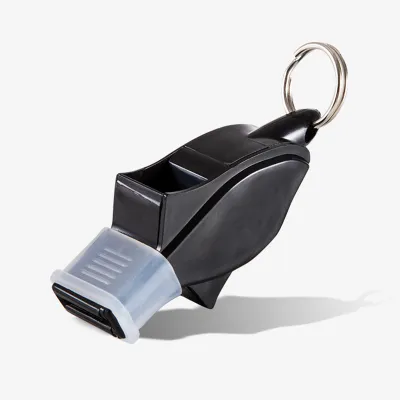
![[Fast Delivery] 2 Packs Dolphin Whistle Black Plastic Sport Referee Whistle With Lanyard for Coaches Referees](https://img.lazcdn.com/g/p/a4a8fb6056ea1fc11409b96a4325df9d.jpg_400x400q80.jpg_.webp)
Prices are valid at publication and may change. Please refer to the product page for the latest price.
However, volume is only one part of the equation; pitch, or frequency, plays an equally vital role in how well the sound travels. High-pitched frequencies are exceptionally effective at penetrating ambient crowd noise and player shouts. While low-frequency sounds tend to blend into the background hum of a sports venue, the sharp, piercing frequency of a Dolphin-designed acoustic chamber stands out instantly. This distinct sound profile helps players immediately identify the referee’s signal, even from the opposite end of a 100-meter pitch.
Many Dolphin-style whistles utilize a dual-chamber acoustic design to generate a unique, piercing trill. This dual-tone output creates a discordant sound that the human ear naturally registers as an urgent signal, establishing clear authority the moment you blow. When evaluating different models, it is important to note that generating extremely high decibel levels requires greater lung capacity and sudden, forceful exhalation. Referees must balance the need for maximum loudness with their own physical limits, choosing a model that delivers a commanding sound without causing excessive exhaustion over a grueling 90-minute match.
Chamber Design: Pea vs. Pealess Mechanisms
The internal mechanism of a whistle dictates its reliability, sound consistency, and maintenance needs. Traditional whistles often rely on a small pea—typically made of cork or synthetic material—inside the chamber to create a vibrato or trill effect. While pea whistles produce a classic, recognizable sound, they present distinct challenges in tropical climates. Moisture from humidity, heavy rain, or saliva can cause a natural cork pea to swell, stick to the chamber walls, or lose its buoyancy, resulting in a muffled sound or complete failure at a critical moment in the match.

To combat these environmental challenges, many modern sports officials prefer pealess designs. A pealess Dolphin whistle uses precisely engineered internal air pathways to generate its high-frequency sound. Because there are no moving parts inside, there is zero risk of the mechanism jamming due to moisture, dirt, or saliva. This makes pealess models highly reliable for matches played during the rainy season, where sudden downpours can saturate equipment in seconds.
Nevertheless, some specialized Dolphin models incorporate a moisture-resistant synthetic pea to deliver the traditional trill while mitigating the risks associated with organic cork. If you prefer the classic sound of a pea whistle, look for models that explicitly state the use of non-absorbent synthetic materials. Before making a purchase, always verify the chamber type on the product packaging or manufacturer specifications to ensure it aligns with your officiating environment and maintenance preferences.
Material and Build Quality: What to Check Before Buying
A referee whistle must be tough enough to withstand the physical demands of active officiating. High-impact ABS plastic and polycarbonate are the industry standards for durable whistle construction. These materials are lightweight yet incredibly resilient, capable of surviving accidental drops on hard turf or concrete without cracking. Furthermore, high-quality plastics offer excellent resistance to UV degradation, which is essential for gear exposed to the intense sun during midday matches.
When inspecting a whistle, pay close attention to the manufacturing quality. Look for seamless molding along the edges of the body and mouthpiece. Cheaply manufactured whistles often have sharp plastic seams or rough edges that can cause painful chafing, cuts, or irritation to your lips and gums during a match. A smooth, polished finish is a key indicator of a well-made product that will remain comfortable to use match after match.
Safety is another critical factor, particularly regarding the materials used in production. Ensure the whistle is made from non-toxic, BPA-free plastics, as it will be in direct contact with your mouth for extended periods. This is especially important if the whistle is shared among a refereeing crew or used in youth development leagues. Additionally, consider opting for high-visibility colors like neon yellow or bright orange. If your whistle slips from your hand or detaches from its lanyard, a bright color makes it much easier to spot quickly on green grass or muddy fields.
Ergonomics and Mouthpiece Comfort
Blowing a whistle continuously over a 90-minute football match can take a physical toll on your jaw, teeth, and lips. Ergonomic design features are essential for reducing fatigue and ensuring you can deliver a strong, clear signal at any point in the game. Look for a mouthpiece with a contoured or slightly flattened bite grip rather than a perfectly round shape. A flattened profile mimics the natural resting position of your teeth, reducing jaw strain and allowing you to hold the whistle securely in your mouth without clenching.
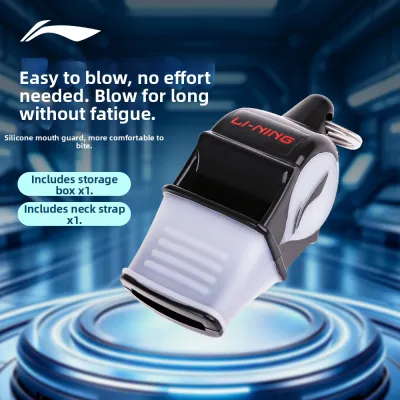
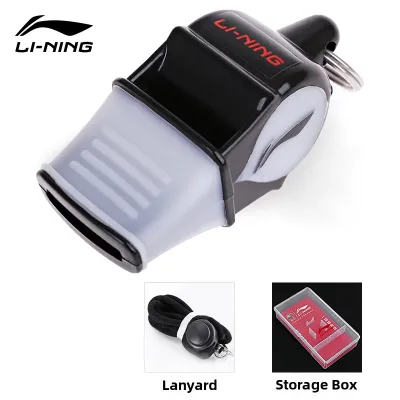
The texture of the mouthpiece also affects usability, particularly in hot and humid conditions. When refereeing in tropical heat, sweat and saliva can make a smooth plastic mouthpiece slippery, forcing you to bite down harder to keep it in place. Some models feature subtle ridges, textured grip zones, or soft silicone mouthguards that provide a secure, slip-resistant hold. These padded covers not only protect your teeth from impact if you accidentally collide with a player but also improve comfort during intense moments of play.
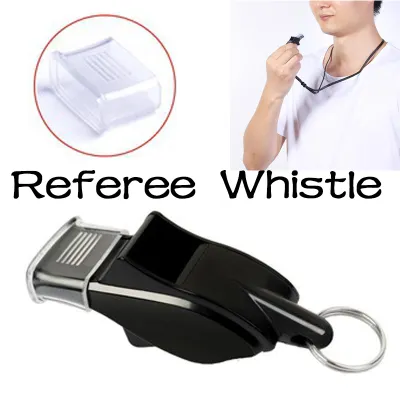
Accessibility is another ergonomic aspect to evaluate. A reliable whistle should feature a reinforced lanyard loop or an integrated finger grip. A finger grip allows you to keep the whistle securely attached to your hand, positioned right at your fingertips for instant use without the need for a neck lanyard. If you prefer a traditional lanyard, ensure the attachment point on the whistle is robust and free of sharp edges that could wear down the cord over time.
Matching the Whistle to Your Officiating Needs
Selecting the ideal whistle requires matching its technical specifications to the specific level of play and environment of your matches. For youth leagues, school tournaments, or recreational amateur games, a moderate-volume whistle operating around 100 to 105 dB is often sufficient. These matches are typically played on smaller fields with smaller crowds, meaning you do not need extreme acoustic power. A lightweight, highly comfortable whistle with a soft mouthpiece is ideal for part-time referees or volunteers who may not have the lung conditioning of professional officials.
For highly competitive, senior, or large-field matches, maximum acoustic penetration is non-negotiable. In these environments, look for a heavy-duty pealess whistle that delivers 110 dB or more, featuring a piercing high-pitch frequency that can cut through roaring crowds and wind. These models are built to withstand intense use and provide the reliable, commanding tone necessary to manage high-pressure situations on the field.
Ultimately, it is important to remember that while a high-performance whistle is an essential tool, it is not a substitute for proper refereeing fundamentals. A clear, loud signal supports your authority, but your positioning, physical fitness, rule knowledge, and match control are what truly earn the respect of players and coaches. Use the right specifications to complement your skills, ensuring you are fully prepared for every kickoff.
Frequently Asked Questions (FAQ)
How should I clean and sanitize my referee whistle after a match?
To maintain hygiene and ensure consistent sound quality, rinse your whistle thoroughly with warm water and mild dish soap after every match to remove saliva, dirt, and oils. Avoid using boiling water, bleach, or harsh chemical solvents, as these can warp ABS plastic, degrade silicone mouthguards, or damage internal components. Once cleaned, allow the whistle to air-dry completely in a well-ventilated area away from direct sunlight before storing it in your gear bag to prevent the growth of mold or bacteria.
Does a louder whistle always mean it is better for football?
Not necessarily. While a high decibel rating is beneficial for cutting through crowd noise on large fields, an excessively loud whistle requires significantly more lung capacity to blow effectively and can cause rapid jaw and throat fatigue over 90 minutes. For many officiating scenarios, the pitch (frequency) and the acoustic chamber design are more important than raw volume, as a sharp, high-frequency sound naturally cuts through low-frequency background noise more efficiently. The best whistle for your needs is one that balances adequate volume with physical comfort and blowing efficiency.
Community discussion
Share your experience or ask a question. Comments are reviewed before publication.