
When you stand over a crucial putt on a humid afternoon, the last thing you want to battle is your own equipment. Traditional golf putters are prone to twisting during the stroke, a mechanical byproduct known as torque. This twisting forces your hands and wrists to constantly adjust to keep the clubface square at impact.
Lie Angle Balance (L.A.B.) is a design philosophy engineered to eliminate this twisting force. By balancing the putter head relative to the lie angle of the shaft, the clubface is designed to stay square to the arc of your stroke without active hand manipulation.
While this technology aims to simplify your putting stroke, its effectiveness relies heavily on how well the putter is calibrated to your unique setup. Understanding these technical specifications is essential before making an investment.
Products mentioned in this guide
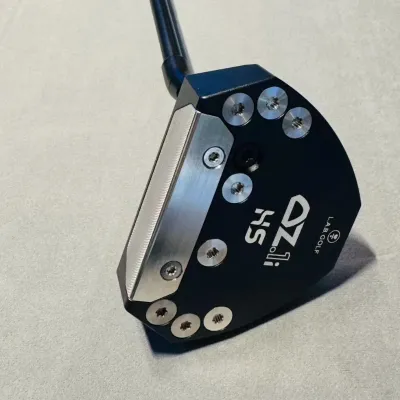
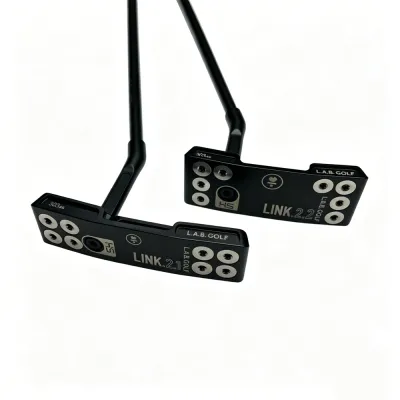
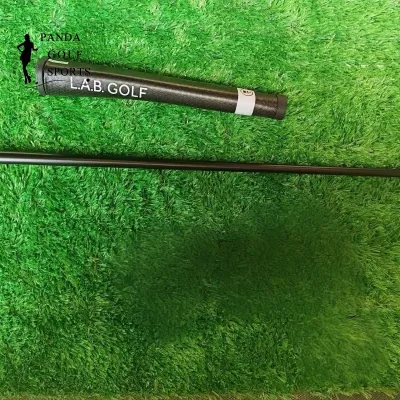
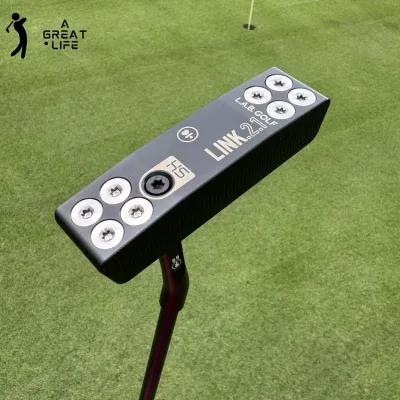
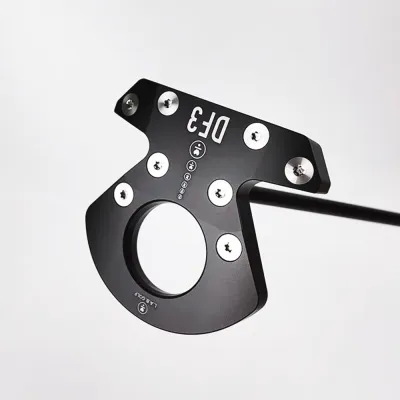
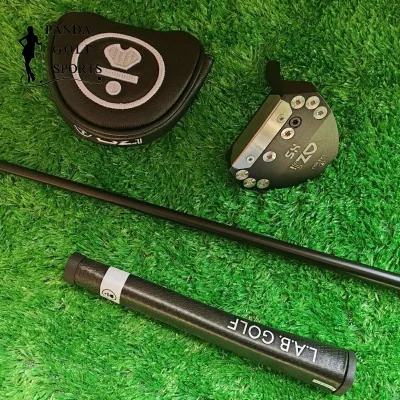
Prices are valid at publication and may change. Please refer to the product page for the latest price.
Key L.A.B. Putter Specifications to Evaluate
Unlike standard putters where you can easily swap shafts or adjust grips on a whim, a lab golf putter operates as a highly calibrated, closed system. Every component is designed to work in unison to maintain the zero-torque balance.
When evaluating these putters, you must look at the lie angle, shaft lean, grip profile, and head shape as an interconnected unit. Altering even one of these specifications without professional guidance can disrupt the balance of the entire club, rendering the technology ineffective.
Lie Angle and Forward Press Settings
The lie angle is the angle between the shaft and the ground when the sole of the putter rests flat. For a L.A.B. putter, this measurement is critical because the head is balanced specifically to that exact angle. If your natural stance requires a 70-degree lie angle but you play a 68-degree model, the torque-free benefit is compromised.
Forward press, or shaft lean, is another vital specification built directly into the design. These putters typically utilize a forward-leaning shaft to ensure the hands are positioned ahead of the ball at address. This built-in lean establishes the correct effective loft at impact, promoting a smooth, immediate roll.
Because these angles are set during manufacturing, you must verify your personal setup requirements before ordering. Standard off-the-rack options may not match your natural posture, making custom measurements highly recommended.
Shaft Alignment and Grip Configuration
The shaft of a L.A.B. putter does not connect to the head in a traditional heel or toe configuration. Instead, it is aligned to intersect directly with the head’s center of gravity. This central alignment is what allows the club to remain balanced throughout the swing path.
To complement this alignment, the brand utilizes specialized grips designed with a built-in angle. These grips naturally guide your hands into the correct forward-press position without forcing you to manually forward-press your wrists.
It is important to note that installing a standard aftermarket grip can alter the weight distribution and shaft angle. Always check the manufacturer’s guidelines, as unauthorized grip or shaft replacements can void the balance calibration and the product warranty.
Head Shape and Weight Distribution
L.A.B. putters are available in various head shapes, ranging from oversized, high-moment-of-inertia (MOI) mallets to more compact, blade-like profiles. Your choice should align with your visual preferences and your need for stability on off-center strikes.
High-MOI mallet designs offer significant resistance to twisting on mishits, helping the ball maintain its intended line even when you strike it slightly off the center of the face. Compact designs offer a more traditional look at address but may provide less forgiveness on off-center contact.
Rather than assuming how a specific head shape will perform, consult the official product spec sheets. These documents outline the exact weight distributions and dimensions of each model, helping you choose a shape that fits your eye and your stroke.
Matching L.A.B. Design to Your Putting Mechanics
Your natural putting stroke plays a major role in determining whether a torque-free design will benefit your game. Golfers with a straight-back-straight-through stroke often find the transition to a balanced putter seamless, as the club naturally wants to stay on line.

If you employ a strong arc stroke, you may initially feel a sensation of resistance. This is because your hands are accustomed to actively rotating the face open and closed, a habit that a torque-free putter is designed to discourage.
Pay close attention to observable signs during your practice sessions. If you consistently miss putts to one side or feel a constant urge to manipulate the face with your fingers, your putter’s specifications may be mismatched with your mechanics.
To remove the guesswork, consider using a launch monitor or visiting a certified club fitter. Analyzing real-time data on your stroke path, face angle at impact, and ball launch conditions will provide clear evidence of whether this design philosophy suits your game.
Fitting, Customization, and Purchase Checks
Purchasing a specialized putter off-the-rack without a fitting is a risky approach. Because the zero-torque technology depends entirely on the relationship between your stance and the club’s built-in angles, an incorrect fit can make the putter feel awkward and perform poorly.
For golfers in the Philippines, working with an authorized dealer or a certified professional fitter is the most reliable way to secure the correct specifications. A professional can measure your posture, hand height, and eye position to determine your ideal lie angle and shaft length. While a professional fitting session may carry an additional fee (often starting around ₱1,500 to ₱3,000 depending on the facility), this step is crucial for ensuring your equipment matches your physical profile.
Before finalizing your purchase, run through a quick checklist to protect your investment:
- Warranty Terms: Confirm that the manufacturer's warranty covers custom builds and check what actions might void it.
- Return Policies: Verify if the retailer offers a trial period or a return policy for custom-spec clubs.
- Lead Times: Custom builds shipped to the Philippines may take several weeks; confirm the estimated delivery timeline with your dealer.
- Fitting Fees: Ask if the cost of your fitting session can be credited toward the final purchase price of the putter.
Frequently Asked Questions (FAQ)
Can I adjust the lie angle and forward press myself at home?
Adjusting these specifications at home is highly discouraged. L.A.B. putters require specialized calibration tools and precise manufacturing tolerances to maintain their balanced state. Attempting to bend the shaft or alter the hosel yourself can permanently damage the club, ruin the torque-free balance, and void the manufacturer’s warranty. Always rely on a certified professional for any structural adjustments.
Do L.A.B. putters require a specific type of golf ball?
No, these putters are designed to perform with any standard, conforming golf ball. However, the cover material and compression of your chosen ball will still influence the overall feel, sound, and roll distance. It is best to test the putter with the specific ball model you plan to play on the course to ensure a consistent feel.
Community discussion
Share your experience or ask a question. Comments are reviewed before publication.