
Water sports in the Philippines—from kayaking through the limestone formations of Palawan to paddleboarding in calm coastal waters—demand a careful balance of safety and mobility. While traditional life jackets offer high flotation, they can feel bulky and restrictive during active paddling. Conversely, professional swiftwater rescue gear provides advanced safety hardware but is often too heavy and complex for casual weekend outings. This is where a lifestyle jacket for rescue comes in. It serves as a hybrid personal flotation device (PFD), bridging the gap by combining essential rescue features with the lightweight comfort and clean aesthetics required for daily recreational water sports. However, choosing the right gear requires understanding that a lifestyle rescue jacket is not a universal safety guarantee; its effectiveness depends on your swimming ability, proper fit, and regular equipment checks.
The Core Purpose of a Lifestyle Jacket for Rescue
A lifestyle rescue jacket is designed for active water sports enthusiasts who want more than a basic flotation aid but do not require a full-scale, heavy-duty professional rescue vest. Standard life jackets, often classified as Type I or Type II PFDs, are primarily designed for passive flotation, keeping a conscious or unconscious wearer face-up in the water. Professional rescue PFDs, on the other hand, are highly specialized tools built for swiftwater rescue technicians, featuring heavy reinforcement and complex harness systems. A lifestyle rescue jacket blends these two categories, offering a streamlined profile suitable for kayaking, stand-up paddleboarding, or wakeboarding, while still incorporating critical safety features like a quick-release harness.
This dual-purpose design means you do not have to sacrifice mobility for safety. When you are paddling or swimming, the jacket moves with your body, reducing the chafing and restriction common with bulky traditional vests. Yet, if an emergency arises—such as a sudden current or a gear failure—the integrated rescue hardware provides options for self-rescue or assisting others. It is vital to remember that these jackets are designed for competent swimmers. They require active participation from the wearer to maintain a safe position in the water, meaning that proper training, physical fitness, and situational awareness remain your primary lines of defense.
Products mentioned in this guide
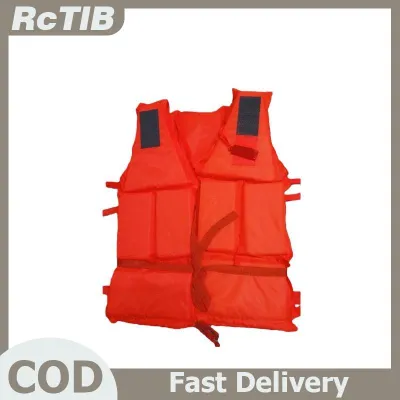
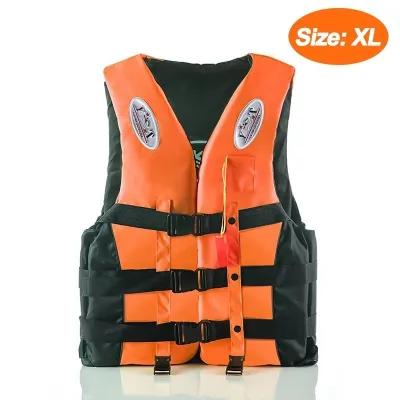
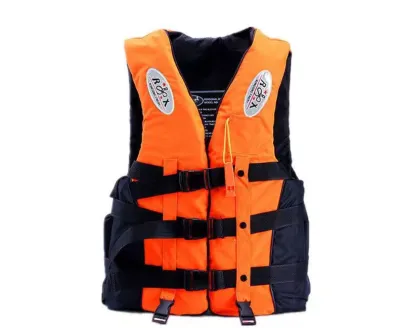
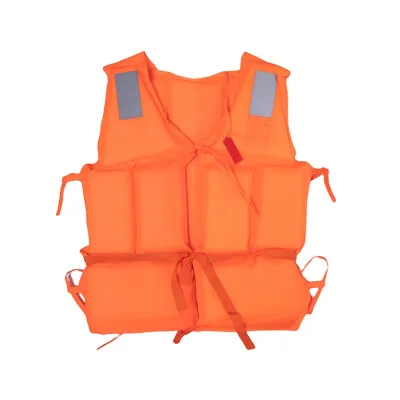
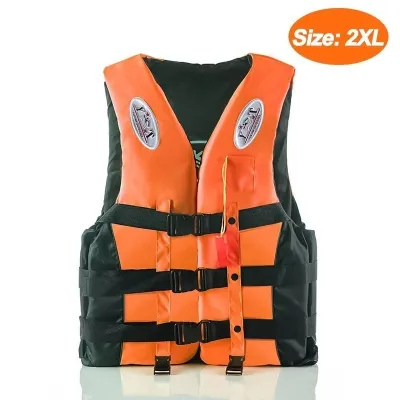
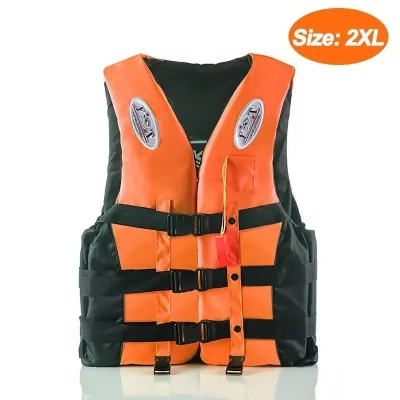
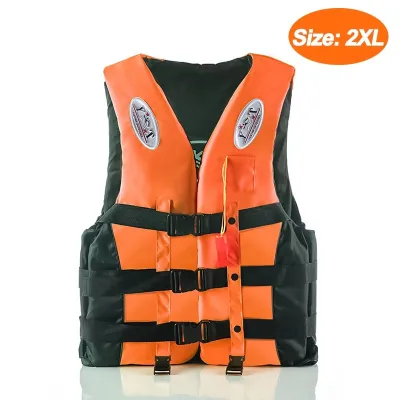
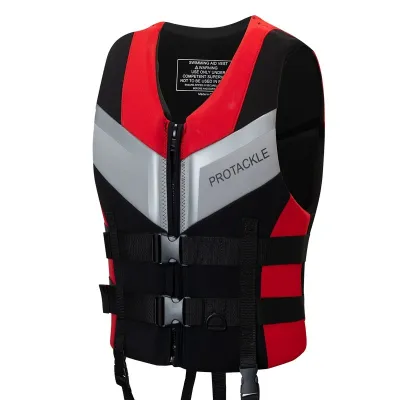
Prices are valid at publication and may change. Please refer to the product page for the latest price.
Decoding Buoyancy: How Much Flotation Do You Actually Need?
Buoyancy is the force required to keep you afloat, and it is typically measured in Newtons (N) on modern safety labels. When evaluating a lifestyle jacket for rescue, understanding these ratings is crucial for matching the gear to your specific activity and environment. A standard recreational PFD usually provides around 50N to 70N of buoyancy, which is sufficient to assist a conscious swimmer in calm, inland waters. In contrast, offshore or professional rescue vests often start at 100N or 150N, providing enough lift to turn an unconscious person face-up.

Choosing the right buoyancy level involves a direct trade-off between safety and physical mobility. Higher buoyancy ratings require more internal foam, which inevitably increases the bulk of the jacket. For active sports like paddleboarding or kayaking, a bulky vest can restrict your arm movement, make re-entering your vessel difficult, and cause rapid fatigue. Conversely, a low-profile jacket with minimal buoyancy offers excellent mobility but provides less support if you are fatigued or injured in rough coastal waters.
Before purchasing, always check the manufacturer’s label inside the jacket to verify its certified buoyancy rating and intended use. Do not assume that one jacket fits every scenario. If you plan to paddle in calm, sheltered lakes, a lower-profile 50N jacket may be highly comfortable and sufficient. However, if you are venturing into open coastal areas with unpredictable swells, prioritizing a higher buoyancy rating is the safer decision, even if it means accepting a slightly bulkier fit.
Critical Rescue Hardware: Harnesses, Quick Releases, and Tow Lines
What truly elevates a lifestyle jacket for rescue above a standard recreational PFD is the inclusion of specialized rescue hardware. The most critical of these features is the quick-release harness system. This system consists of a heavy-duty chest belt that feeds through a friction buckle. In an emergency—such as when a tow line becomes snagged or a current pulls you toward an obstacle—pulling a highly visible, easily accessible release tab instantly disengages the belt under load. This prevents you from being dragged underwater by a tethered line or vessel, making it an indispensable safety feature for moving water.
Tow line compatibility is another key hardware feature to look for. A high-quality rescue jacket will feature a reinforced attachment point, often a heavy-duty D-ring on the back, designed to secure a tow tether. This allows you to tow a fatigued paddler or a stranded board without compromising your balance or paddling stroke. When using a tow system, ensure that the carabiners and lines are rated for marine use and can be easily managed with one hand.
Additionally, a functional rescue jacket must accommodate essential safety accessories. Look for dedicated, reinforced lash tabs or sheaths designed to hold a rescue knife, allowing you to quickly cut tangled lines. A built-in or securely attached marine whistle is also vital for signaling for help over the sound of wind and waves. Finally, high-visibility reflective elements, such as retroreflective tape or piping, should be strategically placed on the shoulders and back to ensure you remain visible to rescue vessels in low-light conditions or heavy rain.
Comfort and Mobility: Making It Wearable for Daily Water Activities
A safety vest is only effective if you actually wear it, which makes comfort and mobility primary considerations for daily use. The cut and profile of the jacket dictate how well it performs during active movement. For kayaking and sit-on-top paddleboarding, a high-back design is highly beneficial. This style concentrates the flotation foam in the upper back, leaving the lower back clear to sit flush against high kayak seats without pushing the jacket upward. Large, open armholes are also essential, as they prevent painful underarm chafing during repetitive paddling strokes.
Proper fit is achieved through multiple adjustment points. A well-designed lifestyle rescue jacket should feature at least four to six side adjustment straps, along with adjustable shoulder straps. When fitting the jacket, tighten the lowest straps first and work your way up. This prevents the jacket from riding up over your chin or ears when you enter the water. A secure fit ensures that the buoyancy is transferred directly to your torso, allowing you to float comfortably without having to constantly pull the vest down.
In the hot, humid climate of the Philippines, heat management is a major comfort factor. Look for jackets that incorporate interior mesh linings and molded foam ventilation channels. These design features allow air to circulate between your body and the jacket, helping to dissipate sweat and heat during long hours under the tropical sun. Lightweight, breathable materials make the difference between a jacket you look forward to wearing and one you leave on the deck of your boat.
Materials and Durability: Withstanding Tropical Water Conditions
The intense sun, high humidity, and saltwater environments of the Philippines can quickly degrade low-quality gear. To ensure your lifestyle jacket for rescue remains reliable over years of use, you must carefully evaluate its materials and construction. The outer shell should be made of high-density, tear-resistant fabrics such as 400-denier to 500-denier nylon or polyester. Rather than relying on brand names, check the manufacturer’s specifications for UV resistance and tensile strength to ensure the fabric can withstand prolonged exposure to direct sunlight.
The internal flotation foam also plays a critical role in durability. While standard PVC foam is common and cost-effective, high-grade, PVC-free soft foams (such as Gaia or PE foam) are highly recommended. These materials are more flexible, conforming comfortably to your body shape, and they are less prone to crumbling or losing buoyancy over time when exposed to heat and compression.
Corrosion resistance is another non-negotiable factor for saltwater use. Verify that all zippers, buckles, and D-rings are constructed from marine-grade stainless steel or high-impact, UV-stabilized plastics. Metal components that are not marine-grade will quickly rust and seize in coastal environments, rendering critical rescue hardware useless.
To maximize the lifespan of your jacket, establish a strict maintenance routine. After every outing, rinse the jacket thoroughly with clean, fresh water to remove salt, sand, and organic debris. Hang it to air dry in a well-ventilated, shaded area away from direct sunlight. Never use a dryer or store the jacket while it is still damp, as this encourages the growth of mold and mildew, which can weaken the fabric and degrade the flotation foam.
Frequently Asked Questions (FAQ)
Can I use a lifestyle rescue jacket for whitewater rafting or extreme swiftwater rescue?
No, lifestyle rescue jackets are not designed for extreme swiftwater environments or professional rescue operations. While they share features like a quick-release harness, professional swiftwater rescue requires specialized, high-buoyancy PFDs with reinforced structural webbing, extra impact protection, and specific certifications. Always match your safety gear to the specific risk level of the water, and remember that specialized equipment cannot replace professional swiftwater safety training and sound judgment.
How do I test the quick-release harness before getting in the water?
To test the quick-release system on dry land, first thread the harness belt through the friction buckle exactly as specified in the manufacturer’s manual. Have a partner hold the back of the belt to apply tension, simulating the pull of a snagged line. Pull the release tab firmly; the belt should slide out of the buckle instantly and smoothly without catching. If it sticks or fails to release, re-check your threading or consult the manufacturer, as incorrect threading is a common cause of system failure under load.
Does a darker color jacket last longer in the sun?
No, the color of the jacket does not determine its resistance to UV degradation. While darker colors may hide dirt and stains better than bright yellow or orange, UV resistance is determined by the chemical treatments applied to the fabric during manufacturing. For safety, high-visibility colors are always preferred on the water. To protect your jacket from sun damage, look for UV-rated fabric specifications and always store your gear in a cool, dry place out of direct sunlight when not in use.
Community discussion
Share your experience or ask a question. Comments are reviewed before publication.