
When your hands start to slip before your target muscles are fully fatigued, your workout loses its effectiveness. Choosing the right grip accessory depends entirely on whether you want to bypass your grip limits to lift heavier, protect your palms from painful friction, or actively build stronger forearms.
For maximum pulling power on heavy deadlifts and rows, lifting straps are the standard choice. If you need versatile palm protection and sweat management across both pushing and pulling movements, grip pads offer a balanced solution. To actively challenge your hand strength and build forearm size during your regular lifts, thick bar grips are the ideal tool.
Core Differences: Lifting Straps, Grip Pads, and Hand Grippers
To optimize your barbell and dumbbell routine, you must understand how different grip accessories interact with your hands and the bar. Each tool serves a distinct mechanical purpose, altering either how the load is transferred to your wrists or how your muscles engage with the handle.
Products mentioned in this guide
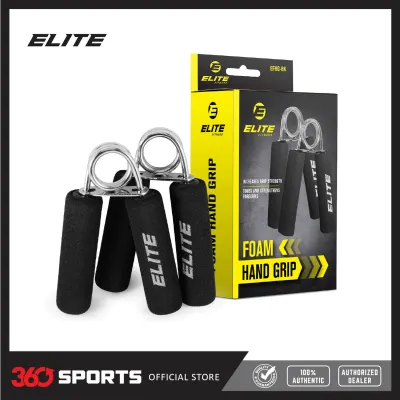
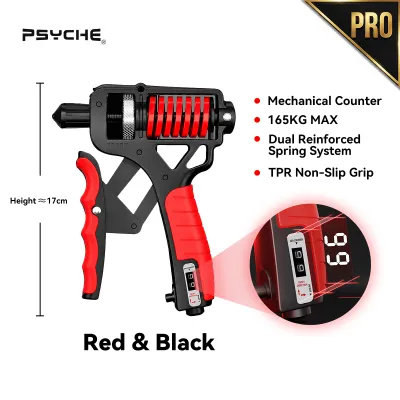
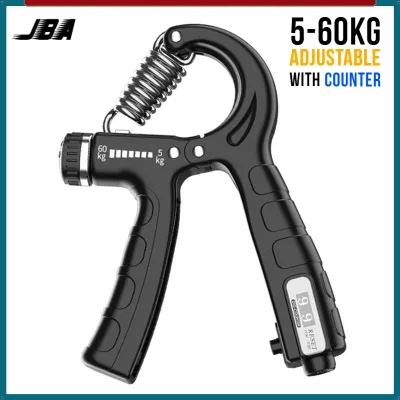
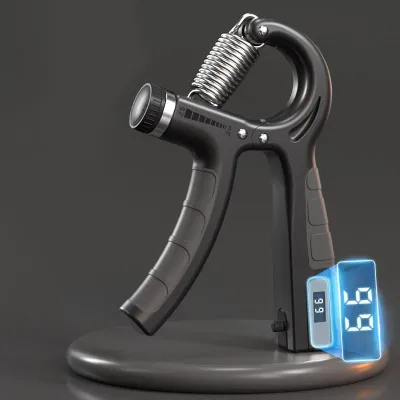
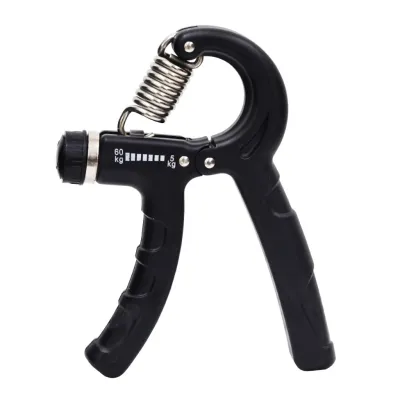
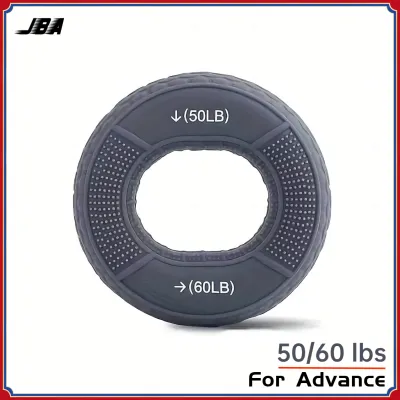
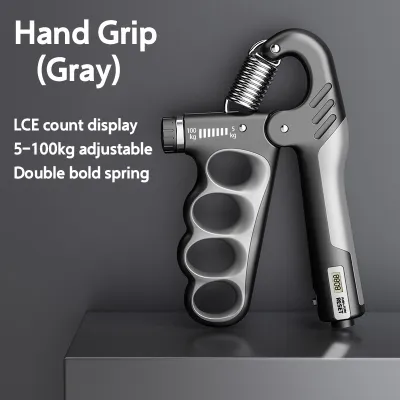

Prices are valid at publication and may change. Please refer to the product page for the latest price.
Lifting straps are designed to wrap around both your wrist and the bar, mechanically locking your hands to the weight. This setup transfers the burden of the load away from your fingers and onto your wrists and forearms, allowing you to lift heavy weights even when your hand strength fails.
Grip pads act as a protective, high-friction barrier between your skin and the metal knurling of the bar. Instead of wrapping around the bar, they sit directly in your palm, cushioning your hands and absorbing sweat to prevent slippage without completely disconnecting your fingers from the lifting surface.
Thick grips—often referred to as thick bar attachments—are split rubber sleeves that wrap around standard barbells and dumbbells to increase their outer diameter. While standalone squeezing hand grippers are excellent for isolated hand training outside of your main workouts, thick bar grips are used during active lifting to force your hands and forearms to contract harder to hold the wider bar.
Selecting the right accessory requires matching the tool to your movement type, the intensity of your load, and your specific physical limitations. Heavy pulling requires a different mechanical support system than high-rep pressing or active forearm hypertrophy training.
Lifting Straps: Maximizing Pulling Power and Volume
Lifting straps are the ultimate tool for overcoming grip limitations during heavy pulling movements. When performing exercises like deadlifts, barbell rows, shrugs, and heavy dumbbell pulls, your target muscles—such as your latissimus dorsi, trapezius, and hamstrings—are often capable of moving far more weight than your fingers can hold.

By wrapping the strap tightly around the bar, you bypass grip fatigue entirely. This mechanical advantage allows you to focus your mental and physical energy on contracting the primary muscle groups, leading to greater muscle growth and strength development over time without your hands serving as a weak link.
However, lifting straps require careful application and safety checks. They are strictly designed for pulling movements and should never be used for pressing exercises, where they offer no mechanical benefit and can dangerously trap your hands under a falling bar.
Before every heavy set, inspect your straps for frayed stitching, material wear, or tears, especially along the seams. Ensure you know how to wrap them so that a simple release of your fingers allows the strap to uncoil instantly, preventing wrist entanglement if you need to drop the weight quickly.
Grip Pads: Enhancing Comfort and Versatility
Grip pads provide a versatile, comfortable solution for lifters who want to protect their hands across a wide variety of exercises. They are highly effective for dumbbell presses, machine rows, pull-ups, and high-rep kettlebell work, where constant friction can cause painful skin damage.
The primary mechanical advantage of grip pads is their ability to act as a barrier against aggressive metal knurling. This prevents skin tearing, blisters, and deep calluses while still allowing you to maintain a natural feel for the bar, which is crucial for maintaining proper lifting mechanics.
In warm, humid gym environments, such as those common in tropical climates, sweat can quickly compromise your hold on a bare metal bar. Grip pads made from textured neoprene or rubber help absorb moisture and provide a non-slip surface, keeping your hands secure during high-rep training sessions.
Keep in mind that grip pads will slightly increase the effective diameter of the bar, which might feel unusual if you have smaller hands. Always verify the thickness of the pad and check the material’s texture against your equipment to ensure it grips the metal securely without sliding or bunching up during a set.
Thick Grips and Hand Grippers: Building Active Grip and Forearm Strength
If your goal is to build massive forearms and a crushing natural grip, thick bar attachments are the perfect addition to your routine. These accessories are ideal for farmer’s walks, dumbbell curls, pull-ups, and moderate-weight pressing movements where grip endurance is the primary focus.
By increasing the diameter of the barbell or dumbbell handle, thick grips force your hands, fingers, and forearms to contract significantly harder to maintain control of the weight. This active engagement stimulates muscle activation throughout the entire arm and can help distribute joint stress more evenly across your wrists and elbows.
While standalone squeezing hand grippers are valuable for isolated hand training at home or between gym days, thick grips integrate grip training directly into your compound movements. This saves time and ensures your hand strength develops in a functional, dynamic pattern.
The trade-off of using thick grips is a substantial reduction in the absolute weight you can lift. Because your grip becomes the limiting factor, these attachments are not suitable for max-effort heavy pulls; instead, use them during accessory work and verify that the inner channel of the grip fits securely onto your specific barbell or dumbbell handles without spinning.
Decision Framework: Matching the Accessory to Your Training Goals
Choosing the right grip accessory requires evaluating your specific workout split, physical needs, and long-term fitness goals. Use this structured framework to determine which tool deserves a permanent spot in your gym bag.
Choose lifting straps if your primary goal is to maximize the weight and volume of your heavy pulling exercises. If you are training through a heavy back day, performing powerlifting accessory movements, or finding that your hands slip long before your back or hamstrings are tired, straps are the correct choice.
Choose grip pads if you want a versatile, everyday accessory that protects your skin and manages sweat across both pushing and pulling movements. If you want to avoid painful calluses, train on machines and free weights without swapping gear, or need extra traction in a humid gym, grip pads are ideal.
Choose thick grips if you want to prioritize forearm hypertrophy and active grip strength. If you are looking to challenge your hands during curls, pull-ups, or carries, or if you want to reduce joint strain by using a wider gripping surface, these attachments are the perfect fit.
Verify first if you have existing wrist injuries, as some accessories may alter joint angles or transfer loads in ways that require professional medical clearance. Additionally, check your equipment specifications, as non-standard barbells or thick dumbbell handles may not accommodate standard thick grips or pads. Finally, if you plan to compete in raw powerlifting, remember that lifting straps are prohibited in competition, meaning you must balance strap use with raw grip training.
Frequently Asked Questions (FAQ)
Can I use lifting straps for pushing exercises like the bench press?
No, you should not use lifting straps for pushing exercises like the bench press or overhead press. Lifting straps are mechanically designed to assist with pulling loads; using them during a press offers no performance benefit and introduces a severe safety risk. If you lose control of the weight while strapped to a barbell, your wrists can become trapped, preventing you from safely dumping the bar or moving out of the way. For pressing movements, use grip pads for palm comfort or rely on your bare hands.
Do grip pads completely prevent calluses and blisters?
While grip pads significantly reduce direct friction and skin irritation from rough metal knurling, they do not completely guarantee a callus-free experience. If your hand placement is incorrect or if the pad folds and pinches your skin during heavy lifts, friction can still occur. To minimize skin damage, regularly inspect the condition of your pads for wear, ensure they lie completely flat against the bar, and practice proper hand placement to prevent the skin of your palms from bunching up under load.
Will using thick grips reduce my main lift numbers?
Yes, using thick grips will temporarily reduce the absolute amount of weight you can lift on your primary exercises. Because a wider bar diameter forces your hand and forearm muscles to work much harder, your grip will become the limiting factor long before your larger muscle groups reach failure. To avoid compromising your overall strength progression, use thick grips primarily for accessory movements, arm training, and dedicated grip work rather than your main, max-effort compound lifts.
Community discussion
Share your experience or ask a question. Comments are reviewed before publication.