
Quick Answer: Which Lightweight Tent Weight Metric Matters Most?
When shopping for a lightweight tent, the specification sheet can easily confuse even experienced backpackers. Manufacturers typically list three distinct weight metrics: minimum weight, trail weight, and packed weight. If you want to know what your back will actually feel on a long trek, packed weight is the most realistic metric to use because it includes every single item shipped in the retail box.
In contrast, “minimum weight” acts primarily as a marketing tool to make the shelter look as light as possible on paper. To make an accurate comparison between different models, you must look beyond the raw numbers and verify exactly which components are included in each manufacturer’s specification.
Decoding the Specs: Minimum, Trail, and Packed Weight
Understanding the exact components included in each manufacturer specification is crucial. It allows you to know what you are actually carrying and helps you make apples-to-apples comparisons before purchasing gear.
Products mentioned in this guide
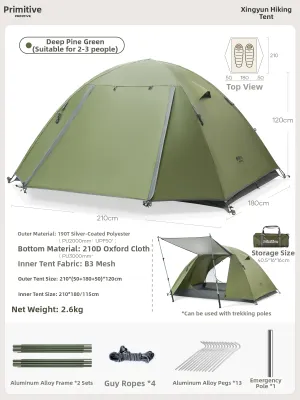
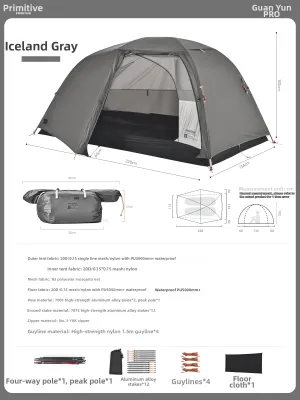
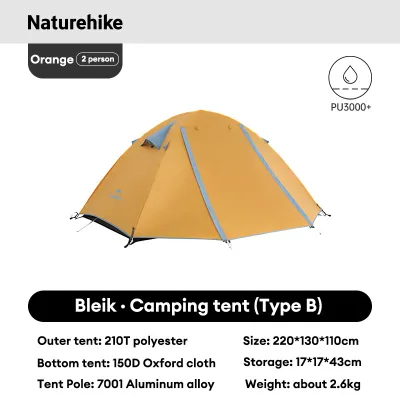
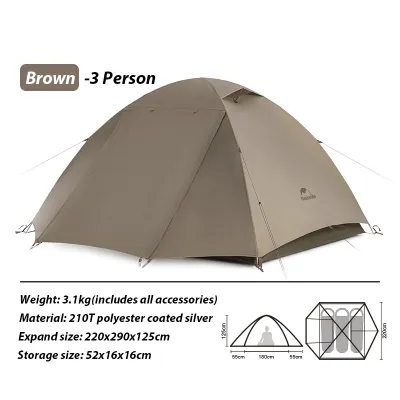
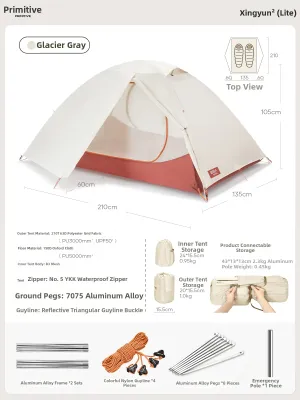
Prices are valid at publication and may change. Please refer to the product page for the latest price.

Minimum Weight (The Bare Essentials)
Minimum weight, sometimes labeled as “stripped weight” or “fast-and-light weight” by gear brands, represents the absolute lightest configuration required to erect the shelter. This metric strictly includes the tent body, the rainfly, and the poles. It completely excludes stakes, guylines, stuff sacks, instructions, and repair kits.
You should treat this number as a theoretical baseline rather than a practical packing weight. Unless you plan to tie your tent to nearby trees with makeshift cordage and sleep without stakes, you will never carry a tent at its minimum weight on a real-world trek.
Trail Weight (The Standard Hiking Metric)
Trail weight is intended to be a middle-ground metric that bridges the gap between marketing claims and trail reality. It typically includes the tent body, the rainfly, the poles, and the absolute minimum number of stakes required to pitch the structure.
However, manufacturers frequently exclude stuff sacks, extra guylines for high-wind stability, and emergency pole repair sleeves from this figure. While trail weight is far more useful than minimum weight for comparison, it still requires you to account for these missing accessories, which you will almost certainly need to pack for a safe trip.
Packed Weight (The Realistic Backpack Load)
Packed weight is the most comprehensive and honest metric available because it represents everything that comes inside the retail packaging. This includes the tent body, rainfly, poles, every single stake, all pre-attached guylines, stuff sacks, instruction manuals, and repair kits.
When comparing different lightweight tent models, this is the primary metric you should use to ensure an accurate, fair comparison. Keep in mind that while packed weight is the heaviest listed spec, it is also the most controllable; you can easily shave off weight at home by swapping heavy stock stakes for lighter aftermarket options or leaving paper manuals behind.
Real-World Adjustments for Tropical and Humid Trails
Hiking in tropical environments like the Philippines introduces specific environmental challenges that render standard manufacturer specs incomplete. On wet, muddy, or rocky terrain—common on popular trails like Mount Pulag or Mount Apo—using a footprint (groundsheet) is highly recommended to protect the tent floor from punctures and groundwater seepage. However, the weight of a footprint is rarely included in a tent’s standard packed weight specification. You must check the manufacturer’s specifications for the footprint weight separately and add it to your overall shelter system calculation.
Additionally, tropical humidity and heavy monsoon rains physically alter the weight of your gear during a trek. Popular lightweight tent fabrics, particularly nylon coated with silicone or polyurethane, naturally absorb water when exposed to prolonged rain or dense fog. A wet tent can easily double in weight by the time you pack it up in the morning. When planning your pack load, you must account for this water retention, as a saturated tent will add significant, unlisted weight to your backpack.
Hidden Weight Factors That Change Your Actual Pack Load
Beyond the manufacturer’s printed specifications, several hidden factors will alter the actual load you carry on your back. Many tents ship with heavy, generic steel or aluminum stakes that are highly durable but unnecessarily heavy. Hikers frequently swap these out for lighter titanium or specialized Y-beam stakes to save weight. Conversely, if you expect high winds or stormy weather on exposed ridges, you may need to add extra guylines and heavy-duty stakes, which immediately increases your pack weight.
Other aftermarket additions, such as compression sacks, gear lofts, or internal organizers, also add small but cumulative weight. To avoid surprises on the trail, the most reliable step you can take is to assemble your fully configured shelter system—including the footprint, stakes, and guylines you actually plan to use—and weigh it at home using a digital luggage or kitchen scale. This establishes a personalized, realistic baseline for your specific backpacking setup.
Frequently Asked Questions (FAQ)
Is a lighter tent always better for tropical hiking?
Not necessarily. While an ultra-lightweight tent reduces physical strain during steep climbs, the extremely thin fabrics (such as 10D or 15D nylon) and minimalist pole structures may compromise durability when facing rough tropical terrain, dense vegetation, or intense monsoon winds. In tropical climates where sharp volcanic rocks and heavy downpours are common, a slightly heavier tent with thicker fabrics (like 20D or 30D ripstop) and a robust pole configuration often provides better long-term reliability and weather protection. You must balance weight savings against the specific demands of your destination’s climate and terrain.
Do I need to buy the manufacturer's footprint?
You do not have to buy the official, brand-name footprint. Generic groundsheets, such as Tyvek or polycryo, are highly effective, cost-efficient, and often lighter than manufacturer-branded options. However, if you choose a generic alternative, you must cut it so that its dimensions are slightly smaller than the tent floor. If the footprint extends beyond the edges of your tent, it will catch rainwater dripping from the rainfly and channel it directly underneath your shelter, causing water to pool beneath your sleeping area.
Community discussion
Share your experience or ask a question. Comments are reviewed before publication.