
Quick Answer: Which Grip Aid Fits Your Gym and Lifting Style?
Choosing between liquid chalk and traditional powder chalk depends primarily on where you train and how your body handles moisture. If you lift in a modern commercial fitness center with strict cleanliness rules, liquid chalk is the ideal choice. It dries quickly, leaves virtually no airborne dust, and keeps your gym bag clean while providing a reliable, slip-resistant grip.
Conversely, if you train in a dedicated powerlifting facility, a home garage, or a traditional open-air gym where dust is not a concern, traditional powder chalk remains the gold standard. It offers immediate friction, is highly cost-effective, and allows for rapid reapplication during heavy, sweaty training sessions. Before making a purchase, always verify your local gym’s specific policies regarding grip aids, as some facilities ban loose powders entirely to protect their air filtration systems.
Understanding the Formulation and Application Differences
To understand why these two grip aids perform differently, it helps to look at their chemical makeup and how they interact with your skin. Both products rely on magnesium carbonate as their active ingredient. This compound is highly effective at binding to moisture and increasing the coefficient of friction between your hands and the steel knurling of a barbell.
Products mentioned in this guide
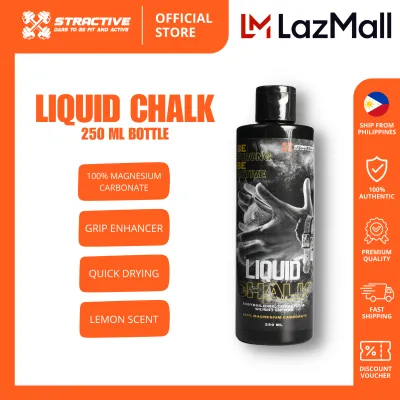
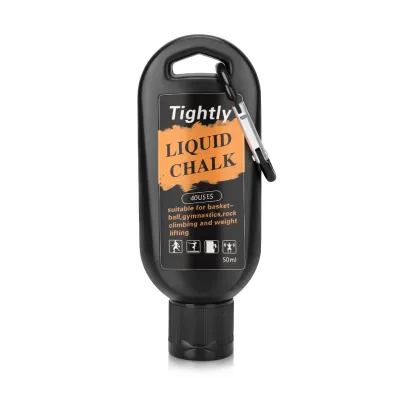
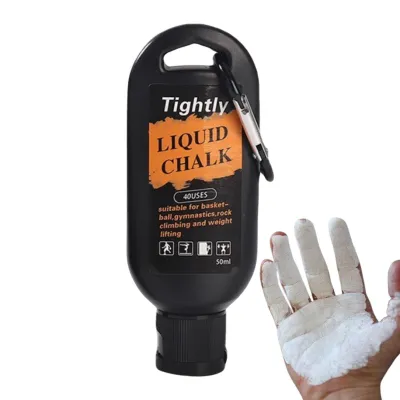
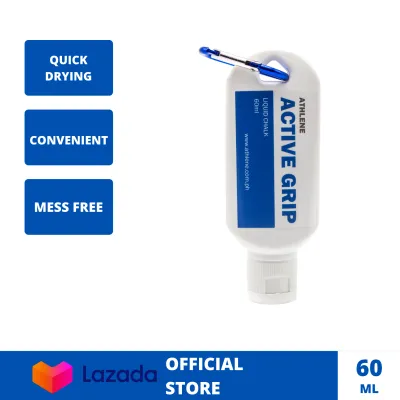
Prices are valid at publication and may change. Please refer to the product page for the latest price.

The primary difference lies in the delivery mechanism. Liquid chalk combines magnesium carbonate with an alcohol carrier, typically isopropyl alcohol, along with mild thickening agents. When you apply a small dollop to your hands and rub them together, the alcohol evaporates rapidly. This chemical reaction leaves behind a thin, exceptionally even coating of dry chalk that is chemically bonded to the natural creases of your palms.
Traditional powder chalk is pure magnesium carbonate in its solid state. It is sold either as loose powder in a bag, compressed into solid blocks, or enclosed within a porous mesh chalk ball. When you apply powder chalk, you are physically transferring the dry particles directly onto your skin. This creates an immediate physical barrier that absorbs surface moisture on contact, though it does not bond to the skin in the same chemical manner as an alcohol-based liquid.
The physical state during application also dictates how you interact with the product during a workout. Liquid chalk requires a brief moment of patience as you wait for the liquid carrier to dry into a solid state. Powder chalk, on the other hand, is ready the instant you rub the block or dip your hands into the chalk bucket, allowing you to transition immediately to your setup.
Evaluating Grip Performance and Sweat Management
In tropical climates where high humidity and heat are daily realities, managing sweat is one of the most critical aspects of maintaining a secure grip. When your hands sweat, the moisture acts as a lubricant between your skin and the barbell, which can cause the bar to slip during heavy deadlifts, clean and jerks, or high-volume pull-ups.
Liquid chalk excels at creating an initial dry base layer. Because the alcohol carrier strips away surface oils and moisture as it evaporates, the remaining chalk settles deeply into the pores and creases of your hands. This creates a highly durable barrier that resists sweat from breaking through during your initial heavy sets. For many lifters, a single application of liquid chalk can last through several consecutive sets without needing a touch-up.
However, liquid chalk has a clear limitation when it comes to high-volume training or extreme sweating. Once your sweat eventually breaks through the dried liquid barrier, reapplying it requires you to wipe your hands completely dry, apply another dollop, and wait for it to dry again. If you attempt to apply liquid chalk over wet, sweaty hands, it will turn into a runny, ineffective paste that fails to bond properly.
Traditional powder chalk handles ongoing, heavy sweat much more dynamically. When your hands begin to perspire mid-workout, you can simply reach into your chalk bag and apply more powder directly over the damp areas. The loose powder instantly absorbs the active sweat, restoring friction immediately without requiring any drying time. This makes powder chalk highly favored by powerlifters and Olympic lifters who need to maintain a dry grip over long, grueling training sessions where sweat production is continuous.
Navigating Gym Policies and the Mess Factor
The environment where you perform your strength training will often dictate which chalk you are allowed to use. Many modern commercial gyms in urban areas have strict rules against loose powder chalk. The reason is simple: powder chalk is incredibly messy. When you clap your hands, rub a block, or pull your hands out of a chalk bucket, fine white dust becomes airborne, settling on nearby cardio machines, clogging air conditioning filters, and leaving unsightly white handprints on black vinyl benches.
Cleaning up powder chalk is a labor-intensive process for gym staff. It requires regular vacuuming of the lifting platforms, wiping down the barbell knurling with a stiff wire brush to prevent the steel from rusting, and washing down equipment. If you train in a commercial facility, violating a powder chalk ban can lead to warnings or revoked memberships, making liquid chalk the only viable alternative.
Liquid chalk is specifically designed to solve the mess factor. Because the magnesium carbonate is suspended in a liquid state during application, there is zero airborne dust. Once it dries on your hands, it stays firmly in place, transferring very little residue to the barbell or your workout clothing.
When your workout is finished, cleaning up liquid chalk is remarkably straightforward. It washes off your hands easily with warm water and mild soap. Any minor residue left on the barbell can be wiped away quickly with a damp microfiber cloth, leaving the lifting area clean for the next member and keeping you in the good graces of your gym’s management.
Comparing Cost, Portability, and Convenience
When evaluating these grip aids for long-term use, you must consider the financial investment, how easy they are to transport in your gym bag, and the overall convenience during your training sessions.
In terms of raw cost-effectiveness, traditional powder chalk is the clear winner. A standard block of powder chalk or a large bag of loose chalk is highly affordable, often retailing between ₱200 and ₱500 on local online marketplaces. Because a single block lasts for months of regular training, the cost per workout is incredibly low. Liquid chalk carries a higher upfront price tag, with standard bottles typically costing between ₱400 and ₱900. If you train frequently and apply it generously, you will find yourself replacing bottles much faster than you would a block of solid powder.
Portability, however, is where liquid chalk holds a massive advantage. It is packaged in secure, sealed plastic bottles or squeeze tubes that can be tossed directly into your gym bag without a second thought. There is virtually no risk of accidental spills or leaks, provided the cap is snapped shut.
In contrast, transporting powder chalk is a constant logistical challenge. Even when stored inside a zippered chalk bag or a plastic container, fine white dust has a habit of escaping through seams and zippers, coating your lifting belt, shoes, and clean clothes in a layer of white powder. Many lifters who prefer powder are forced to double-bag their chalk or keep it in a dedicated, airtight plastic tub to prevent messy spills inside their gear bags.
Convenience during the workout itself is a trade-off. Liquid chalk requires you to pause and wait 15 to 30 seconds for the alcohol to dry before you can grip the bar. While this might seem brief, it can disrupt your rhythm if you are performing fast-paced supersets or timed workouts. Powder chalk offers instant gratification; you apply it and lift immediately, though you must accept the trade-off of having to clean up your hands and gear afterward.
Side-by-Side Comparison Summary
The following table summarizes the key differences between liquid chalk and powder chalk to help you quickly weigh your options based on your training environment and personal preferences.
| Feature | Liquid Chalk | Powder Chalk |
|---|---|---|
| Mess Level | Extremely low; no airborne dust | High; leaves residue on gear and clothes |
| Gym Acceptance | Widely accepted in commercial gyms | Often restricted or banned in commercial gyms |
| Drying Time | Requires 15 to 30 seconds to dry | Instant application and use |
| Sweat Management | Excellent base layer; resists initial sweat | Excellent for absorbing active, heavy sweat |
| Portability | High; secure, spill-proof bottles | Moderate; requires sealed containers to prevent leaks |
| Typical Cost | ₱400 to ₱900 per bottle | ₱200 to ₱500 per block or bag |
Note: Individual product formulations vary. Always check the ingredient list on your product label, as some liquid chalks contain higher concentrations of alcohol or added essential oils that may affect drying times and skin sensitivity.
Final Decision Framework: Choose Based on Your Training Reality
To make your final decision, evaluate your daily training environment, your budget, and how your skin reacts to different products.
Choose liquid chalk if:
- You train in a commercial gym: If your local fitness center has strict rules against dust or explicitly bans loose powder, liquid chalk is your best ticket to maintaining a strong grip without getting penalized.
- You value a clean gym bag: If you want to carry your grip aid alongside your work clothes, laptop, or clean shoes without worrying about fine white dust coating your belongings.
- You prefer a long-lasting base layer: If you want a single application that bonds tightly to your skin and lasts through multiple sets without constant reapplication.
Choose powder chalk if:
- You train in a home gym or "bakal" gym: If you have your own garage setup or lift in a facility where dust and cleanup are not major concerns.
- You are on a tight budget: If you want the most economical grip aid that offers the lowest cost per training session.
- You experience extreme, continuous sweating: If you need to quickly dry your hands mid-workout without waiting for an alcohol carrier to evaporate.
Verify first if:
- You have sensitive skin or open wounds: The alcohol carrier in liquid chalk can cause a sharp stinging sensation if applied over fresh tears, open calluses, or minor cuts. It can also cause excessive skin dryness, requiring you to apply a moisturizing lotion after your workout.
- Your gym's management has unclear rules: When in doubt, ask the staff at the front desk before bringing any grip aid onto the gym floor to ensure you remain compliant with their facility guidelines.
Frequently Asked Questions (FAQ)
Can I mix liquid and powder chalk during the same workout?
Yes, some lifters choose to combine both products to create an exceptionally durable grip layer, though this practice has specific drawbacks. Applying a base layer of liquid chalk first allows the magnesium carbonate to bond deeply with your skin’s creases. Once that layer dries, you can apply a light dusting of powder chalk over it to absorb any surface sweat that develops during your heavy sets.
However, you must be careful not to over-apply. Layering too much powder over dried liquid chalk can create a thick, cakey paste that actually reduces friction and fills in the knurling of the barbell, making the bar harder to hold. Additionally, if you are training in a commercial gym that bans powder chalk, bringing a block or bag into the facility to layer over your liquid chalk will still violate their cleanliness policies.
Does liquid chalk expire or dry out in the bottle?
Liquid chalk does not have a strict expiration date in terms of chemical safety, but it can dry out and become unusable over time if not stored properly. Because the product relies on a volatile alcohol carrier to remain in a liquid state, any exposure to air will cause the alcohol to evaporate inside the container. If the cap is left loose or if the bottle is stored in a hot environment, such as a car trunk or a sunny locker, the liquid will gradually thicken into a hard, solid mass that cannot be squeezed out of the tube.
To maximize the shelf life of your liquid chalk, always ensure the cap is snapped tightly shut immediately after use. Store the bottle in a cool, dry place away from direct sunlight. If you notice the chalk starting to thicken slightly but it is still pliable, shaking the bottle vigorously before opening can help redistribute the remaining liquid carrier.
Community discussion
Share your experience or ask a question. Comments are reviewed before publication.