
Selecting the right gym chalk is a practical decision that directly impacts your lifting safety, grip performance, and relationship with your gym management. While all gym chalk serves the primary purpose of absorbing moisture to improve friction, the delivery method changes how you train. In tropical climates where high humidity accelerates sweating, managing your grip becomes a constant battle during heavy pulls and presses. Choosing the wrong format can lead to messy gear, wasted product, or even getting banned from using chalk at your local fitness center.
Understanding the physical properties and practical trade-offs of each chalk type allows you to match your selection to your training environment. Whether you lift in a dedicated powerlifting garage, a commercial fitness club, or a functional fitness box, there is a specific format designed to keep your hands dry and your grip secure without causing unnecessary friction with those around you.
Understanding the Three Main Formats of Gym Chalk
Loose chalk consists of pure magnesium carbonate processed into a fine, free-flowing powder. It is the traditional format favored by gymnasts and weightlifters who require rapid, complete hand coverage. Because the particles are completely separated, loose chalk easily fills the fine lines of your palms and fingers. However, this high level of dispersion also means it easily becomes airborne, creating a fine dust cloud with every application and leaving a noticeable residue on everything it touches.
Products mentioned in this guide
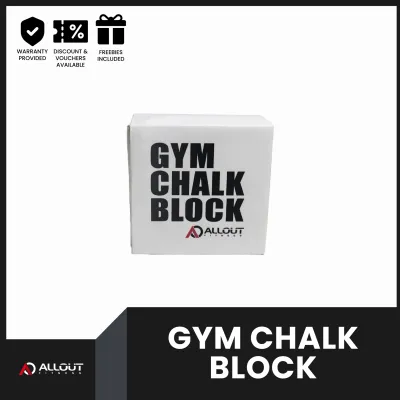
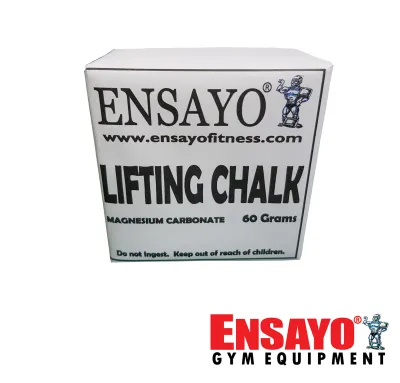
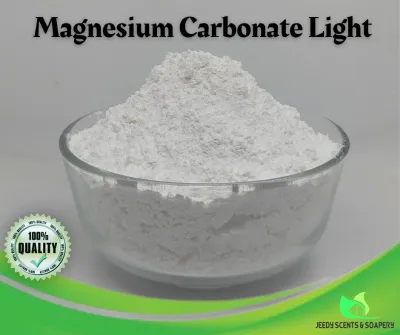
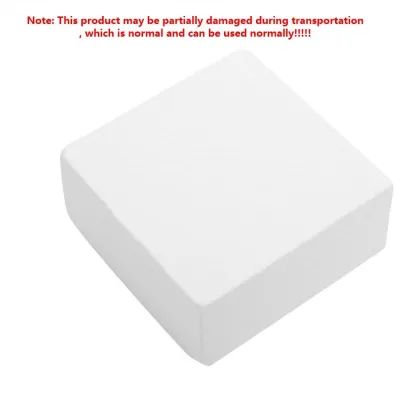
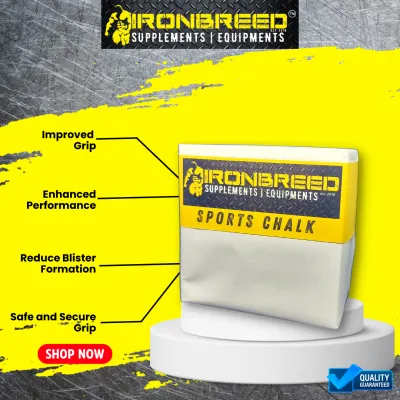
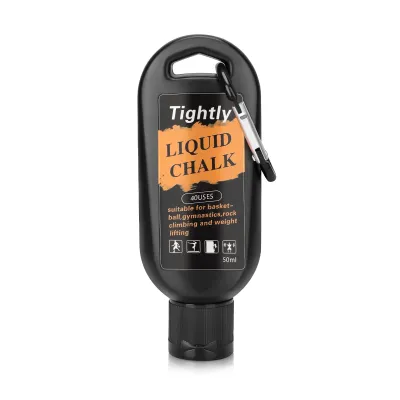
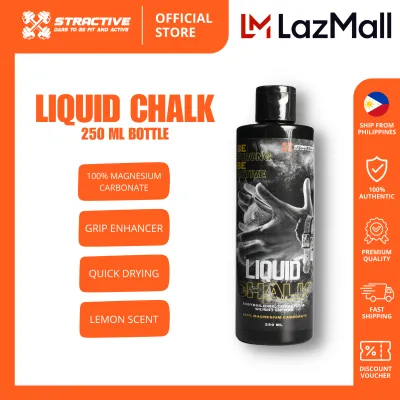
Prices are valid at publication and may change. Please refer to the product page for the latest price.
Block chalk is made of the same pure magnesium carbonate, but it is compressed into solid, dense blocks. To use it, lifters either rub the block directly onto their hands or lightly crush a portion of it into a chalk bowl to create a customized texture. This format offers a middle ground in terms of mess, as the compressed structure keeps the powder from dispersing into the air as easily as loose chalk. It remains highly popular in traditional strength facilities due to its balance of performance and cost-effectiveness.
Liquid chalk is a modern formulation where magnesium carbonate is suspended in an alcohol-based solution, often isopropyl alcohol. When applied to the skin, the liquid spreads evenly into a thin layer, coating every crevice of the hand. Within seconds, the alcohol evaporates, leaving behind a dry, uniform bonding of chalk that adheres tightly to the skin. This format produces virtually no airborne dust during application and leaves minimal residue on barbells and dumbbells, making it the most facility-friendly option available.
Evaluating Grip, Mess, and Gym Policies
When training in humid environments, sweat production increases rapidly, making moisture absorption the primary metric for grip enhancement. Dry formats like block and loose chalk allow you to apply a thick, customizable layer that can be quickly replenished between sets. However, if your hands sweat excessively, dry chalk can sometimes mix with moisture to form a slippery paste, requiring you to wash your hands and reapply. Liquid chalk, with its alcohol base, temporarily sanitizes and strips initial oils from the skin, creating a dry base layer that tends to last longer through high-rep sets before requiring reapplication.

Airborne dust is a major concern for shared indoor spaces. Fine chalk dust settles on cardio machines, clogs air filtration systems, and can irritate the lungs of nearby gym members. Loose chalk is the primary culprit behind this issue, as even a gentle clap of the hands can send a cloud across the room. Block chalk reduces this risk if kept inside a deep bucket, but it still produces significant residue. Liquid chalk eliminates the airborne dust variable entirely, as it goes on wet and binds directly to the skin, keeping the surrounding air clean.
Because of these maintenance and air quality challenges, commercial gym policies regarding chalk use have become increasingly strict. Many modern fitness chains and premium health clubs enforce absolute bans on loose and block chalk. In these facilities, liquid chalk is often the only permitted grip aid because it does not leave white footprints on the floor or coat the upholstery of the machines. Before purchasing any dry chalk, it is essential to verify your local facility’s rules to avoid having your equipment confiscated.
Portability and storage are also key considerations for lifters who travel to different gyms. Carrying loose or block chalk in a gym bag carries a high risk of accidental spills, which can ruin clothing and athletic gear. These dry formats must be stored in airtight, puncture-resistant containers, especially in humid regions where dry magnesium carbonate will naturally absorb ambient moisture from the air and lose its effectiveness. Liquid chalk is highly portable and secure in its plastic bottle, though you must ensure the cap is sealed tightly after every use to prevent the alcohol from evaporating and turning the contents into a solid, unusable mass.
Quick Comparison Matrix
To help you quickly evaluate the practical differences between these three formats, the table below summarizes their core performance and usability characteristics.
| Chalk Format | Grip Customization | Mess Level | Typical Gym Acceptance | Drying Time | Relative Cost per Use |
|---|---|---|---|---|---|
| Liquid Chalk | Moderate (Thin, even layer) | Very Low | High (Often mandatory) | 10–20 seconds | Moderate to High |
| Block Chalk | High (Can rub or crush) | Moderate | Medium (Requires bucket) | Instant | Low |
| Loose Chalk | Very High (Fine powder) | High | Low (Often banned) | Instant | Low |
Note: Exact retail prices in ₱ vary by brand and retailer. Lifters should verify current local stock, packaging sizes, and specific gym rules before purchasing.
Decision Guide: Which Chalk Should You Buy?
Your final choice should align with where you train, how your skin reacts to different substances, and your budget. Use the following conditional framework to determine which format fits your current training routine.
Choose Liquid Chalk if:
- Your commercial gym strictly bans loose powder or block chalk.
- You want to keep your gym bag, clothing, and training gear completely free of white dust.
- You perform high-rep conditioning workouts, such as functional fitness metcons, where you cannot stop to reapply chalk constantly.
- You prefer a quick, self-contained application method that does not require a chalk bucket or specialized storage container.
Choose Block Chalk if:
- You train in a home gym, garage gym, or a dedicated strength facility that permits dry chalk.
- You are looking for the most cost-effective option that lasts for months of regular training.
- You prefer to manually control the texture of your chalk, using solid pieces to rub directly onto your palms while keeping some powder available for your fingers.
- You want a traditional lifting experience without the scent or drying sensation of alcohol-based formulas.
Choose Loose Chalk if:
- You train in a specialized powerlifting or Olympic weightlifting gym where chalk buckets are readily provided.
- You need to coat your upper back, shoulders, or thighs for heavy squats and cleans, which is difficult to do cleanly with liquid chalk.
- You plan to use a refillable chalk ball or mesh sock to limit dust while still enjoying the feel of fine powder.
- You require instant, heavy hand coverage between maximum-effort lifting attempts.
Verify First:
Before making a purchase, check if your training facility requires specific containment methods, such as keeping dry chalk inside a sealed chalk ball rather than loose in a bucket. Additionally, if you have sensitive skin, eczema, or open cuts on your hands, verify how your skin reacts to liquid chalk. The isopropyl alcohol base can cause a stinging sensation on open wounds and may lead to excessive skin dryness or cracking if used frequently without proper hand care.
Application and Equipment Care Best Practices
Using gym chalk effectively requires proper application technique to maximize grip safety. Many lifters make the mistake of over-chalking, applying thick layers of powder until their hands are completely white. Excess chalk actually acts as a barrier, reducing the direct friction between your skin and the steel knurling of the barbell, which can cause the bar to slip and potentially tear your calluses. Apply only a thin, even layer to the contact points of your hands where the bar actually rests.
Maintaining gym equipment is a matter of safety and respect for other lifters. When dry chalk mixes with sweat, it settles deep into the knurling of barbells and dumbbells. Over time, this mixture traps moisture against the steel, accelerating rust and corrosion, especially in humid tropical climates. After completing your workout, use a stiff nylon brush to scrub the chalk residue out of the knurling, and wipe down the shaft with a dry microfiber cloth. Avoid using wire brass brushes on specialty finishes, as they can scratch and damage the protective coating of the bar.
Proper storage preserves the quality of your chalk and prevents messy accidents. Keep block and loose chalk in heavy-duty, zip-top bags or airtight plastic containers to shield them from humid air. For liquid chalk, always wipe the nozzle clean of dried residue before snapping or screwing the cap shut. Store liquid chalk bottles upright in a cool, dry place away from direct sunlight to prevent the suspension from separating or drying out prematurely.
Frequently Asked Questions (FAQ)
Can I use regular climbing chalk for weightlifting?
While both climbing chalk and gym chalk are primarily composed of magnesium carbonate, they are not always identical. Some climbing chalk formulations contain added drying agents, moisture-absorbing additives, or essential oils designed for outdoor rock surfaces. These additives can alter the texture and may leave a slick residue on steel barbells, reducing the effectiveness of the knurling. For strength training, it is generally best to stick to pure magnesium carbonate products formulated specifically for weightlifting to ensure consistent friction.
Does liquid chalk dry out your hands more than powder?
Yes, liquid chalk typically dries out the skin more than dry powder formats. This is because the isopropyl alcohol used to suspend the magnesium carbonate evaporates rapidly upon application, stripping away the skin’s natural oils along with any surface sweat. If you use liquid chalk frequently, your hands may become prone to dryness, stiffness, and cracking. To prevent this, wash your hands thoroughly with soap and water immediately after your workout, and apply a moisturizing lotion or hand cream to restore hydration.
Is gym chalk the same as baby powder or talcum powder?
No, gym chalk and baby powder are entirely different substances with opposite functions. Gym chalk is magnesium carbonate, which acts as a desiccant to absorb moisture and increase friction between your hands and the bar. Baby powder is typically made of talc or cornstarch, which acts as a lubricant to reduce friction and prevent chafing. Applying baby powder to your hands before a heavy lift is highly dangerous, as it will make the barbell extremely slippery and compromise your ability to hold the weight safely.
Community discussion
Share your experience or ask a question. Comments are reviewed before publication.