
Quick Answer: Which Resistance Band Type Fits Your Routine?
Choosing the right band resistance tool depends on your specific fitness goals, preferred exercises, and where you plan to train. If your routine focuses on lower-body activation, glute development, physical therapy, or quick mobility drills, loop bands are highly practical. Their flat, continuous design makes them highly portable and easy to wrap around your legs or ankles.
Conversely, if you want to target your upper body with isolation movements like bicep curls, chest presses, or tricep extensions, tube bands with handles are a highly effective choice. The built-in handles mimic the grip of traditional gym equipment, allowing you to perform cable-machine style exercises anywhere.
Ultimately, neither style is universally better than the other. The most effective choice depends on your exercise library, comfort preferences, and how you plan to anchor your equipment.
Products mentioned in this guide
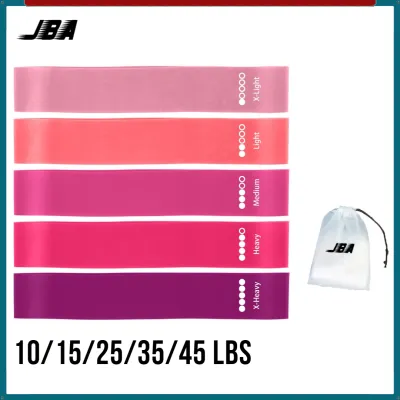
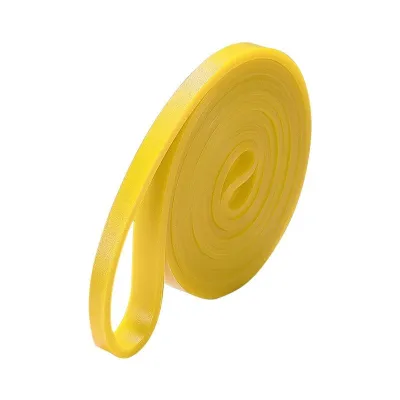
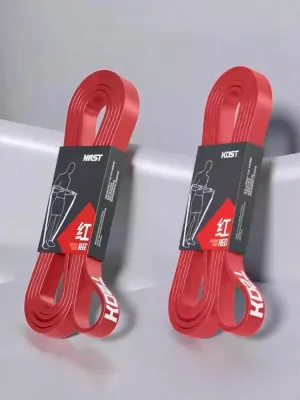
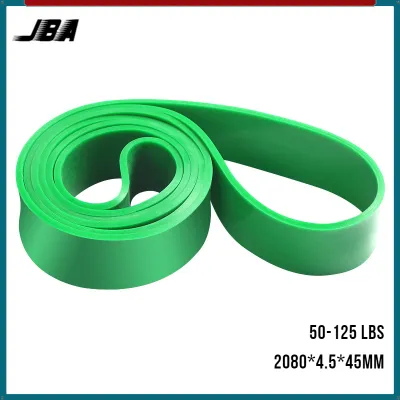
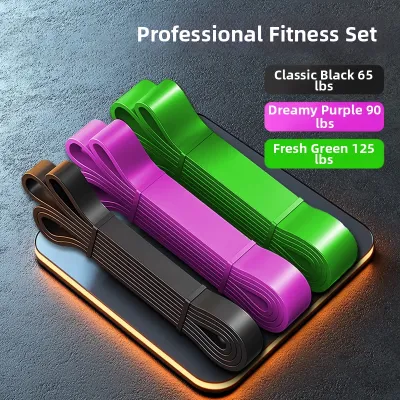
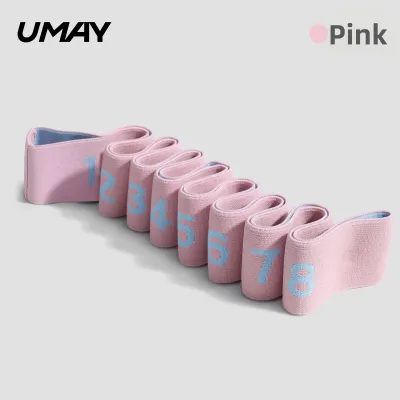
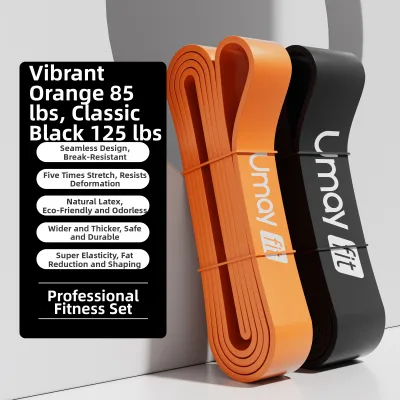
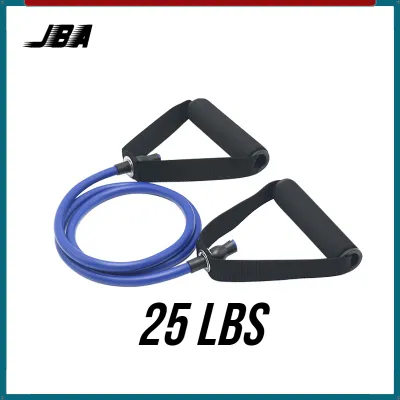
Prices are valid at publication and may change. Please refer to the product page for the latest price.
Structural and Design Differences Between Loop and Tube Bands
To understand which style suits you, it helps to look at how they are built. Loop bands are continuous, closed circles of elastic material. They are typically flat and wide, though some heavy-duty versions are thick and cylindrical. Because they have no handles or hardware, they rely entirely on friction and wrapping to stay in place. This flat profile distributes tension across a wider surface area, which prevents the band from digging too deeply into your skin when wrapped around your thighs or shins.

Tube bands, on the other hand, are hollow, cylindrical tubes of rubber or latex. They feature secure attachment points at both ends, which are connected to plastic, foam, or fabric handles. Many tube band systems use metal carabiners, allowing you to swap out different bands to adjust the resistance level. This design concentrates the tension through the center of the tube and transfers it directly to the handles, giving you a familiar, solid grip that feels similar to a dumbbell or a cable attachment.
These structural differences change how the band resistance is applied to your body. Loop bands excel when you need the band to stay flat against your body or a sturdy anchor. Tube bands excel when you need a free-moving handle that allows your wrists and hands to rotate naturally during pulling and pushing motions.
Matching Band Types to Specific Workout Applications
Your choice of band should align directly with the exercises you perform most often. Different movements require different grip styles and tension paths to be effective and safe.
Lower Body and Glute Training
For lower-body workouts, continuous loop bands—especially short “mini-bands”—are a common choice. When performing squats, hip thrusts, or lateral monster walks, you need a band that stays securely around your thighs or calves without sliding. The wide, flat surface of a loop band clings to your clothing, preventing it from rolling up into a tight, painful cord. This constant outward tension forces your glutes to fire throughout the entire movement, improving hip stability and muscle recruitment.
Upper Body and Isolation Work
When it comes to upper-body training, tube bands with handles offer a distinct advantage. Exercises like bicep curls, overhead shoulder presses, and chest flies require a secure grip that allows you to pull or push with maximum force. Trying to hold onto a flat loop band during these movements can cramp your hands or cause the band to slip out of your grasp. The ergonomic handles of tube bands keep your wrists in a neutral position, allowing you to focus entirely on isolating the target muscle group.
Mobility and Rehabilitation
If your goal is to improve flexibility, recover from an injury, or get assistance with bodyweight exercises, long loop bands are highly effective. These large, heavy-duty loops can be anchored to a pull-up bar to assist you with chin-ups, or wrapped around your foot for deep, passive hamstring stretches. Because they lack bulky handles, they can be easily adjusted to provide varying levels of support along the entire length of your body.
Full-Body and Functional Movements
For dynamic, multi-joint exercises that mimic daily activities, both bands have their place, but they serve different functions. Long loop bands are excellent for rotational core work, such as woodchops, when anchored to a sturdy post. Tube bands, when paired with a secure door anchor, allow you to perform standing rows, chest presses, and diagonal woodchops with a smooth, consistent line of pull that closely replicates a commercial cable machine.
Evaluating Comfort, Grip, and Durability Considerations
Beyond performance, daily comfort and long-term durability are critical factors when selecting your fitness gear. A band that is uncomfortable to use or prone to snapping will quickly end up forgotten in a closet.
Grip and Handling
The handles on tube bands provide a familiar, secure grip, especially when your hands get sweaty during intense workouts. Foam-padded handles absorb moisture and reduce hand fatigue, while plastic handles are easy to wipe clean. Loop bands require you to grip the rubber directly or wrap it around your hands. This can sometimes feel awkward or restrict blood flow if wrapped too tightly, making them less ideal for high-repetition upper-body workouts.
Skin Contact and Comfort
Flat latex loop bands can sometimes pinch the skin or pull body hair, particularly during lower-body movements. If you prefer working out in shorts, this can become highly uncomfortable. To mitigate this, you can wear long compression pants or leggings to create a protective barrier. Alternatively, you can look for fabric loop bands, which use a blend of elastic and soft fabric that does not slip, roll, or pinch the skin.
Wear and Tear Indicators
Safety should always be your top priority when working with elastic resistance. Before every single workout, take a moment to inspect your bands for signs of wear. Look for tiny micro-tears along the edges, discoloration or whitening of the rubber, and any cracking. For tube bands, pay close attention to the connection points where the tubing meets the handles or carabiners, as these areas experience the most stress. If you notice any fraying, peeling, or structural weakness, retire the band immediately to prevent it from snapping under tension.
Storage and Environmental Care
The environment where you store your bands plays a massive role in their lifespan. In tropical climates like the Philippines, high humidity and ambient heat can accelerate the degradation of natural latex and rubber. Store your bands in a cool, dry place away from direct sunlight, which can dry out the material and make it brittle. Avoid leaving them in hot cars or damp gym bags, and keep them away from sharp objects or rough concrete surfaces that could cause micro-cuts.
Decision Framework: Building Your Ideal Resistance Band Setup
To build a setup that fits your lifestyle and budget, follow this step-by-step decision framework before making a purchase.
1. Assess Your Training Environment
Consider where you will do most of your workouts. If you train in a small apartment or travel frequently, a set of lightweight loop bands takes up virtually no space and can be packed into any bag. If you plan to work out at home and have access to sturdy doors or heavy furniture, a tube band set with a door anchor will give you a much wider range of exercise options. Ensure your anchor points are completely stable and secure before attaching any band.
2. Determine Your Resistance Needs
Decide whether you need a single band or a complete set. Beginners may benefit from a multi-band set that includes light, medium, and heavy options. This allows you to progress gradually as you get stronger. When shopping, verify the manufacturer’s specified resistance ranges and weight equivalents on the packaging. Keep in mind that these numbers are estimates based on how far the band is stretched, rather than absolute weights.
3. Balance Your Budget
Resistance bands are highly cost-effective compared to free weights. Whether you are spending ₱300 on a basic set of mini-loops or investing ₱1,500 in a heavy-duty tube band kit with multiple attachments, focus on build quality and safety features rather than finding the cheapest option. Look for reinforced stitching on tube band straps and high-quality latex or fabric blends for loop bands.
4. Consider a Hybrid Approach
You do not have to choose just one type. Many fitness enthusiasts find that combining both types yields excellent results. You can use fabric loop bands for your warm-ups, glute activation, and lower-body exercises, and switch to a set of tube bands with handles for your upper-body strength and isolation work. This hybrid approach ensures you have the right tool for every movement without forcing one style of band to do a job it was not designed for.
Frequently Asked Questions (FAQ)
Can I use loop bands and tube bands together in the same workout?
Yes, combining both types of bands is an excellent way to create a highly versatile, full-body workout. You can use loop bands to target your lower body and core, then transition to tube bands with handles for upper-body pulling and pushing movements. For example, you might start a circuit with loop band lateral walks to activate your glutes, followed immediately by tube band chest presses and bicep curls. This approach allows you to maintain proper form and optimal tension for each specific muscle group.
How do I know when it is time to replace my resistance bands?
You should replace your resistance bands at the first sign of physical wear or structural degradation. Inspect your bands regularly for visible cracks, peeling, deep scratches, or areas where the rubber has turned white or lost its elasticity. For tube bands, check the fabric webbing and stitching near the handles and carabiners for any fraying. Snapping a band under high tension can cause painful welts or serious injury, so it is always best to replace a compromised band immediately rather than risking a break during an exercise.
Do resistance bands provide the same muscle stimulus as free weights?
Resistance bands stimulate muscles differently than free weights due to the mechanics of elastic tension. Free weights provide a constant resistance governed by gravity, meaning the load remains the same throughout the entire movement. Band resistance, however, features linear variable resistance, meaning the tension increases the further the band is stretched. This makes the exercise hardest at the peak of the contraction. While free weights are generally better for precise progressive overload and building maximum strength, bands are exceptionally effective for joint stability, muscle activation, and athletic conditioning.
Community discussion
Share your experience or ask a question. Comments are reviewed before publication.