
Choosing the right resistance band depends entirely on your specific fitness goals, workout environment, and experience level. If your routine focuses on lower-body strength and shaping the glutes, a wide fabric band is the most comfortable and stable option. For those targeting upper-body hypertrophy with exercises like bicep curls and rows, a tube band with handles provides the necessary ergonomic grip and control. If you require maximum versatility for full-body conditioning, assisted pull-ups, and deep stretching, a flat rubber loop band is the most adaptable tool for the job.
Investing in the wrong style of resistance band can lead to constant workout interruptions, such as bands rolling down your thighs or pinching your skin. In tropical climates, selecting the right material also directly impacts the lifespan of your gear, as humidity and sweat can degrade certain materials faster than others. By understanding how each band style functions, you can build an efficient, space-saving home gym that delivers consistent results.
Diagnose Your Workout Focus: What Are You Training?
Before purchasing a resistance band, you must evaluate the primary movements and muscle groups in your weekly routine. Different exercise goals require distinct physical designs to ensure safety, comfort, and proper muscle activation. Attempting to use a single style of band for every conceivable movement often leads to awkward body positioning and reduced exercise efficiency.
Products mentioned in this guide

Prices are valid at publication and may change. Please refer to the product page for the latest price.
Your training focus dictates the physical mechanics of the band you need. Upper-body pulling movements require a secure point of contact for your hands, making handles highly beneficial. Conversely, lower-body lateral movements require a band that wraps securely around your limbs without sliding. If your routine is highly varied, crossing over between strength training, mobility work, and physical therapy, your gear needs to adapt to multiple anchoring points and angles.
To help narrow down your options, consider this quick self-check framework based on common exercise targets:
- Lower-Body Isolation (Squats, Clamshells, Glute Bridges): Fabric bands are ideal because they stay firmly positioned on the thighs without rolling.
- Upper-Body Strength (Rows, Chest Presses, Bicep Curls): Tube bands with handles provide a natural, comfortable grip that mimics gym cable machines.
- Full-Body Mobility & Assistance (Stretching, Assisted Pull-Ups): Long rubber loop bands offer the length and elasticity required to assist bodyweight or anchor to external structures.
- Joint Rehabilitation & Small Muscle Activation (Rotator Cuff Drills): Light, flat rubber mini loops or open-ended therapy bands allow for precise, low-impact tension.
While it is tempting to look for a single, universal tool, many active individuals find that a combination of styles works best. For example, a home workout setup in the Philippines might include a fabric band for lower-body days and a set of handle-equipped tube bands for upper-body days. This division of labor keeps your workouts smooth and prevents premature wear on your equipment.
Loop Bands: Best for Full-Body Versatility and Mobility
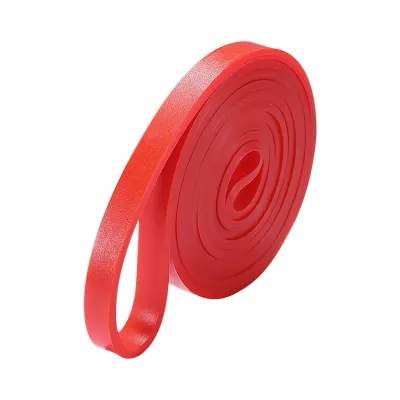
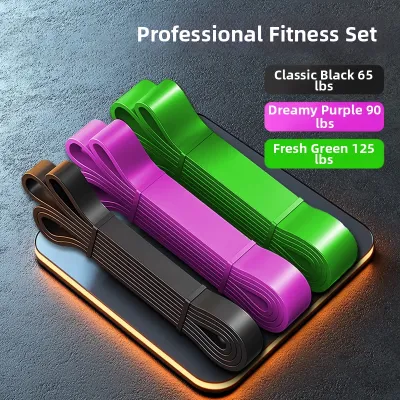
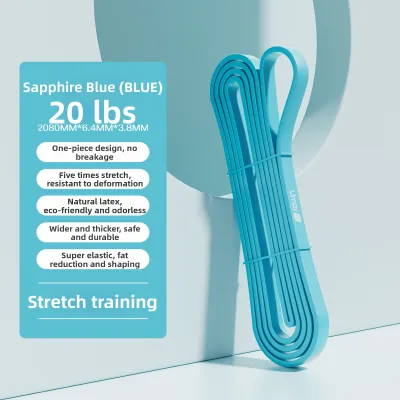
Loop bands are continuous, flat bands made of rubber or latex, available in two primary variations: long power bands (typically 41 inches in length) and short mini bands (typically 9 to 12 inches). Because they feature no handles, clips, or mechanical parts, they represent the most basic and durable form of resistance training equipment. Their simple, continuous design allows you to grip them at any point to instantly alter the working tension.

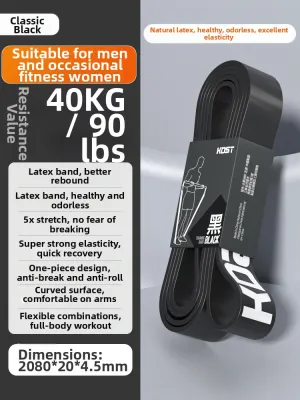
Long power bands are exceptionally versatile for full-body conditioning and mobility work. They are the standard choice for assisting with pull-ups, as you can loop one end over a bar and place your foot or knee in the other. They are also highly effective for adding variable resistance to traditional barbell exercises like squats and bench presses. Because they can be easily wrapped around sturdy pillars, heavy home gym racks, or outdoor park posts, they allow you to perform standing rows, woodchops, and rotational core exercises almost anywhere.
However, flat rubber bands have distinct limitations. Short rubber mini bands are notorious for rolling up into tight, painful cords when placed around the thighs or calves during lower-body movements. This rolling is especially common when exercising in warm, humid conditions on bare skin or thin activewear. Additionally, gripping a flat, thin rubber band directly during heavy upper-body pulling exercises can cause hand fatigue, pinch the skin, or create uncomfortable friction burns on your palms.
To ensure safety and longevity, you must inspect your rubber loop bands for micro-tears, discoloration, or small nicks before every workout. A compromised band can snap violently under high tension, causing severe bruising or eye injuries. Avoid anchoring these bands to sharp metal edges, rough concrete posts, or unstable household furniture. In humid tropical environments, sweat and moisture accelerate the breakdown of natural latex; store your bands in a cool, dry place away from direct sunlight, and apply a light dusting of talc-free powder if the rubber begins to feel sticky.
Tube Bands with Handles: Best for Upper-Body Strength and Control
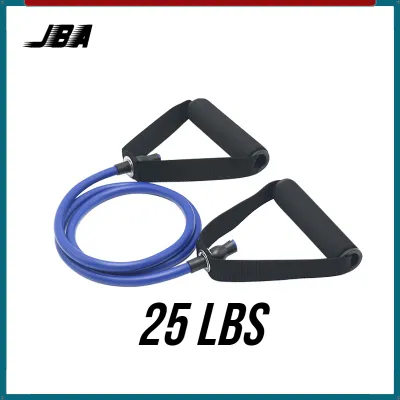
Tube bands consist of hollow, cylindrical rubber or latex tubes equipped with plastic, nylon, or foam handles on each end. Many modern tube band packages are designed as modular systems, featuring heavy-duty metal carabiners that allow you to clip multiple tubes onto a single pair of handles. This design closely replicates the feel of a commercial gym’s cable machine, making it highly appealing to those transitioning from gym-based weightlifting to home workouts.
These bands excel at upper-body hypertrophy and strength movements. Exercises like bicep curls, tricep overhead extensions, shoulder presses, and chest flyes are significantly more comfortable because the rotating handles provide an ergonomic grip. This secure hold eliminates the hand strain and skin pinching associated with flat rubber loops. By utilizing a door anchor—a simple dense foam block attached to a fabric loop—you can safely secure the band at various heights along a door frame, allowing you to perform high-to-low woodchops, face pulls, and lat pulldowns with controlled resistance.
Despite their strength advantages, tube bands are highly specialized and lack versatility for lower-body training. The fixed handles make them bulky and impractical to wrap around your legs for lateral walks or glute bridges. They also occupy more storage space and are less convenient for travel compared to flat, lightweight loops. Additionally, the multi-component design means there are more potential points of mechanical failure, such as the plastic core of the handles or the metal clips.
Prioritize safety by regularly checking the connection points where the rubber tubing meets the sleeve, handle, or carabiner. These high-stress areas are the most common sites for structural wear and tearing. Inspect metal clips for rust or deformities, which can be accelerated by humid coastal air. When performing exercises with a door anchor, always position yourself so that you are pulling the door closed against the frame, rather than pulling it open, and verify that the door is fully latched or locked before beginning your set.
Fabric Bands: Best for Lower-Body Comfort and Anti-Slip Grip
Fabric bands are short, wide loop bands woven from a durable blend of elastic fibers, polyester, and cotton. Their defining feature is the inclusion of internal anti-slip grips, which are typically made of rubberized silicone strips or woven latex threads. These bands are specifically engineered to address the physical discomforts and limitations associated with thin rubber mini loops during lower-body training.
For high-volume glute and leg workouts, fabric bands are vastly superior to their rubber counterparts. Whether you are performing clamshells, glute bridges, lateral band walks, or weighted squats, the wide, structured fabric distributes pressure evenly across your thighs. It will not roll up, slide down, or pinch your skin, even when worn directly on bare legs in hot, humid weather. The stiff, woven construction also provides a high level of initial tension, which is excellent for deep glute activation and hip abductor strengthening.
However, fabric bands are highly specialized and cannot be used as a general-purpose fitness tool. Their stiff material and short length make them completely unsuitable for upper-body pulling exercises, overhead mobility drills, or assisted pull-ups. They have a much shorter maximum stretch capacity than rubber, meaning they will reach a hard physical limit rather than stretching indefinitely. They also cannot be easily anchored to doors, poles, or gym racks.
Because fabric bands sit directly against your skin and activewear during intense workouts, they readily absorb sweat, body oils, and dead skin cells. In humid climates, a dirty fabric band can quickly develop unpleasant odors and harbor bacteria if left unwashed in a dark gym bag. To maintain hygiene and preserve the elastic fibers, wash your fabric bands regularly. Refer to the manufacturer’s care label; most recommend hand washing in cold water with a mild detergent and air-drying them completely in the shade. Never use a mechanical dryer or expose them to high heat, as this will degrade the internal elastic and melt the anti-slip silicone strips.
Dial in the Tension: Matching Resistance to Your Fitness Level
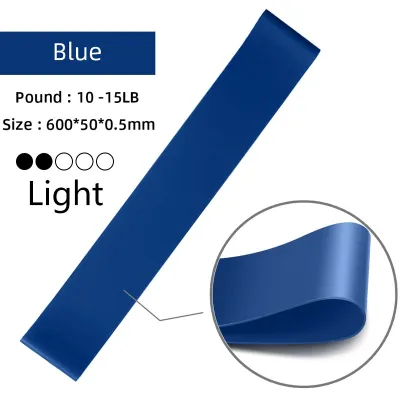
Selecting the correct resistance level is vital for progressive overload and preventing joint strain. Most manufacturers offer bands in a range of tension levels, typically labeled from extra-light to extra-heavy. However, there is no universal industry standard for color-coding; a blue band from one brand might offer light resistance, while from another brand it represents heavy resistance. Always check the manufacturer’s specific weight equivalent ratings, which are usually expressed in ranges like 5–15 lbs (2.3–6.8 kg) or 30–40 lbs (13.6–18.1 kg).
To find the right tension for your current fitness level, use these general selection guidelines:
- Beginners: Start with light to medium-light bands. Your primary goal is to master the mechanics of each exercise and maintain control throughout the entire range of motion without your joints collapsing inward.
- Intermediate Users: Choose moderate to heavy tension bands. The resistance should be challenging enough that your muscles feel significantly fatigued by the final few repetitions of a 10-to-15-rep set, without compromising your form.
- Advanced Users: Opt for heavy to extra-heavy bands, or utilize stackable tube band systems where you can clip multiple bands onto a single handle to scale up the total load.
To verify if a band is appropriate for a specific movement, apply the “two-rep rule.” If you cannot complete the last two repetitions of your planned set with strict, controlled form, the resistance is too heavy, and you should drop down a level to protect your tendons and joints. Conversely, if you feel no noticeable muscular tension or engagement at the peak contraction point of the exercise, the band is too light to stimulate strength gains, and you should move to a heavier band.
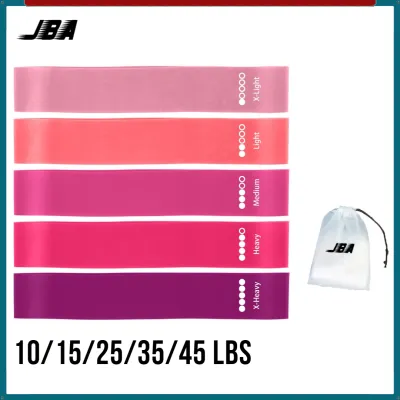
Because different muscle groups possess vastly different strength capacities, purchasing a multi-pack set is highly recommended. Your smaller shoulder muscles (such as the rotator cuff) require a much lighter resistance band than your large glute and thigh muscles. A complete set of varying resistance levels allows you to customize the load for every exercise in your routine and gradually step up the tension as your body adapts and grows stronger over time.
Frequently Asked Questions (FAQ)
Can I use just one type of resistance band for all my workouts?
While a long, flat rubber loop band is highly versatile and can technically perform both upper- and lower-body movements, relying on a single style often compromises performance and comfort. For instance, using a flat loop for bicep curls can hurt your hands, while using it for lateral walks can cause painful rolling. A combined setup—such as a fabric band for lower-body workouts and a tube band with handles for upper-body exercises—provides far better ergonomics, safety, and targeting.
Do resistance bands snap, and how can I prevent it?
Yes, resistance bands can snap if they are worn out, overstretched, or damaged. To prevent sudden breakage, perform a quick visual inspection before every workout, looking for small nicks, tears, or discoloration. Avoid anchoring bands to sharp edges or rough surfaces. Never stretch a band beyond its recommended limit (typically no more than two to three times its resting length). Store them in a cool, dry place out of direct sunlight to prevent the elastic from dry-rotting.
Are fabric bands strictly better than rubber mini loops?
Fabric bands are superior for comfort and stability when placed around the thighs for lower-body exercises, as they will not roll or pinch. However, they are not universally better. Rubber mini loops offer a greater range of stretch and are much easier to wipe clean after a sweaty workout. Rubber loops are also better suited for placing around the ankles or wrists, where the bulk and stiffness of a fabric band might restrict natural movement.
Community discussion
Share your experience or ask a question. Comments are reviewed before publication.