
Quick Answer: Match the Band to Your Training Focus
Choosing the best resistance band is not about finding a single, magic piece of equipment that does everything. Instead, the ideal choice depends on your primary muscle groups, your fitness goals, and your preferred style of movement. Because different band designs offer distinct structural advantages, there is no single universal winner.
If your primary goal is to build stronger glutes, tone your legs, or add resistance to lower-body exercises, loop bands are your best option. For those who want to replicate gym-style cable machines, perform heavy upper-body presses, and execute pulling movements, tube bands with handles are the superior choice. If your focus is on physical therapy, recovering from an injury, practicing Pilates, or improving joint mobility, thin flat bands will serve you best.
While many fitness enthusiasts eventually build a collection that includes all three types, starting with the one that matches your immediate goal is the most practical, cost-effective way to kickstart your home workouts. With high-quality sets typically ranging from ₱200 to ₱1,500 on local online marketplaces, they offer an incredibly budget-friendly alternative to heavy iron weights.
Products mentioned in this guide
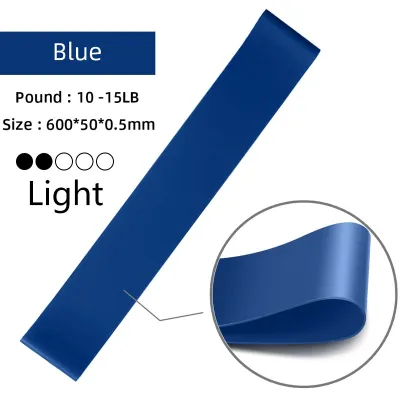
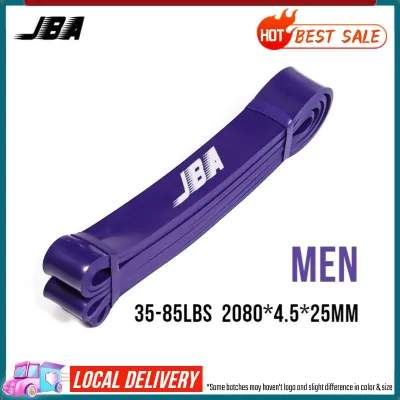
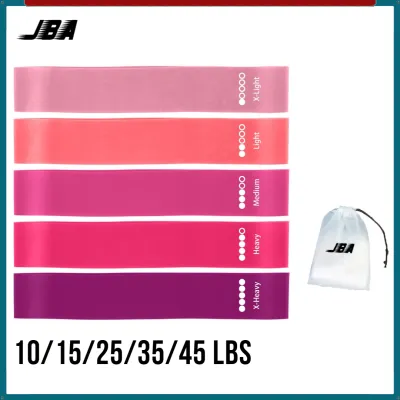
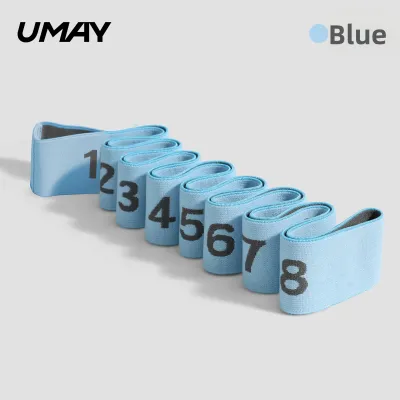
Prices are valid at publication and may change. Please refer to the product page for the latest price.
Understanding the 3 Main Types of Resistance Bands
Before comparing how these fitness tools perform during a workout, it is essential to understand their physical characteristics and structural designs. Each type of band is manufactured using different processes and materials, which directly influence how they feel in your hands and how they apply tension to your muscles.

Loop Bands (Mini and Long)
Loop bands are continuous, unbroken circles of material that lack built-in handles or clips. They are generally divided into two distinct categories based on their length and thickness: mini loop bands and long loop bands (often called power bands).
Mini loop bands are typically 9 to 12 inches long and are designed to be wrapped directly around your thighs, knees, or ankles. They are made of either thin latex or thick, woven elastic fabric. The fabric versions are highly favored for their slip-resistant properties, while latex versions offer a wider range of stretching capacity.
Long loop bands measure around 41 inches in length and are much thicker than mini loops. These heavy-duty bands are designed for high-tension activities like assisted pull-ups, heavy stretching, and anchoring to rigs. Because they lack handles, you must grip the raw material directly, wrap the band around your hands, or step on the band to secure it during an exercise.
Tube Bands with Handles
Tube bands are constructed from hollow, cylindrical rubber or latex tubing rather than flat sheets of elastic. They feature plastic or foam-covered handles at each end, which are either permanently molded to the tubing or attached using metal carabiners and nylon straps.
The primary advantage of tube bands is their ergonomic grip, which closely mimics the familiar feel of dumbbells and cable machine attachments. This design significantly reduces hand fatigue and prevents the elastic material from rubbing directly against your palms during high-repetition sets.
Most tube bands are sold as customizable sets that include multiple color-coded tubes of varying resistance levels. These packages typically come with essential accessories, such as cushioned ankle straps and specialized door anchors, allowing you to convert any standard door frame into a highly functional home cable system.
Flat Bands (Therapy Bands)
Flat bands, often referred to as therapy bands, are thin, wide, flat ribbons of latex or synthetic rubber. Unlike loop bands, they are not continuous circles; instead, they are open-ended strips, typically sold in pre-cut lengths of 4 to 6 feet or in large rolls that you can cut to your preferred size.
These bands feature a completely smooth, low-profile design without any handles, clips, or loops. To use them, you simply wrap the ends securely around your hands or fingers, which allows you to adjust the working length and tension of the band on the fly.
Because of their gentle, highly progressive tension curve, flat bands are the industry standard for physical therapy, rehabilitation, and gentle mobility work. They are also widely utilized in Pilates and barre classes to add light, controlled resistance to small, isolated movements without overloading delicate joints.
Comparing Bands by Workout Focus
Choosing the right band requires matching its physical design to the specific biomechanics of your target exercises. Using the wrong band for a movement can make the exercise feel awkward, limit your range of motion, or cause the band to slip out of place.
Lower Body and Glute Training
For lower-body training, mini loop bands are the most effective option, particularly when targeting the glutes, hips, and outer thighs. Exercises like lateral band walks, glute bridges, clamshells, and squat pulses require a continuous loop that stays securely in place around your legs while you move.
When selecting mini loops for lower-body work, fabric bands are highly recommended over traditional latex options, especially in warm, tropical climates. Fabric loop bands are thicker, do not roll up or bunch into tight, painful cords, and will not pinch your bare skin or pull leg hairs when you sweat.
In contrast, tube bands with handles are highly impractical and awkward for lower-body movements. The bulky plastic handles and metal carabiners can easily scratch your ankles, pinch your skin, or clank loudly against the floor during dynamic leg exercises.
Long loop bands (power bands) also have a valuable place in lower-body training, though they serve a different purpose than mini loops. They are excellent for adding accommodating resistance to barbell squats or performing deep, assisted hip mobility stretches to improve your squat depth.
Upper Body and Arm Workouts
When it comes to training your chest, back, shoulders, and arms, tube bands with handles are the most suitable choice. The ergonomic handles allow you to maintain a strong, natural wrist position during heavy pulling and pressing movements, such as bicep curls, tricep extensions, and overhead presses.
The inclusion of a door anchor is what makes tube bands highly versatile for upper-body training. By securing the anchor at different heights in a door frame, you can perfectly replicate high-to-low movements like lat pulldowns, straight-arm pullovers, and chest flies, which are highly difficult to perform with basic loop or flat bands.
Flat bands and loop bands have significant limitations when used for heavy upper-body strength training. Gripping raw rubber or latex during heavy rows or chest presses can cause intense hand discomfort, friction burns, and premature hand fatigue before your target muscles are fully stimulated.
Furthermore, maintaining a consistent, secure grip on a flat band during dynamic, multi-joint pulling motions is incredibly difficult. The material can easily slip out of your hands, disrupting your exercise rhythm and posing a safety risk if the band snaps back toward your face.
Full-Body, Mobility, and Rehabilitation
For full-body conditioning, flexibility, and physical recovery, flat bands and long loop bands offer unmatched versatility and safety. Flat bands are the ideal tool for gentle joint mobilization, rotator cuff strengthening, and physical therapy exercises designed to rebuild stability after an injury.
The thin, wide design of flat bands distributes tension evenly across a larger surface area, preventing the band from digging into your skin or joints during delicate movements. This makes them highly effective for slow, controlled stretching routines that require precise, progressive resistance.
Long loop bands are highly valued by athletes for dynamic full-body warm-ups, shoulder flossing, and deep hamstring stretches. They are also the primary tool used for assisted pull-ups, where the band is looped over a bar and under your feet to help lift your body weight through the bottom of the movement.
Heavy tube bands with handles are generally poor choices for fluid mobility and rehabilitation routines. The rigid handles, fixed lengths, and abrupt tension curves restrict your natural movement paths, making it difficult to perform the smooth, circular patterns required for joint health and recovery.
Key Factors to Consider Before Buying
Once you have identified the best band type for your workout goals, you must evaluate several secondary dimensions to ensure you buy a high-quality, durable, and safe product.
Material (Latex vs. Fabric)
The choice between latex and fabric is one of the most critical decisions you will make, as it directly impacts comfort, durability, and the exercises you can perform.
- Fabric Resistance Bands: Typically made from a blend of polyester, cotton, and elastic fibers. They are incredibly durable, highly resistant to snapping, and comfortable against bare skin. They do not slide or roll up during sweaty workouts, making them perfect for lower-body training. However, they have limited stretch capacity and are difficult to use for exercises that require a long range of motion.
- Latex and Rubber Bands: Offer maximum elasticity, allowing them to stretch up to several times their resting length. This makes them highly versatile for full-body workouts and upper-body movements. They are also easy to wipe clean after a sweaty session. However, latex can dry out, crack, and snap over time, especially when exposed to heat and humidity.
Durability and Safety Checks
Because resistance bands store a massive amount of kinetic energy when stretched, a sudden snap can cause severe bruising, skin lacerations, or eye injuries. Performing a quick, mandatory safety check before every single workout is essential.
First, check the entire length of the band for micro-tears, small nicks, white stress marks, or areas of discoloration. In humid climates, pay close attention to signs of dry rot, which makes the rubber brittle and highly prone to sudden failure.
Second, never stretch any resistance band beyond 2 to 3 times its original, resting length. Over-stretching damages the internal structure of the rubber, leading to rapid degradation and eventual snapping.
Third, always inspect your door anchors, stitching, and metal carabiners before applying heavy tension. Ensure the door you are anchoring to is completely closed, latched, and preferably locked, and always pull the band in the direction that closes the door rather than opens it.
Accessories and Anchoring
If you decide to purchase a tube band set, the quality of the included accessories is just as important as the bands themselves. Look for sets that feature thick, padded door anchors to protect both your bands and your door frames from friction damage.
Ankle straps should have comfortable neoprene padding and secure hook-and-loop fasteners to prevent chafing during leg workouts. High-quality metal carabiners and reinforced nylon webbing are also crucial, as weak plastic clips can snap under high tension.
For those choosing loop or flat bands, consider purchasing a separate, specialized anchor strap or a carrying case. A dedicated storage bag protects your bands from dust, sharp objects, and direct sunlight, significantly extending their operational lifespan.
How to Choose the Right Resistance Level
Selecting the correct resistance level is vital for ensuring your workouts are both effective and safe. Using a band that is too light will fail to stimulate muscle growth, while a band that is too heavy can compromise your form and lead to joint strain.
Most manufacturers use a color-coded system to indicate different resistance levels, but these colors are not standardized across the fitness industry. For example, a red band from one brand might represent light resistance, while a red band from another brand might represent heavy resistance. Always verify the manufacturer’s specific pound or kilogram equivalent before making a purchase.
To find the perfect resistance level for a specific exercise, apply the 10-to-15 rep rule. Choose a band that allows you to complete 10 to 15 consecutive repetitions of an exercise with strict, controlled form, where the last 3 repetitions feel highly challenging but still doable.
If your form starts to break down, if you have to use momentum to complete the movement, or if you cannot complete 10 reps, the resistance is too heavy. Conversely, if you can easily complete 15 reps without feeling a deep burn in the target muscle, the resistance is too light.
It is highly recommended to purchase a multi-pack or a complete set of bands rather than a single, isolated band. Different muscle groups require vastly different levels of tension; your legs and glutes are much stronger than your shoulders and triceps, meaning a single band cannot provide the appropriate resistance for a full-body routine.
Frequently Asked Questions (FAQ)
Can I build significant muscle mass using only resistance bands?
Yes, you can absolutely build muscle mass using only resistance bands, provided you apply the principles of progressive overload and high intensity. Bands provide linear variable resistance, meaning the tension increases as the band stretches, which keeps your muscles under constant, progressive tension throughout the movement.
However, bands do have physical limitations compared to traditional free weights. Tracking your progressive overload is less precise because you cannot easily measure exact weight increments, and the maximum tension is physically capped by the band’s thickness. For advanced lifters looking for maximum hypertrophy, bands are best used as a highly effective supplement to weightlifting or for travel workouts, rather than a complete replacement.
How often should I replace my resistance bands?
There is no fixed expiration date for resistance bands, as their lifespan depends heavily on how often they are used, how they are stored, and the quality of the materials. On average, with regular home use, high-quality latex or fabric bands will last between 1 to 2 years before needing replacement.
In humid, tropical environments, latex bands can degrade much faster due to moisture, sweat, and ambient heat. You should replace your bands immediately if you notice visible cracking, a loss of elasticity where the band remains permanently stretched out, fraying fabric seams, or if you hear any popping sounds during use. To maximize their lifespan, store your bands in a cool, dry place away from direct sunlight, and wipe them down with a damp cloth after sweaty workouts.
Community discussion
Share your experience or ask a question. Comments are reviewed before publication.